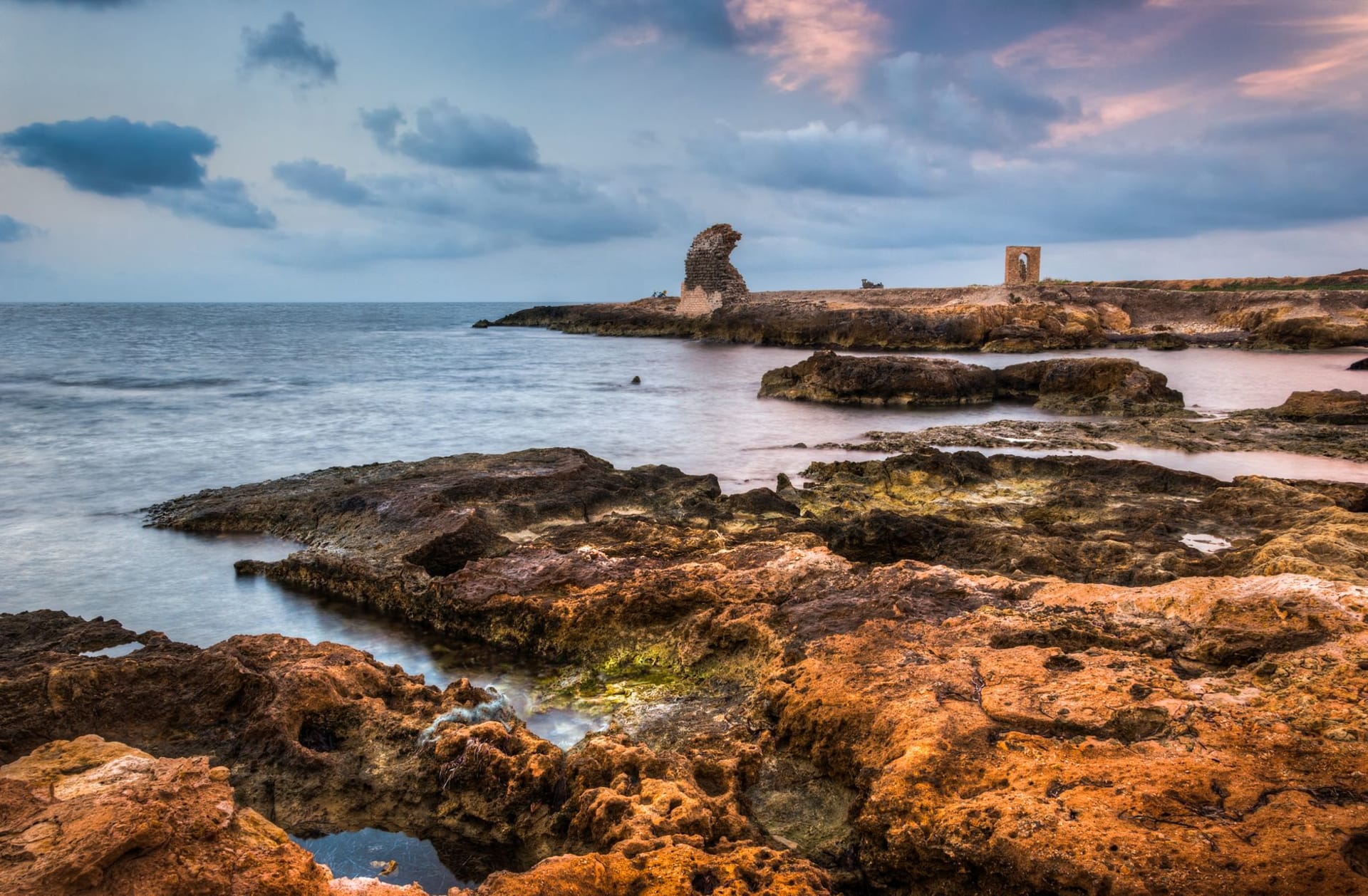
Europe
Cyprus
"Cyprus is where empires came to retire, and somehow never left."
An island split by a ceasefire line where Byzantine churches, Ottoman minarets, and British roundabouts share the same sun-scorched limestone.

I arrived in Larnaca on a late April evening, and the first thing I noticed was the smell — dry thyme and diesel and something faintly saline, as if the sea were sweating. The second thing I noticed was a British-style roundabout decorated with a mosaic of Aphrodite, with a ruined crusader castle visible two blocks away. That collision of eras is Cyprus in miniature. This island has been occupied by so many civilizations — Phoenician, Roman, Byzantine, Frankish, Venetian, Ottoman, British — that history here is not a museum exhibit but a permanent ambient condition. You cannot walk fifty meters without stepping on someone else’s past.
The divided capital, Nicosia, is the last partitioned city in Europe, and crossing the buffer zone through the Ledra Street checkpoint is one of the stranger experiences in Mediterranean travel. One side: Greek Cypriot coffee shops, Byzantine icons, European Union flags. Cross the line and within minutes you are in the Turkish north, drinking tea from tulip glasses, past caravanserais turned into boutique hotels and mosques that were once Gothic cathedrals. Neither side is better or worse. Both are incomplete without the other. I ate halloumi grilled over charcoal in the south in the morning and fresh börek in the north by afternoon, and I could not decide which lunch I preferred. I still cannot.
The Akamas Peninsula in the west is where I went when Paphos started to feel too resort-adjacent. The coast road narrows to something barely negotiable by car, the rock formations go ochre and rust and white, and the sea turns a color I cannot name accurately — not turquoise, not cobalt, something in between that changes every hour with the light. The village of Omodos in the Troodos foothills, with its monastery courtyard and vine-draped streets, was completely empty the Tuesday morning I arrived. A woman was hanging laundry. A cat was doing nothing. It was the most peaceful I felt the entire trip.
When to go: April, May, and October are ideal. The heat in July and August is serious — pushing 40°C inland — and the coastal resorts fill with package tourists. Spring brings wildflowers to the hillsides and water warm enough to swim. October is golden, uncrowded, and the grape harvest is in full swing in the Troodos wine villages.
What most guides get wrong: They position Cyprus as a beach destination, which sells the island catastrophically short. The interior — Troodos Mountain villages, Byzantine monasteries with frescoes that predate the Renaissance, the forests around Kakopetria — is where Cyprus is most itself. And almost nobody mentions the north. Whatever your politics, visiting the Turkish-controlled north adds a layer of complexity to the island that no amount of beach time can replicate. Cyprus is not a place to lie still. It is a place to go looking.
Explore
Places in Cyprus
 cyprus
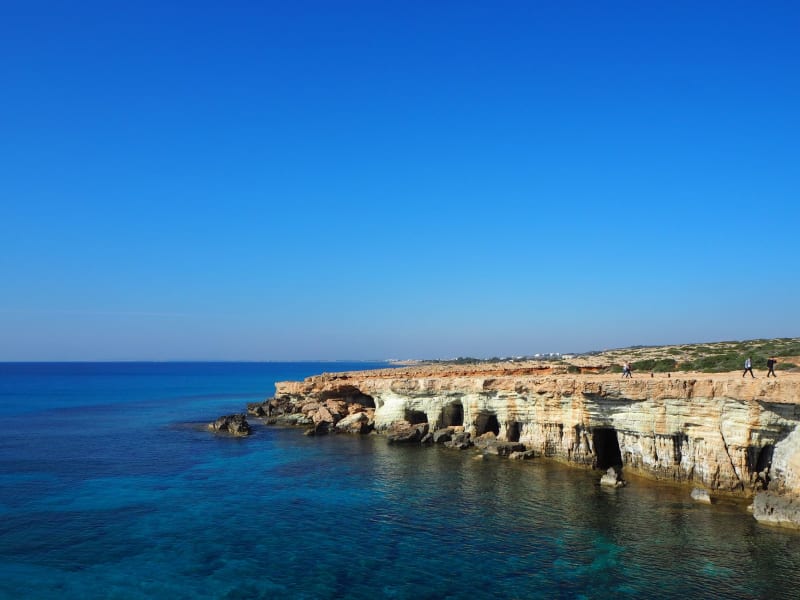
 Akamas Peninsula
The wildest edge of Cyprus — a roadless nature reserve where sea turtles nest and the coast has never been developed.
Explore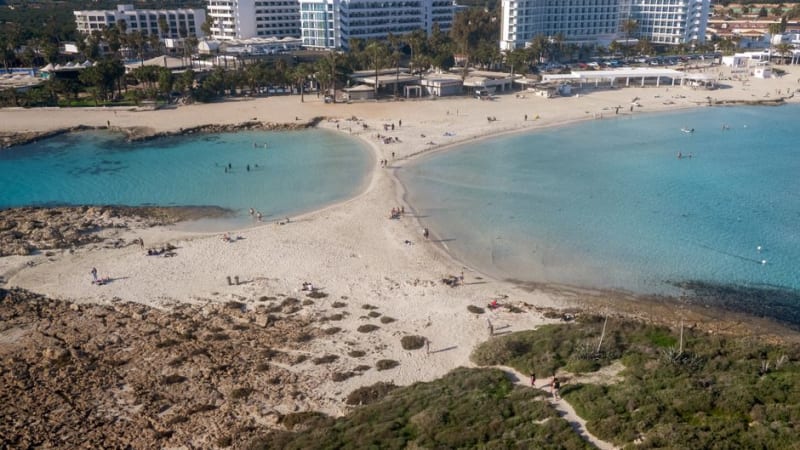 cyprus
 Ayia Napa
A once-sleepy fishing harbor turned nightlife capital, where Nissi Beach's turquoise shallows fill with music by noon.
Explore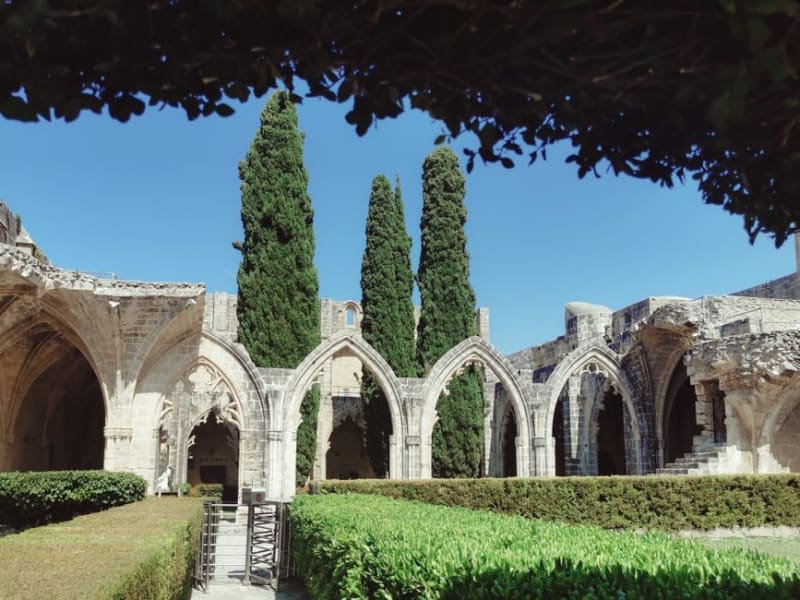 cyprus
 Bellapais
A hillside village above Kyrenia crowned by a ruined 13th-century Gothic abbey and a famous tree the writer Lawrence Durrell once wrote under.
Explore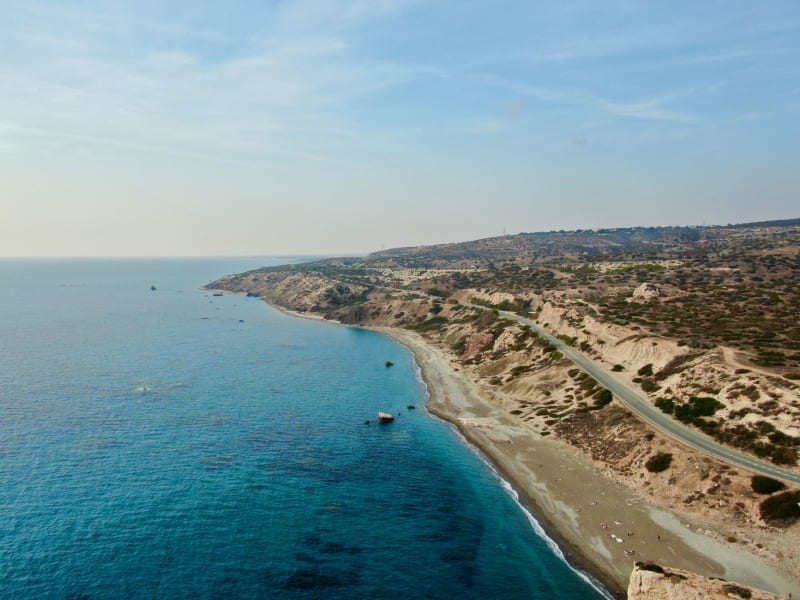 cyprus
 Cape Greco
A white-cliffed headland at the southeastern tip of Cyprus where the sea has chewed the limestone into caves and arches, and the water turns a blue that feels almost rude.
Explore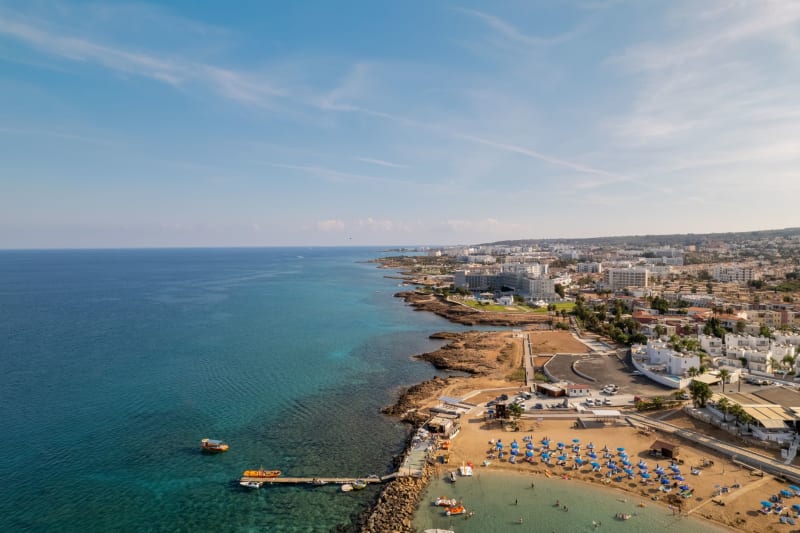 cyprus
 Famagusta
A walled medieval city in the north where a Gothic cathedral became a mosque and a ghost town of abandoned hotels sits locked behind fences by the sea.
Explore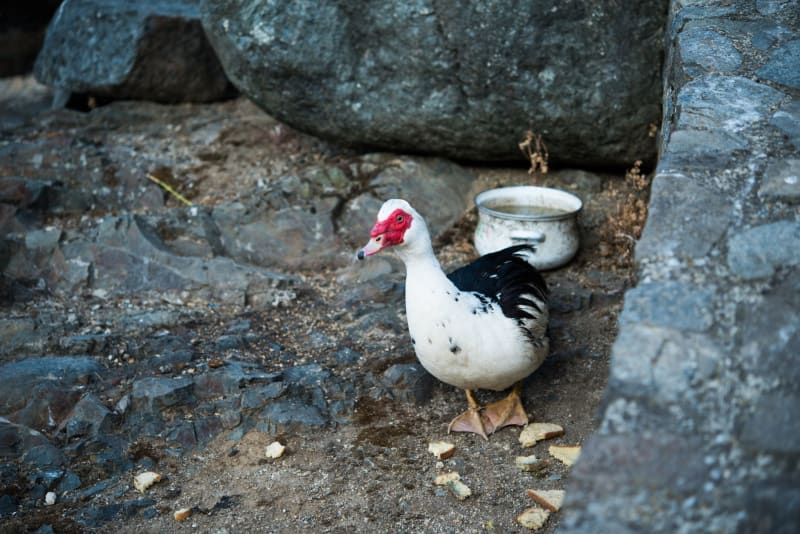 cyprus
 Kakopetria
A mountain village in a river gorge where Byzantine frescoes, cool forest air, and a preserved old quarter sit at 1,000 meters elevation.
Explore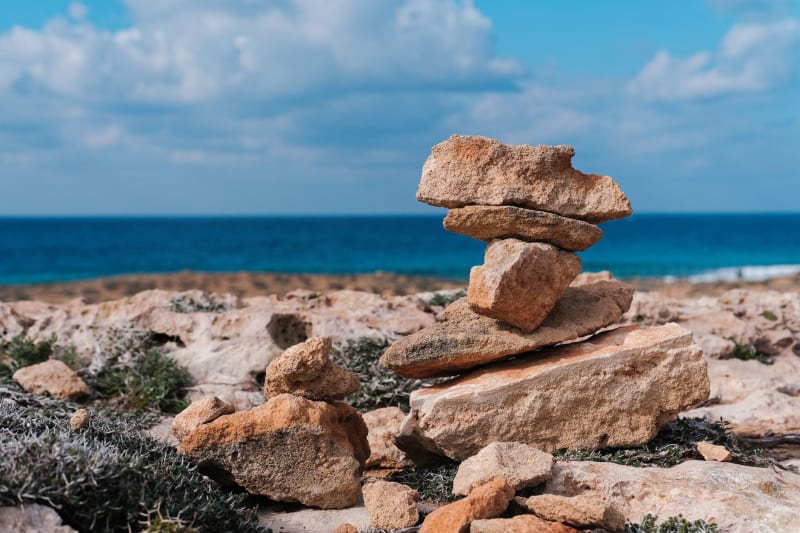 cyprus
 Karpaz Peninsula
A wild finger of land reaching toward Syria in northern Cyprus where wild donkeys roam empty beaches and a fifth-century basilica faces the open sea.
Explore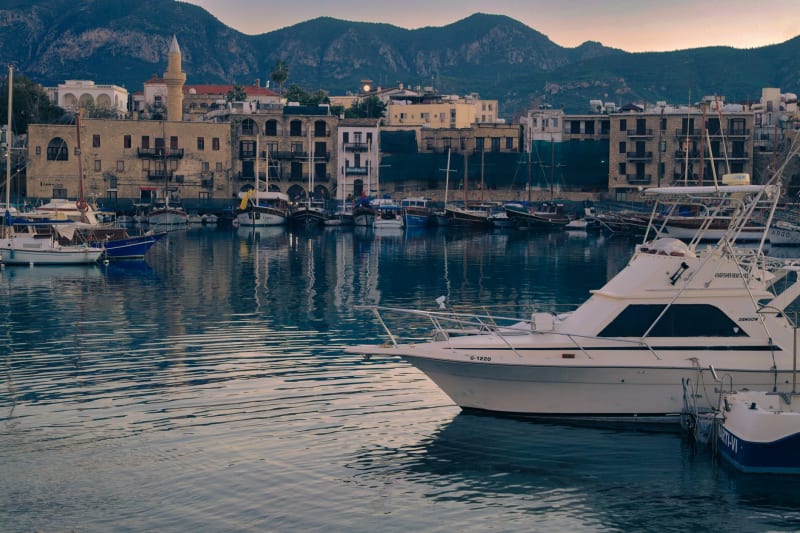 cyprus
 Kyrenia
The north's jewel harbor, ringed by a crusader castle and mountains, where the most dramatic seafront in Cyprus opens onto a contested sea.
Explore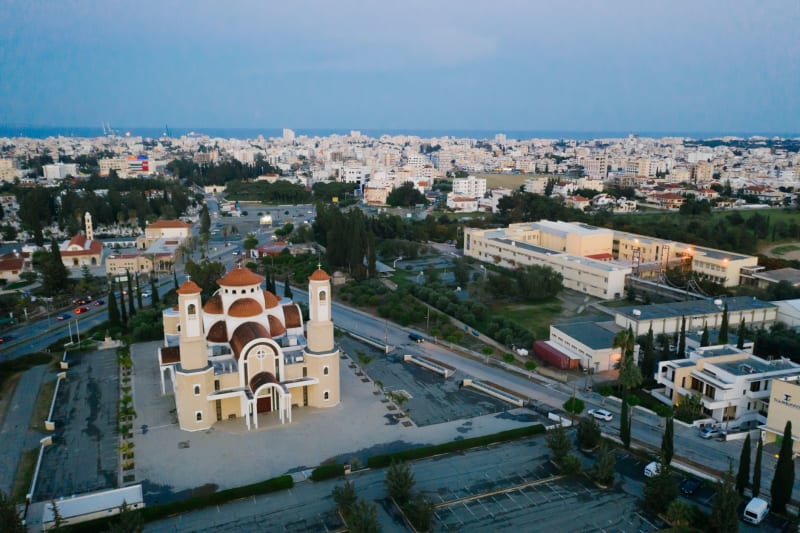 cyprus
 Larnaca
A working-class port city where a Phoenician salt lake, a mosaic-floored mosque, and the best beach promenade on the island coexist without ceremony.
Explore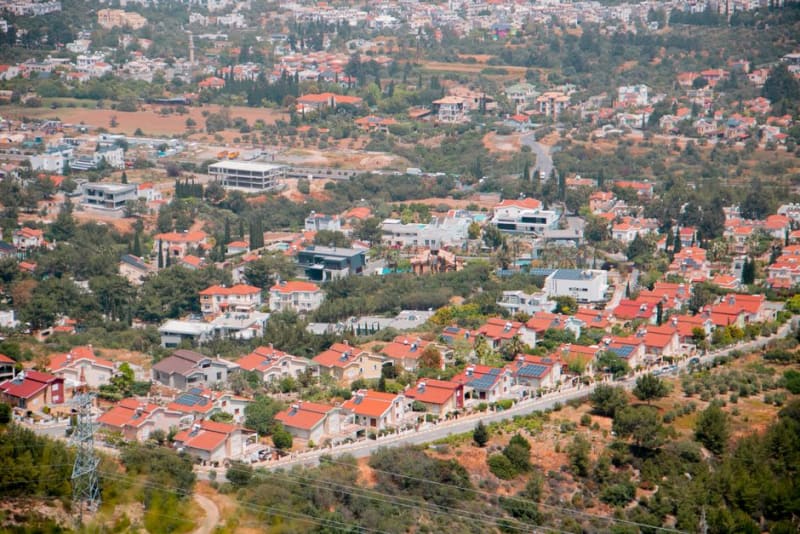 cyprus
 Lefkara
A stone mountain village in the Troodos foothills where women have hand-stitched lace, lefkaritika, at their doorsteps for centuries.
Explore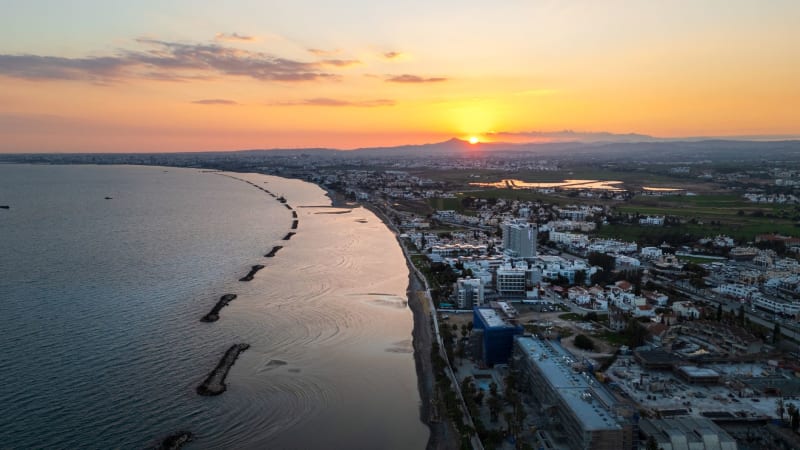 cyprus
 Limassol
Cyprus's most cosmopolitan city, where a medieval castle anchors a waterfront that has quietly become one of the island's best places to eat.
Explore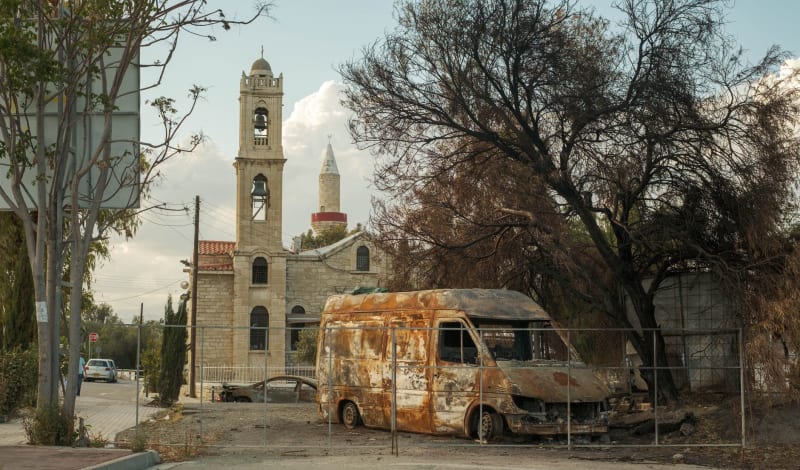 cyprus
 Nicosia
The last divided capital in Europe, where you can cross a ceasefire line on foot and eat lunch in two countries.
Explore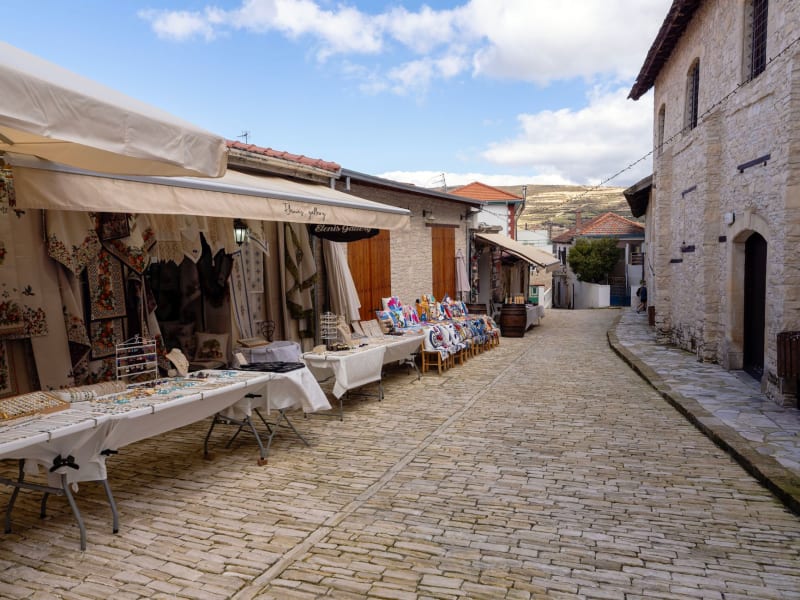 cyprus
 Omodos
A vine-wrapped Troodos village built around a cobblestone square and a monastery that has been pressing wine grapes since the crusades.
Explore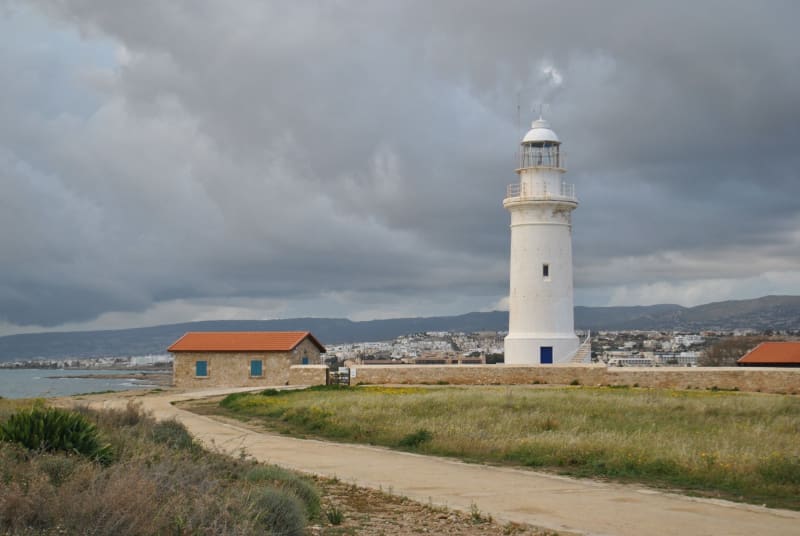 cyprus
 Paphos
A Roman mosaic town on the Aphrodite coast where ancient floors survive under your feet and the sea is always visible.
Explore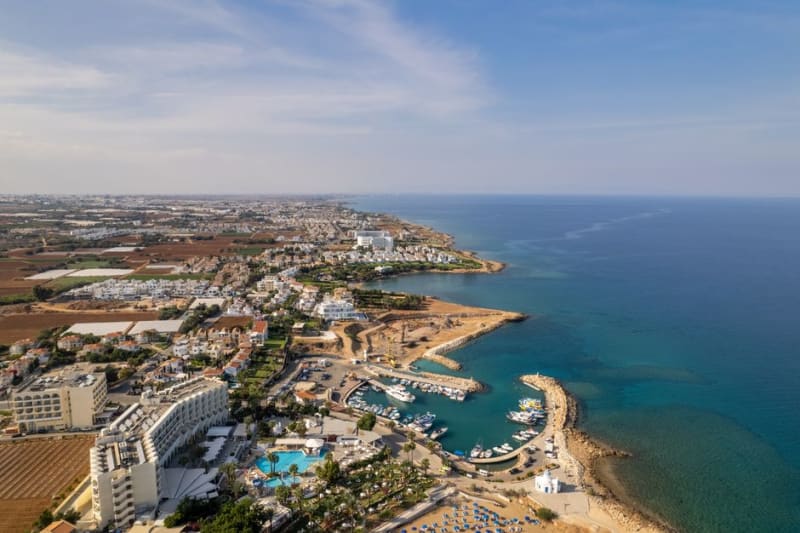 cyprus
 Polis
A low-key northwest coastal town near the eucalyptus-shaded Baths of Aphrodite, where the pace drops the moment you leave the highway.
Explore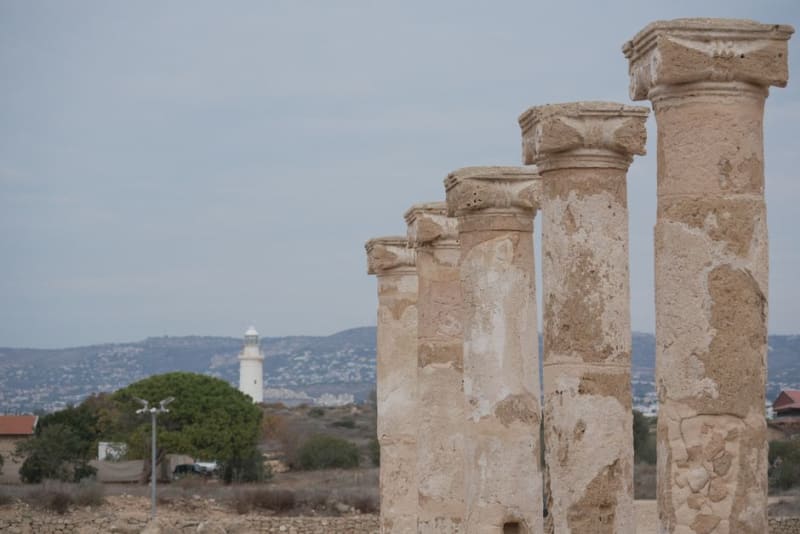 cyprus
 Salamis Ruins
The sprawling ruins of an ancient Greek city-kingdom on Cyprus's northeast coast, where columns rise straight out of sandy pine scrub.
Explore