
Kakopetria
"Kakopetria is what happens when a village and a river have been growing old together in the mountains for eight hundred years."
A mountain village in a river gorge where Byzantine frescoes, cool forest air, and a preserved old quarter sit at 1,000 meters elevation.

The name Kakopetria means “evil rock” in Greek, which refers to a large boulder that legend says rolled onto and killed a newlywed couple. The village has, in every observable way, recovered from this ancient tragedy and is now one of the most attractive mountain settlements in Cyprus, its old quarter hanging over the Kargotis River at 1,000 meters with a combination of dignity and crumbliness that I find deeply appealing in old architecture.
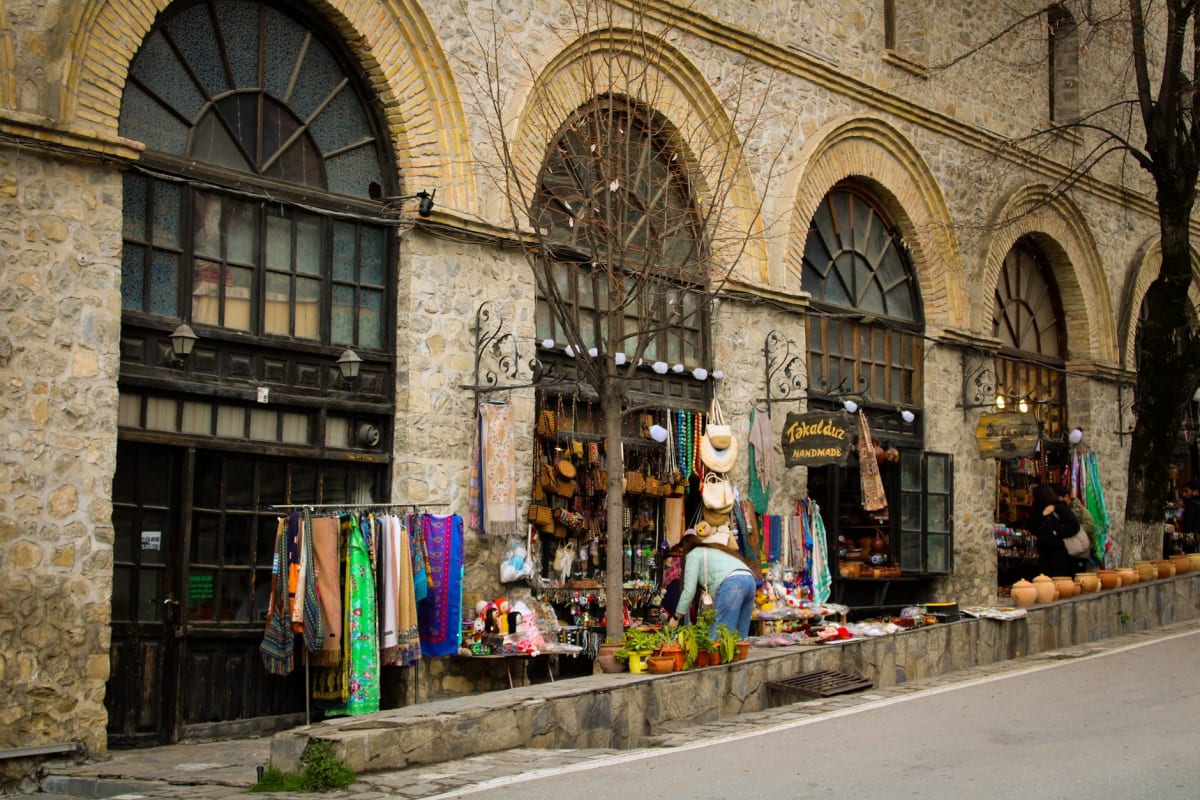
I arrived in the afternoon, when the mountain light was still warm but losing its edge. The old quarter is a preserved section of the village, its traditional stone houses with projecting wooden balconies dating from the seventeenth and eighteenth centuries, all listed and protected. The restoration has been done with enough care that the buildings feel inhabited rather than preserved — which most of them are, with families living upstairs, small shops or cafés occupying the ground floors. An old woman was watering plants from her balcony, sending a thin arc of water down to the stone lane below. She did this with total authority, as if the lane existed for precisely this purpose.
Two kilometers from the village, down a forest road lined with black pines and cedars, is the Church of Agios Nikolaos tis Stegis — Saint Nicholas of the Roof, a UNESCO-listed Byzantine church notable for its unusual double roof, a later addition designed to protect the original structure from snow. The interior frescoes date from the eleventh to the seventeenth century, and they are in better condition than those at Asinou partly because of this protective outer shell. A caretaker named Yiorgos meets you at the gate, takes your name, and walks you through the paintings in approximately the order of their creation. He has done this for twenty years, he said, and he still finds it interesting. I asked which fresco he liked best. He pointed at a small portrait of a saint in a corner, barely visible under centuries of candle smoke, and said: “That one. Because nobody looks at it.”
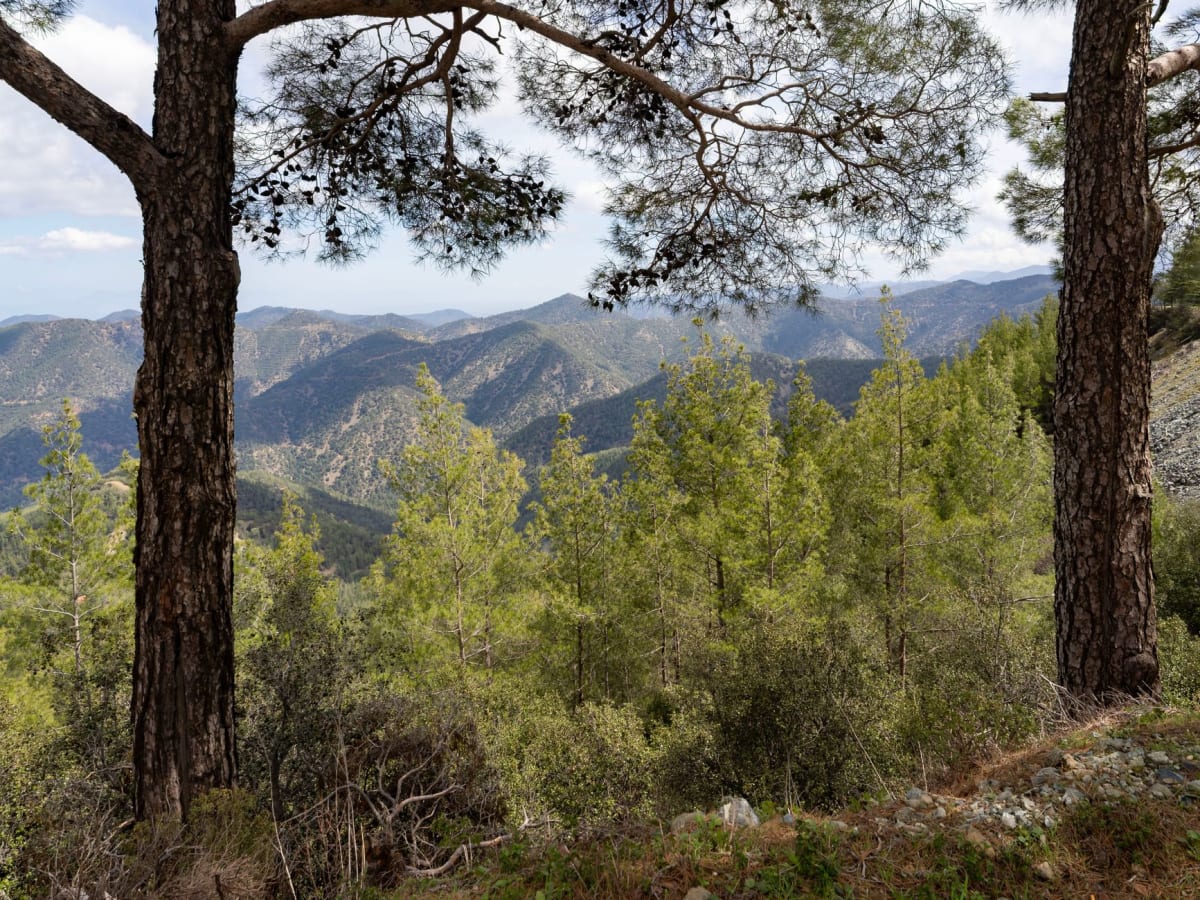
The forests around Kakopetria are planted with black pine, cedar, and plane trees, and the walking trails that extend through them are among the best-maintained on the island. The trail down to the Kargotis River and back up the other side of the gorge takes about two hours and involves enough elevation change to feel like effort, with the reward of riverbank plane trees whose roots are in the water and whose canopy in summer turns the light green and diffuse. In October, the plane trees go yellow and the trail is carpeted in a way that requires you to pay attention to where your feet are landing.
The restaurants in the village serve mountain food, which means different things to the meze of the coast. The afelia here — pork slow-cooked in red wine and coriander seed — comes from restaurants that have been making it the same way for decades, the coriander ground fresh and heavy, the wine from local production, the pork falling apart in a way that requires no knife. There is usually a salad of local mountain greens dressed with lemon and oil, and a rough local wine that does exactly what mountain wine should do at altitude, which is warm you efficiently without asking too much of you in return.
When to go: May through June for the trails and the green of the forest after the spring rains. September and October for the softer light, the turning plane trees, and the complete absence of tourists who have not found the place yet. December and January for snow on the higher slopes and the surreal pleasure of eating afelia by a wood fire in a Troodos mountain restaurant.
Keep exploring
More from Cyprus
 cyprus
Karpaz Peninsula
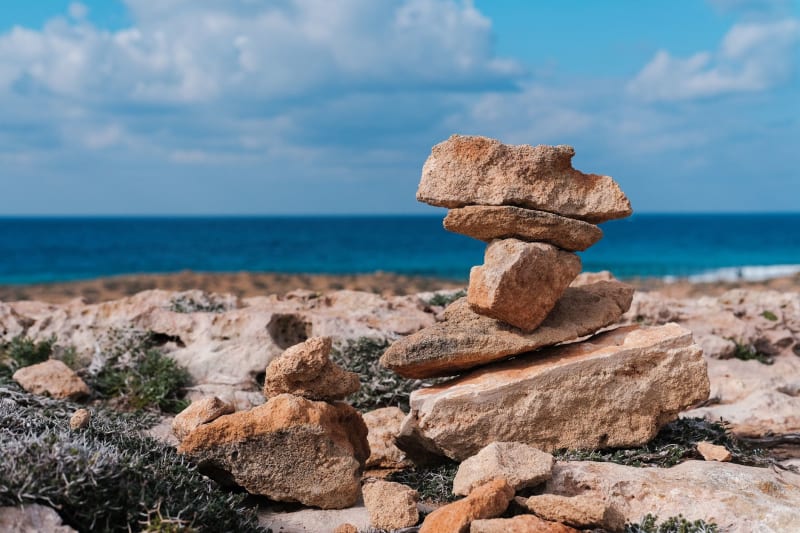
A wild finger of land reaching toward Syria in northern Cyprus where wild donkeys roam empty beaches and a fifth-century basilica faces the open sea.
Explore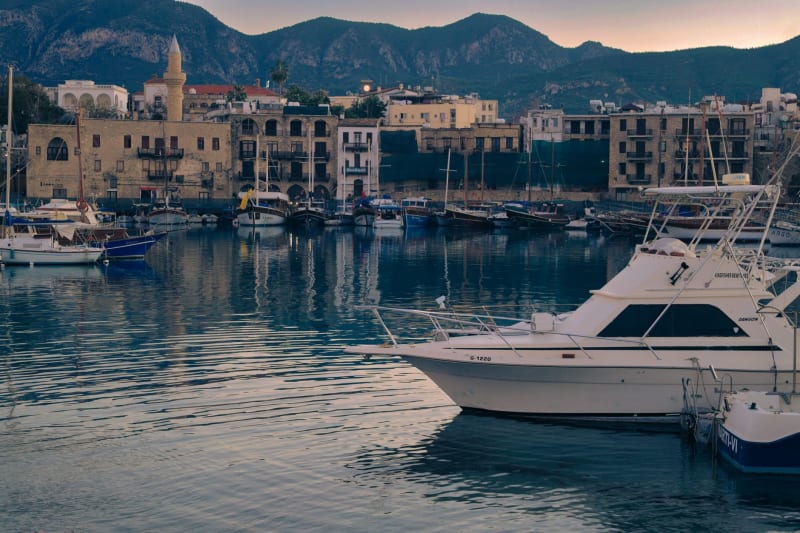 cyprus
Kyrenia
The north's jewel harbor, ringed by a crusader castle and mountains, where the most dramatic seafront in Cyprus opens onto a contested sea.
Explore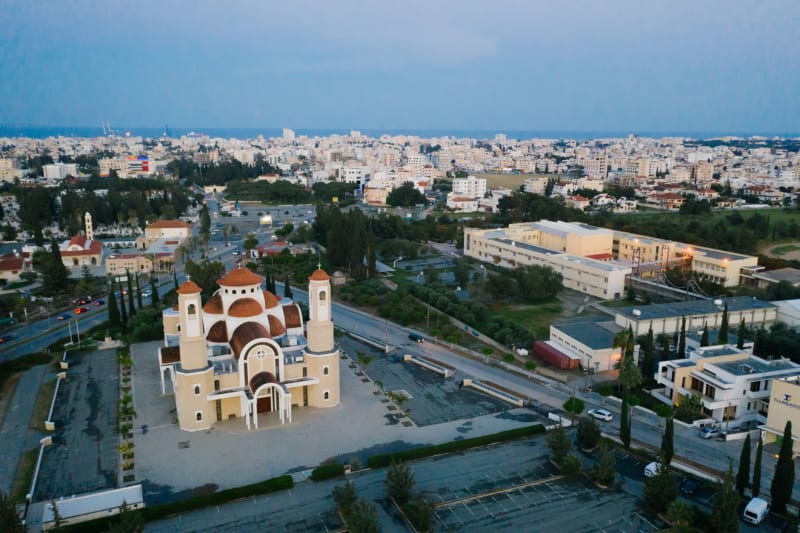 cyprus
Larnaca
A working-class port city where a Phoenician salt lake, a mosaic-floored mosque, and the best beach promenade on the island coexist without ceremony.
Explore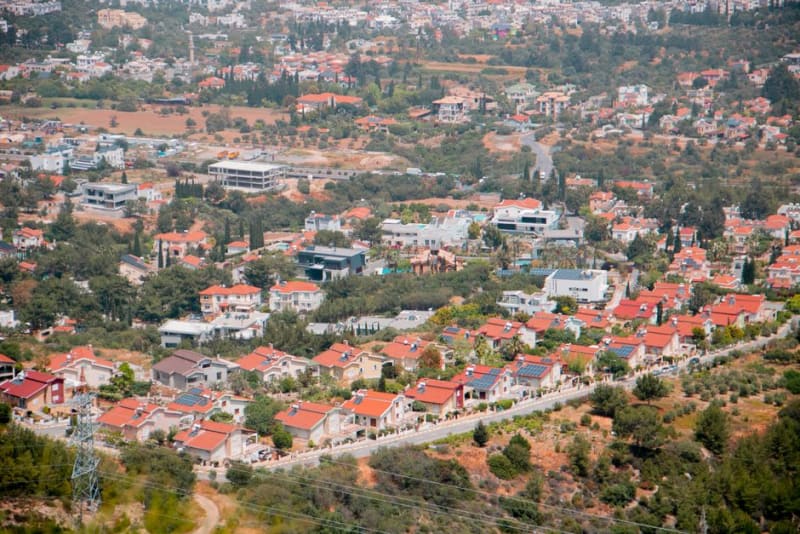 cyprus
Lefkara
A stone mountain village in the Troodos foothills where women have hand-stitched lace, lefkaritika, at their doorsteps for centuries.
Explore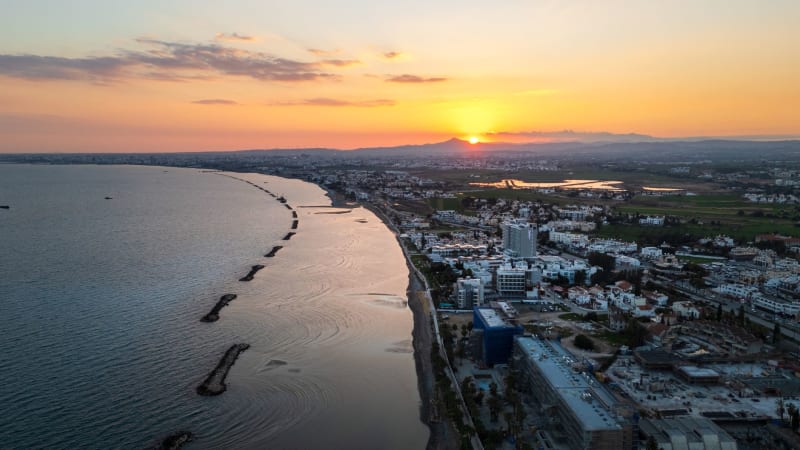 cyprus
Limassol
Cyprus's most cosmopolitan city, where a medieval castle anchors a waterfront that has quietly become one of the island's best places to eat.
Explore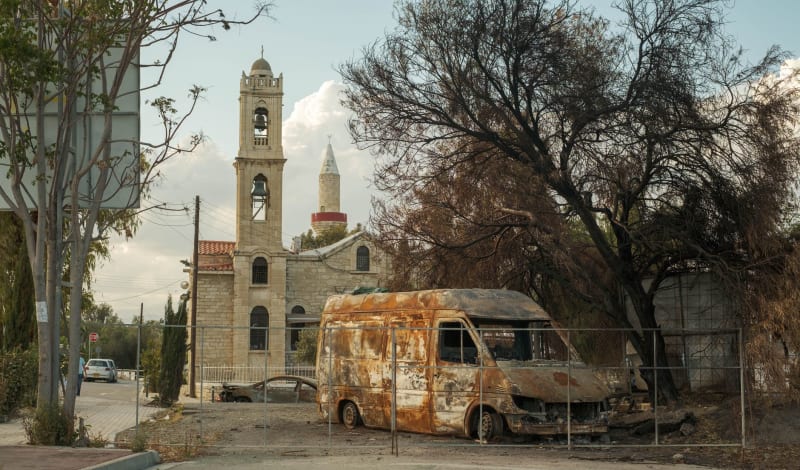 cyprus
Nicosia
The last divided capital in Europe, where you can cross a ceasefire line on foot and eat lunch in two countries.
Explore