Spanish Water
"Lia capsized the kayak twice before admitting the mangroves were laughing at her, not me."
A sprawling mangrove-lined bay on Curaçao's south coast where flat water and steady breeze make it the island's unofficial watersports headquarters.

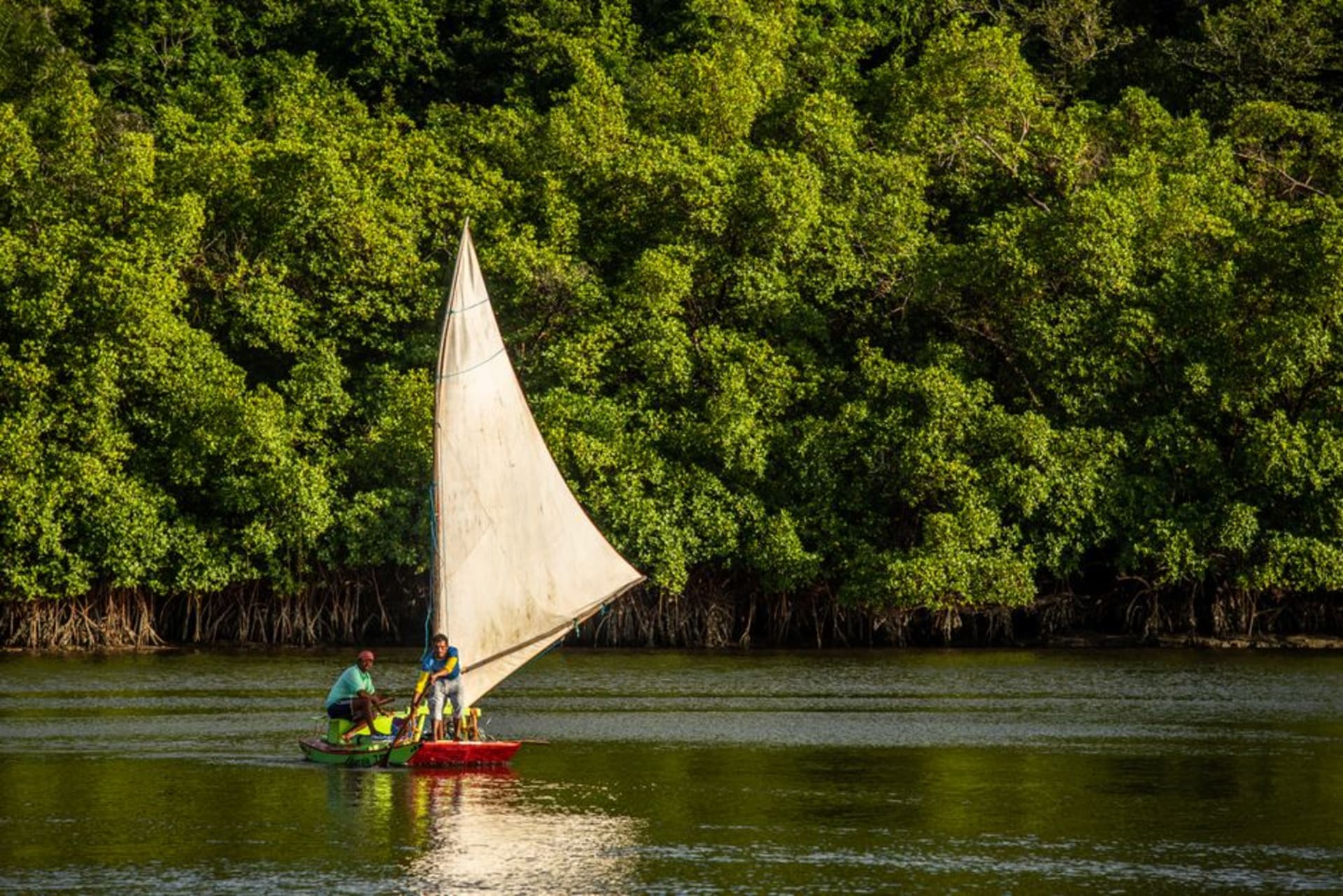
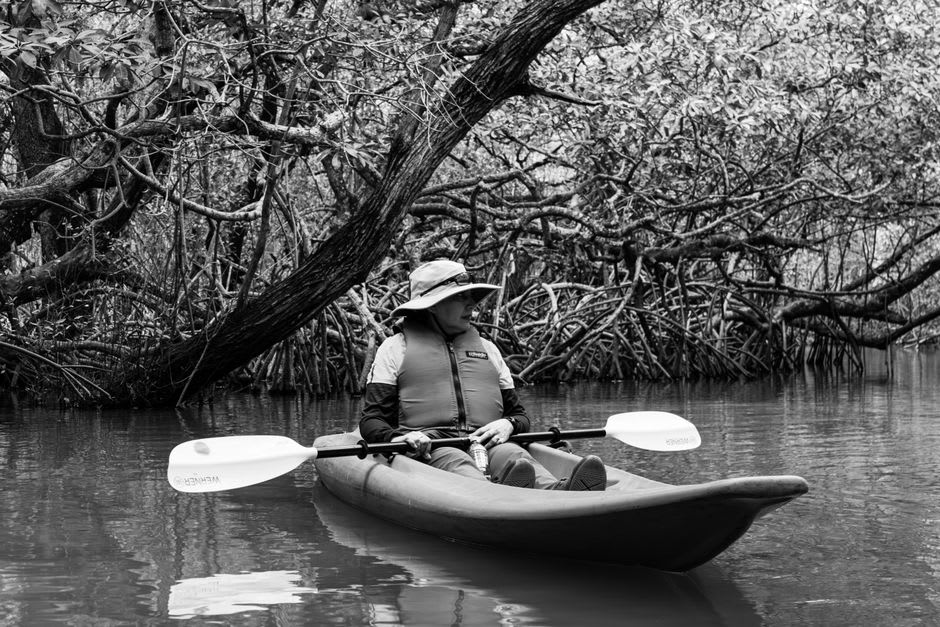
Spanish Water — Spaanse Water in Dutch — isn’t the kind of place you find by accident; you go there specifically to be on the water, and once we did, I understood why half of Curaçao’s sailing crowd keeps their boats anchored inside it. The bay cuts deep into the southeastern coast, ringed by mangroves and low limestone bluffs, calm enough that it barely counts as open sea. We rented kayaks from a spot near Jan Thiel and spent an entire morning weaving through the mangrove channels, watching small fish dart under the roots and at one point drifting past a heron that didn’t so much as flinch at us.
What struck me is how working and playing coexist here without friction. There are actual fishing villages along parts of the shoreline — Santa Barbara, Caracasbaai nearby — alongside a busy scene of catamarans, stand-up paddleboards, and the occasional windsurfer catching the trade wind that funnels reliably across the bay most afternoons. It never felt crowded, just quietly active, like everyone had somewhere specific to be on the water and nobody was performing for anyone else.
We ended up at a beach bar on the Jan Thiel side of the bay for lunch, the kind of spot with plastic chairs sinking slightly into the sand and a menu that’s basically fried fish, rice, and cold Polar beer, and it was exactly what the morning of paddling called for. From the deck you can watch the sailboats tacking gently across the bay, and locals told us this whole area turns into a serious scene during Curaçao’s sailing regattas, boats packed gunwale to gunwale for race weekends.

If I’m honest, the mangroves themselves are the real reason to come. Curaçao lost a lot of its mangrove coverage decades ago to development, and Spanish Water is one of the last intact stretches, functioning as a nursery for juvenile fish and a genuine buffer against storm surge. Paddling through the narrower channels, roots arching overhead and the water suddenly glassy and still, felt like a different island entirely from the club-lined boardwalks twenty minutes away.
When to go: Mid-morning gives you calm water before the afternoon wind picks up for windsurfers and kiters; go later if wind sports are the point.
Keep exploring
More from Curaçao
 curacao
Westpunt
The island's remote northwestern tip, where the road ends, the landscape goes arid, and the diving is some of the Caribbean's finest.
Explore curacao
Banda Abou
Curaçao's undiscovered western side — plantation landhuizen, wind-carved cliffs, and an interior that looks nothing like a Caribbean island.
Explore curacao
Boca Tabla
A sea cave inside Shete Boka National Park where waves punch through a narrow rock opening with a boom you feel before you hear it.
Explore curacao
Caracasbaai
A dramatic southeastern peninsula with pristine dive sites, pink flamingo salt pans, and a fort that watches the horizon like it still means it.
Explore curacao
Christoffel National Park
Curaçao's rugged interior wilderness — cactus forests, iguanas, rare orchids, and a volcanic peak that earns its views.
Explore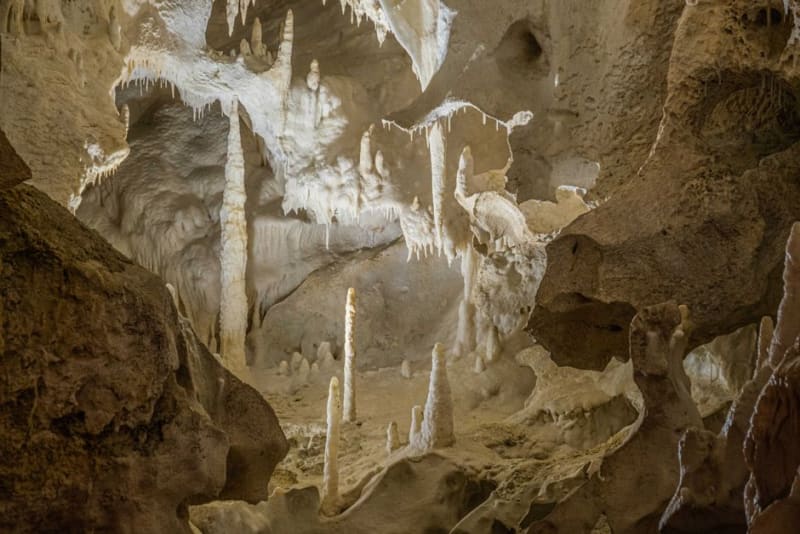 curacao
Hato Caves
A limestone cave system near the airport where fossilized coral walls, bats, and centuries-old petroglyphs sit just beneath the island's dry surface.
Explore