Boca Tabla
"I told Lia to time the wave before climbing down, and she still got soaked, laughing the whole way back up."
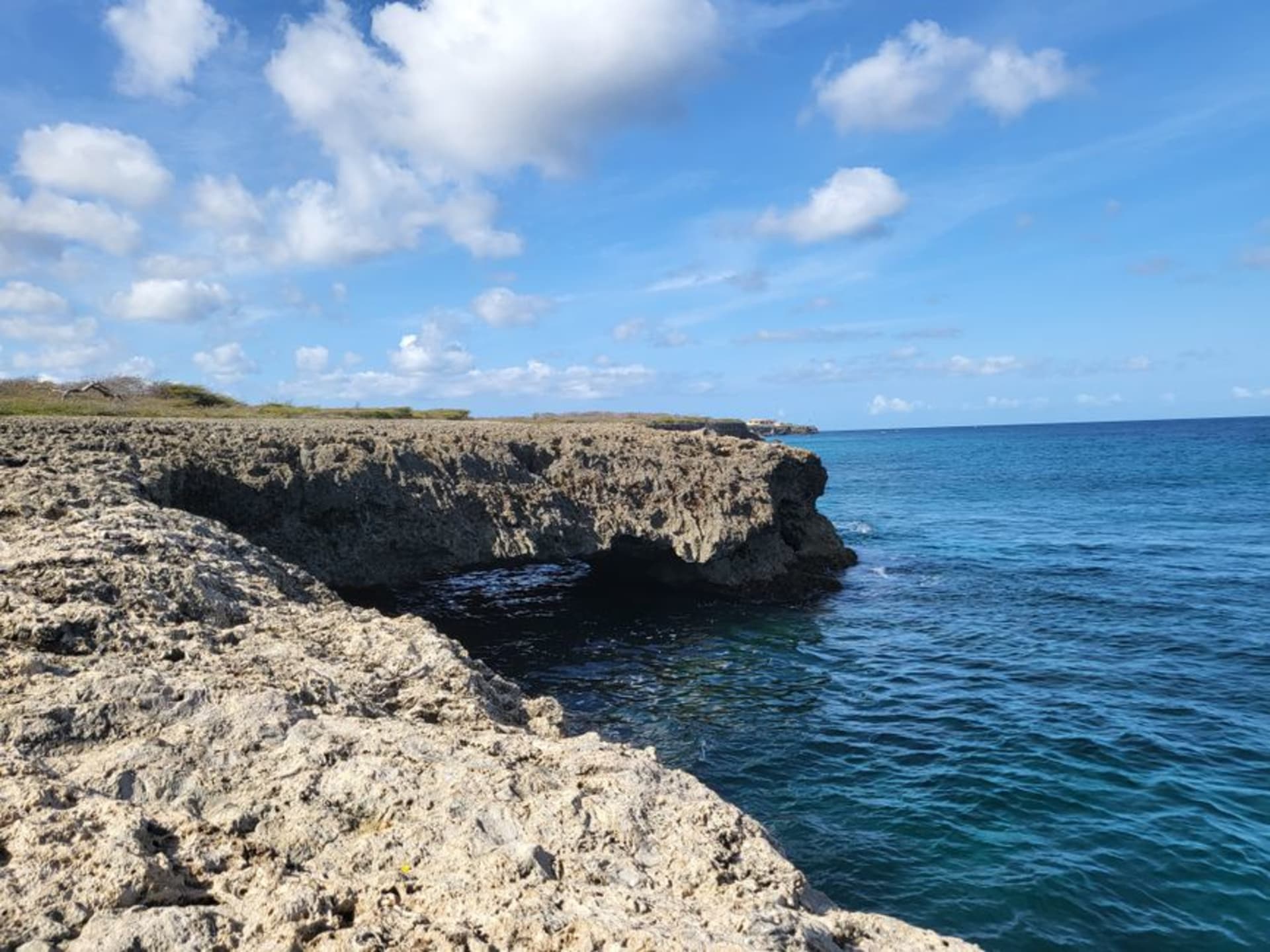
A sea cave inside Shete Boka National Park where waves punch through a narrow rock opening with a boom you feel before you hear it.

Boca Tabla is the loudest thing I experienced in Curaçao, and I mean that literally. You descend a short set of stone steps carved into the cliff at Shete Boka National Park on the island’s rugged, wind-battered north coast, and before you even see the cave you hear it — a deep, hollow boom every time a wave forces itself through the narrow rock opening below. The park sits on the Caribbean side that gets the full force of open-ocean swell, a stark contrast to the calm, protected bays on the south coast where most of the resorts are.
Climbing down into the cave mouth itself takes some care — the rocks are sharp, sea-sprayed, and slick in places, and there’s a rusted chain bolted into the stone that you’re meant to hold onto on the way down. We waited at the top for a minute first, watching the rhythm of the waves, because timing your descent between surges matters more than the park signage really lets on. Lia went first and got hit by spray she swore she’d dodged; I went next and didn’t dodge anything at all.

Once inside, the cave opens into a dim chamber where the ocean surges in and retreats in a rhythm that makes the whole space feel like it’s breathing. Light comes in through the opening and through cracks overhead, catching the spray mid-air in a way that made both of us stop talking for a bit. It’s not a long visit — maybe fifteen minutes if you’re careful and not rushing — but it’s the kind of fifteen minutes that sticks with you longer than most full-day excursions do.

Shete Boka itself means “seven mouths” or “seven inlets” in Papiamentu, and Boca Tabla is just one bay among several worth walking to if you have the legs and the sun tolerance for it — the park has trails connecting a handful of similarly dramatic blowholes and inlets along the coast, though none hit quite as hard as this one. We grabbed fresh-squeezed juice at the small visitor center afterward, sweaty and a little salty, and sat looking back out at the water that had just tried to knock us both over.
When to go: Mornings are cooler for the walk and the light through the cave opening is best; avoid visiting during or right after storms when the swell can be genuinely dangerous.
Keep exploring
More from Curaçao
 curacao
Caracasbaai
A dramatic southeastern peninsula with pristine dive sites, pink flamingo salt pans, and a fort that watches the horizon like it still means it.
Explore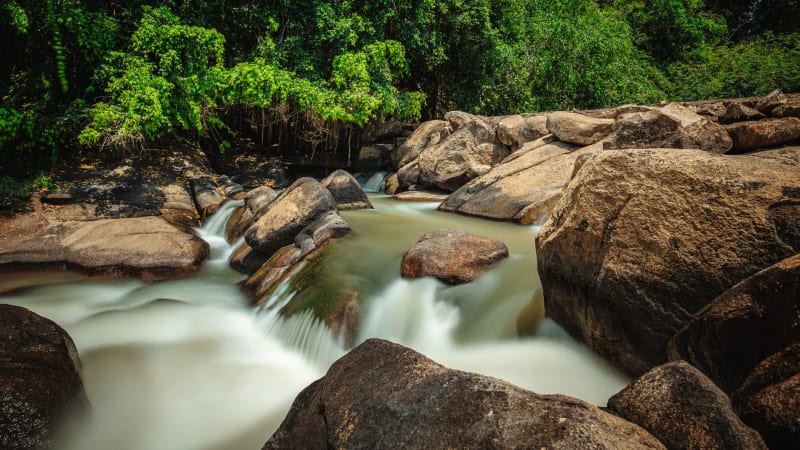 curacao
Christoffel National Park
Curaçao's rugged interior wilderness — cactus forests, iguanas, rare orchids, and a volcanic peak that earns its views.
Explore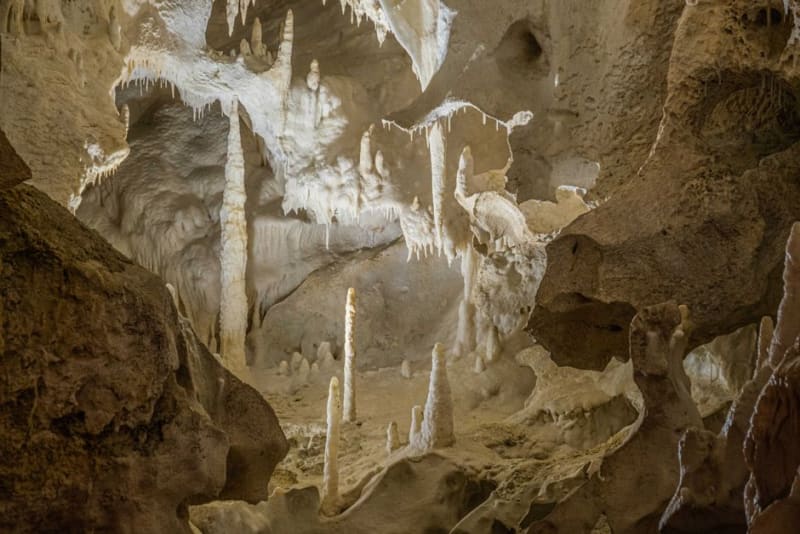 curacao
Hato Caves
A limestone cave system near the airport where fossilized coral walls, bats, and centuries-old petroglyphs sit just beneath the island's dry surface.
Explore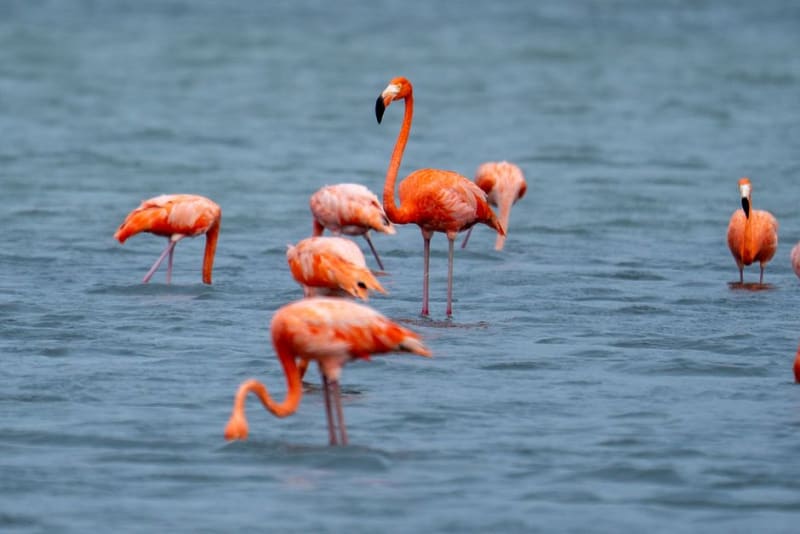 curacao
Jan Kok
A quiet salt-flat wetland on Curaçao's calm western shore where flocks of pink flamingos wade in shallow, mineral-streaked water at sunset.
Explore curacao
Jan Thiel
A sheltered southeastern bay where local families and expats share a stretch of calm water without anyone making a fuss about it.
Explore curacao
Klein Curaçao
An uninhabited speck of sand and coral two hours offshore, with a ruined lighthouse, a rusting shipwreck, and absolutely nothing else.
Explore