Ruse
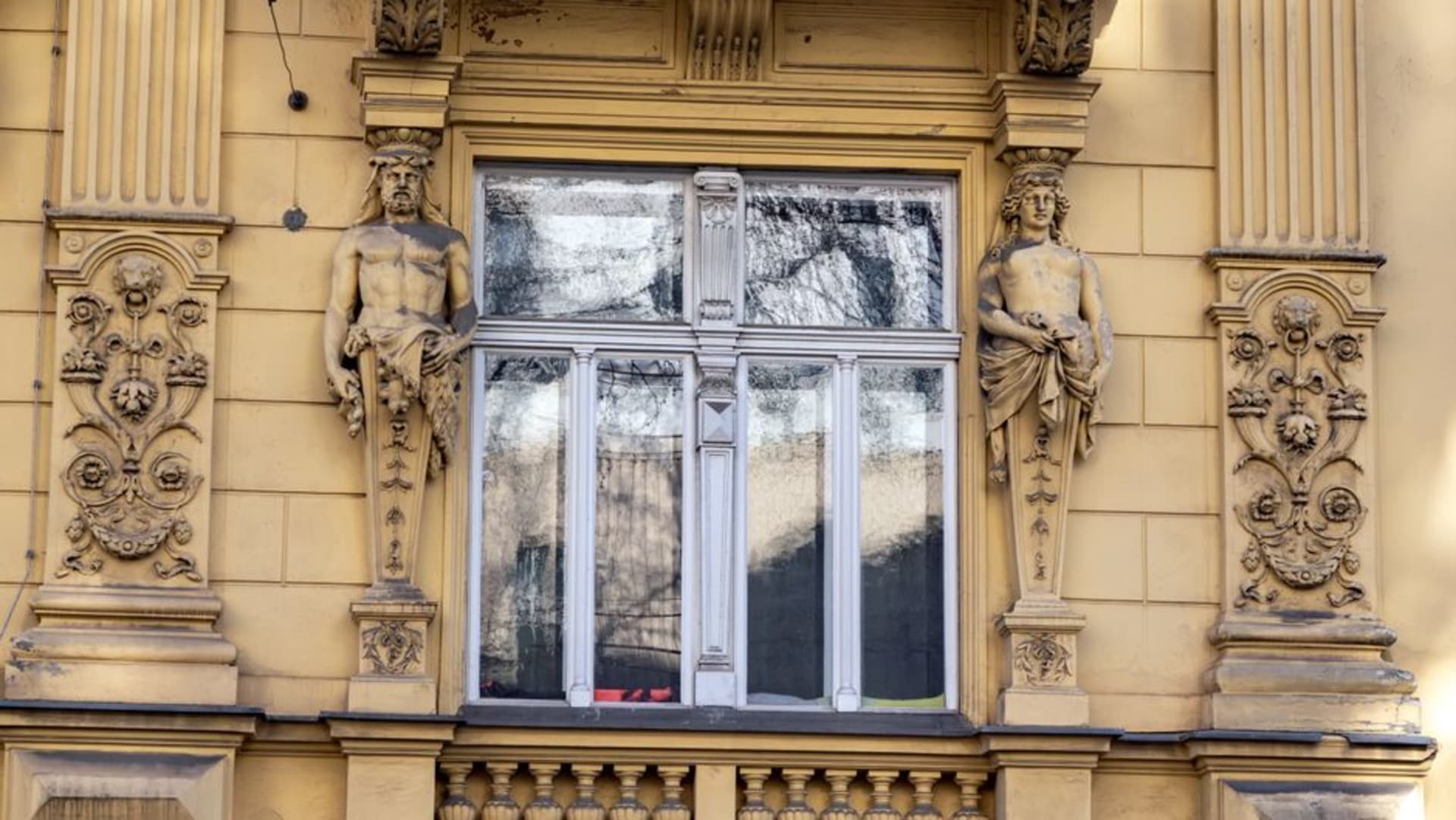
"Lia stopped mid-sentence on Alexandrovska street and said, this doesn't look like Bulgaria, it looks like Vienna had a smaller, sadder cousin."
A Danube river city whose grand Belle Epoque façades still whisper the Vienna it once tried so hard to imitate.

We arrived in Ruse from the north, crossing the Danube Bridge from Romania, and the shift was immediate — not culturally, but architecturally. One minute we’re on the Giurgiu side looking at fairly plain post-Soviet apartment blocks, and twenty minutes later we’re walking down Alexandrovska Street in Ruse surrounded by wedding-cake façades, wrought-iron balconies, and mansard roofs that look airlifted straight from Vienna or Budapest. Ruse earned the nickname “Little Vienna” for exactly this reason — in the late 19th and early 20th centuries it was Bulgaria’s richest and most cosmopolitan city, and the merchants who built it wanted Europe to know.
What gets me about Ruse is how much of that ambition survived, mostly by accident. A lot of it was simply too grand or too structurally sound to tear down during the communist decades, so it sat there, slowly decaying, while other Bulgarian cities modernized around their old cores. Now it’s being restored piece by piece, and you can see the seams — one building freshly repainted in cream and gold, the next still crumbling with a tree growing out of its cornice. I found the contrast more honest than a fully polished old town would have been.

We spent an afternoon at the Ruse Regional Museum inside the old Palace of Justice, which has this over-the-top marble staircase that feels wildly disproportionate to a provincial Bulgarian city — until you remember Ruse wasn’t provincial at all back then, it was the country’s gateway to Europe, the first place with electric streetlights, the first with a printing press. Later we just walked, no destination, down toward the riverside park where the Danube itself does the real work — wide, brown, unhurried, with barges moving slow enough that you can watch them for ten minutes and feel like no time has passed.

Ruse isn’t a place people build a whole Bulgaria itinerary around, and I get why — it’s a detour, tucked up in the north near the Romanian border, away from the coast and the mountains everyone comes for. But if you’re driving between Bucharest and Sofia, or just curious what Bulgarian money looked like when there was a lot of it, give it a night. We gave it one and wished we’d given it two.
When to go: Spring and early autumn for pleasant walking weather along the river; the annual Ruse March Music Days festival in March is worth timing around if you like classical music.
Keep exploring
More from Bulgaria
 bulgaria
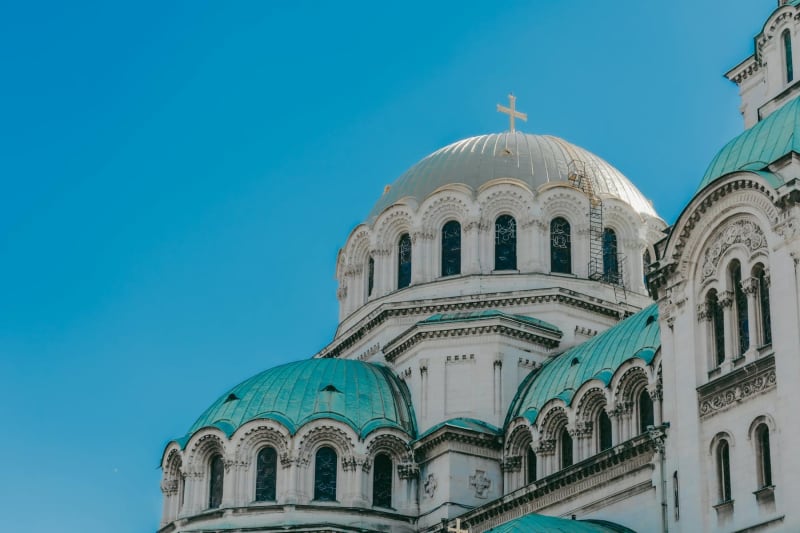
Sapareva Banya
A Bulgarian spa village with Europe's only inland geyser, steaming beside trails into the Rila mountain foothills.
Explore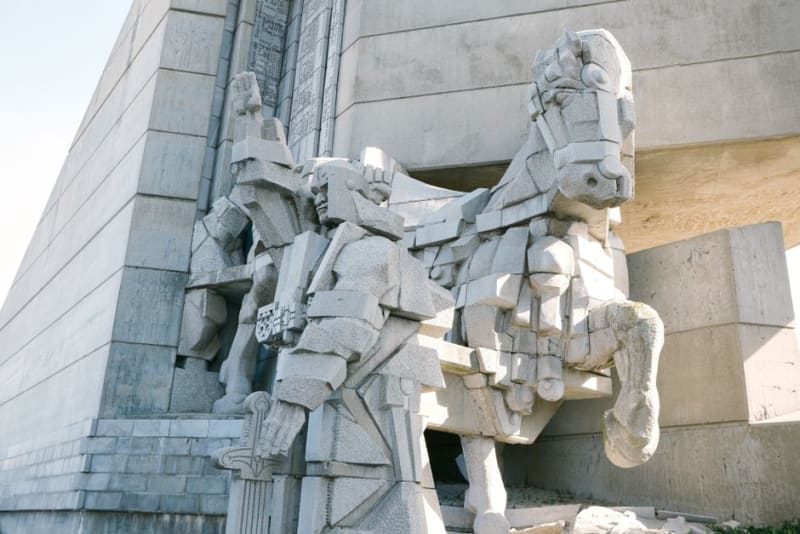 bulgaria
Shumen
A quiet Bulgarian town overshadowed, literally, by a colossal Soviet-era monument and a plateau full of forgotten medieval capitals.
Explore bulgaria
Sofia
Eastern Europe's most underrated capital layers Roman ruins beneath Orthodox churches and Soviet-era grandeur, all at bargain prices.
Explore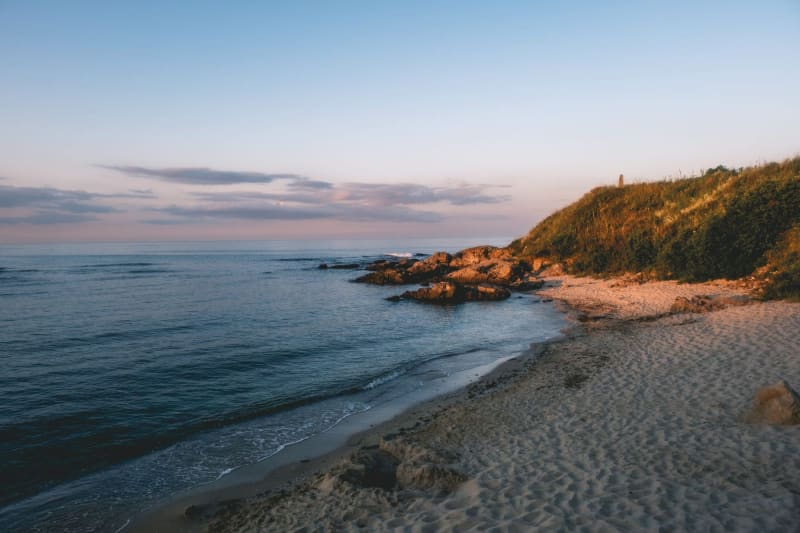 bulgaria
Sozopol
An ancient Thracian fishing town on the Black Sea, where cobblestone lanes wind between wooden houses and the sea glows amber at dusk.
Explore bulgaria
Tryavna
A cobbled Renaissance square, woodcarvers' workshops, and a stone clock tower still keeping time in Bulgaria's Balkan foothills.
Explore bulgaria
Tsarevo
A former fishing village on the southern Black Sea coast, half resort and half still smelling of nets, backed by the wild Strandzha hills.
Explore