Tsarevo
"We ate grilled mackerel on a plastic table twenty meters from where the boat had docked it an hour earlier."
A former fishing village on the southern Black Sea coast, half resort and half still smelling of nets, backed by the wild Strandzha hills.

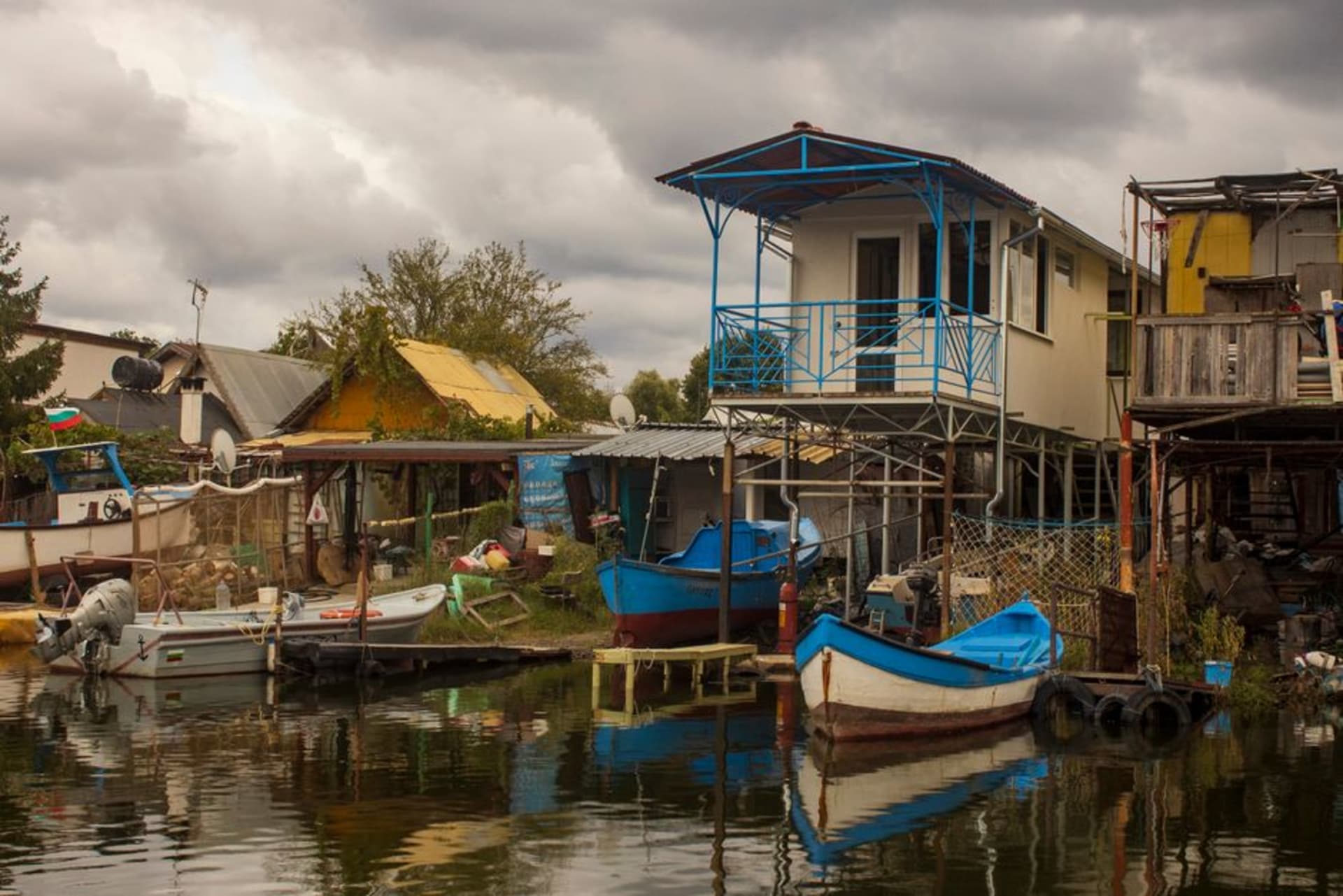
Tsarevo sits on a small headland jutting into the Black Sea, and you can feel the two halves of the town pulling against each other the moment you arrive. On one side of the peninsula there’s the old fishing harbor — actual working boats, nets drying over railings, old men mending gear who don’t look up when tourists walk past. On the other side, a strip of newer hotels and beach bars has crept in over the last couple of decades, chasing the same Black Sea package-tourism boom that transformed towns like Sunny Beach further north. Tsarevo hasn’t gone nearly that far, but you can see the direction of travel.
We came for the harbor side, honestly, and it delivered. We found a no-name place with plastic chairs and a hand-written menu where the owner pointed at the boats and told us, more or less, that whatever we ordered had been swimming that morning. The mackerel came grilled simple, with just salt and lemon, alongside a shopska salad and a carafe of local rakia that the owner poured without asking if we wanted more. It’s the kind of meal you can’t really order from a menu designed for tourists — you get it by showing up somewhere unpolished and trusting the smell of the kitchen.

South of town, Tsarevo backs onto the Strandzha, Bulgaria’s largest nature park and one of the least-touristed mountain ranges in the country — low, densely forested hills that run along the Turkish border, home to old-growth woodland and a scattering of ancient dolmens that predate most of what we’d seen elsewhere in Bulgaria. We took a rental car twenty minutes inland to Brashlyan, a stone village inside the park that felt frozen sometime around the 1950s, cobbled lanes, a working watermill, barely a soul around except a woman selling homemade jam from her doorstep.

Lia’s read on Tsarevo, and I think she’s right, is that it’s a town caught mid-transition — not yet a resort in the full Sunny Beach sense, still tethered to the sea in a way that feels functional rather than decorative. I’d go back before that balance tips any further.
When to go: June or September for warm sea temperatures without the peak-August crowds; the Strandzha hills are at their greenest and most walkable in late spring.
Keep exploring
More from Bulgaria
 bulgaria
Varna
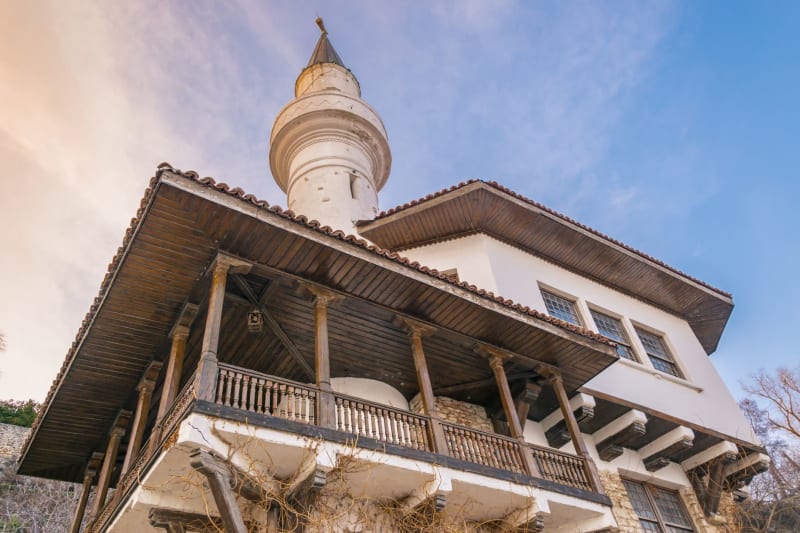
Bulgaria's Black Sea capital carries six thousand years of layered history beneath its beach-town surface, from Thracian gold to Roman thermae to a sea garden that smells of linden blossoms in June.
Explore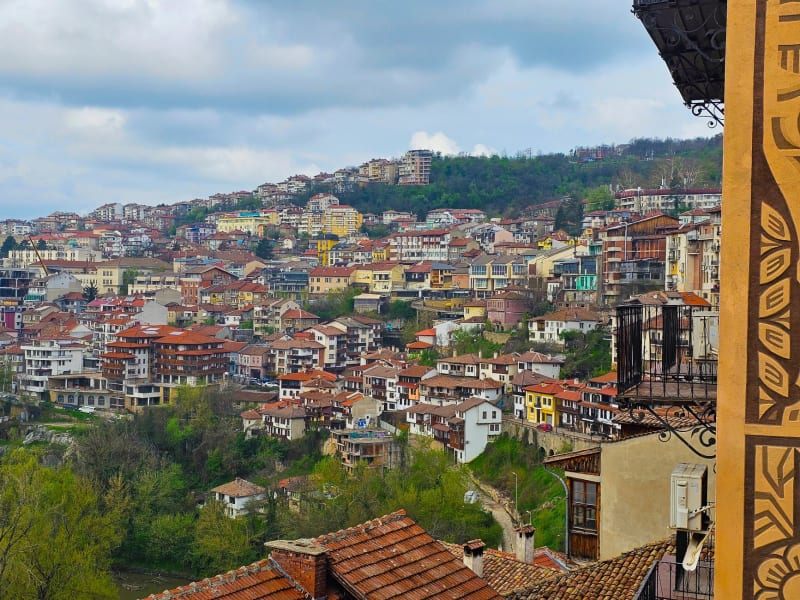 bulgaria
Veliko Tarnovo
Bulgaria's medieval capital hangs over a horseshoe canyon cut by the Yantra River, its fortress towers catching the last light while crows wheel below them.
Explore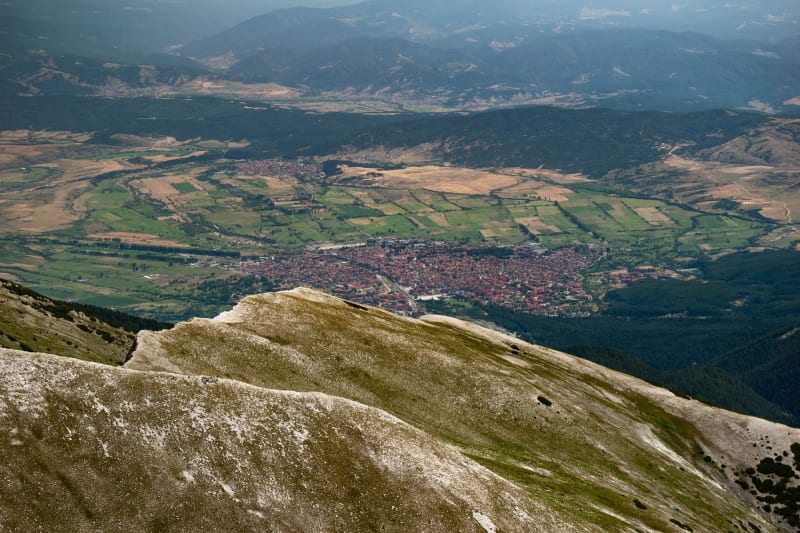 bulgaria
Bansko
Bulgaria's premier ski resort sits beneath Pirin's dramatic peaks, pairing world-class slopes with a stone-paved old town full of mehanas.
Explore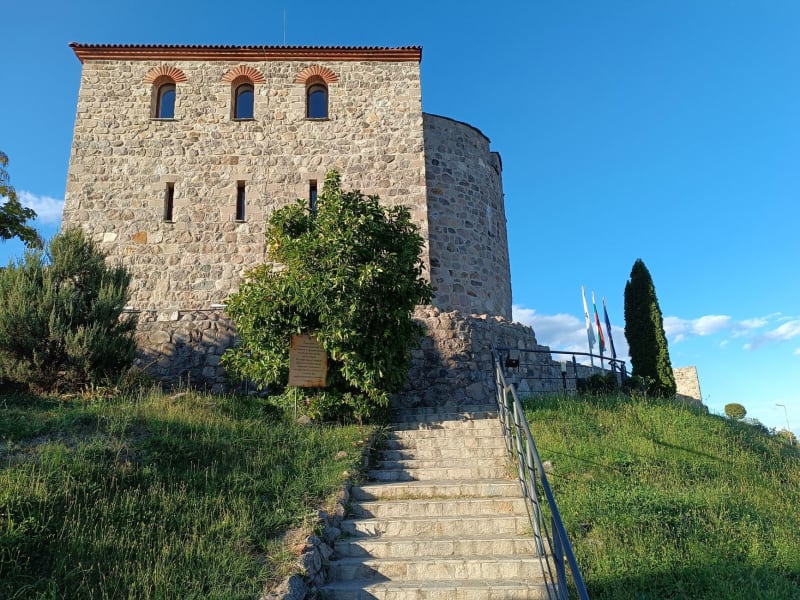 bulgaria
Belogradchik
In Bulgaria's neglected northwest corner, orange sandstone formations rise eighty meters from the earth and an Ottoman fortress grows directly out of the rock, making the whole landscape feel like a collaboration between geology and military architects.
Explore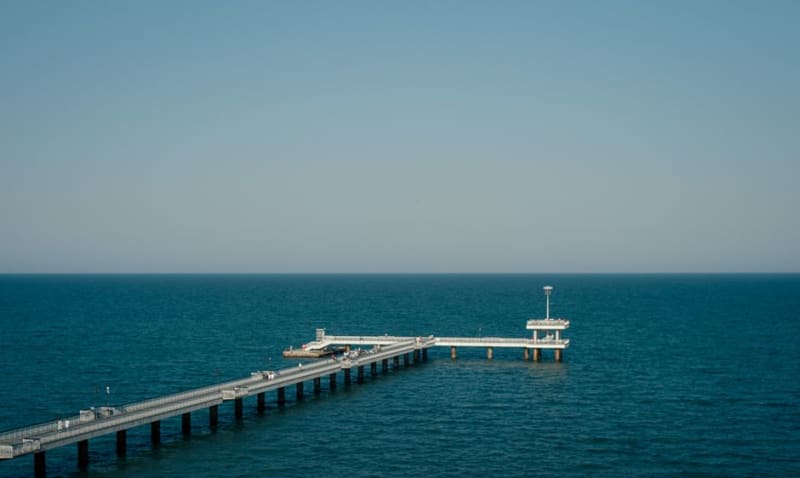 bulgaria
Burgas
A Black Sea port city where salt lakes crowd right up against the boulevards, and pelicans outnumber tourists most mornings.
Explore bulgaria
Koprivshtitsa
A mountain town of painted timber houses where Bulgaria's 1876 uprising began with a single shot fired off a stone bridge.
Explore