Shumen
"We climbed 1,300 steps to a monument nobody had told us about, and it turned out to be the most 20th century thing I saw all year."
A quiet Bulgarian town overshadowed, literally, by a colossal Soviet-era monument and a plateau full of forgotten medieval capitals.

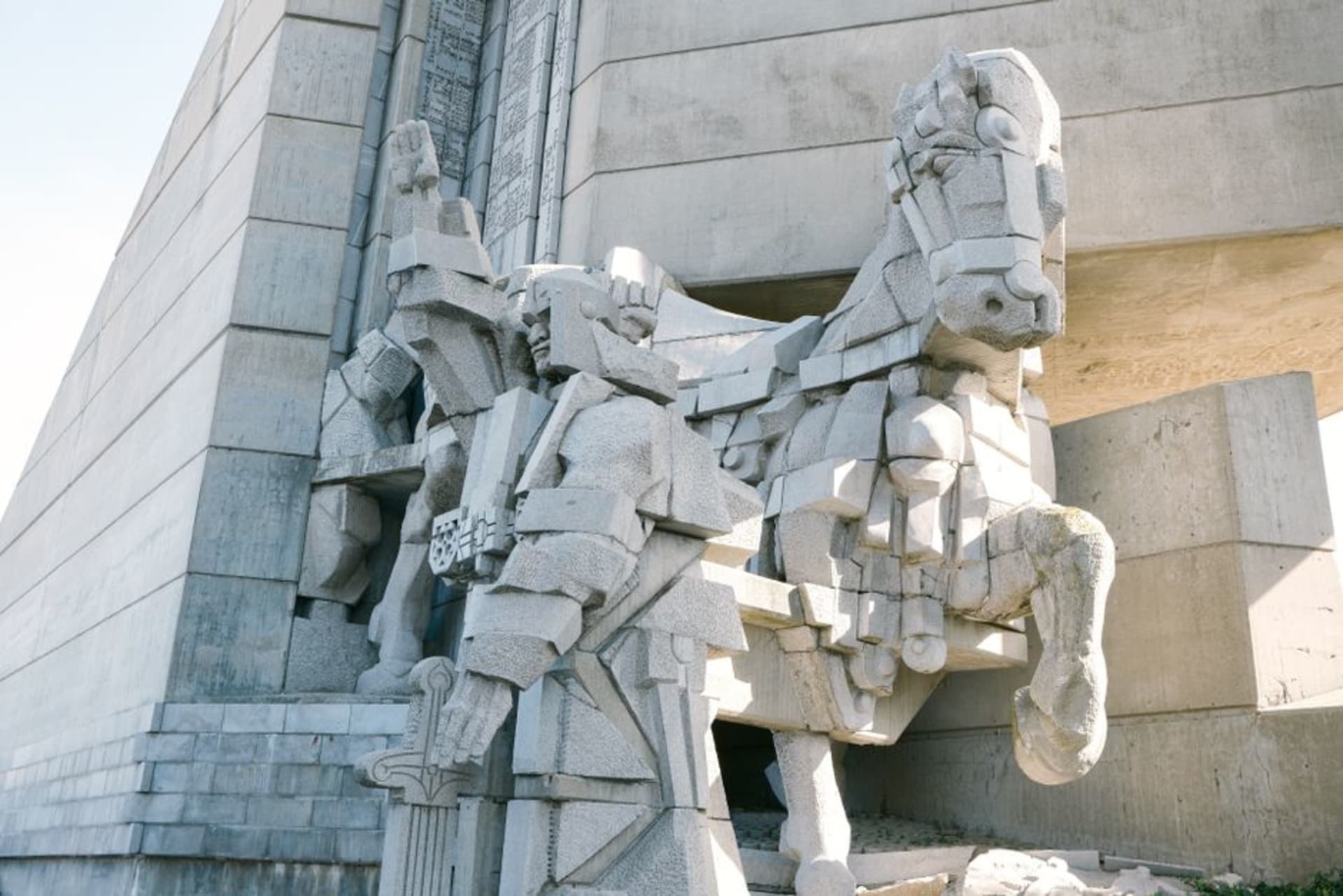
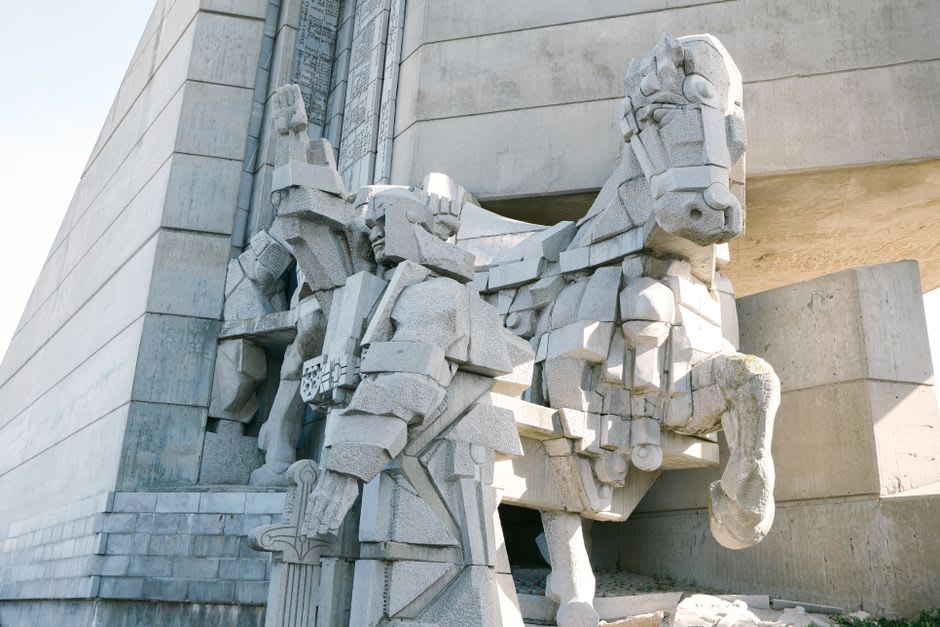
Nobody warns you about the monument. We were driving toward Shumen from Varna, half paying attention, when Lia looked up from the map and just said “what is that.” On the ridge above town sits the Founders of the Bulgarian State monument, a set of towering concrete figures — angular, brutalist, somewhere between a fist and a crown — built in 1981 to mark thirteen hundred years since the founding of the Bulgarian state. It’s enormous, visible from kilometers away, and I still don’t think photographs do it justice; you need to stand at the base and feel small.
Getting up there means climbing a long staircase carved into the hillside, over a thousand steps, past mosaics that have started flaking with age in a way that somehow makes them more moving, not less. By the time we reached the top we were both out of breath and slightly sunburned, but the view over the Shumen plain made it worth it — you can see for miles across flat farmland dotted with the low outlines of villages.
What makes Shumen worth a full day rather than a photo stop, though, is what’s around it. This stretch of northeastern Bulgaria was the heartland of the medieval Bulgar state — Pliska, the first capital, and Veliki Preslav, the second, both sit within a short drive, and both are startlingly undervisited given how significant they were. We wandered the ruins at Preslav almost alone on a Tuesday morning, just us and a groundskeeper sweeping leaves off a thousand-year-old foundation. There’s something about standing in the throne room of a capital most people have never heard of that hits differently than the famous ruins everywhere else.

Shumen’s old town itself is modest but pleasant — a restored clock tower, a still-functioning mosque from the Ottoman period, cafés where the coffee is strong and cheap and nobody rushes you. We stayed one night more than planned mostly because I wanted a second crack at photographing the monument at sunset, when the concrete goes gold-orange and the whole thing looks less like propaganda and more like a ruin from some other civilization entirely.
When to go: Late spring through early autumn, when the plateau ruins are dry and walkable and the hillside stairs aren’t icy; go at golden hour for the monument if you can.
Keep exploring
More from Bulgaria
 bulgaria
Sofia
Eastern Europe's most underrated capital layers Roman ruins beneath Orthodox churches and Soviet-era grandeur, all at bargain prices.
Explore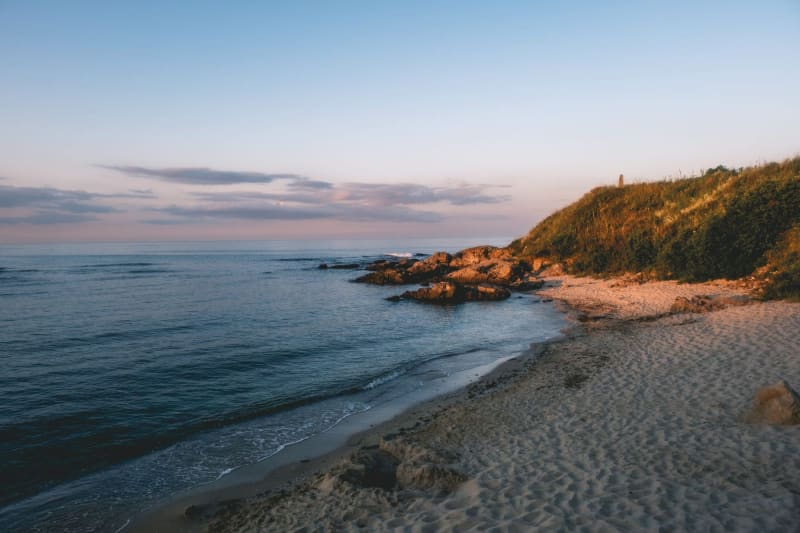 bulgaria
Sozopol
An ancient Thracian fishing town on the Black Sea, where cobblestone lanes wind between wooden houses and the sea glows amber at dusk.
Explore bulgaria
Tryavna
A cobbled Renaissance square, woodcarvers' workshops, and a stone clock tower still keeping time in Bulgaria's Balkan foothills.
Explore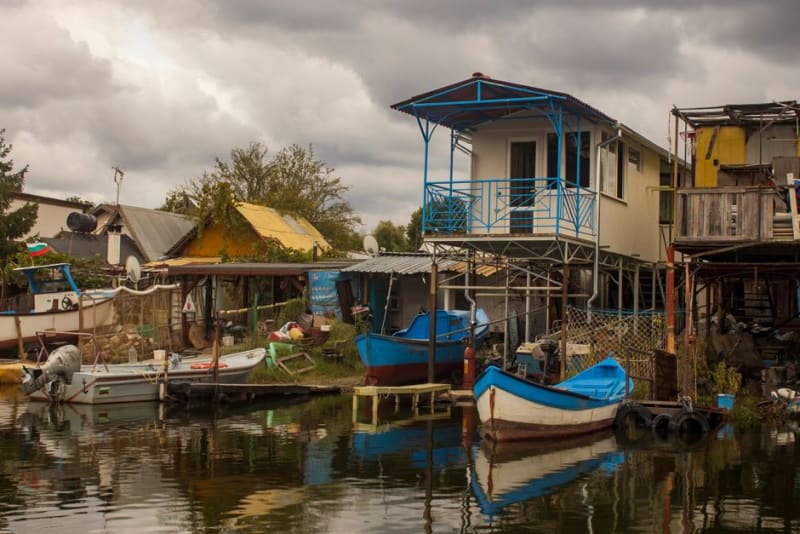 bulgaria
Tsarevo
A former fishing village on the southern Black Sea coast, half resort and half still smelling of nets, backed by the wild Strandzha hills.
Explore bulgaria
Varna
Bulgaria's Black Sea capital carries six thousand years of layered history beneath its beach-town surface, from Thracian gold to Roman thermae to a sea garden that smells of linden blossoms in June.
Explore bulgaria
Veliko Tarnovo
Bulgaria's medieval capital hangs over a horseshoe canyon cut by the Yantra River, its fortress towers catching the last light while crows wheel below them.
Explore