Lençóis
"Diamonds built this town. The waterfalls kept it alive long after the diamonds ran out."
A former 19th-century diamond-mining town of pastel colonial houses, the classic gateway into Chapada Diamantina's waterfalls, canyons, and cave systems.
Lençóis takes its name from the makeshift canvas tents diamond prospectors pitched along the Rio Lençóis in the 1840s, which from a distance apparently resembled bedsheets — lençóis — spread out to dry. The diamond boom that followed built a genuinely handsome town: pastel facades, wrought-iron balconies, a small opera house, all funded by a mineral rush that had mostly burned out by the early 20th century. What’s left is a well-preserved colonial center that functions today as the main gateway into the Chapada Diamantina highlands, and it deserves a day of its own before anyone heads for the trails.
The Old Mining Town
Walking the cobbled streets near Praça Otaviano Alves, past the old Intendência dos Diamantes building where the empire once taxed the local diamond trade, it’s easy to forget this is a town of barely ten thousand people. The scale of the surviving architecture — ornate for its size, clearly built on real money — tells you how much wealth passed through here during the boom decades, and how completely the extraction economy vanished once the diamonds thinned out. Locals now make a living from guiding, pousadas, and small restaurants rather than mining, a transition many former boomtowns never manage.
The River Right Through Town
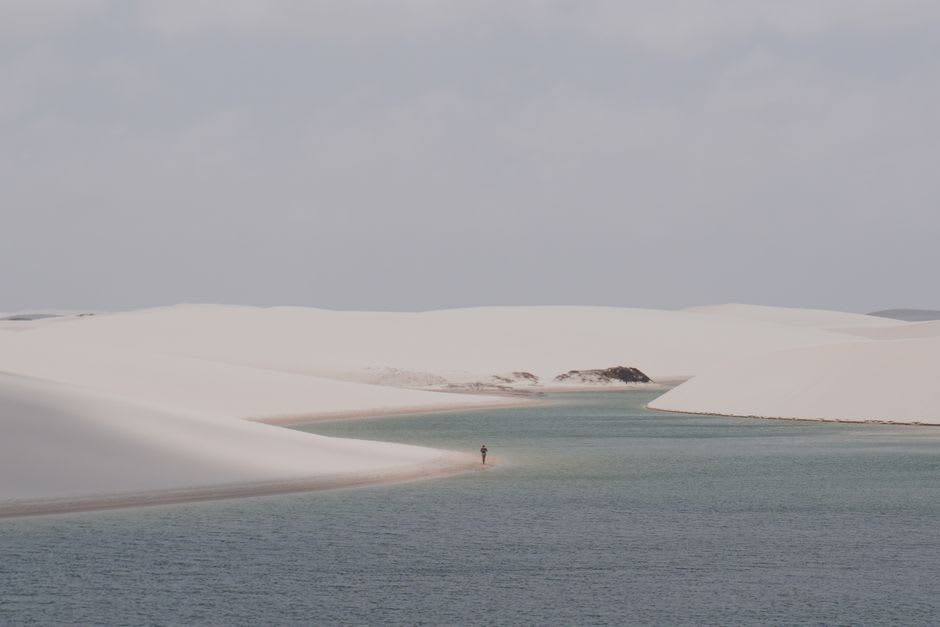
The Rio Lençóis runs directly through the middle of town over smooth, sculpted rock formations, and locals swim in its natural pools within a five-minute walk of the main square — no need to book a tour or drive anywhere. Lia and I spent our first evening exactly there, wading through shallow channels worn glass-smooth by the current, with the pastel town glowing pink behind us in the last light. It’s a rare thing, a town whose signature natural feature runs directly through its own streets.
Staging Ground for the Chapada
Every serious trek into Chapada Diamantina National Park — to the Poço Encantado’s shaft of blue light, the Cachoeira da Fumaça waterfall, the Pai Inácio lookout — starts with a guide booked from a small agency in Lençóis, most of them clustered around the main square. We spent our last morning there simply arranging logistics, and every conversation confirmed the town runs almost entirely in service of the wilderness around it, without losing its own distinct colonial character in the process.
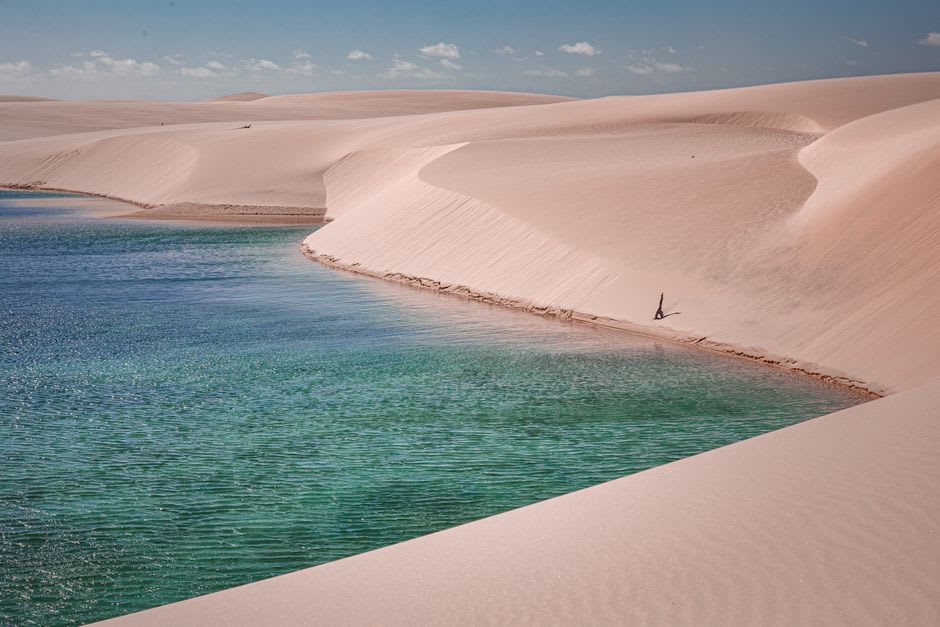
When to go: May through September is dry season, best for hiking and cave visits. December through February brings heavier rain but fuller waterfalls, a real tradeoff depending on what you came to see.
Keep exploring
More from Brazil
 brazil
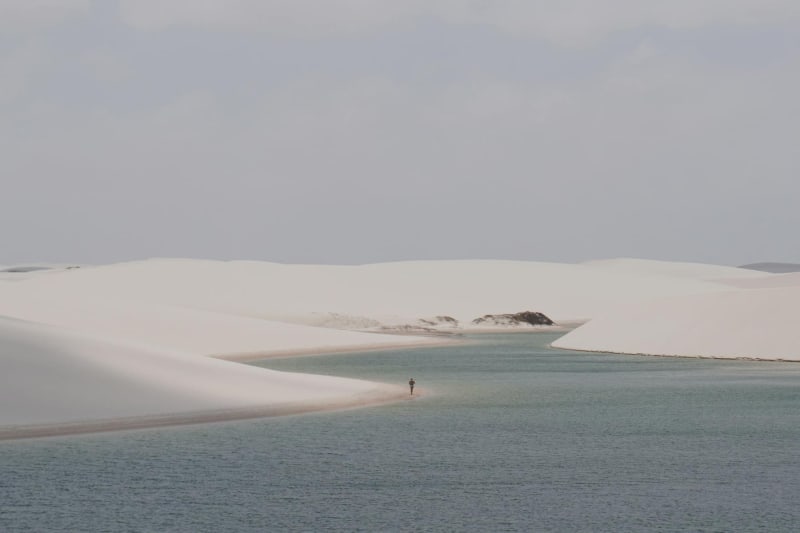
 Lençóis Maranhenses
Endless white dunes filled with turquoise lagoons after the rains — a landscape that should not exist but does.
Explore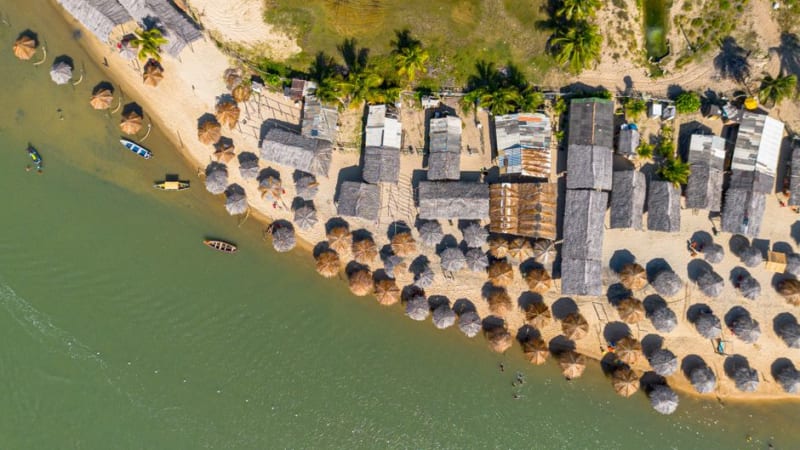 brazil
 Macapá
The only state capital in the world built directly on the Equator, standing with one foot in each hemisphere.
Explore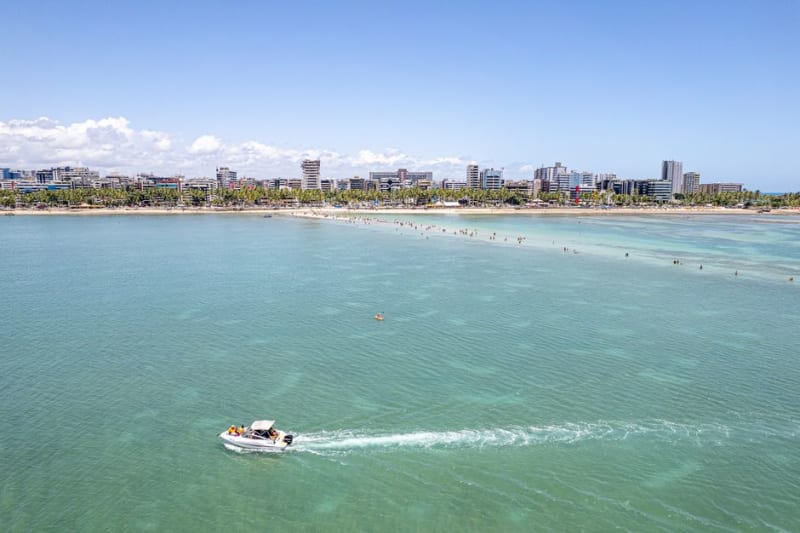 brazil
 Maceio
Alagoas' capital, a city of turquoise reef pools and palm-lined city beaches that earned its nickname, the Caribbean of Brazil.
Explore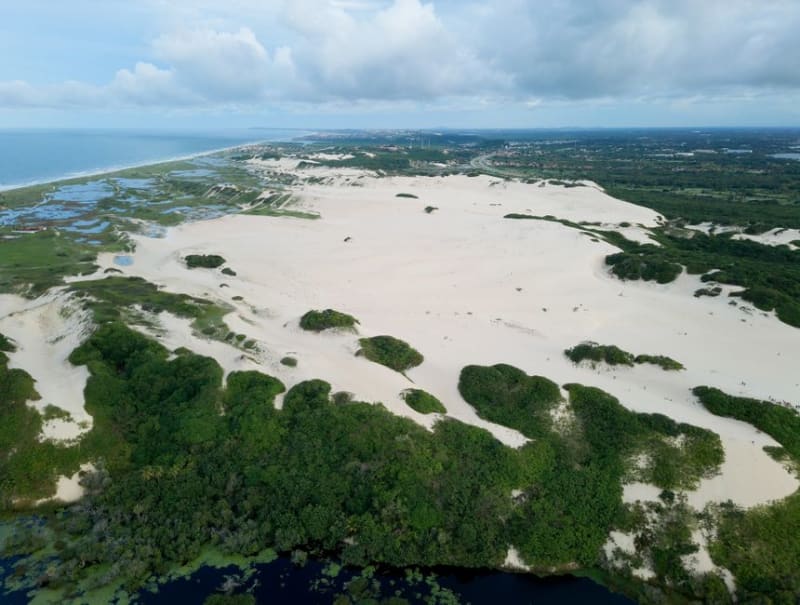 brazil
 Mamirauá Reserve
A flooded forest sanctuary where pink river dolphins surface beside your canoe and conservation actually seems to be working.
Explore brazil
 Manaus
The gateway to the Amazon — a rubber-boom opera house in the jungle and a river system that dwarfs everything you imagined.
Explore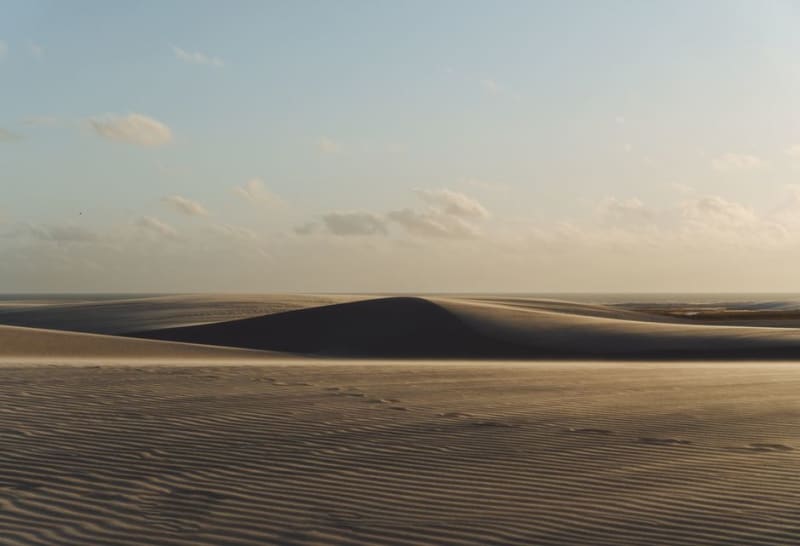 brazil
 Mangue Seco
A remote dune and mangrove fishing village at Bahia's northern edge, reachable only by boat, where white sand dunes meet the Rio Real and time seems to have stopped somewhere in the 1970s.
Explore