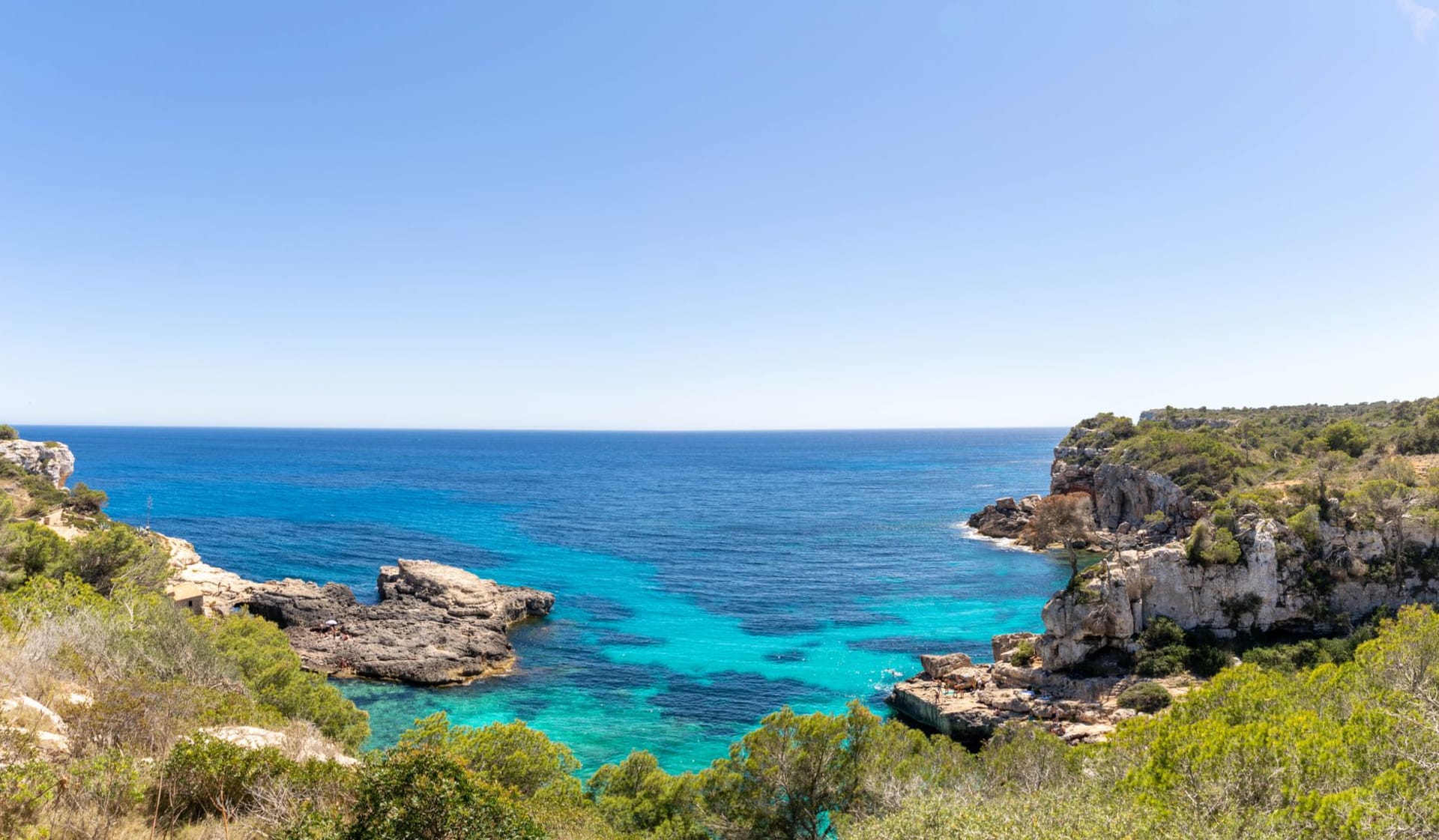
Europe
Balearic Islands
"The Balearics everyone pictures exist. So does the one worth finding."
Four islands sharing the same sea but almost nothing else — Mallorca's mountain villages, Menorca's hidden coves, Ibiza's pine-scented back roads, and Formentera's impossible light.

I arrived in Mallorca in late September, when the charter flights had thinned out and the restaurants no longer needed to be persuaded to seat you. The drive from Palma to the Tramuntana mountains took forty minutes and erased every preconception I’d carried. These are serious mountains — limestone ridges dropping straight into the sea, terraced groves of ancient olive trees, villages of honey-colored stone where the only sound at noon is a dog barking somewhere two hills over. The coast road between Sóller and Deià is one of those drives that makes you slow down involuntarily, not because of the curves but because pulling over every kilometer to stare at the view feels like the only reasonable response.
The archipelago’s genius is its refusal to be consistent. Ibiza, forty minutes away by fast ferry, operates on an entirely different frequency — and I don’t mean the clubs, which have always been only one layer of the island. The interior is pine forest and red-earth tracks, small family restaurants serving grilled fish and alioli to the same tables they’ve served for thirty years. Sant Antoni’s cliffs drop into water so turquoise it looks processed. On Menorca, everything slows further: the island is a UNESCO Biosphere Reserve, and you feel it — prehistoric talaiots standing in fields, caletas accessible only on foot or by kayak, a capital city in Maó where the gin distilleries have been running since the British arrived in the eighteenth century. Formentera I saved for last, a short ferry from Ibiza, and it rewards the sequencing — after the comparative buzz of the other islands, its flat pine landscape and shallow salt-water lagoon feel like the silence you didn’t know you were looking for.
The food ties it together more than the landscape does. Ensaimada in the morning at a Palma bakery, still warm and dusted with sugar — not the airport version, the real one. Sobrassada spread thick on bread in a bar in Ciutadella. Caldereta de llagosta, the Menorcan lobster stew that takes an entire afternoon and costs accordingly. The Balearics sit close enough to mainland Spain to share its instincts but far enough out in the Mediterranean to have developed their own quiet stubbornness about how things should be done.
When to go: May through June and September through October. The islands in July and August are genuinely beautiful and genuinely crowded — the popular beaches on Ibiza and southern Mallorca operate at capacity, and Formentera can feel overwhelmed. September is the sweet spot: the sea is at peak temperature, the light turns golden earlier in the day, and the restaurants are still open but no longer booked solid three weeks out.
What most guides get wrong: They treat the Balearics as a summer beach destination and leave it at that. The Tramuntana mountains in Mallorca alone justify a week. Menorca’s prehistoric landscape — more Bronze Age monuments per square kilometer than almost anywhere in Europe — is overlooked in favor of beach rankings. And Ibiza in October, when the clubs have closed and the island returns to the farmers and fishermen who actually live there, is a completely different proposition from Ibiza in August. Come off-season, go inland, and take the slow ferry instead of the fast one.
Explore
Places in Balearic Islands
 balearic-islands
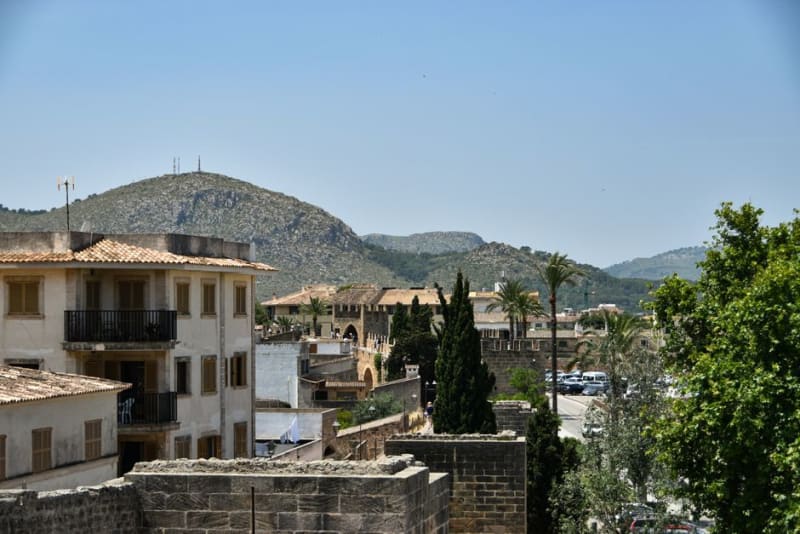
 Alcúdia
A walled Mallorcan town where Roman ruins, medieval gates, and a wetland reserve sit quietly behind the resort strip's noise.
Explore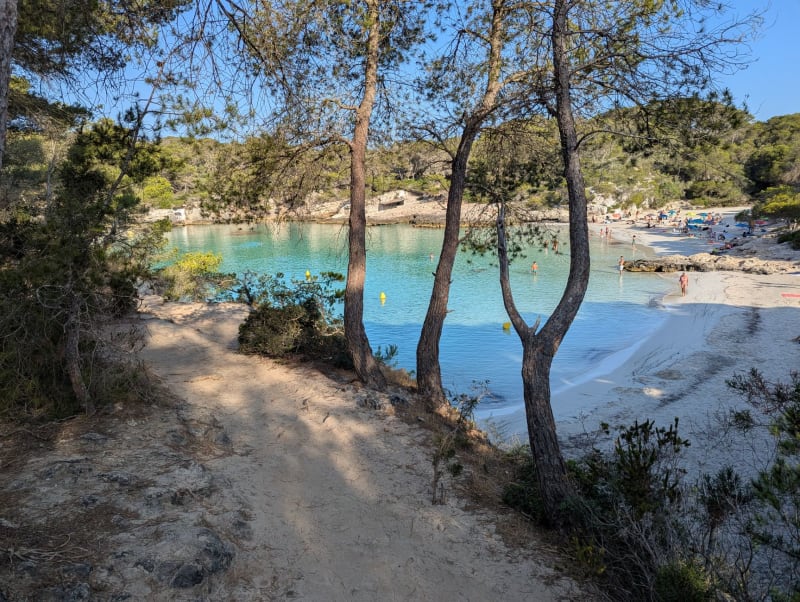 balearic-islands
 Cala Macarella
The cove on Menorca's south coast that all the photographs don't quite prepare you for — turquoise, limestone, pine, and no road that can drive you there directly.
Explore balearic-islands
 Cap de Formentor
Mallorca's sharpest edge — a lighthouse road that hangs between mountain and open sea at the very tip of the island.
Explore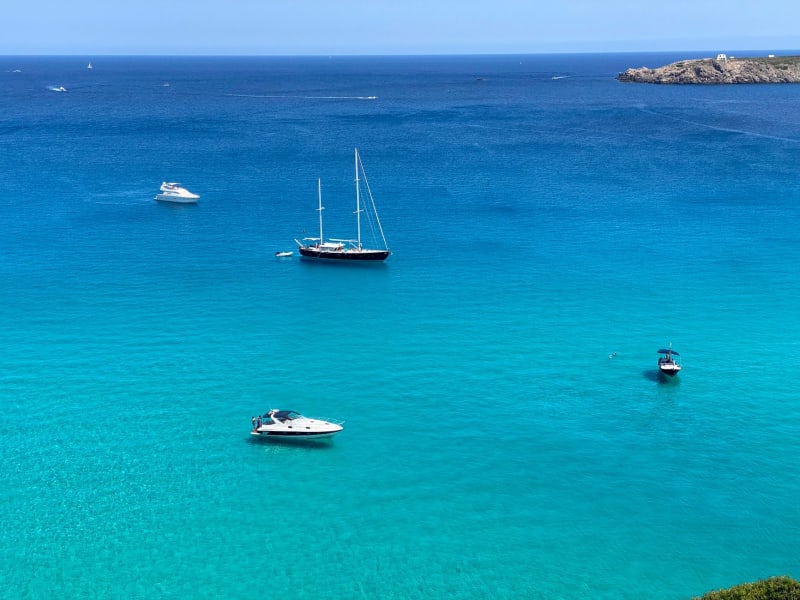 balearic-islands
 Ciutadella de Menorca
Menorca's medieval old capital on the western tip, where the harbor smells of fish and festival horses still gallop through narrow streets each June.
Explore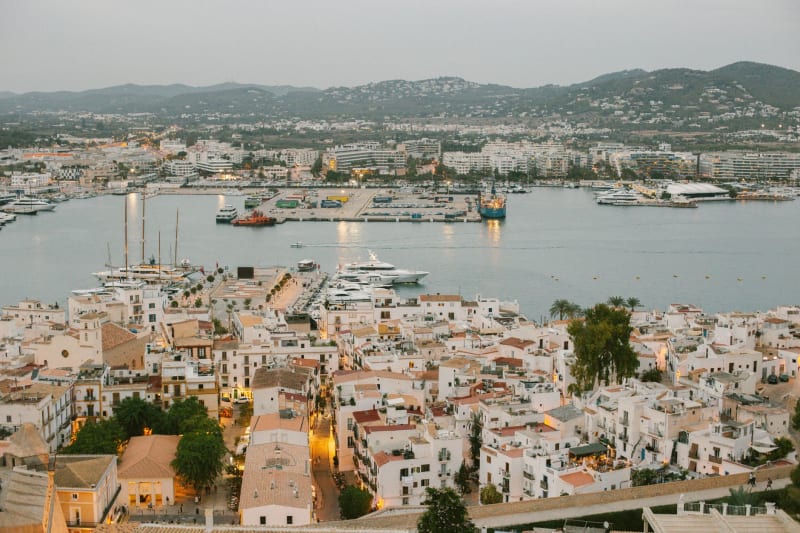 balearic-islands
 Dalt Vila
Ibiza's UNESCO-listed hilltop walled city, built over two millennia of conquests, and still improbably quiet once you pass through the gate.
Explore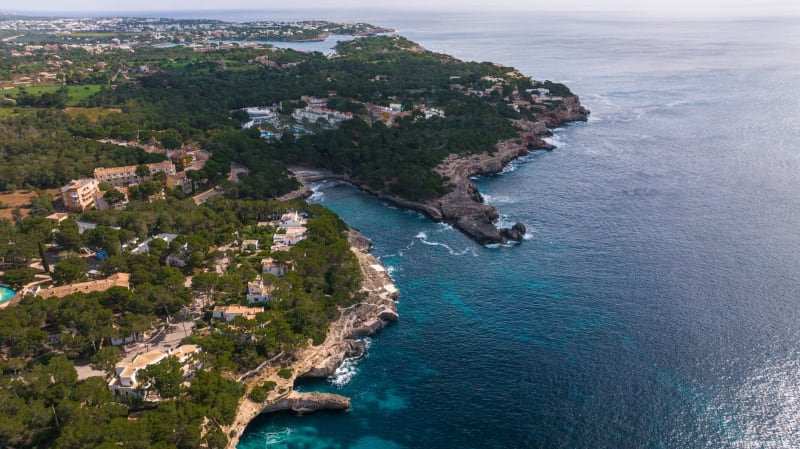 balearic-islands
 Deià
A stone village plastered to a Tramuntana cliff where Robert Graves lived for forty years — and you can still understand exactly why he stayed.
Explore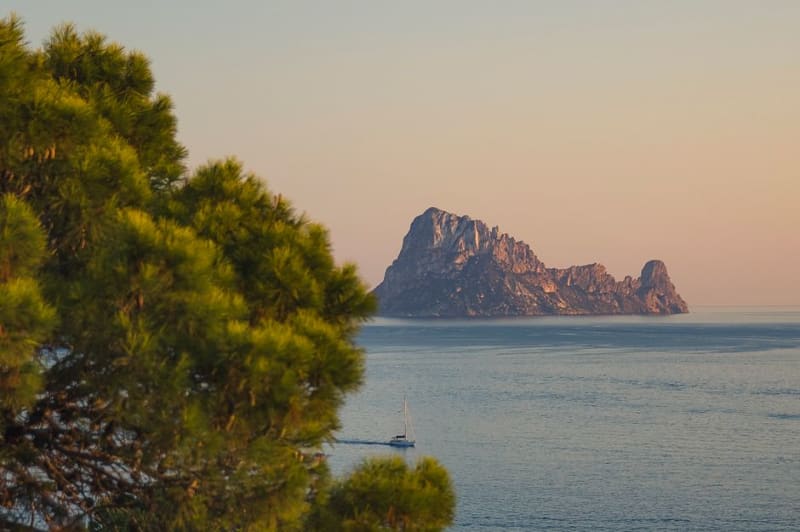 balearic-islands
 Es Vedrà
A 382-meter limestone islet off Ibiza wrapped in myth, falcons, and feral goats, best watched from Cala d'Hort as the sun drops behind it.
Explore balearic-islands
 Formentera
The smallest of the four Balearic islands — flat pine land, a salt lagoon, and light that painters and photographers cannot stop arguing about.
Explore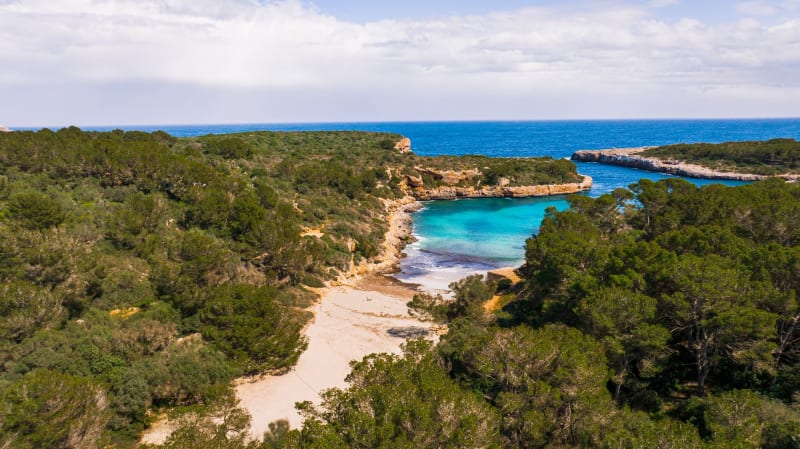 balearic-islands
 Maó
Menorca's capital above the deepest natural harbor in the Mediterranean, where the British left behind a gin tradition the island has not seen fit to abandon.
Explore balearic-islands
 Palma de Mallorca
The Balearics' only real city — a Gothic cathedral, market stalls heaving with sobrassada, and a waterfront finally reclaimed from the traffic.
Explore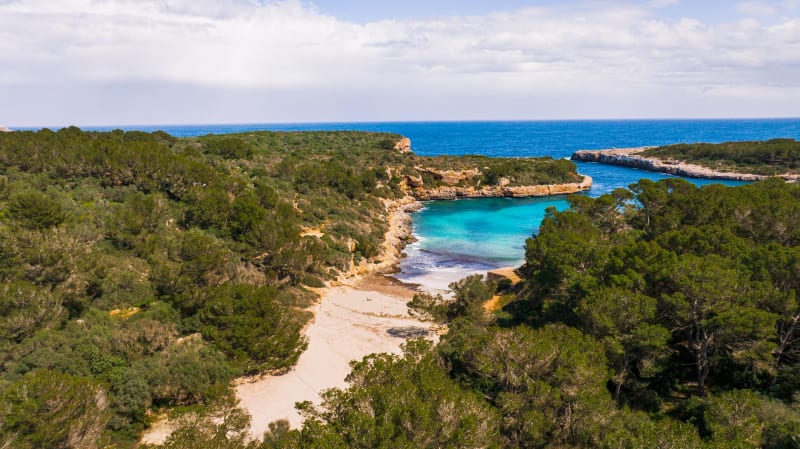 balearic-islands
 Sant Joan de Labritja
The rural north of Ibiza — whitewashed fortified churches, red-earth tracks, and the island's best hippy market still run by the people who invented it.
Explore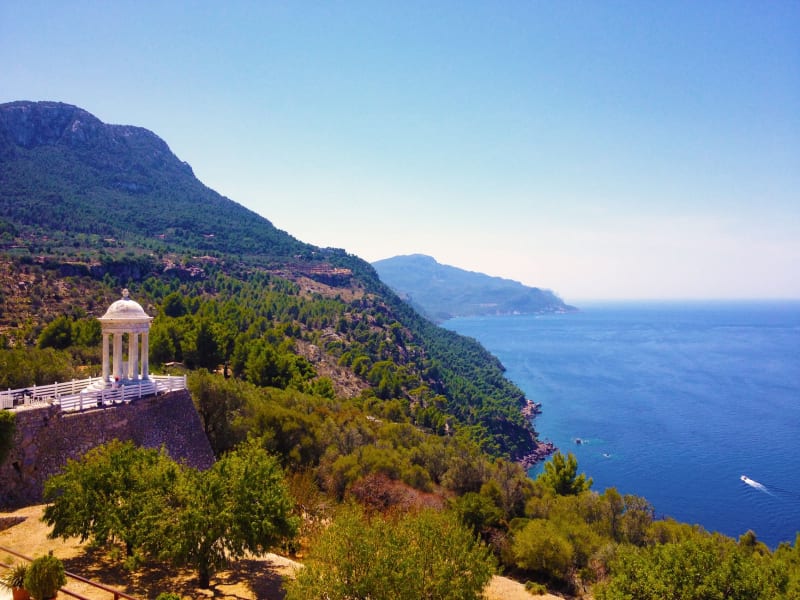 balearic-islands
 Sóller
An orange-growing valley town in the Tramuntana, connected to Palma by a 1912 wooden train that is not a tourist attraction but a functioning line.
Explore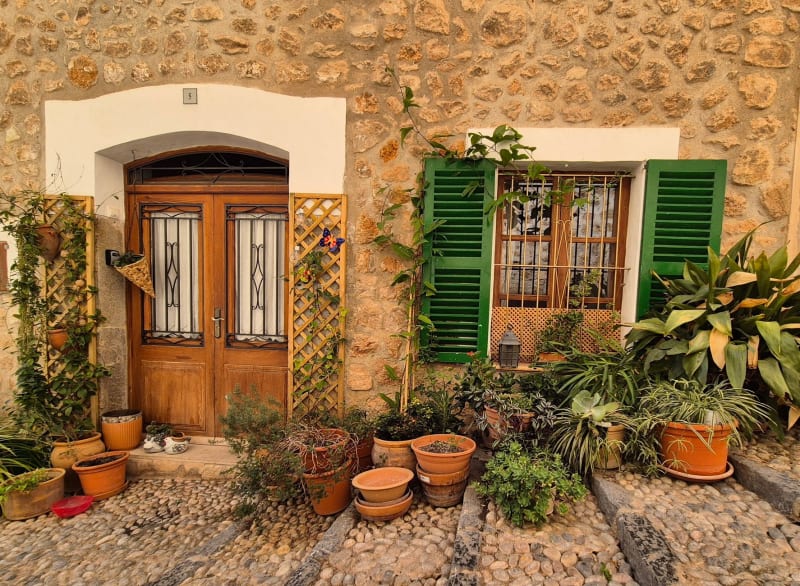 balearic-islands
 Valldemossa
A honey-stoned mountain village in Mallorca's Tramuntana, where Chopin spent one miserable, immortal winter.
Explore