
Cala Macarella
"Some beaches require something of you before they give you anything. Cala Macarella requires twenty minutes on foot."
The cove on Menorca's south coast that all the photographs don't quite prepare you for — turquoise, limestone, pine, and no road that can drive you there directly.

The path to Cala Macarella starts near Ciutadella on Menorca’s south coast and runs through pine forest for twenty minutes before it drops down a staircase cut into the limestone and delivers you, slightly out of breath and smelling of pine sap, to a beach that looks designed rather than geological. White sand. Water the precise turquoise of something you’d call artificial if you hadn’t watched it arrive in shallow waves from what is demonstrably the Mediterranean. Cliffs of pale limestone on three sides, pine trees growing out of the rock face at angles that should be structurally unsound. A bar tucked into a cave in the cliff that operates without electricity and sells cold drinks from coolers.
I arrived in late September on a Tuesday morning, and there were perhaps thirty people on the beach. By noon it had filled to what I’d estimate was capacity — not the capacity of an Ibiza beach, but the capacity of a place that can hold maybe two hundred people without losing its character. In August the path from the parking area disgorges three times that number, and the bar in the cave runs out of things. I know this because the bar owner told me, with the equanimity of someone who has made peace with the situation without exactly endorsing it.
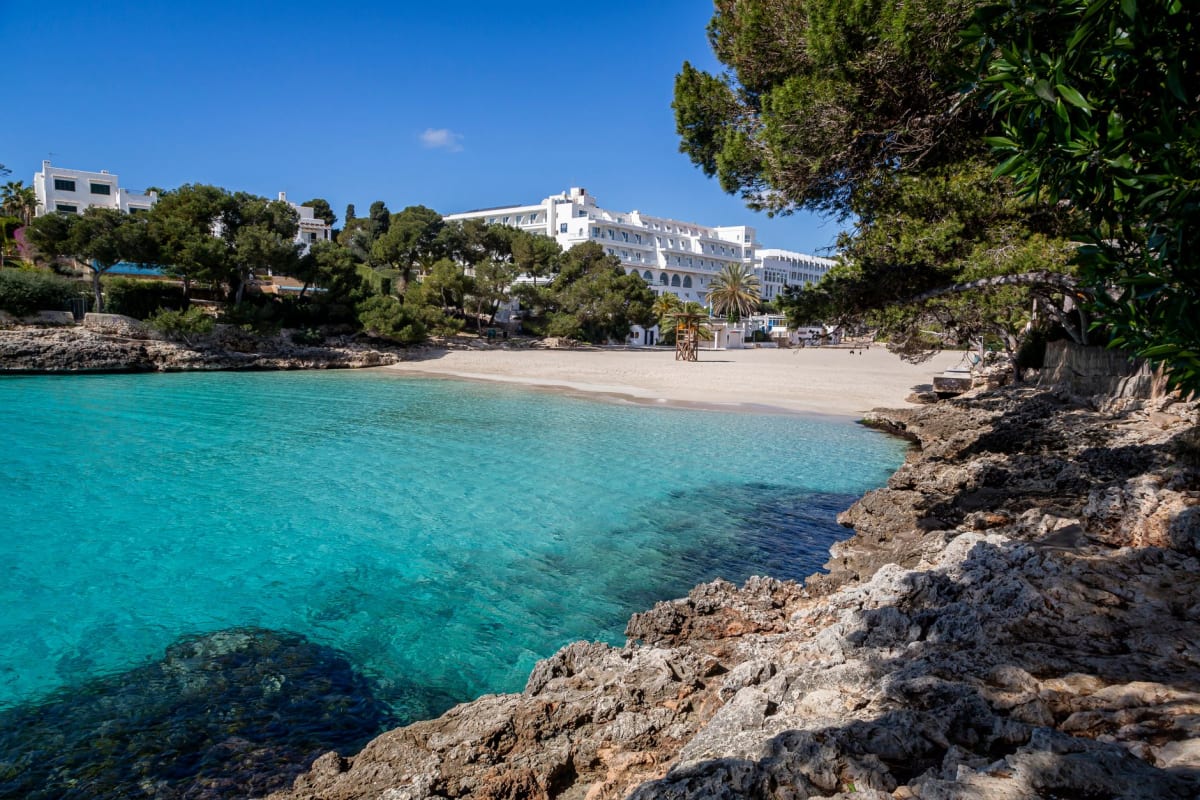
The adjacent cove — Cala Macarelleta, reached by a scramble over the headland that takes another ten minutes — is smaller, sandier at the edges, and in September was occupied by perhaps eight people, at least half of whom had opted for the swimwear minimum that both coves seem to encourage. The water between the two coves, in the inlet where the limestone meets the sea, is particularly clear — you can see the sand bottom at six meters, occasional sea urchins on the rock faces, small fish moving in schools through the gaps in the limestone. I swam the headland both ways and then lay on a flat rock in the sun for an hour and thought about almost nothing, which is a specific achievement on my vacations.
The walk to Cala Macarella connects to the Camí de Cavalls, the ancient horse path that circumnavigates the entire island of Menorca — 185 kilometers of coast trail that has been in continuous use since the medieval period. From Cala Macarella you can walk east along the cliffs to find other coves: Cala Turqueta, Cala des Talaier, each one similar in structure and each managing to feel distinct in atmosphere. The limestone on Menorca’s south coast has been shaped by the sea into forms that repeat but never exactly repeat, and the path moves through them in a way that keeps delivering versions of the same surprise.
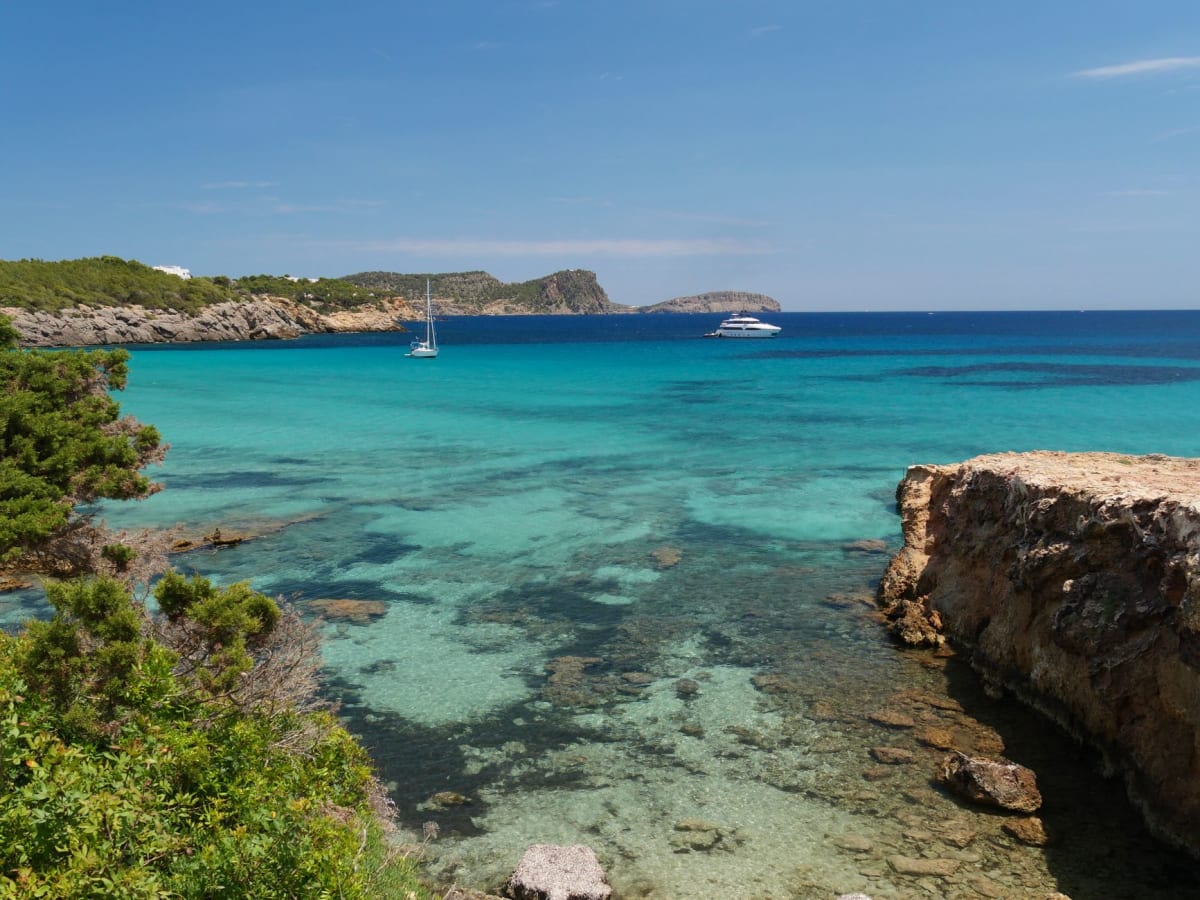
In the cave bar, toward evening when most people had left, the owner made me a coffee and I sat on a wooden chair looking at the cove turning gold as the sun dropped behind the western cliff. A woman at the next table was reading. Two children were making a project of a tide pool near the waterline. The bar cat appeared and made a brief assessment of the available laps and chose neither of us. The light went pink and then orange, and the water stayed turquoise long after it should have been reasonable.
When to go: Late September through October is ideal — the sea is warm, the crowds have thinned, and the path from the Cala Galdana parking area actually moves freely. May and June also work well. Avoid the first two weeks of August entirely, when the beach operates at a level of occupancy that defeats the point of having walked there. The Camí de Cavalls connecting the south coast coves is walkable year-round.
Keep exploring
More from Balearic Islands
 balearic-islands
Cap de Formentor
Mallorca's sharpest edge — a lighthouse road that hangs between mountain and open sea at the very tip of the island.
Explore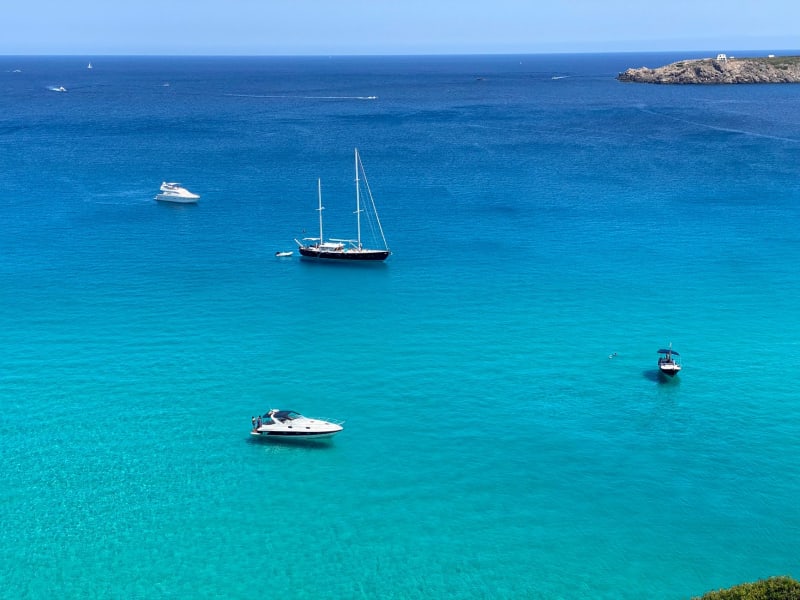 balearic-islands
Ciutadella de Menorca
Menorca's medieval old capital on the western tip, where the harbor smells of fish and festival horses still gallop through narrow streets each June.
Explore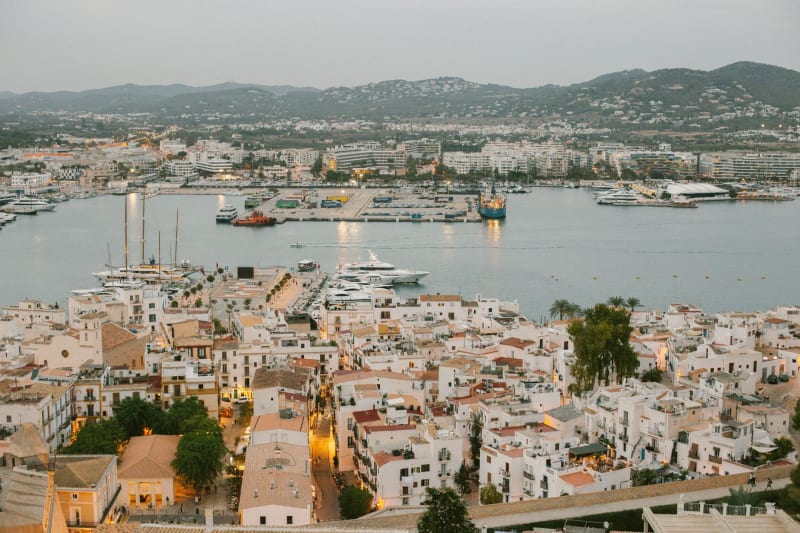 balearic-islands
Dalt Vila
Ibiza's UNESCO-listed hilltop walled city, built over two millennia of conquests, and still improbably quiet once you pass through the gate.
Explore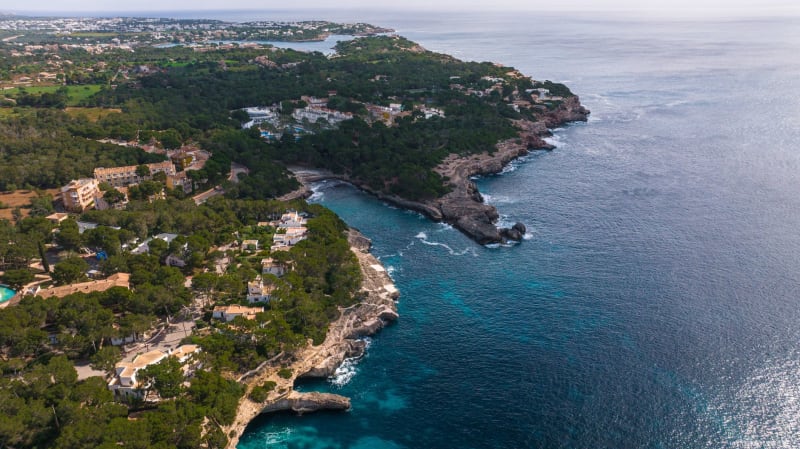 balearic-islands
Deià
A stone village plastered to a Tramuntana cliff where Robert Graves lived for forty years — and you can still understand exactly why he stayed.
Explore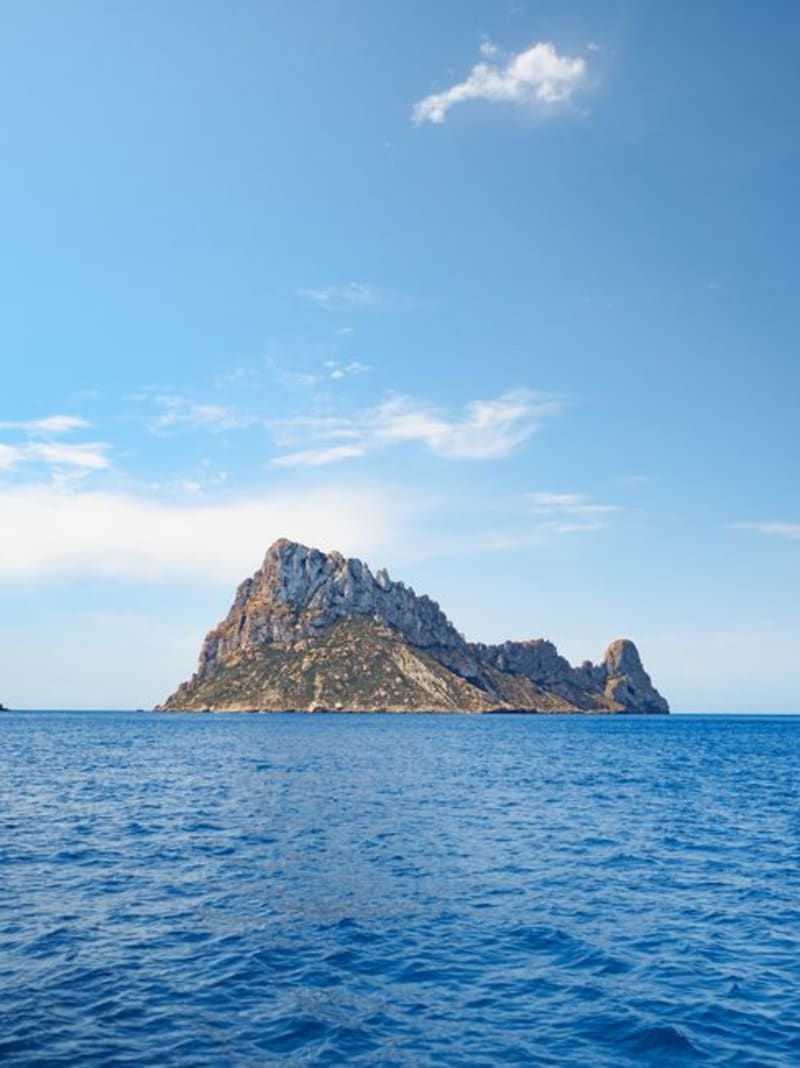 balearic-islands
Es Vedrà
A 382-meter limestone islet off Ibiza wrapped in myth, falcons, and feral goats, best watched from Cala d'Hort as the sun drops behind it.
Explore balearic-islands
Formentera
The smallest of the four Balearic islands — flat pine land, a salt lagoon, and light that painters and photographers cannot stop arguing about.
Explore