Caribbean
Aruba
"The wind never stops. Neither does the light."
A desert island where trade winds never stop blowing, where the sea runs fourteen shades of blue, and where the tourist infrastructure is so efficient it somehow hasn't erased the place.

I landed in Aruba expecting the kind of Caribbean that bores me — polished, predictable, organized around swimsuit shopping and frozen drinks with plastic flamingos. What I got was something stranger and more interesting. The island is a desert. A proper one. Cacti the height of telephone poles, divi-divi trees permanently bent westward by constant trade winds, and soil the color of rust. The contrast with that absurd turquoise sea — visible from nearly everywhere — produces a visual dissonance that I couldn’t shake for the first two days. This is not a lush island. It is an arid one that happens to have water so clear you can count the grains of sand at four meters depth.
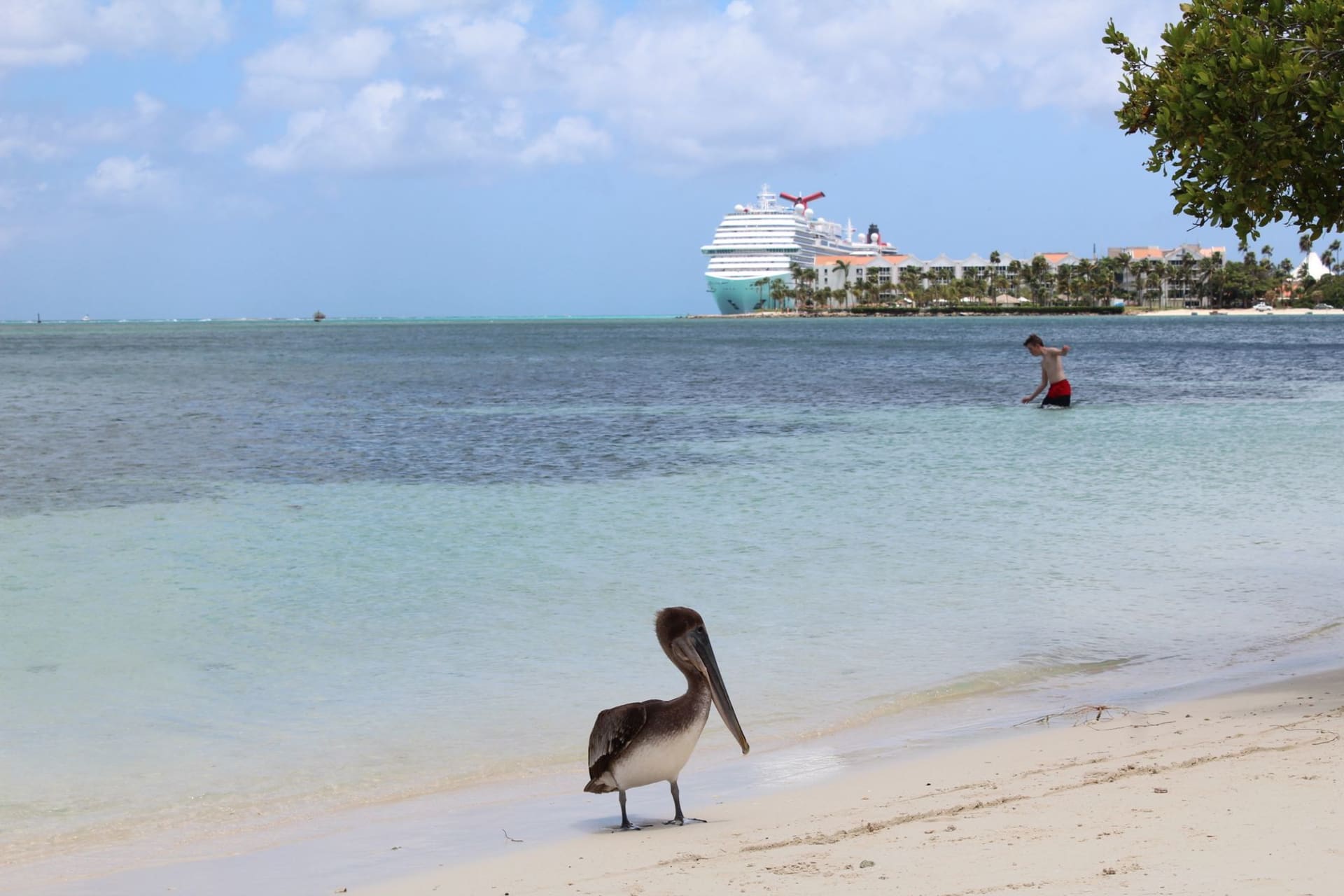
Eagle Beach is where I understood what the fuss is about. Not Palm Beach, the strip that every brochure puts on the cover — Eagle Beach, quieter, wider, without the high-rise shadow. Early morning, before the lounge chairs go out, the sand is almost white and completely empty, and the wind off the Caribbean hits you in the chest. I swam alone for an hour while pelicans worked the shallows nearby. Arikok National Park, which covers roughly eighteen percent of the island, is where the desert character fully asserts itself. Cunucu landscape — flat, thorny, wild — with Arawak cave paintings and wild donkeys that wander the trails with complete indifference. I spent an afternoon there and saw exactly three other people. Aruba draws enormous tourist volume, but almost none of it reaches the interior.
The food is where the island earns my genuine respect. Oranjestad’s smaller restaurants serve keshi yena — a Curaçaoan and Aruban dish of Gouda cheese stuffed with spiced chicken or beef, baked until the cheese melts into something layered and improbable — alongside fish soup heavy with the day’s catch and pastechi, fried pastries filled with meat or cheese that people eat standing up at nine in the morning. The Wilhelmina restaurant, open since before my parents were born, still serves local food to local people. Sit outside, order the fish, drink a Balashi — Aruba’s own beer, brewed from desalinated seawater because fresh water barely exists here — and watch the cruise ship crowd walk past looking for the Hard Rock Cafe. Two Arubas exist simultaneously and neither acknowledges the other.
When to go: Aruba sits outside the hurricane belt, which is its single greatest logistical advantage over most Caribbean destinations. The trade winds keep temperatures between 28 and 32 degrees Celsius year-round. December through April is peak season — slightly drier, more visitors, higher prices. May through November sees marginally higher humidity but the island empties out and the prices drop significantly. There is genuinely no bad time to go; the wind makes even August bearable.
What most guides get wrong: They sell Aruba as a beach-resort island and photograph only Palm Beach, which is beautiful in a Dubai-for-the-Caribbean way. The actual Aruba — the cacti, the cunucu, the painted caves, the roadside stands selling empanadas, the old Dutch architecture in Oranjestad that you see for ten minutes before the cruise groups arrive — that Aruba takes intention to find. Rent a car, not a jeep tour. Go east toward Seroe Colorado and the natural pool. Eat where there is no English menu posted outside. The island rewards the five percent who wander past the beach umbrella line.
Explore
Places in Aruba
 aruba
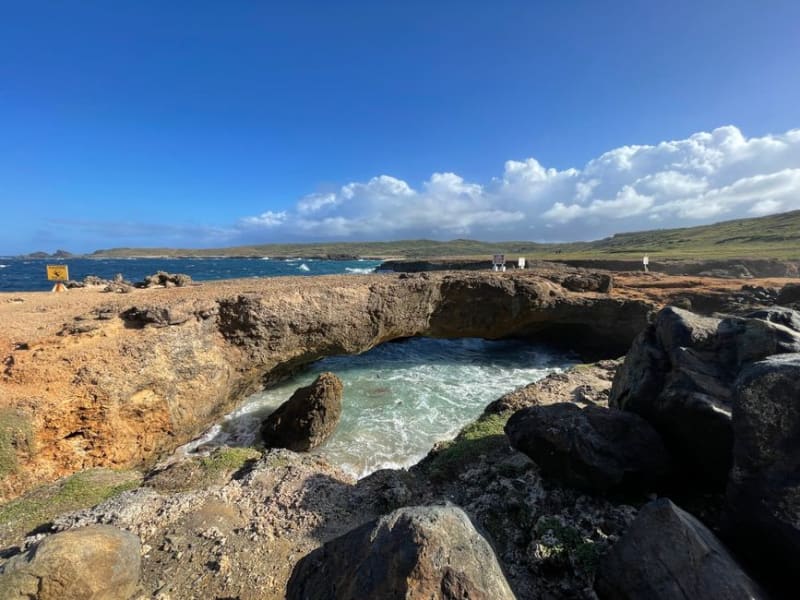
aruba Andicuri Beach
A wild, cliff-backed bay on Aruba's rugged windward coast, close to the natural pool, where the surf is too rough to swim but too beautiful to skip.
Explore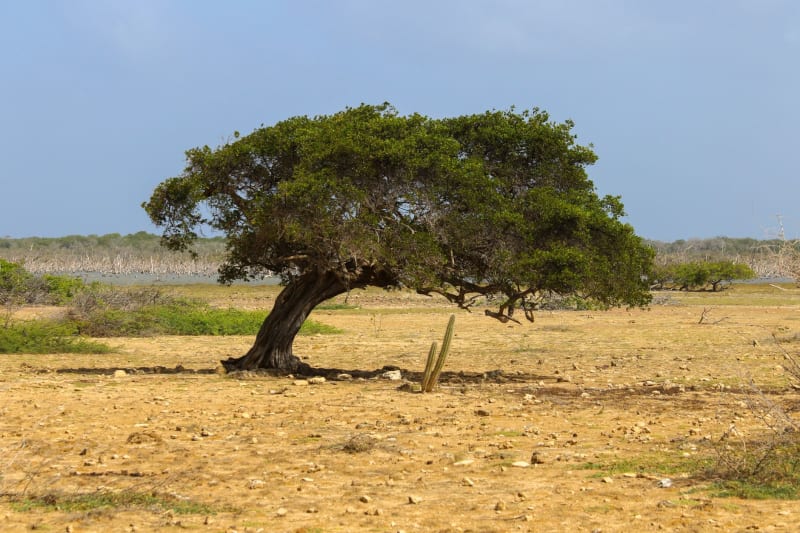 aruba
aruba Arikok National Park
Desert island in the literal sense — eighteen percent of Aruba's land where cacti, donkeys, and Arawak paintings share the same thorny mile.
Explore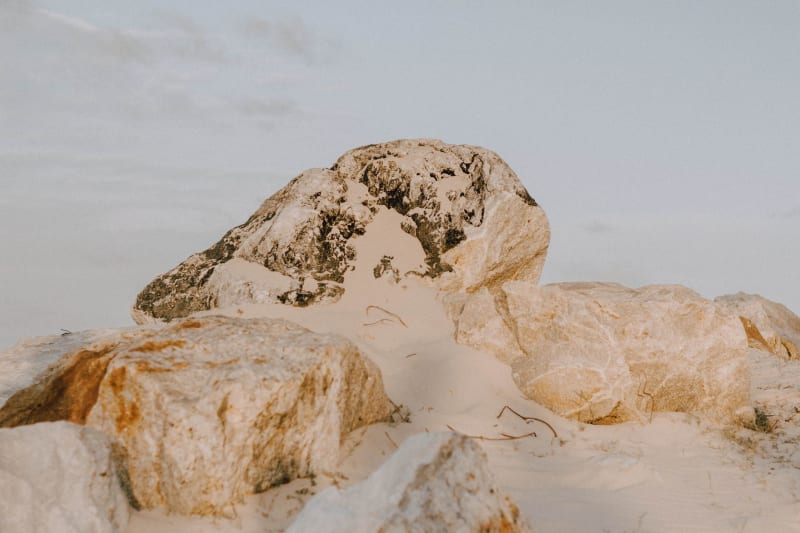 aruba
aruba Ayo Rock Formations
A cluster of giant red boulders in Aruba's arid interior, stacked by no human hand, carved with Arawak petroglyphs and threaded by a short trail through the cactus and divi-divi trees.
Explore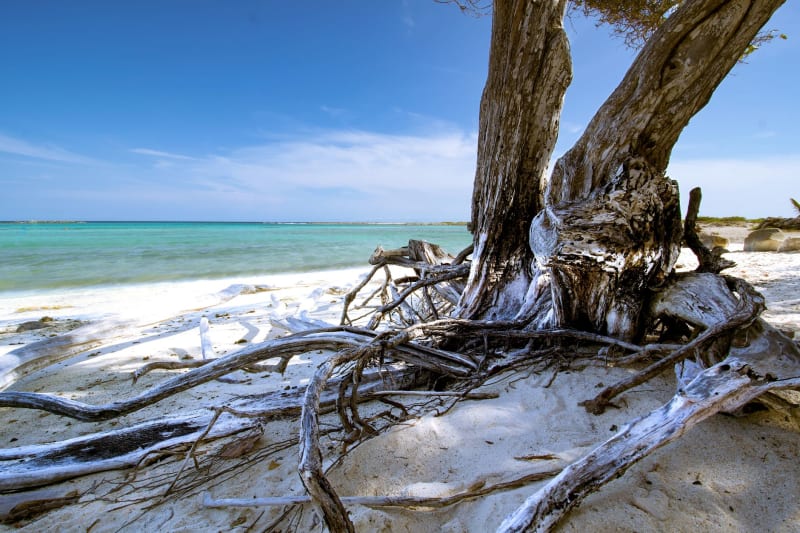 aruba
aruba Baby Beach
A near-circular lagoon of impossibly shallow water in the island's deep south where the Caribbean barely moves.
Explore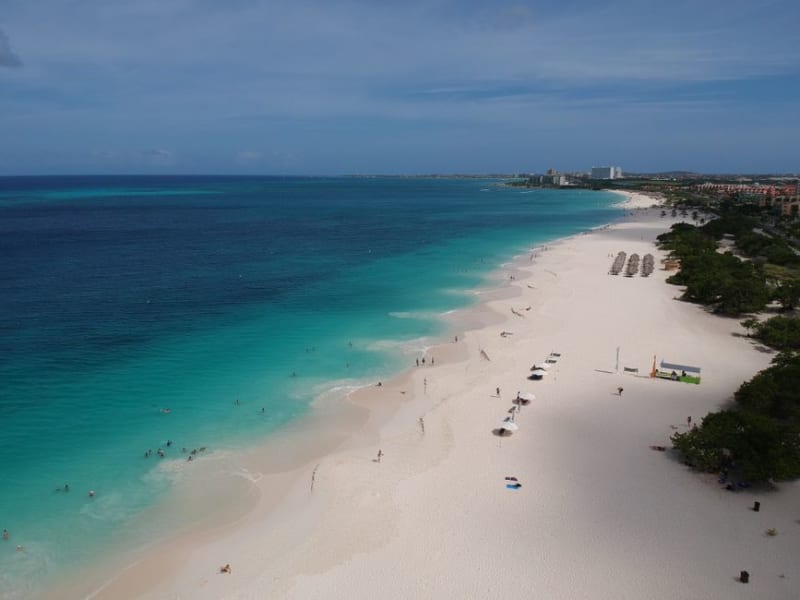 aruba
aruba Boca Catalina
A small, sheltered cove on Aruba's calm northwest coast where clear, shallow water and a short swim to the reef make for effortless snorkeling.
Explore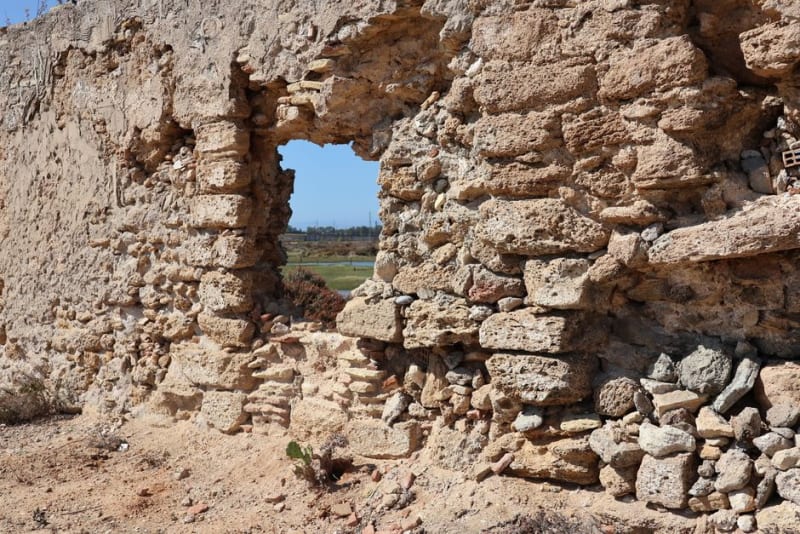 aruba
aruba Bushiribana Ruins
The crumbling stone remains of a 19th-century gold-smelting mill, standing alone on Aruba's windswept northern coast like a small, weathered castle.
Explore aruba
aruba California Lighthouse
The island's northern sentinel — a century-old lighthouse above a wild, reef-broken coast that tour buses reach but never quite tame.
Explore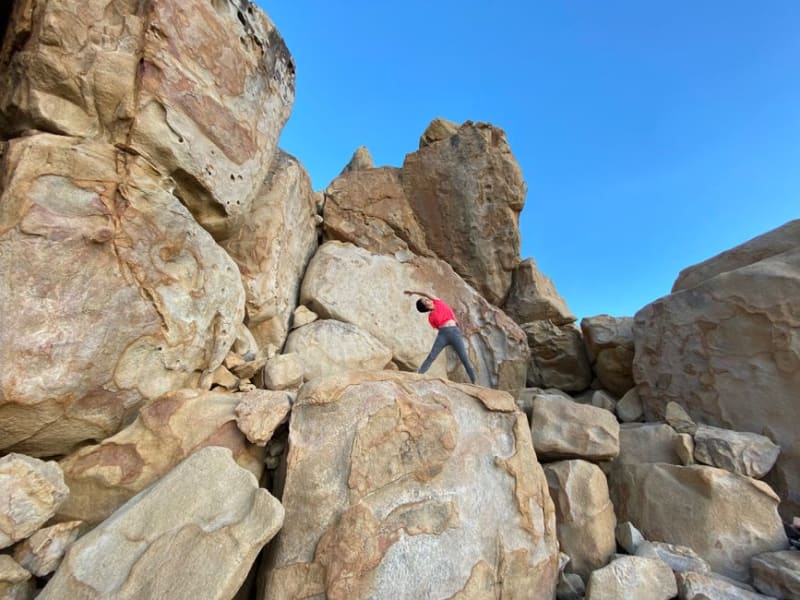 aruba
aruba Casibari Rock Formations
A cluster of massive wind-sculpted boulders rising abruptly from Aruba's flat, cactus-studded desert interior, easy to climb and even easier to underestimate.
Explore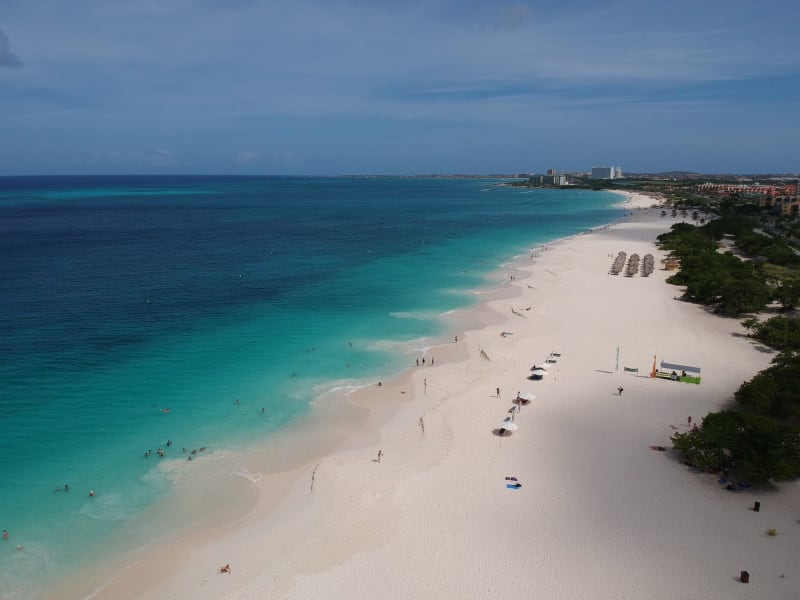 aruba
aruba Eagle Beach
The island's best beach, wide enough that even peak season can't crowd it into submission.
Explore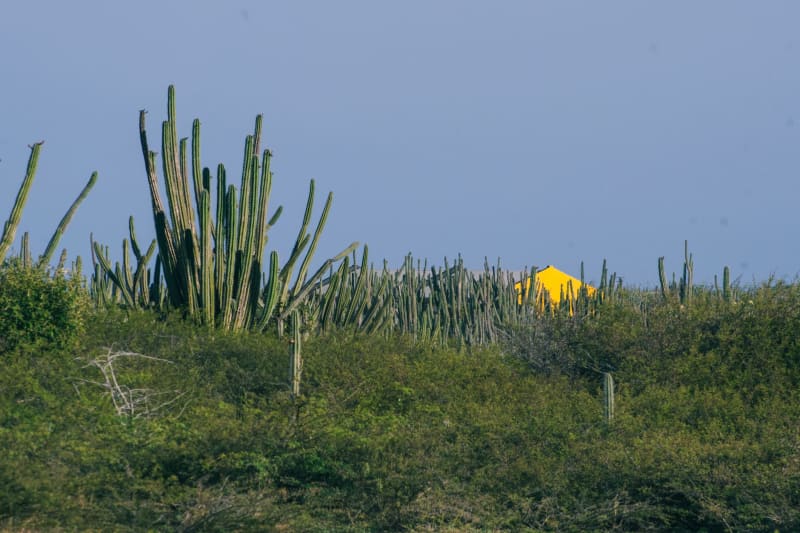 aruba
aruba Hooiberg
A volcanic cone rising from the flat island center — 562 steps to a view that explains the whole geography in one glance.
Explore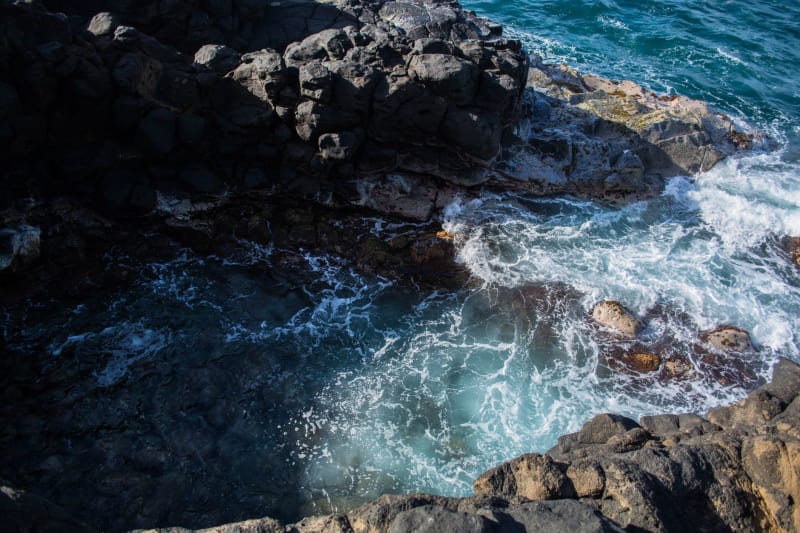 aruba
aruba Natural Pool
A geologically improbable circle of calm water carved into volcanic rock while the Atlantic rages three meters away.
Explore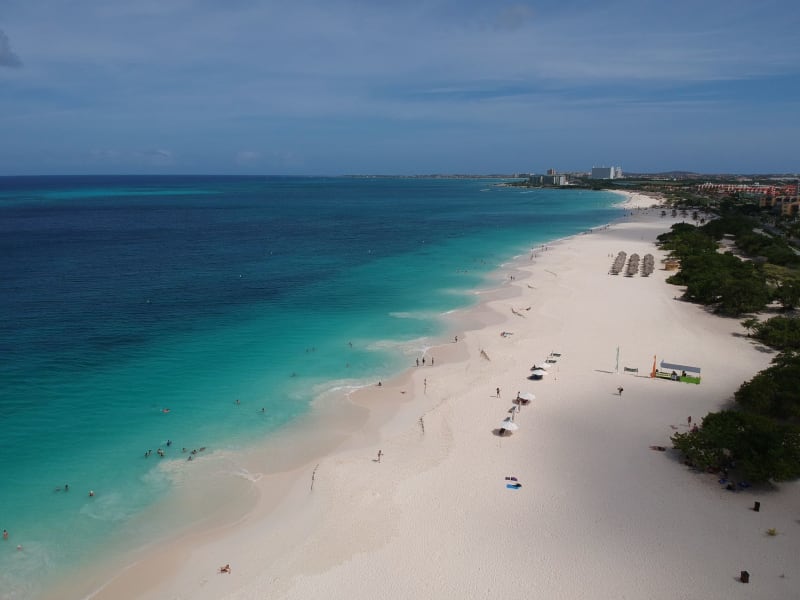 aruba
aruba Noord
A quiet inland district where the island's Catholic heart beats steadily, far from the beach-bar logic of the coast.
Explore aruba
aruba Oranjestad
A small Dutch colonial capital where keshi yena and pastechi coexist with cruise ship crowds who see almost none of it.
Explore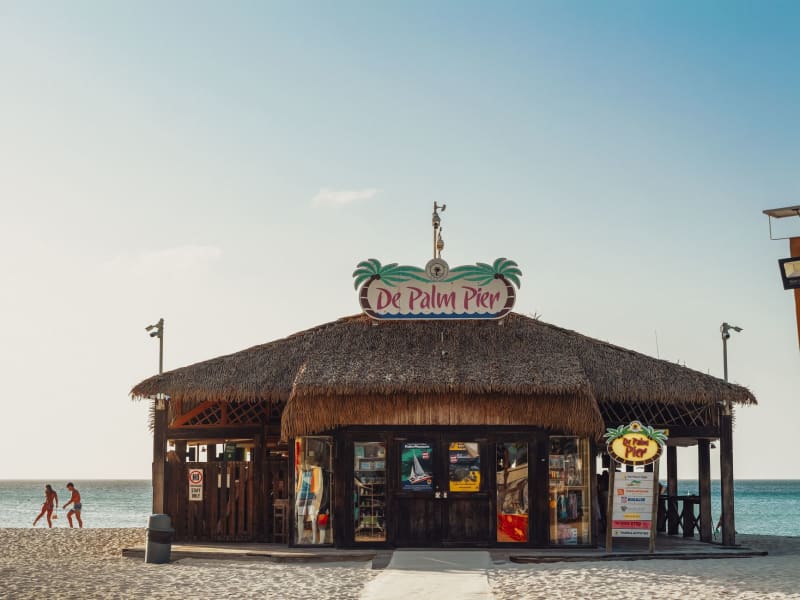 aruba
aruba Palm Beach
Aruba's main resort strip — loud, high-rise, and impossible to resist once you surrender to its logic.
Explore aruba
aruba San Nicolas
Aruba's second city and its most honest one — a refinery town turned mural district that doesn't need your approval.
Explore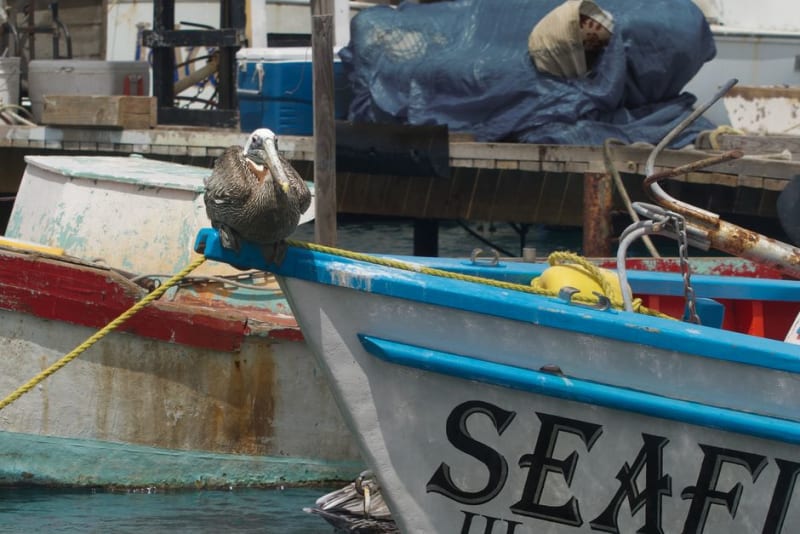 aruba
aruba Savaneta
Aruba's oldest settlement, a quiet fishing village on the south coast that predates Oranjestad and still moves at its own unhurried pace.
Explore