Savaneta
"We ordered fish straight off a boat that had docked twenty minutes earlier and ate it at a plastic table with our feet basically in the water."
Aruba's oldest settlement, a quiet fishing village on the south coast that predates Oranjestad and still moves at its own unhurried pace.

Savaneta surprised me the first time I drove through it, mostly because I almost didn’t notice it. It’s strung along a single road on the south coast, a scatter of low pastel houses, boat docks, and a couple of unassuming seafood shacks, with none of the announced-arrival feeling of Oranjestad or the resort strip up north. That’s the whole appeal. Before Oranjestad became the capital in the 1700s, Savaneta was it — the island’s original town, chosen because the calm southern coast made a natural anchorage. You feel that history less in any specific monument and more in the layout: everything faces the water, like it’s still primarily a fishing settlement that happens to have a road running through it.
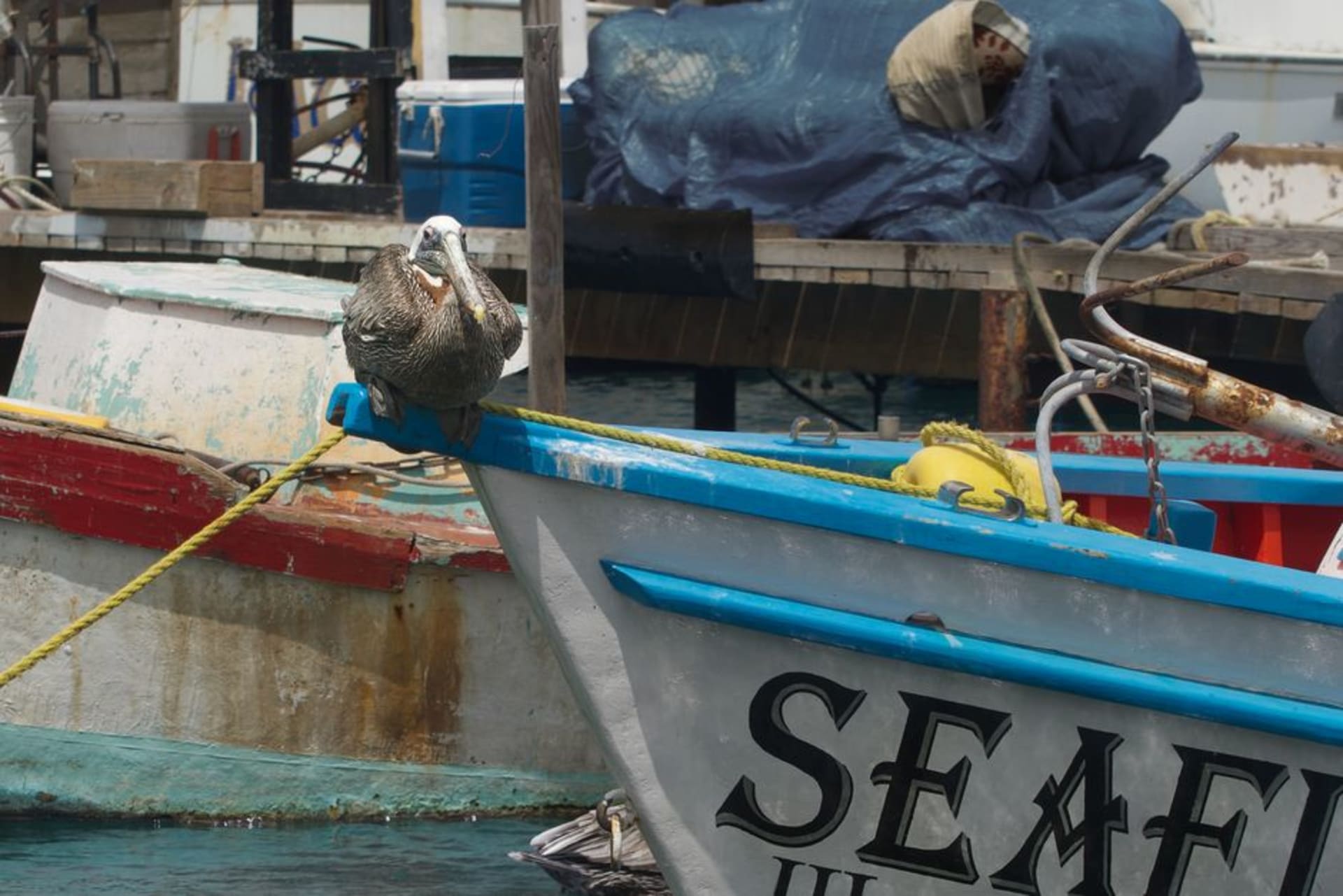
We came for lunch on Lia’s recommendation — she’d read about Zeerovers, the open-air seafood spot where they weigh whatever the boats brought in that day and fry it up on the spot. It lived up to the hype in the least fussy way possible: paper plates, plastic chairs on a dock, and fish so fresh it barely needed the batter. We watched a pelican work the water beside the tables the whole meal, clearly used to scraps. It’s touristy now in the sense that everyone knows about it, but it hasn’t changed its format to match — you still order at a counter and wait for your number.

Past the restaurant, though, Savaneta empties out fast. We walked along the shoreline road for maybe twenty minutes and passed maybe three other people, all locals going about ordinary errands. There are a few unmarked historical spots if you look — the site of Fort Blanchard’s earlier predecessor structures, some of the oldest houses on the island — but nothing is signposted or fussed over. It’s not a place built for a checklist visit; it’s a place you drift through, and it rewards that drifting more than it rewards a plan.

What stayed with me afterward wasn’t any single sight but the pace — the sense that Savaneta simply hasn’t reorganized itself around visitors the way most of the coast has. Kids were fishing off a dock with hand lines. An older man was repainting his boat’s hull a bright, unnecessary blue. Nobody was selling us anything beyond the fish we’d already ordered.
When to go: Midday for the freshest catch at the waterfront restaurants, or early evening for a quiet walk when the light goes soft over the harbor.
Keep exploring
More from Aruba
 aruba
aruba Seroe Colorado
The island's quiet southeastern corner, where a former oil-company town ends and the wild Atlantic coast begins.
Explore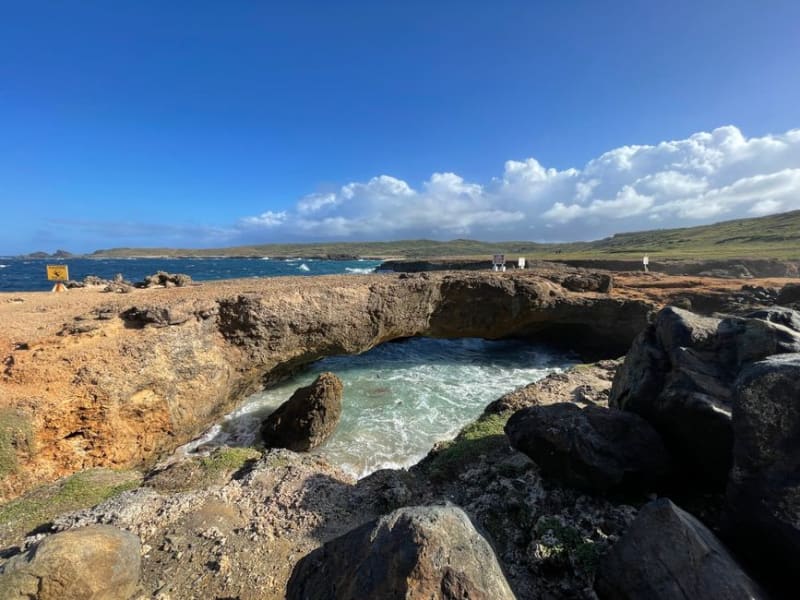 aruba
aruba Andicuri Beach
A wild, cliff-backed bay on Aruba's rugged windward coast, close to the natural pool, where the surf is too rough to swim but too beautiful to skip.
Explore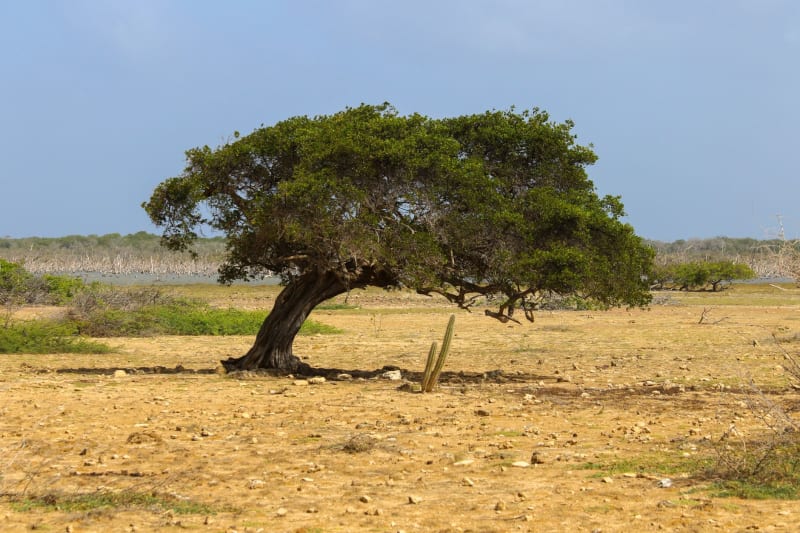 aruba
aruba Arikok National Park
Desert island in the literal sense — eighteen percent of Aruba's land where cacti, donkeys, and Arawak paintings share the same thorny mile.
Explore aruba
aruba Ayo Rock Formations
A cluster of giant red boulders in Aruba's arid interior, stacked by no human hand, carved with Arawak petroglyphs and threaded by a short trail through the cactus and divi-divi trees.
Explore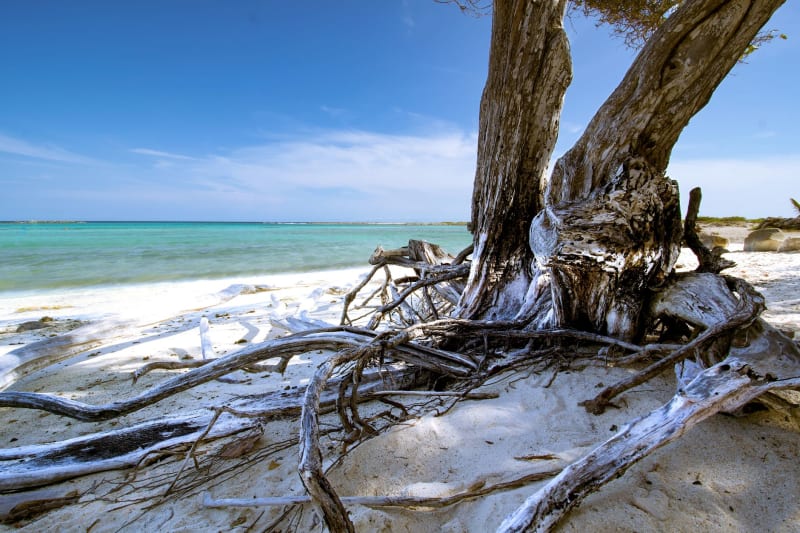 aruba
aruba Baby Beach
A near-circular lagoon of impossibly shallow water in the island's deep south where the Caribbean barely moves.
Explore aruba
aruba Boca Catalina
A small, sheltered cove on Aruba's calm northwest coast where clear, shallow water and a short swim to the reef make for effortless snorkeling.
Explore