Timgad
"Rome's most complete provincial city, preserved not in a museum but in the open Algerian air, where the wind comes through unobstructed."
A Roman garrison city buried under sand for a millennium, now emerging from the Aurès mountains in extraordinary, disorienting completeness.

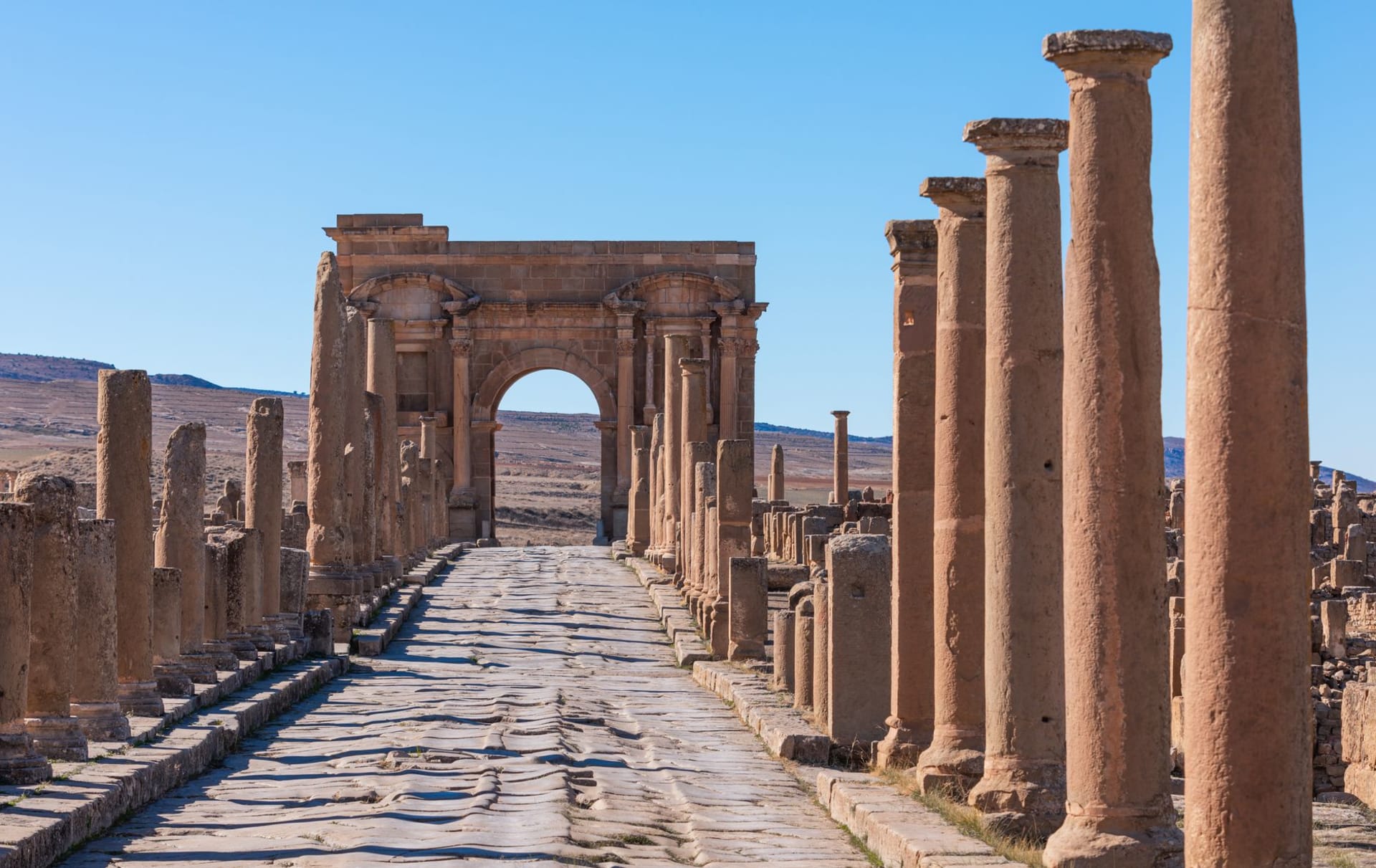
I drove up into the Aurès mountains from Batna on a morning when the air had a chill that the sun couldn’t quite overcome. The road climbed through pine forests and rock villages before the plateau opened out and, abruptly, there it was: the Arch of Trajan, twelve meters of carved triumphal stonework, standing intact in the middle of what looked like nowhere. Behind it, stretching toward the horizon, the grid of a Roman city emerged from the ground in almost surreal completeness — the same straight streets, forum, theater, libraries, and baths that a Roman garrison soldier would have walked in 100 AD, when Timgad was a living city of fifteen thousand people who expected it to last forever.
Timgad was founded by Emperor Trajan in 100 AD as a settlement for retired legionaries — a reward and a garrison simultaneously, the classic Roman solution. It was burned by Berber tribes in the fifth century, then buried by drifting sand for over a thousand years, which is the reason it’s so intact. When French archaeologists began excavating in 1880, they found the city nearly complete under the desert soil — columns still standing, mosaic floors still in place, the public latrines still recognizable as latrines, with their stone seating still in position over the drainage channel below. The result is the best-preserved Roman provincial city outside Italy, in a country that almost no one visits.
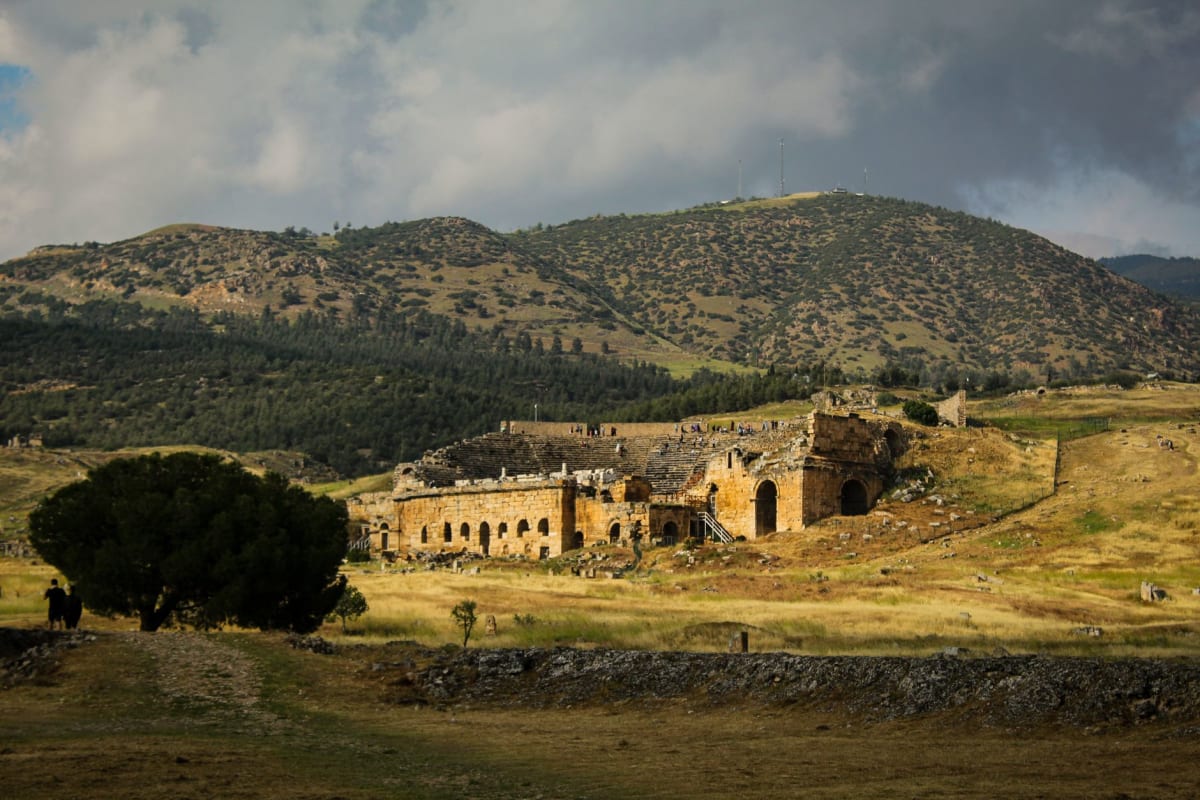
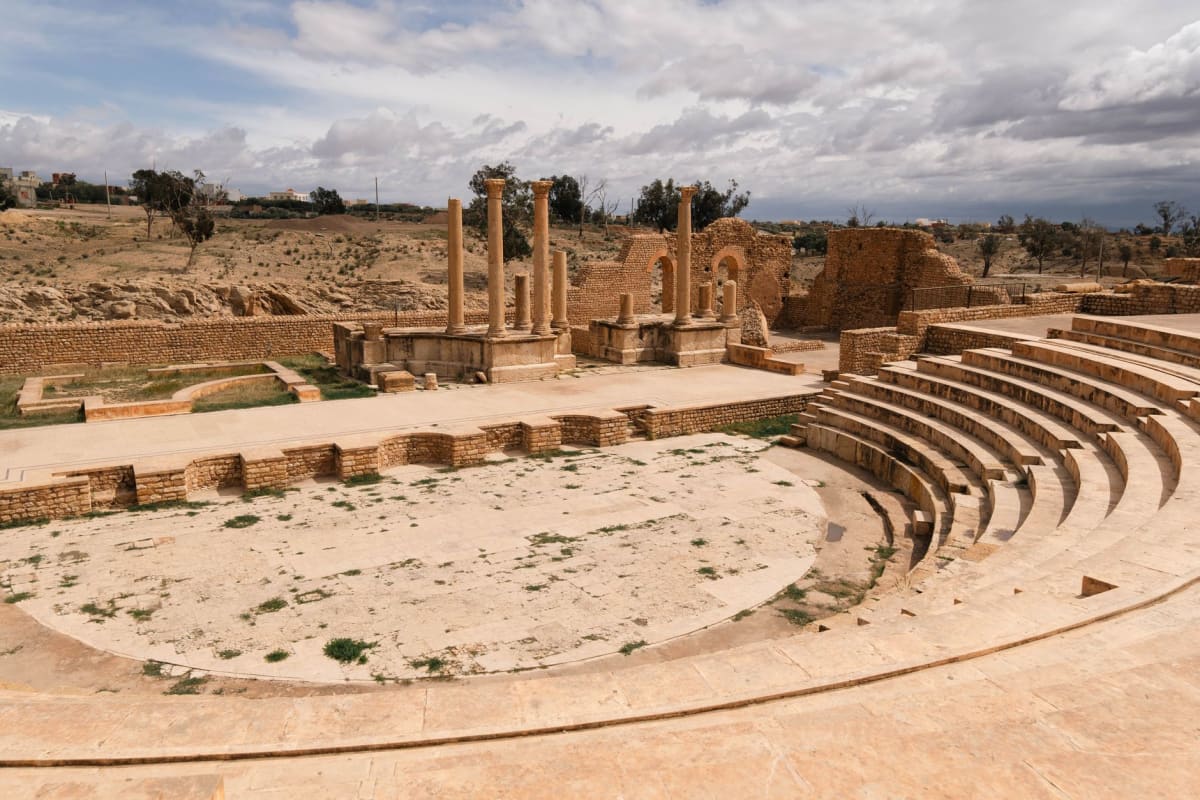
I walked the cardo maximus — the main north-south street — from one end to the other. The stones underfoot are original, polished smooth first by Roman sandals and then by fifteen hundred years of absolute stillness. The wheel ruts from carts are still cut into the paving stones at the forum entrance, a few centimeters deep, testimony to the volume of traffic that once moved through here daily. I stood in the theater, which seats 3,500 and has a stage backdrop three stories high, and spoke in a normal voice from the center of the stage. My words came back to me from the far seats. The acoustics are still perfect. The engineers who designed this space in the second century understood things about sound and stone that we spent centuries rediscovering.
The small museum at the site holds the mosaics removed for protection — hunting scenes, geometric patterns, portraits of wealthy citizens in their best tunics, all in tiny tesserae. A mosaic of a woman holding a mirror, her face rendered with particular care and psychological presence, struck me as something that should be in every conversation about Roman portraiture and isn’t, because it’s in Algeria, ninety kilometers from the nearest city most people outside the country have heard of.
When to go: April through June and September through November. The Aurès plateau sits at 1,000 meters, which keeps temperatures moderate even in summer, but spring and autumn bring the best light and the most comfortable walking. Crowds at Timgad are never actually a problem — the site is large and unhurried, and on a weekday in October you may have it almost entirely to yourself.
Keep exploring
More from Algeria
 algeria
 Timimoun
The red oasis of the Gourara, where ochre Sudanese walls glow above date palms and an ancient web of underground channels keeps the desert alive.
Explore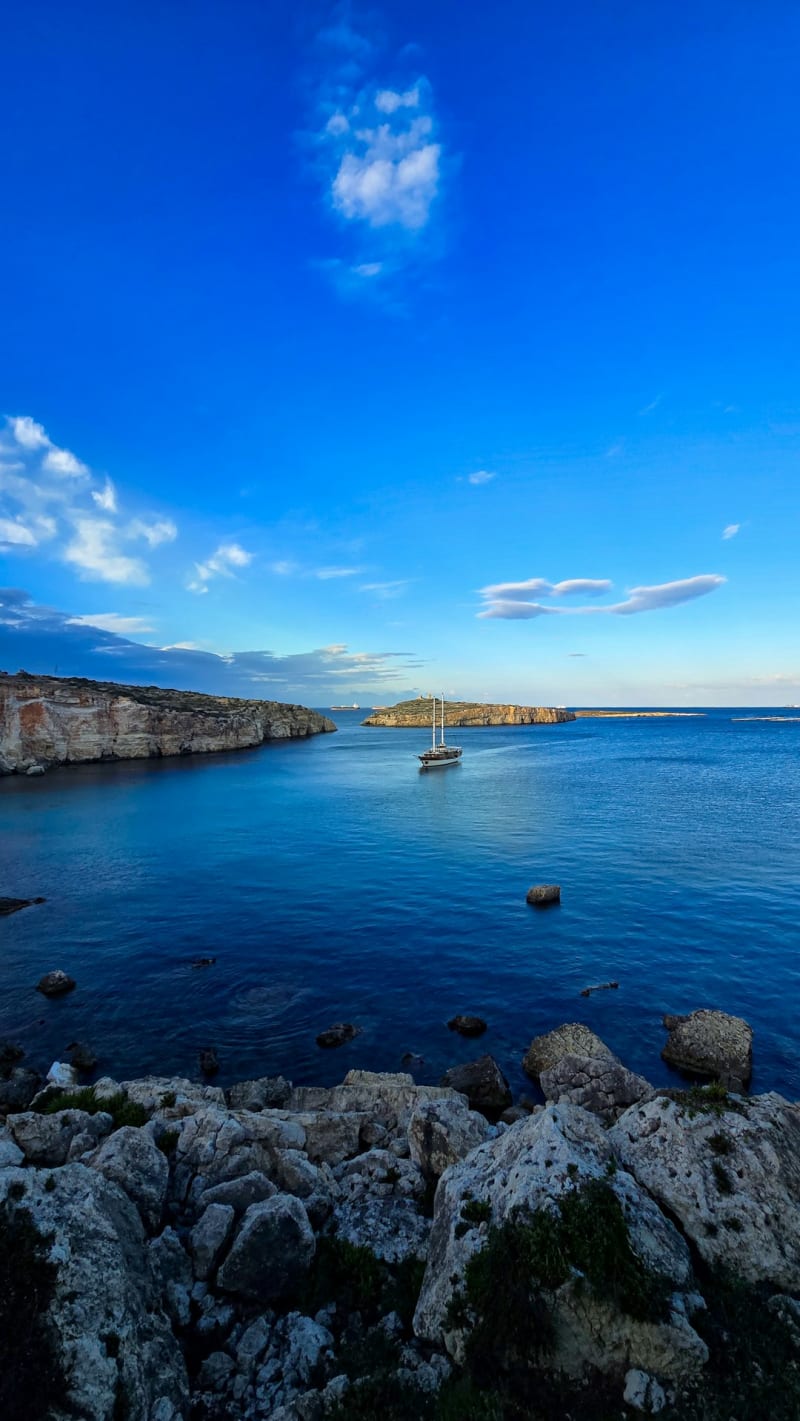 algeria
 Tipaza
A Roman ruin field tumbling into the Mediterranean, where wildflowers grow through broken columns and Camus once found his happiness.
Explore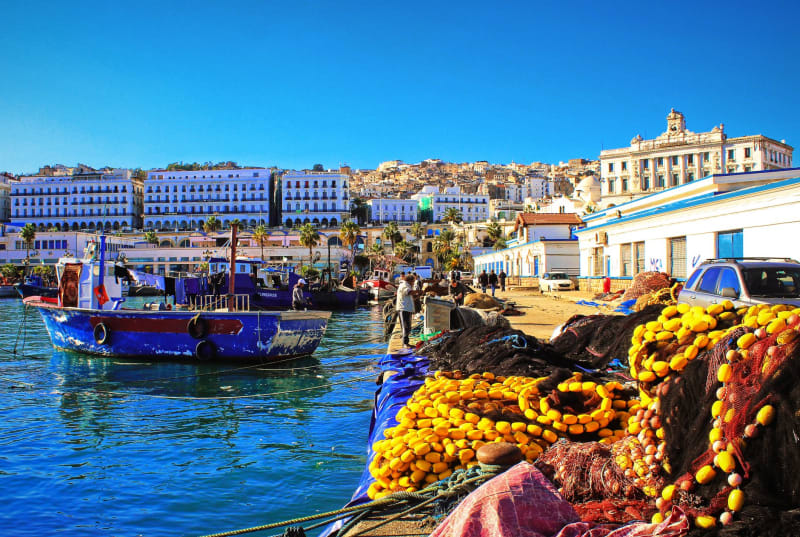 algeria
 Algiers Casbah
A UNESCO-listed Ottoman labyrinth of whitewashed alleys cascading down to the Mediterranean, almost impossibly alive.
Explore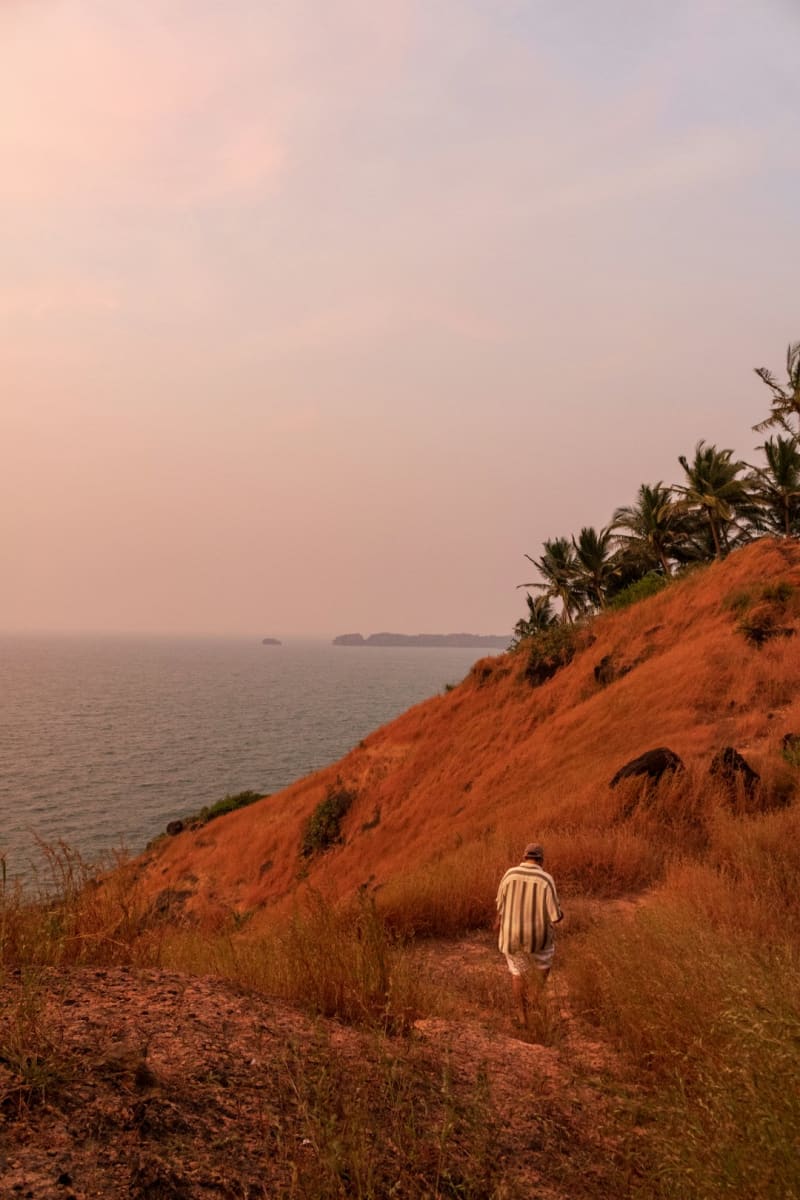 algeria
 Annaba
A Mediterranean port city where Saint Augustine once preached, its Roman ruins and hilltop basilica overlooking the sea near the Tunisian border.
Explore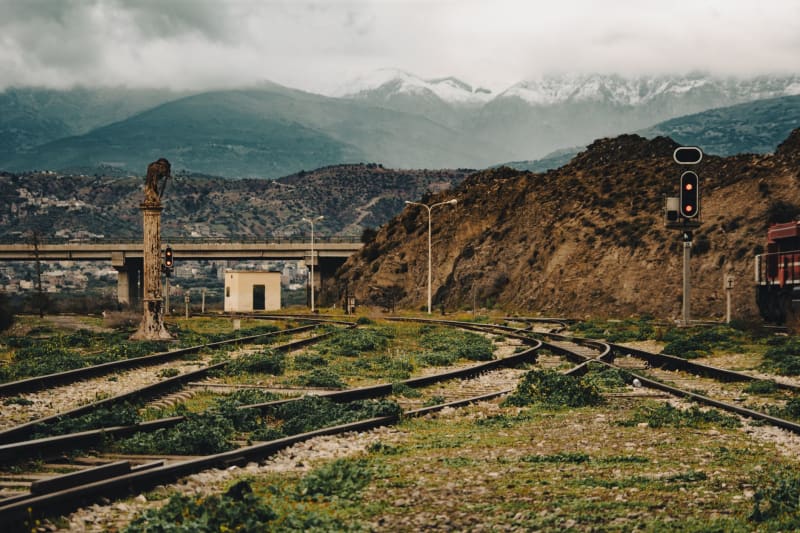 algeria
 Béjaïa
A Kabyle port city where Berber mountains drop straight to the Mediterranean, fiercely proud and stubbornly beautiful.
Explore algeria
 Biskra
The last oasis city before the open Sahara, where 300,000 date palms cast shade over the threshold between the Mediterranean world and the desert.
Explore