Tipaza
"I came for the ruins and stayed for the smell of thyme and salt in the same breath."
A Roman ruin field tumbling into the Mediterranean, where wildflowers grow through broken columns and Camus once found his happiness.

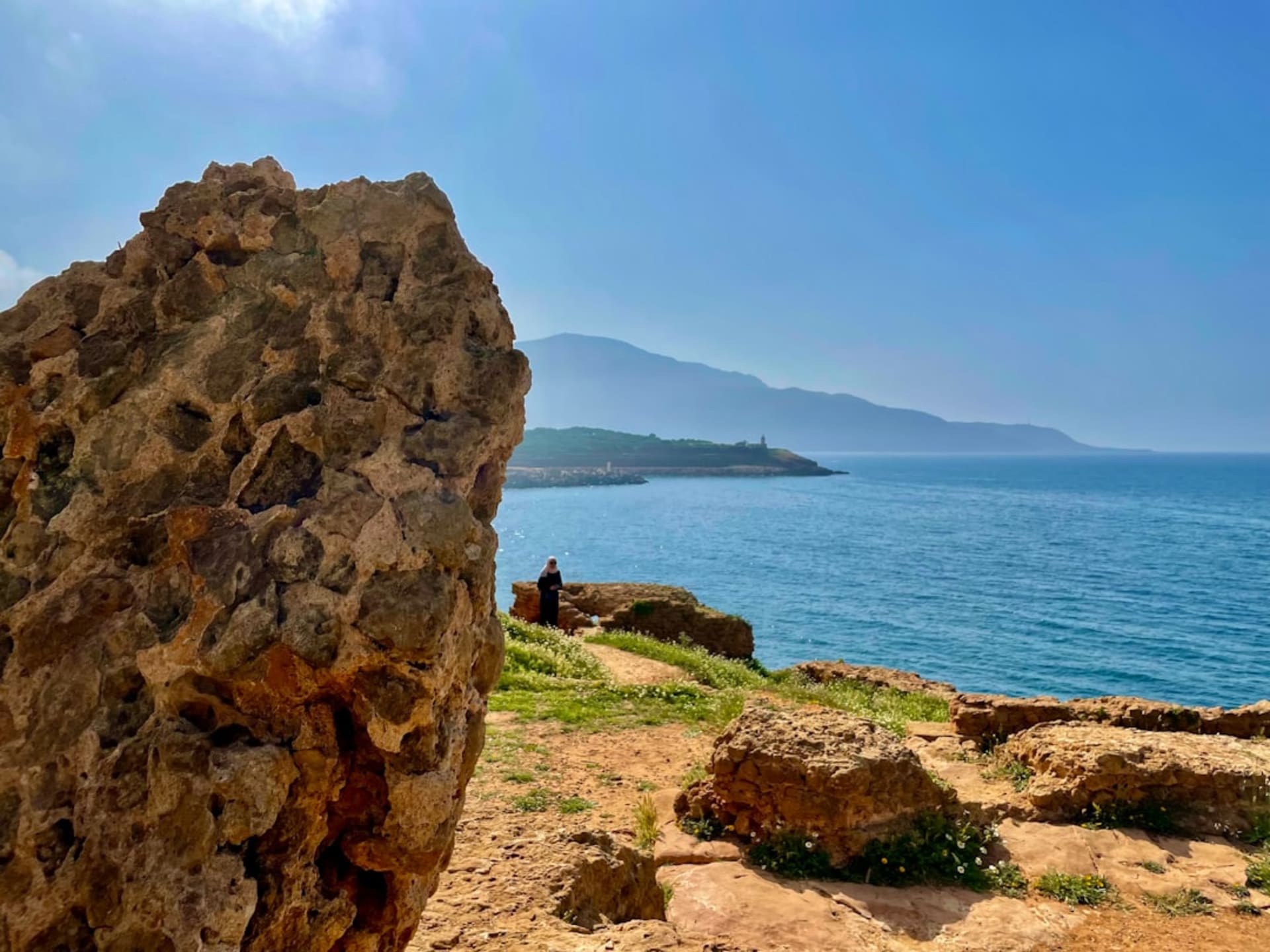
I’d read Camus’s “Noces à Tipasa” on a bus somewhere years before I ever set foot in Algeria, and I honestly wasn’t sure Tipaza could live up to the sentence he wrote about the marriage of ruins and wildflowers. Lia and I drove up from Algiers on a bright April morning, windows down, and within about twenty minutes of walking into the archaeological park I understood he hadn’t exaggerated at all. The Roman forum sits right where the land gives out to the sea, so you’re reading the shape of an old basilica with one eye and watching whitecaps roll in with the other. It felt less like visiting a museum and more like the town had simply grown up around a ruin and decided not to move it.
We spent a long, unhurried afternoon just wandering the site, and what struck me most was how alive it all was — not preserved-under-glass alive, but genuinely overgrown, poppies and wild mustard pushing up between the paving stones of what was once a Roman colony under Claudius. I sat on a fallen column near the amphitheater eating a sandwich Lia had put together that morning, olives and merguez wrapped in flatbread, and watched a fisherman work the rocks below the necropolis like he did it every day of his life, which he probably did.

A short drive outside town we found the Royal Mausoleum of Mauretania, this huge circular tomb built for Juba II and Cleopatra Selene II — yes, that Cleopatra’s daughter, which is a genuinely strange thing to say out loud standing in front of a 2,000-year-old Berber royal tomb on the Algerian coast. It’s a strange, almost stubborn-looking structure rising out of a hillside of scrub, visible from a long way off, and we had it nearly to ourselves except for a shepherd moving a small flock along the fence line.

What I keep coming back to about Tipaza, and what Camus understood better than anyone, is that the ruins aren’t really the point — they’re just where you notice everything else. The light off the water, the smell of wild herbs baking in the sun, the sound of waves against a two-thousand-year-old seawall. We left at dusk with sand still in our shoes, already talking about going back.
When to go: Aim for April or May, when the wildflowers push up through the ruins and the coastal heat hasn’t set in yet — Camus had the right idea.
Keep exploring
More from Algeria
 algeria
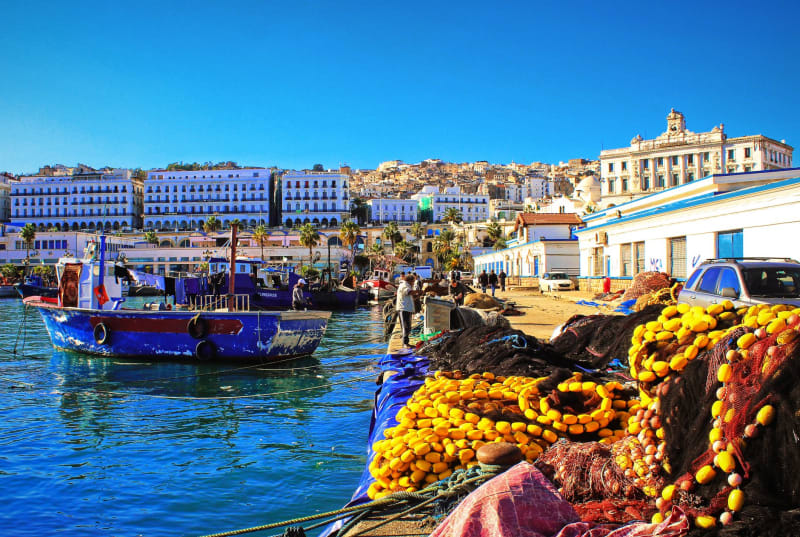
 Algiers Casbah
A UNESCO-listed Ottoman labyrinth of whitewashed alleys cascading down to the Mediterranean, almost impossibly alive.
Explore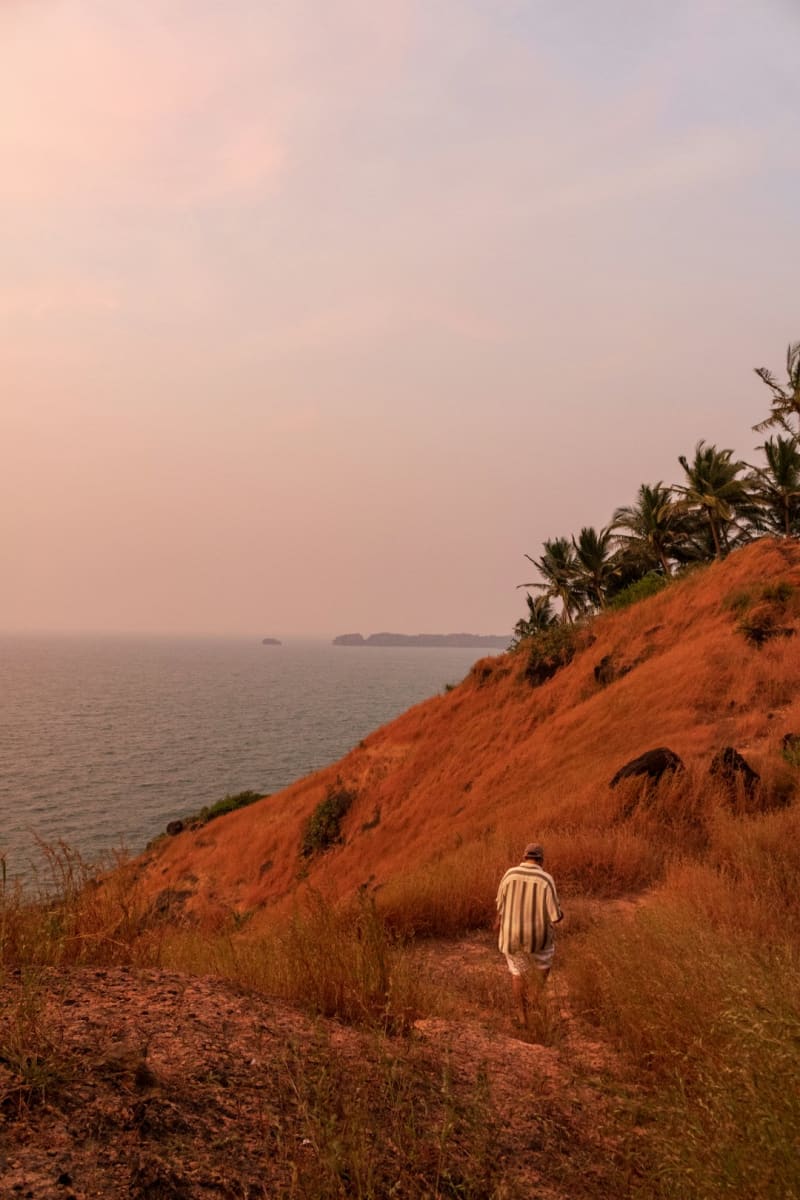 algeria
 Annaba
A Mediterranean port city where Saint Augustine once preached, its Roman ruins and hilltop basilica overlooking the sea near the Tunisian border.
Explore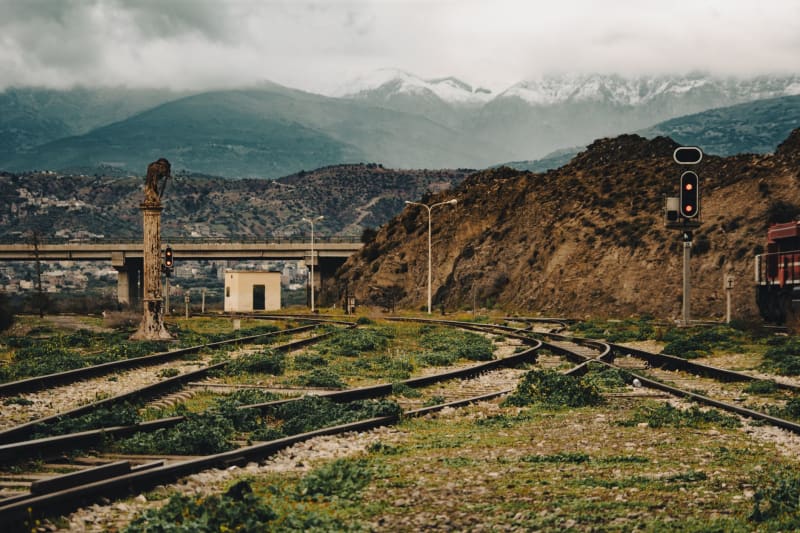 algeria
 Béjaïa
A Kabyle port city where Berber mountains drop straight to the Mediterranean, fiercely proud and stubbornly beautiful.
Explore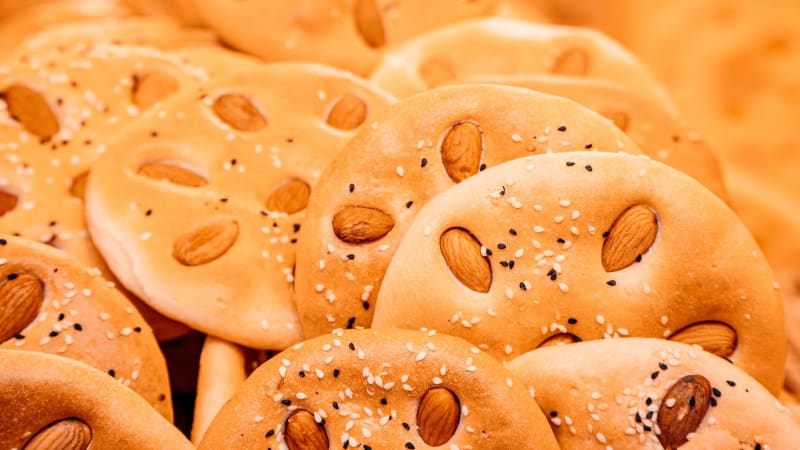 algeria
 Biskra
The last oasis city before the open Sahara, where 300,000 date palms cast shade over the threshold between the Mediterranean world and the desert.
Explore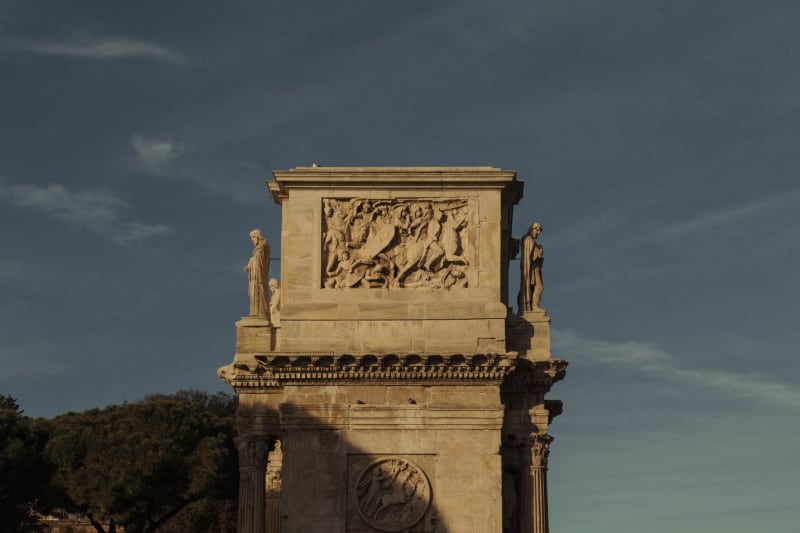 algeria
 Constantine
A city built on a sheer rock above a 200-metre gorge, connected to itself by bridges that look like they were designed as a dare.
Explore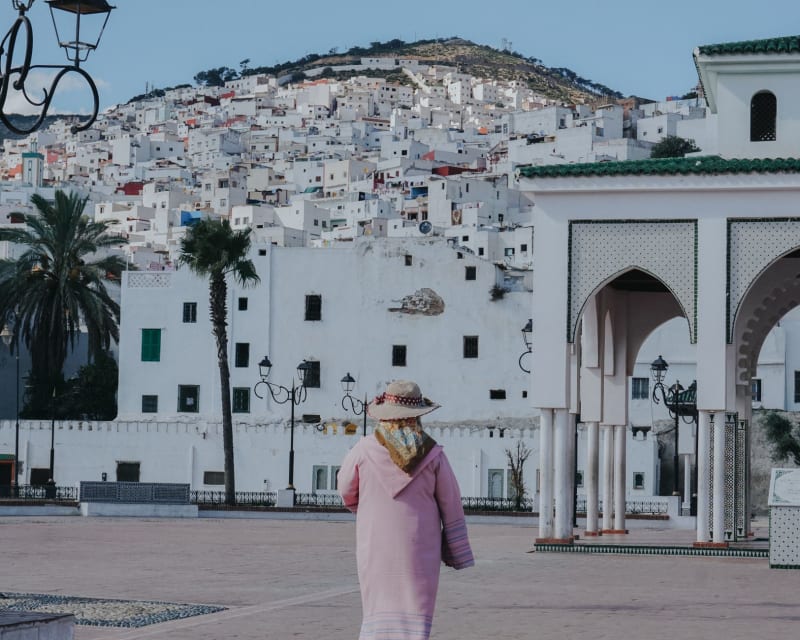 algeria
 Djémila
A Roman city whose Berber name means 'beautiful' — and after twenty centuries abandoned to the mountain wind, it still earns the word.
Explore