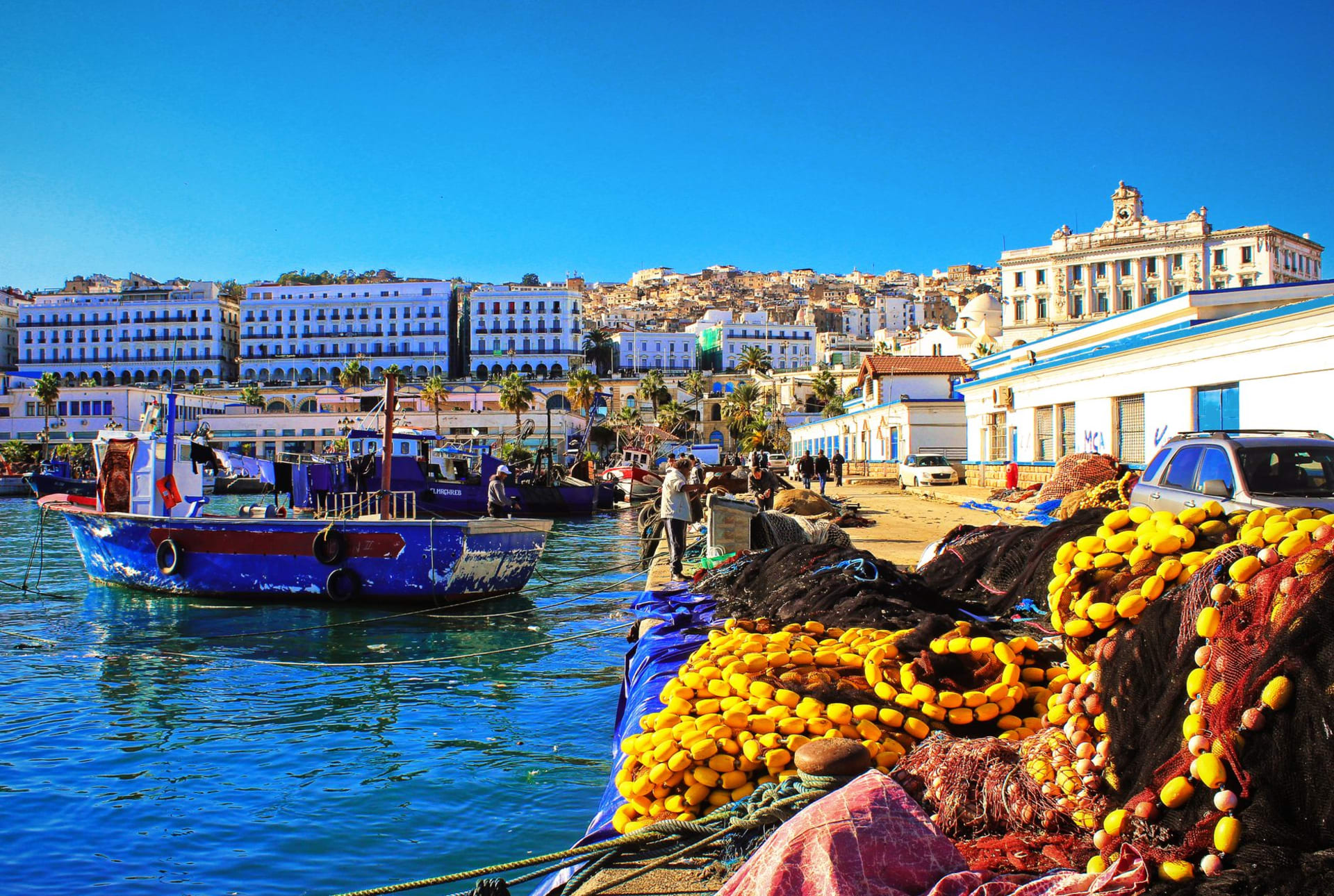
Algiers Casbah
"The Casbah doesn't welcome you — it absorbs you, slowly, until you can't quite remember which alley you came from."
A UNESCO-listed Ottoman labyrinth of whitewashed alleys cascading down to the Mediterranean, almost impossibly alive.

I arrived at the edge of the Casbah just before noon on my second day in Algiers, with a hand-drawn map that immediately proved useless. The streets here don’t follow logic — they fold over themselves, narrowing to the width of one body, then opening unexpectedly into small tiled courtyards where old men sit in the exact posture of men who have been sitting in that spot for forty years. The first thing I noticed was the smell: harissa drying in flat trays in the sun, a thread of charcoal from somewhere unseen, and under everything the salt and diesel of the port far below.
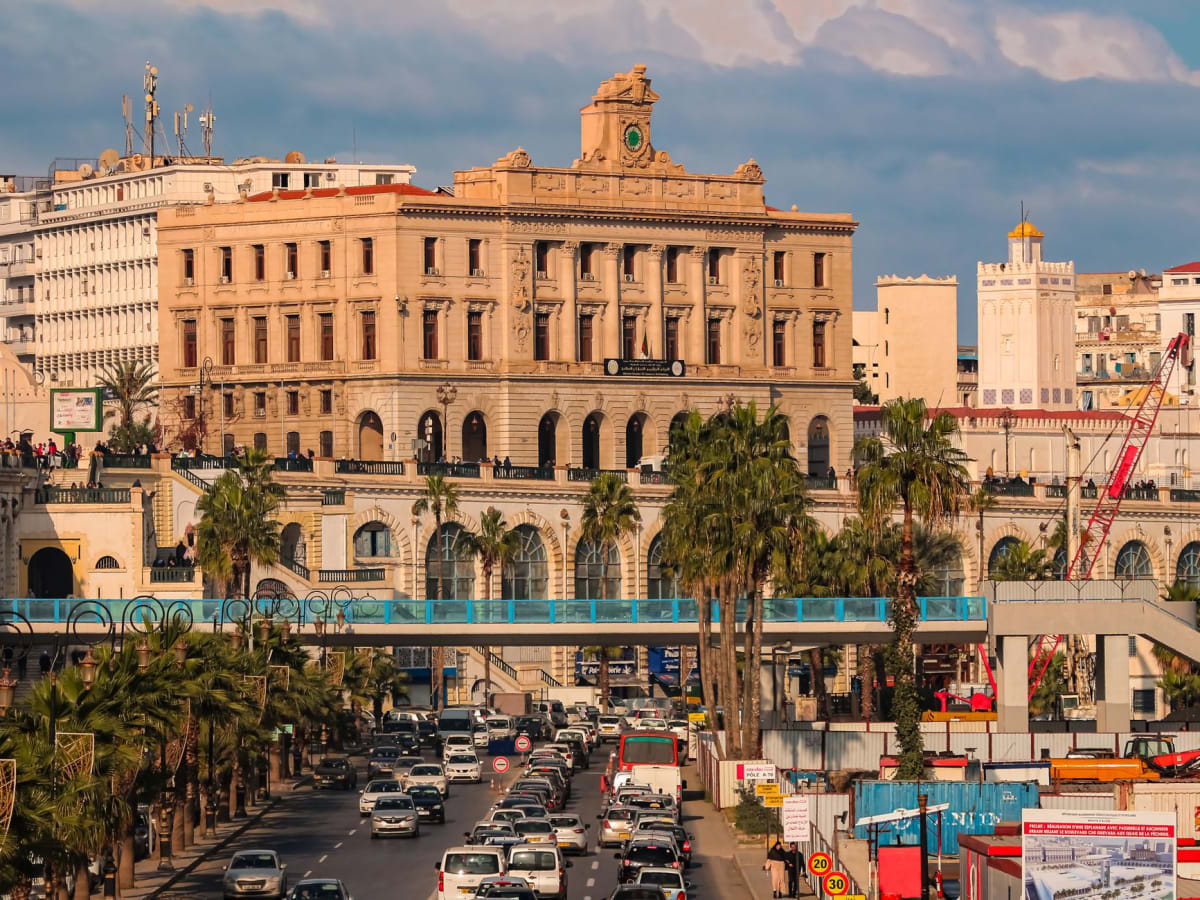
The Casbah is technically a UNESCO World Heritage Site, which means someone in a distant office has certified its importance. That certification changes nothing about the way it functions. Women still hang laundry from rods that jut across the alley mouths, the sheets catching the breeze coming off the sea. Children run circuits around corners I couldn’t navigate walking slowly. A cat watched me from a high window ledge with the patience of something that has observed foreigners losing their way in this neighborhood for a very long time. The architecture is Ottoman, mostly 17th and 18th century — the large palace mansions called djenane built around inner courtyards with marble floors and painted cedar ceilings, accessible if you know which of the blank exterior doors to push.
I found one entirely by accident, following an elderly man who paused and, after studying me for a moment, gestured for me to come inside. The courtyard beyond was extraordinary: columns of carved plaster, a central fountain that probably hadn’t run in decades, a staircase going up past galleries on three floors. He didn’t speak French or English but pointed at things with obvious pride. I understood completely. These interiors are what the Casbah guards behind its blank facades — not mystery for mystery’s sake but the accumulated domestic beauty of centuries of Algerian domestic architecture that never needed to advertise itself.
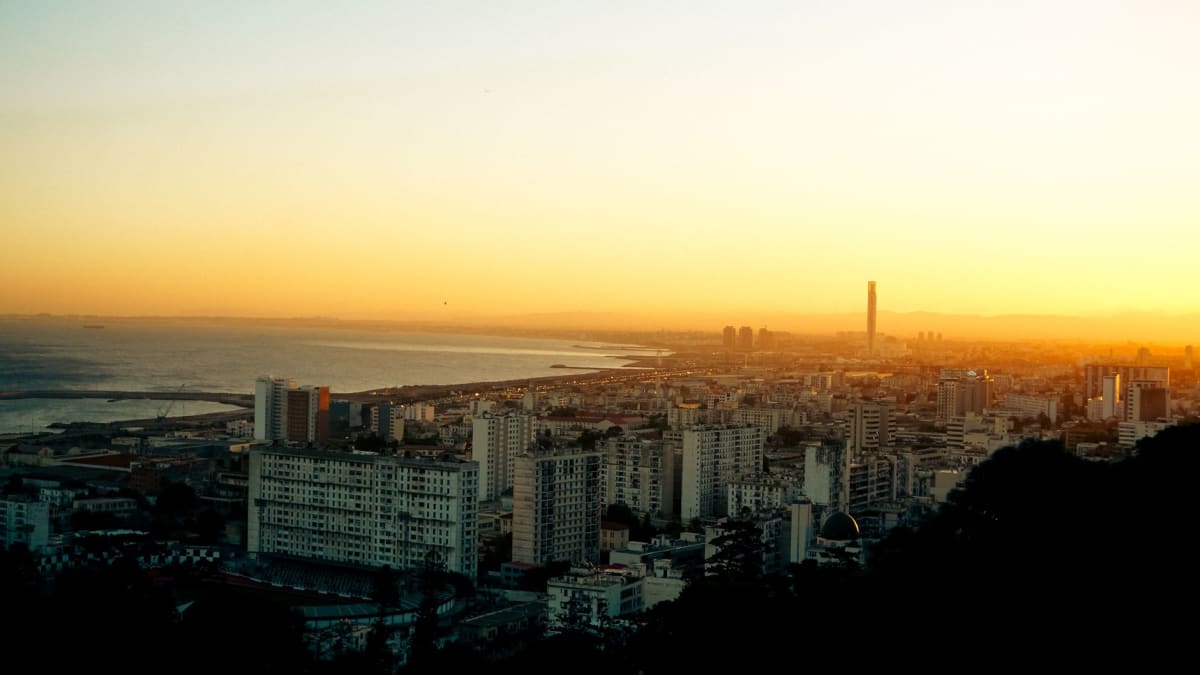
Down near the port, at the bottom of the Casbah where the alleys finally flatten out, I found the café quarter — zinc counters, short glasses of espresso, newspapers in Arabic and French spread across every table. A man offered me sfenj from a bag, fresh from the oil around the corner. They were hot and slightly sweet and left grease on my fingers that I didn’t wipe off immediately. I stood at the counter drinking my coffee with the sea visible through the open door and felt, not for the last time in Algeria, that I was somewhere still entirely itself. The Casbah has been in slow decline for decades — buildings collapse regularly, young families move out to the newer parts of the city, the restoration money arrives and then disappears into bureaucracy. What remains is still extraordinary, still human-scale and still lived-in in a way that no preserved medina-as-museum ever quite is. The decay is part of it. So is the resilience.
When to go: Spring (March to May) brings mild temperatures and clear Mediterranean light. Avoid the summer heat if you plan to walk the steep upper alleys for hours at a stretch. The neighborhood is most alive in the early morning, before ten, when the market stalls open and the day’s first rhythms establish themselves.
Keep exploring
More from Algeria
 algeria
 Annaba
A Mediterranean port city where Saint Augustine once preached, its Roman ruins and hilltop basilica overlooking the sea near the Tunisian border.
Explore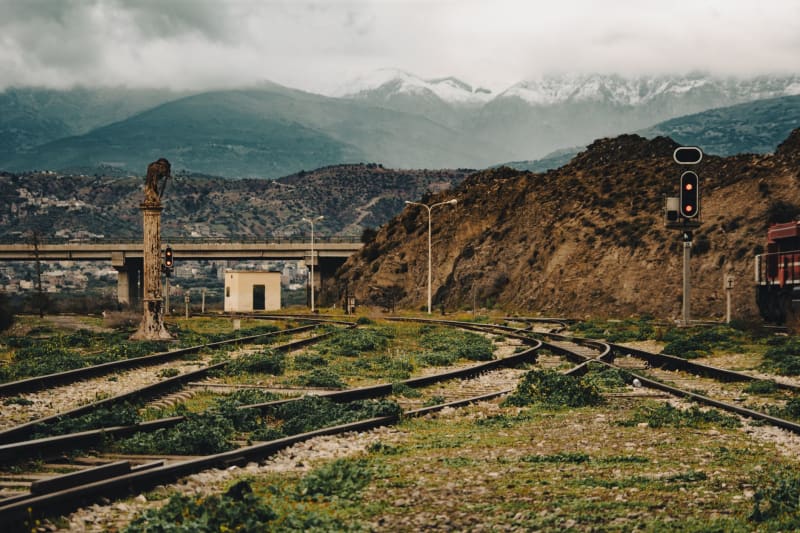 algeria
 Béjaïa
A Kabyle port city where Berber mountains drop straight to the Mediterranean, fiercely proud and stubbornly beautiful.
Explore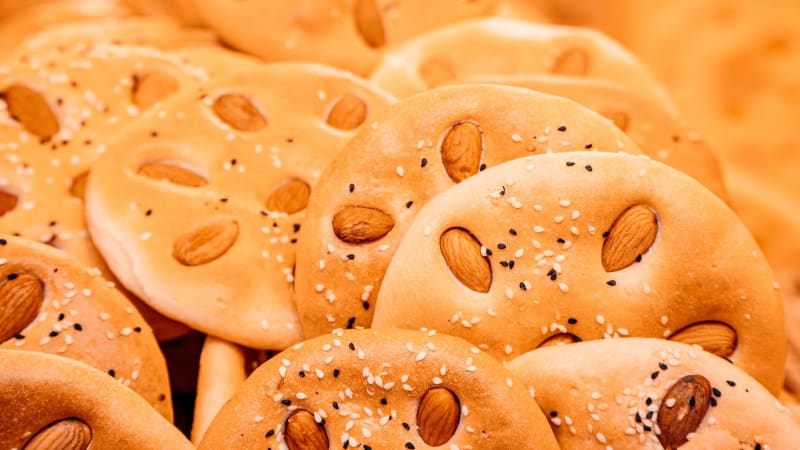 algeria
 Biskra
The last oasis city before the open Sahara, where 300,000 date palms cast shade over the threshold between the Mediterranean world and the desert.
Explore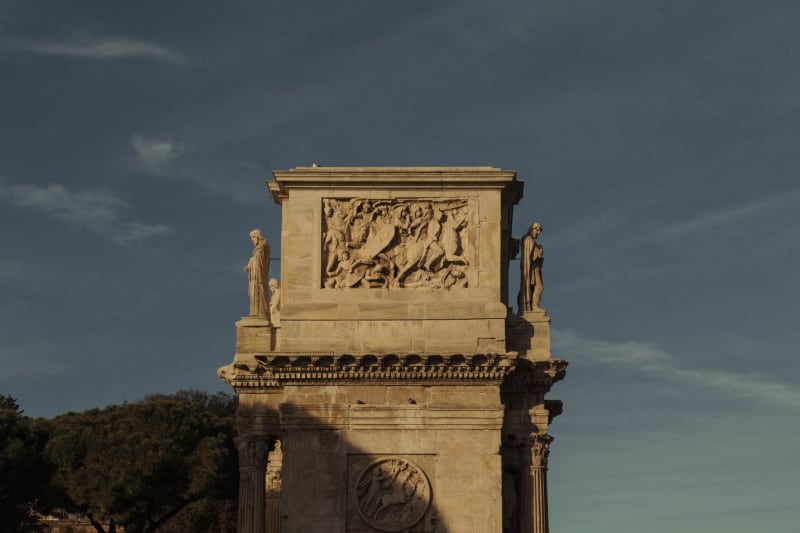 algeria
 Constantine
A city built on a sheer rock above a 200-metre gorge, connected to itself by bridges that look like they were designed as a dare.
Explore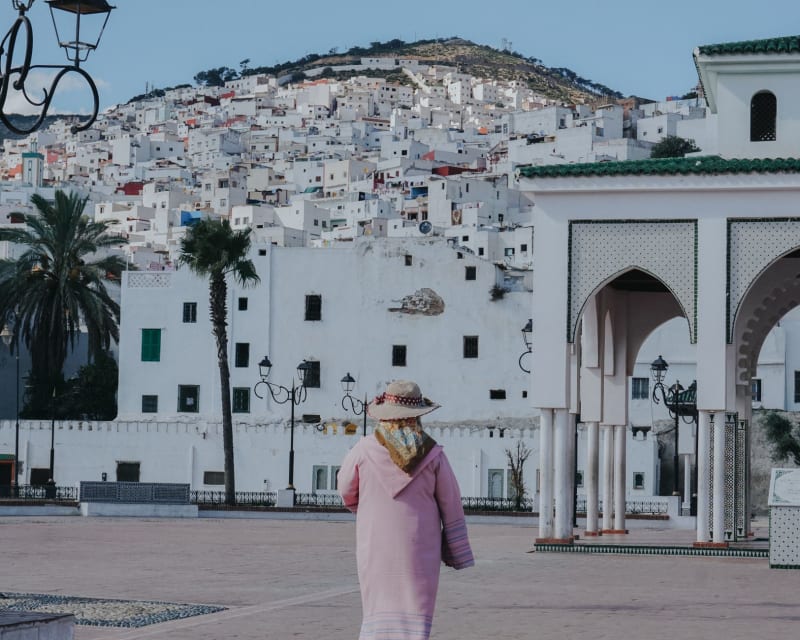 algeria
 Djémila
A Roman city whose Berber name means 'beautiful' — and after twenty centuries abandoned to the mountain wind, it still earns the word.
Explore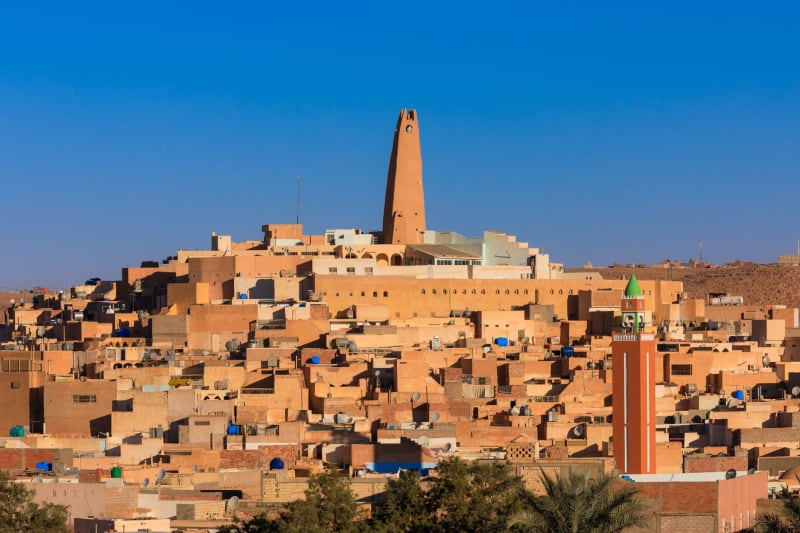 algeria
 Ghardaïa
Five medieval Mozabite towns rising from the M'zab Valley floor, their beehive minarets and market logic unchanged for five centuries.
Explore