Americas
Alberta
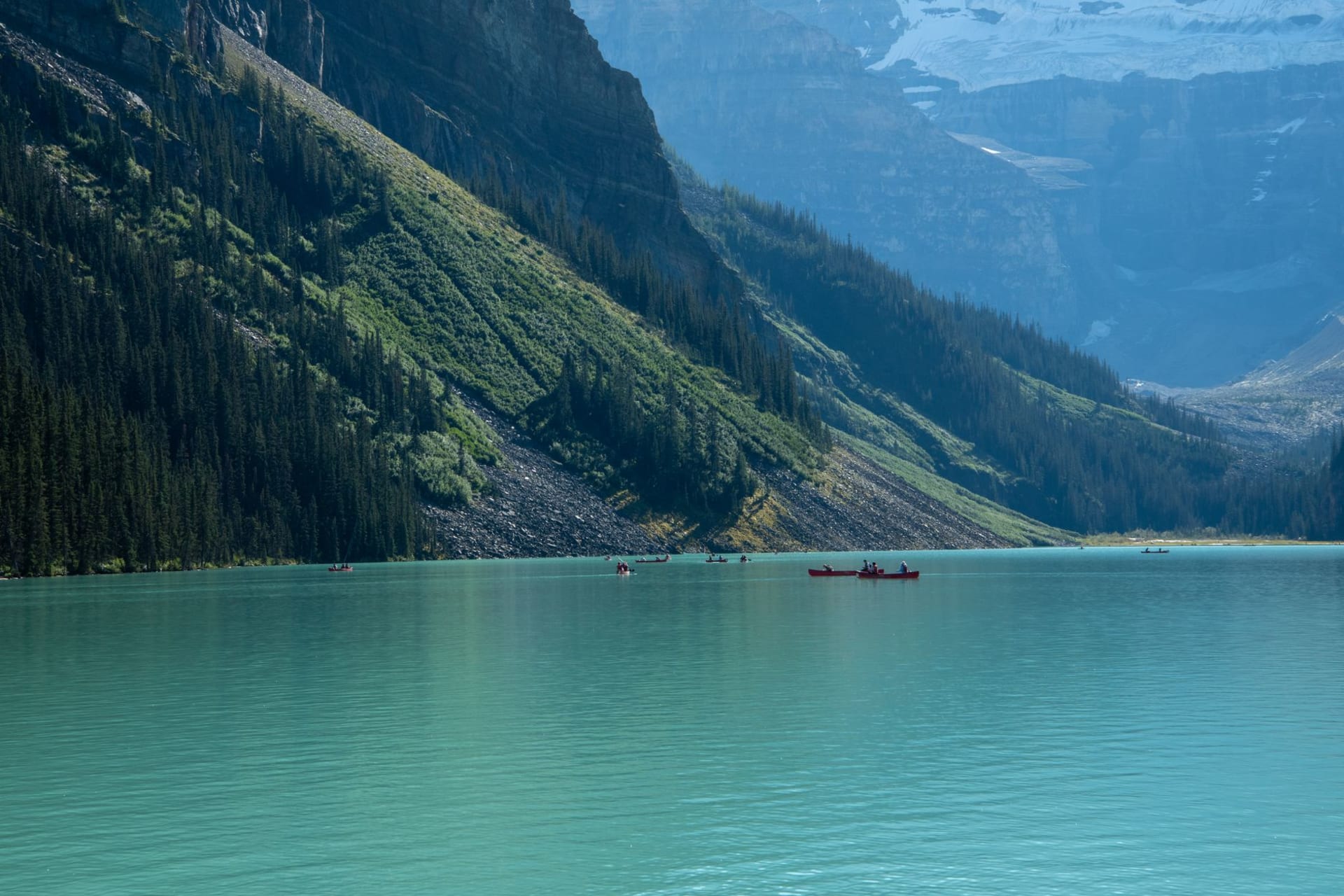
"Lake Louise looks like someone turned the saturation dial too far and forgot to dial it back."
A province where glacial lakes burn turquoise against snowfields and the Rockies rise so abruptly from the plains that the view still feels impossible, even after days of staring at it.

I arrived in Banff in late September, when the larch trees go gold and the summer crowds have thinned enough that you can actually hear the wind come off the glaciers. The moment you round that final curve on the Icefields Parkway and Peyto Lake opens up below you — electric blue against grey limestone and the last patches of snow — you understand why people come back here year after year and never fully recover. It’s not subtle country. Alberta does not do subtle.
The Rockies get all the attention, rightly, but what surprised me was how much the landscape shifts within a single day’s drive. From Banff I pushed north through Jasper, where the elk wander through town like they’ve read the municipal bylaws and know exactly what they’re entitled to. Then east past Edmonton, and the mountains simply end — you drop onto the prairies and suddenly it’s flat in every direction, grain elevators on the horizon, skies so wide they feel pressurised. This isn’t a disappointment. It’s a different country within the same province, and both halves are worth understanding. Calgary sits at that threshold, a proper city with a food scene driven by Alberta beef that is genuinely exceptional — a dry-aged striploin at a good steakhouse here makes most of what passes for steak elsewhere seem like an approximation.
The hikes are what I keep returning to in memory. The Plain of Six Glaciers above Lake Louise. The Skyline Trail in Jasper. The meadows around Larch Valley in early October, when the larches are burning orange and you’re the only person up there because everyone else assumed the season was over. Alberta rewards the people willing to go slightly past the obvious stopping point, to stay one more day when the weather clears, to take the trailhead that isn’t on the first page of results.
When to go: Late June through early October for hiking and the full Icefields Parkway experience. Early October specifically for the larch season — a brief window that most visitors miss entirely. January through March if you ski: Lake Louise and Sunshine Village receive snow that Whistler tourists would weep over, with a fraction of the lift lines.
What most guides get wrong: They treat Banff and Jasper as bucket-list checkboxes and miss the fact that the Icefields Parkway between them — 230 kilometres of arguably the most spectacular mountain road on earth — is itself the destination. Stop at every pullout. Wake up before sunrise at Moraine Lake. Do not rush Alberta. The province will outlast your schedule.
Explore
Places in Alberta
 alberta
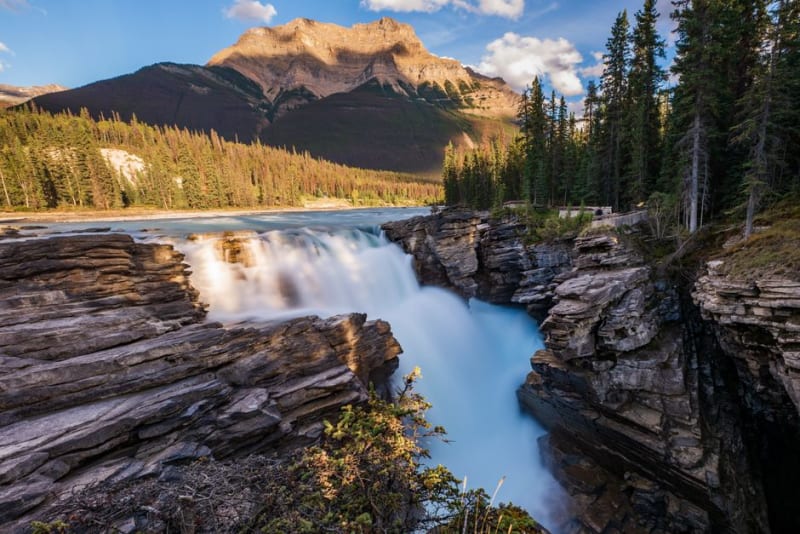
 Athabasca Falls
A short, violent drop where the Athabasca River forces its entire volume through a narrow quartzite gorge just south of Jasper townsite, loud enough to feel before you see it.
Explore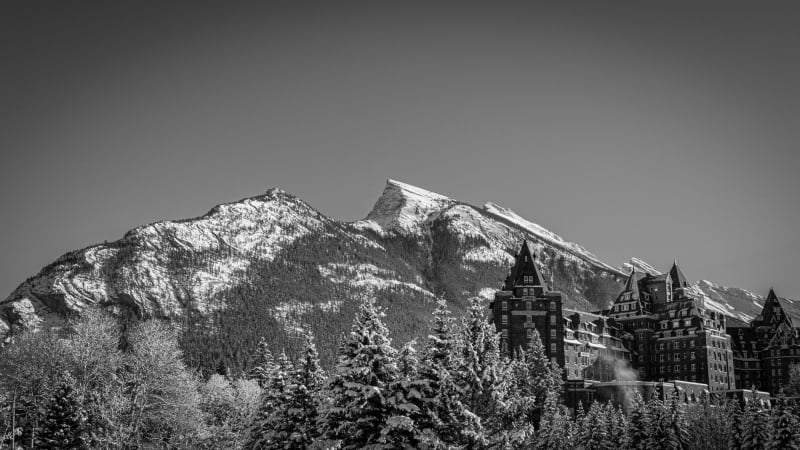 alberta
 Banff
A mountain town so perfectly placed inside its national park that even the gas station has a glacier for a backdrop.
Explore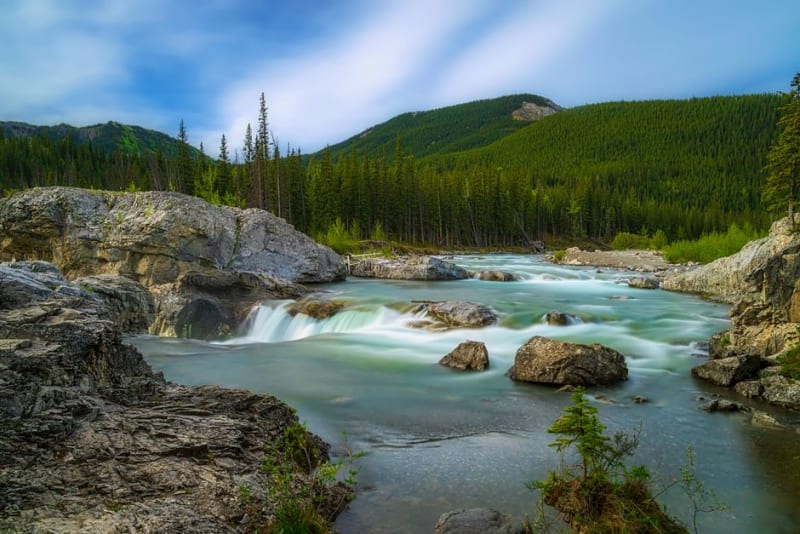 alberta
 Bragg Creek
A small foothills hamlet west of Calgary where the prairie gives its first hint of mountains, threaded with quiet trails along the Elbow River and a handful of galleries and log-cabin shops.
Explore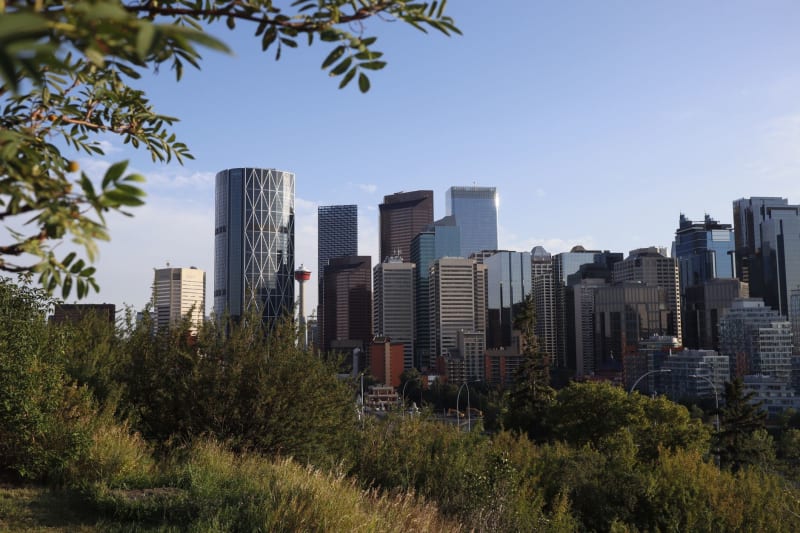 alberta
 Calgary
A proper western city that lives at the hinge between the Rockies and the prairies, and feeds itself on beef that makes everywhere else seem approximate.
Explore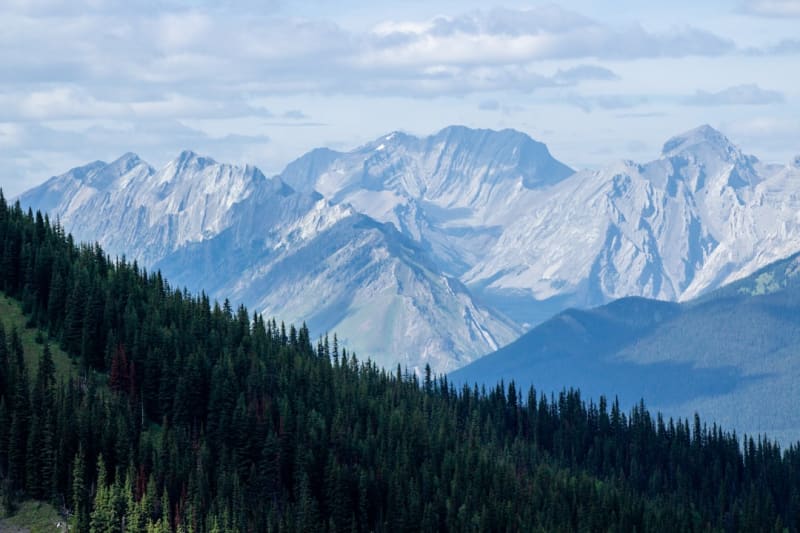 alberta
 Canmore
A former coal-mining town at the mouth of the Bow Valley that has quietly become the Rockies' most livable base camp, twenty minutes from Banff without Banff's crowds.
Explore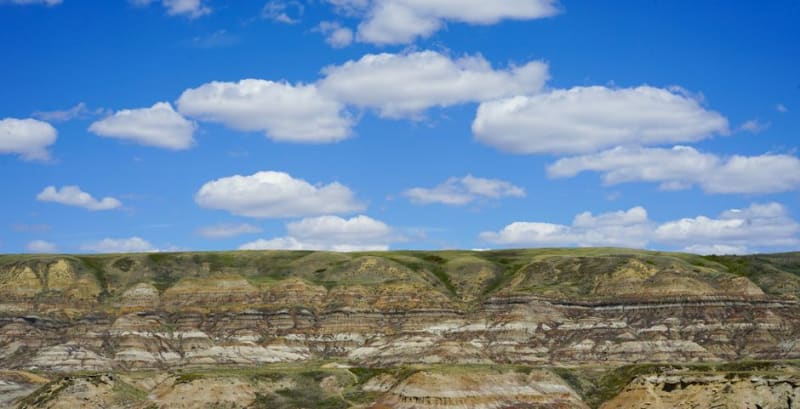 alberta
 Cypress Hills
A forested plateau rising eight hundred metres above the surrounding prairie on the Alberta-Saskatchewan border, cool and pine-scented in a province otherwise defined by open sky.
Explore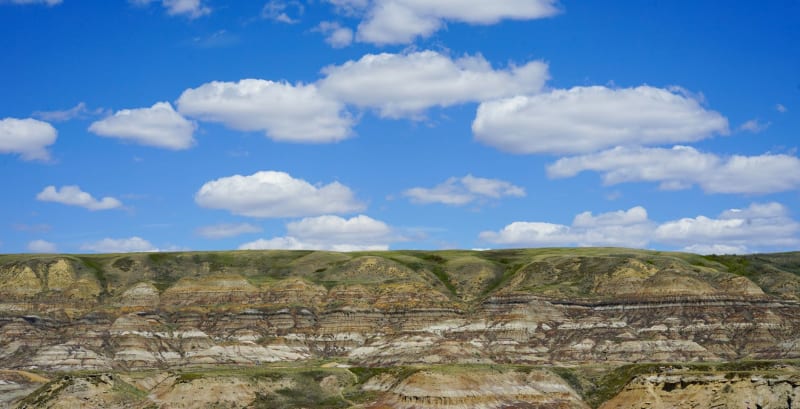 alberta
 Dinosaur Provincial Park
A UNESCO badlands where the prairie suddenly drops away into a moonscape of eroded hoodoos that has yielded more dinosaur species than almost anywhere on Earth.
Explore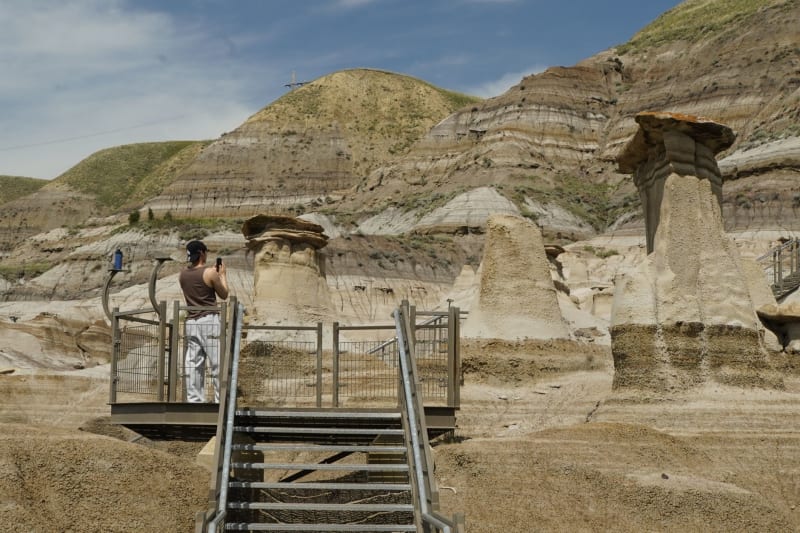 alberta
 Drumheller
A badlands valley carved into the Alberta prairies where dinosaur bones still erode out of the hoodoos and the landscape looks genuinely prehistoric.
Explore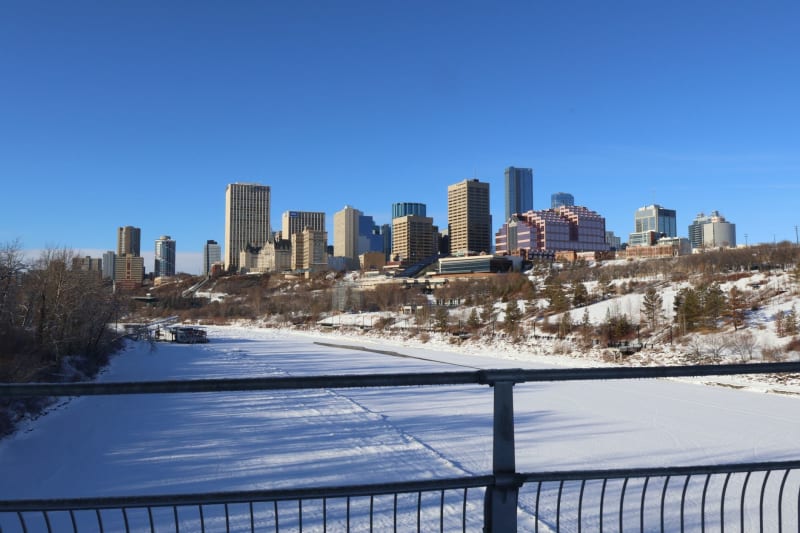 alberta
 Edmonton
Alberta's capital sits in the river valley where the prairies and the boreal forest meet, a northern city that does arts and food with more intensity than it gets credit for.
Explore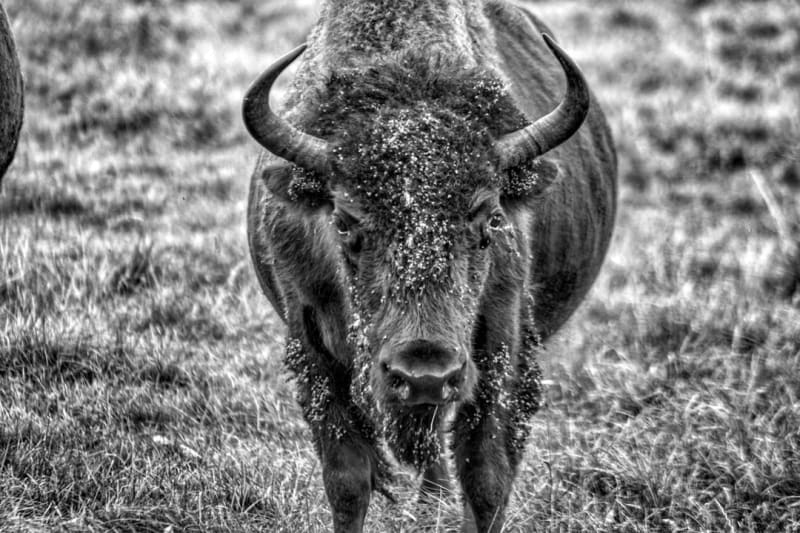 alberta
 Elk Island National Park
A small, fenced island of aspen parkland east of Edmonton that quietly holds more free-roaming bison than almost anywhere else on the continent.
Explore alberta
 Frank Slide
The site of Canada's deadliest rockslide, where a chunk of Turtle Mountain broke off in 1903 and buried part of a mining town under eighty million tonnes of limestone in under two minutes.
Explore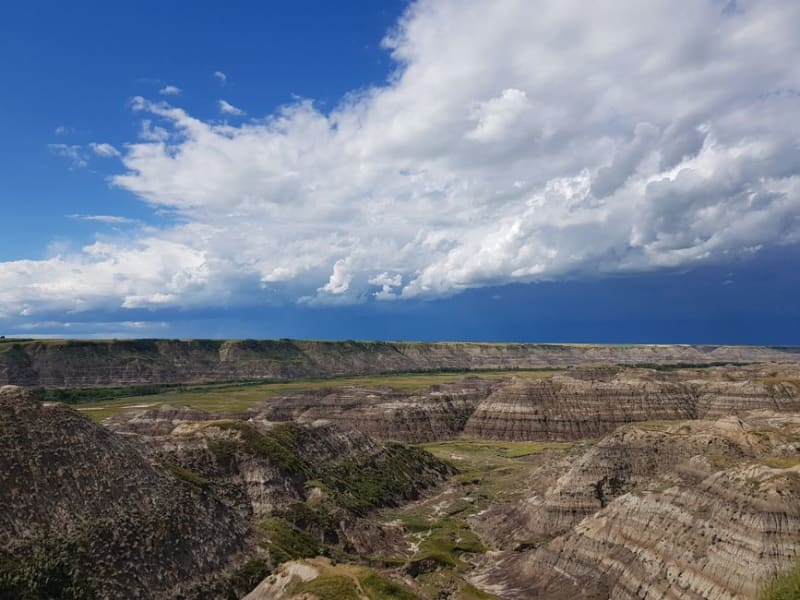 alberta
 Head-Smashed-In Buffalo Jump
A ten-metre sandstone cliff near Fort Macleod where Plains peoples drove bison to their deaths for nearly six thousand years, now a UNESCO site built directly into the escarpment.
Explore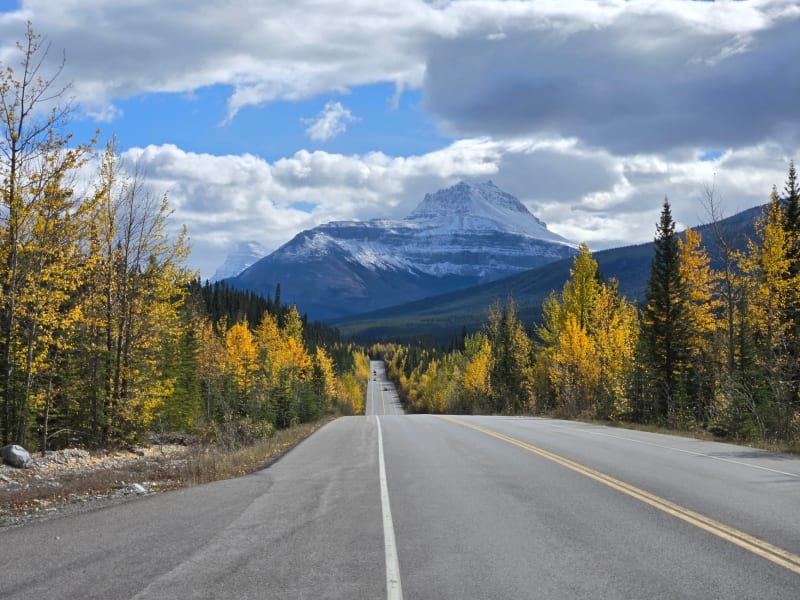 alberta
 Icefields Parkway
Two hundred and thirty kilometres of mountain road that make you understand why people quit their jobs to drive across Canada.
Explore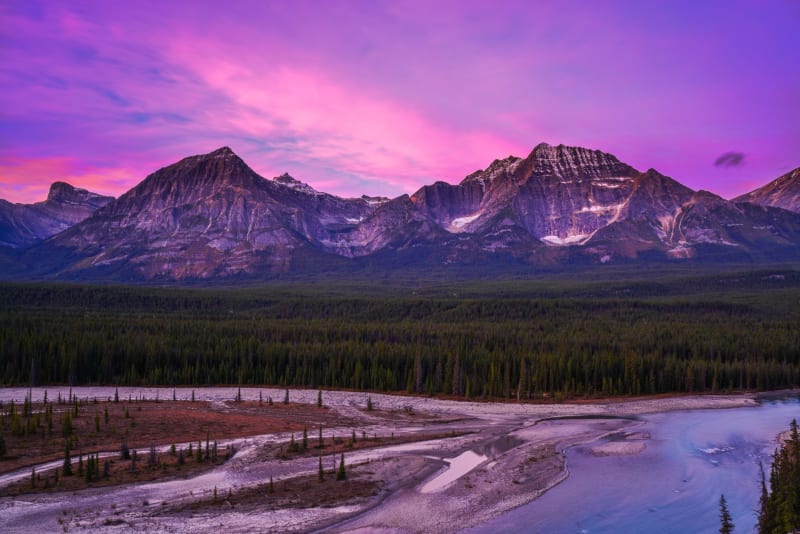 alberta
 Jasper
A mountain town that lets wolves and elk set the tone — wilder, quieter, and less polished than Banff in all the right ways.
Explore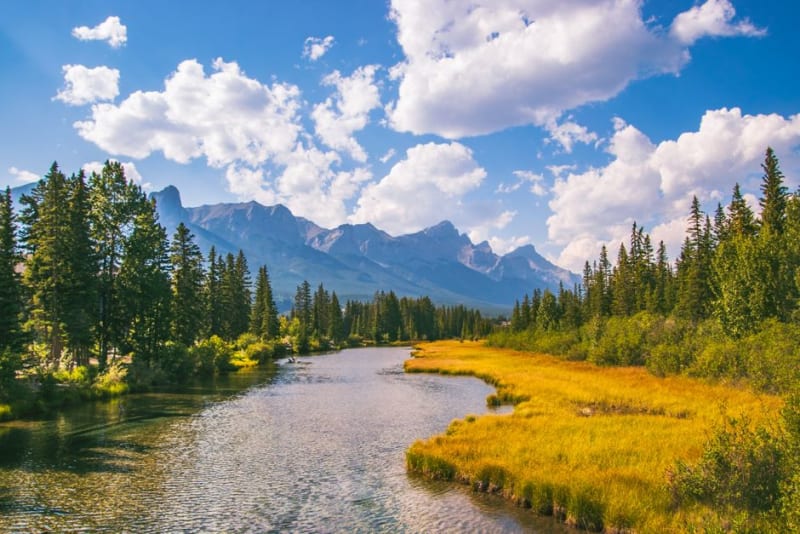 alberta
 Kananaskis Country
A sprawling network of provincial parks and wilderness west of Calgary, essentially a second, less-visited Rockies experience that most people driving straight to Banff never think to stop for.
Explore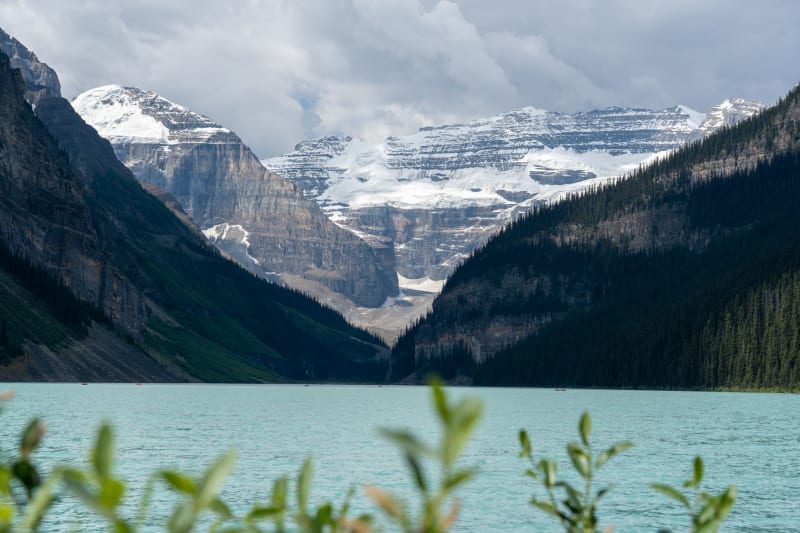 alberta
 Lake Louise
A glacial lake so improbably turquoise it looks like a postcard of itself, and somehow still delivers in person.
Explore