Elk Island National Park
"Elk Island is the size of a large ranch and somehow holds the entire genetic future of the plains bison."
A small, fenced island of aspen parkland east of Edmonton that quietly holds more free-roaming bison than almost anywhere else on the continent.

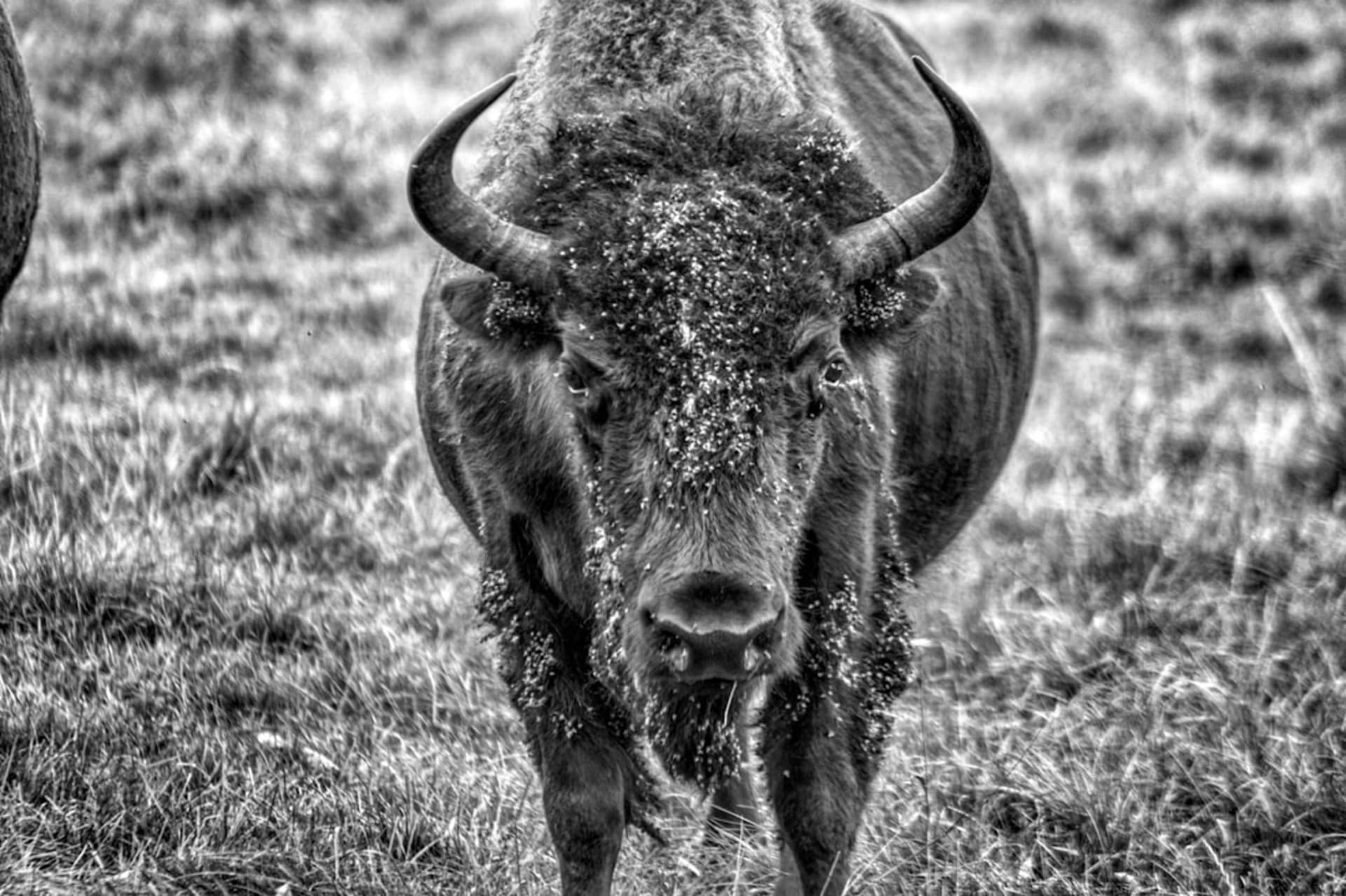
I almost skipped Elk Island. It sits forty-five minutes east of Edmonton, it doesn’t have a single mountain in it, and everyone I’d talked to in Alberta had been steering me toward the Icefields Parkway instead. But a biologist I met at a bar in Edmonton got quietly furious when I mentioned I might not go, and told me — more or less ordered me — that Elk Island holds one of the last genetically pure populations of plains bison left on earth, descended from a handful of animals rescued from near-extinction in the early 1900s. I drove out the next morning skeptical and left converted.
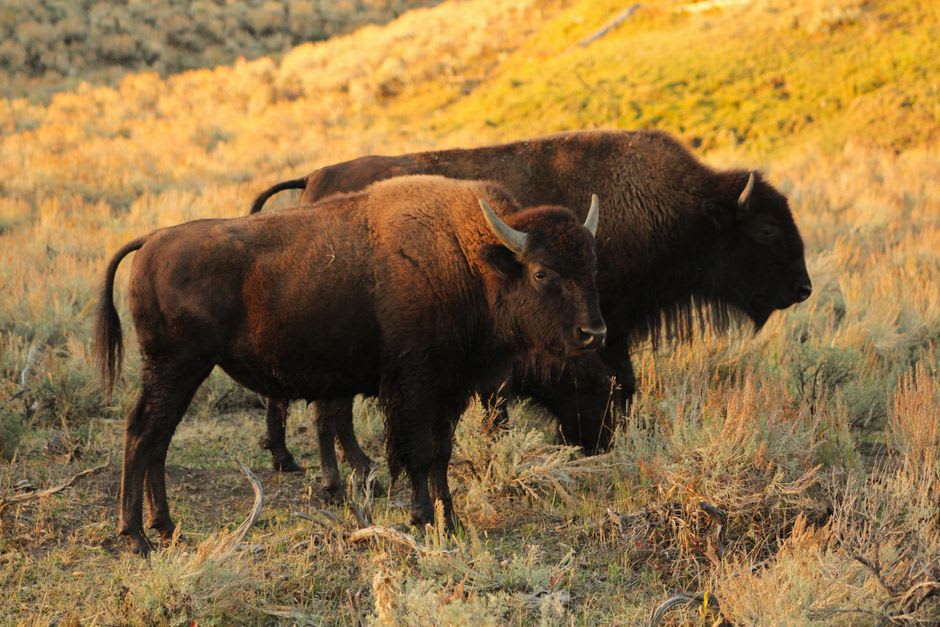
The park is entirely fenced, which sounds unromantic until you understand why: it keeps the bison in and lets them roam an actual landscape rather than a paddock, rolling aspen parkland and prairie pothole lakes that most people drive past on the highway to Saskatchewan without a second look. I saw my first herd within ten minutes of entering, a loose group of maybe thirty animals grazing unbothered fifteen metres from the road, dust rising off their backs in the low sun. They are enormous up close in a way photographs don’t convey — a bull can weigh close to a tonne — and they move with a kind of unhurried authority that made me quietly grateful for the car door.
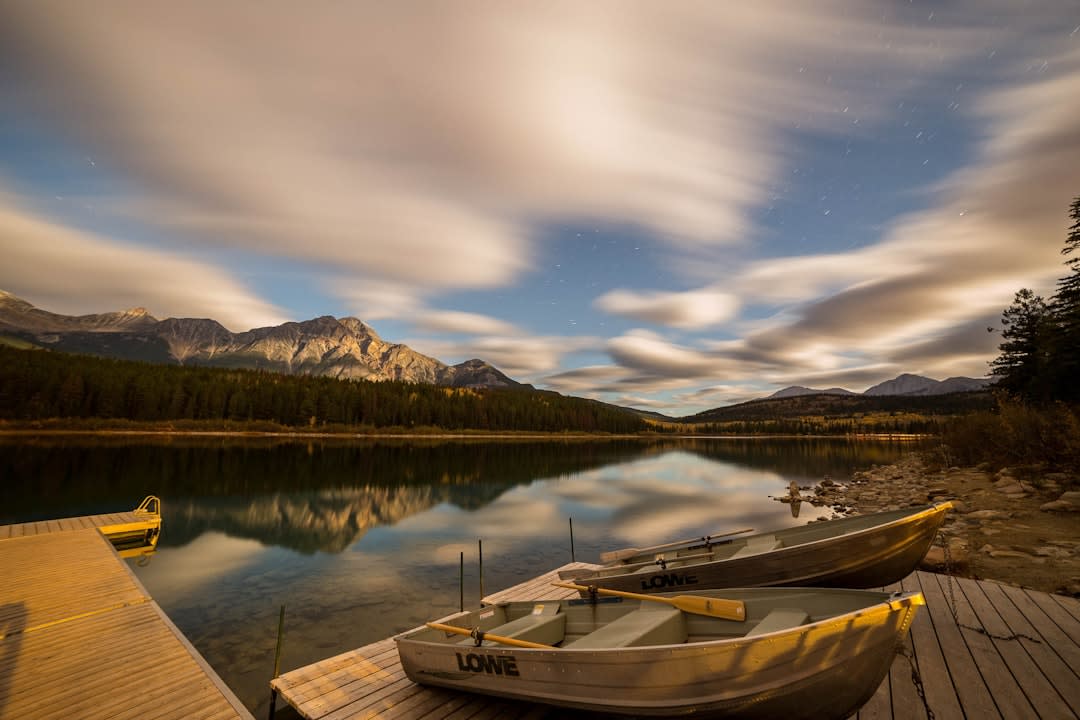
Elk Island is also, unusually for a Canadian national park, a certified Dark Sky Preserve, and I stayed late one evening specifically for that. There’s no city glow strong enough to compete this far from Edmonton once the sun drops, and lying on the hood of my rental car watching the Milky Way come out over the lake at Astotin was one of those unplanned, unphotographed moments that ended up mattering more than half the itinerary I’d built around it. A park interpreter running a stargazing session that night told me Elk Island has some of the darkest measured skies within an hour of any major Canadian city, which given how close Edmonton sits, is a genuinely strange fact to sit with.
There are also plains bison’s rarer cousins here, wood bison, kept on the south side of the park separated from the plains herd to preserve both subspecies, along with elk, moose, and beavers that have engineered entire wetlands along the walking trails. None of it announces itself the way the Rockies do. It’s a quieter kind of spectacular, and I think that’s exactly why the biologist in the bar was so insistent I not skip it.
When to go: Late May through September for the best wildlife viewing and access to hiking trails. Clear nights any time of year for stargazing, though winter skies are longer and often crisper if you can handle the cold.
Keep exploring
More from Alberta
 alberta
 Frank Slide
The site of Canada's deadliest rockslide, where a chunk of Turtle Mountain broke off in 1903 and buried part of a mining town under eighty million tonnes of limestone in under two minutes.
Explore alberta
 Head-Smashed-In Buffalo Jump
A ten-metre sandstone cliff near Fort Macleod where Plains peoples drove bison to their deaths for nearly six thousand years, now a UNESCO site built directly into the escarpment.
Explore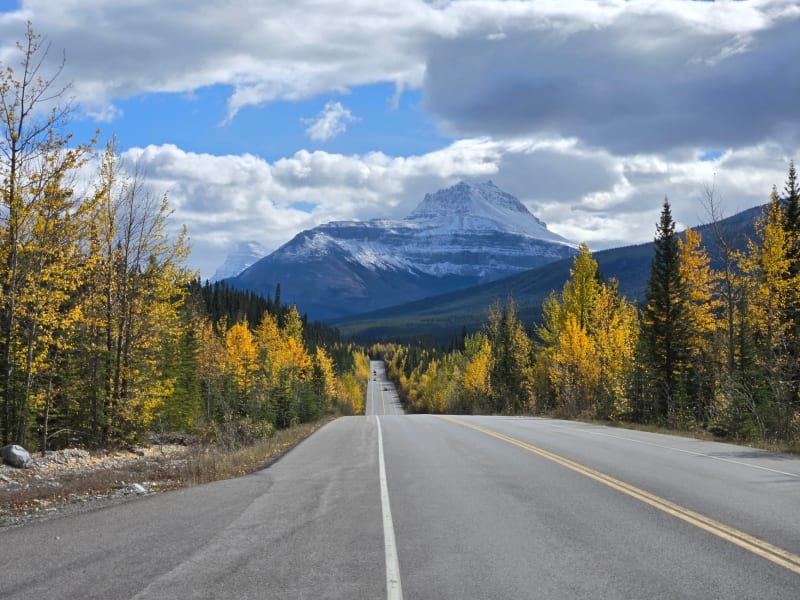 alberta
 Icefields Parkway
Two hundred and thirty kilometres of mountain road that make you understand why people quit their jobs to drive across Canada.
Explore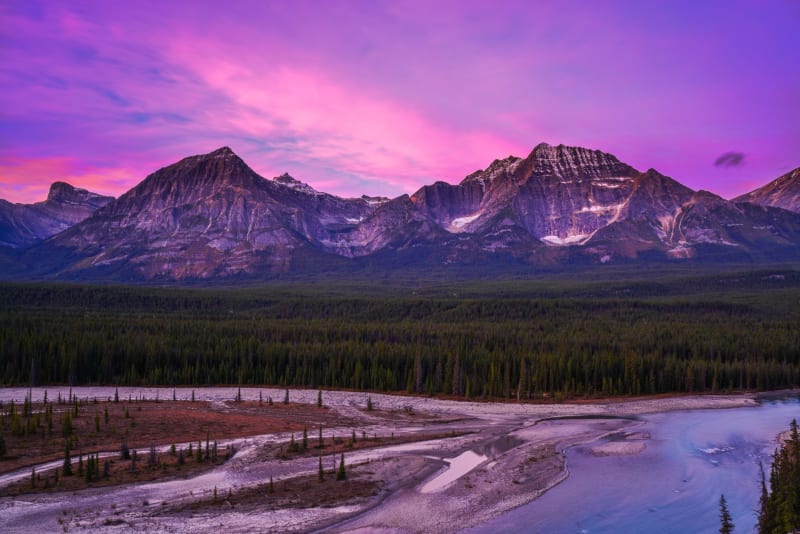 alberta
 Jasper
A mountain town that lets wolves and elk set the tone — wilder, quieter, and less polished than Banff in all the right ways.
Explore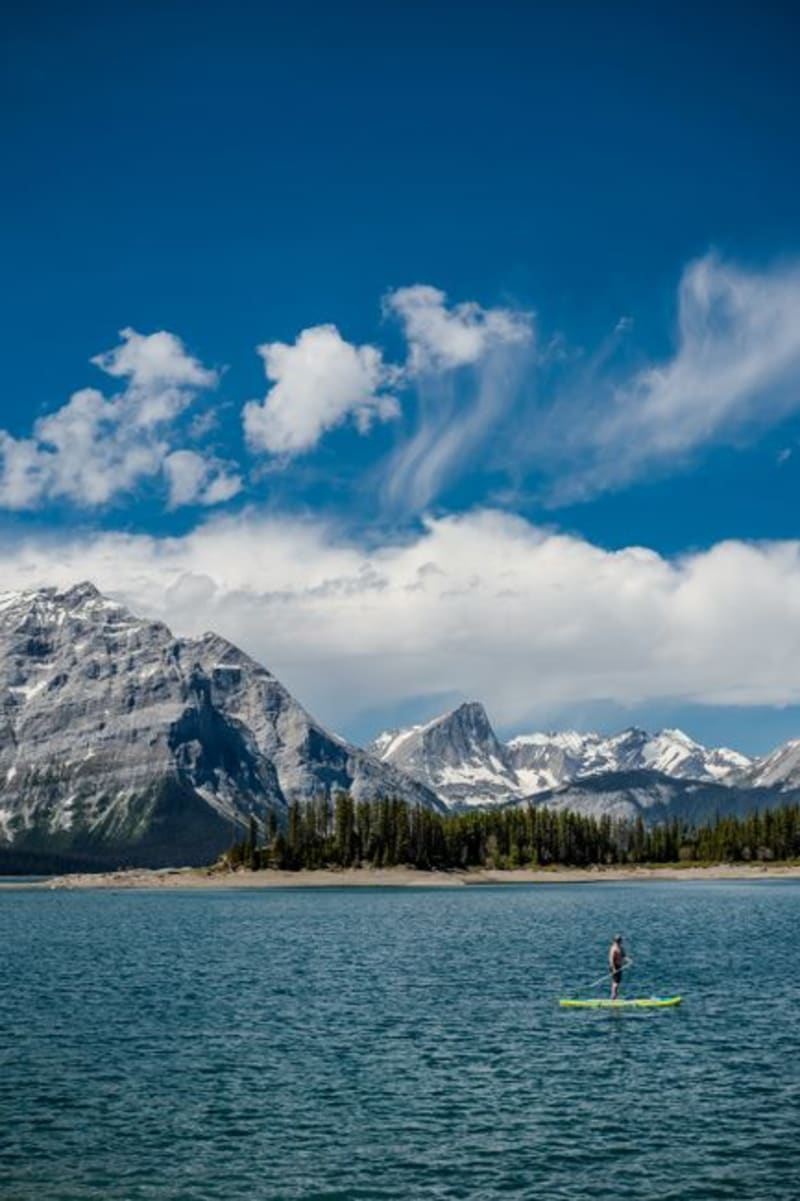 alberta
 Kananaskis Country
A sprawling network of provincial parks and wilderness west of Calgary, essentially a second, less-visited Rockies experience that most people driving straight to Banff never think to stop for.
Explore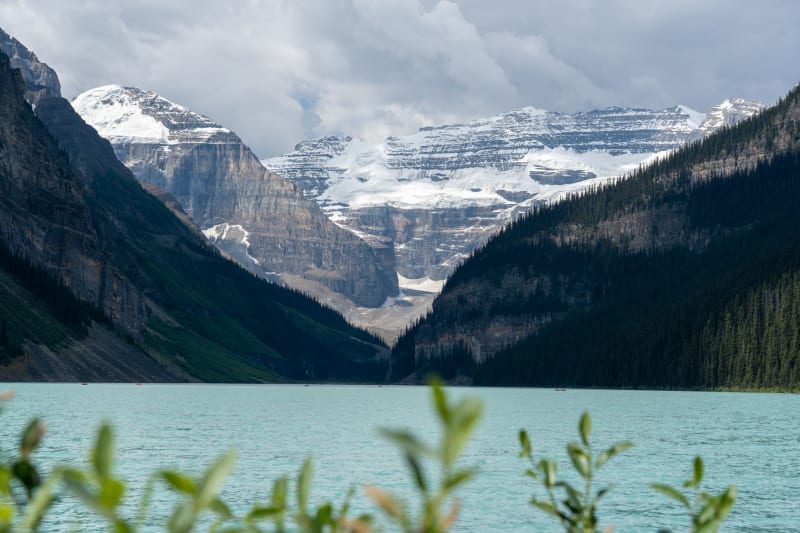 alberta
 Lake Louise
A glacial lake so improbably turquoise it looks like a postcard of itself, and somehow still delivers in person.
Explore