Middle East
Aegean Coast
"I anchored off a Lycian tomb and ate my lunch in its shadow."
Ancient marble crumbling into turquoise water, where Lycian tombs overlook gulet-dotted coves and figs fall ripe from trees nobody owns.

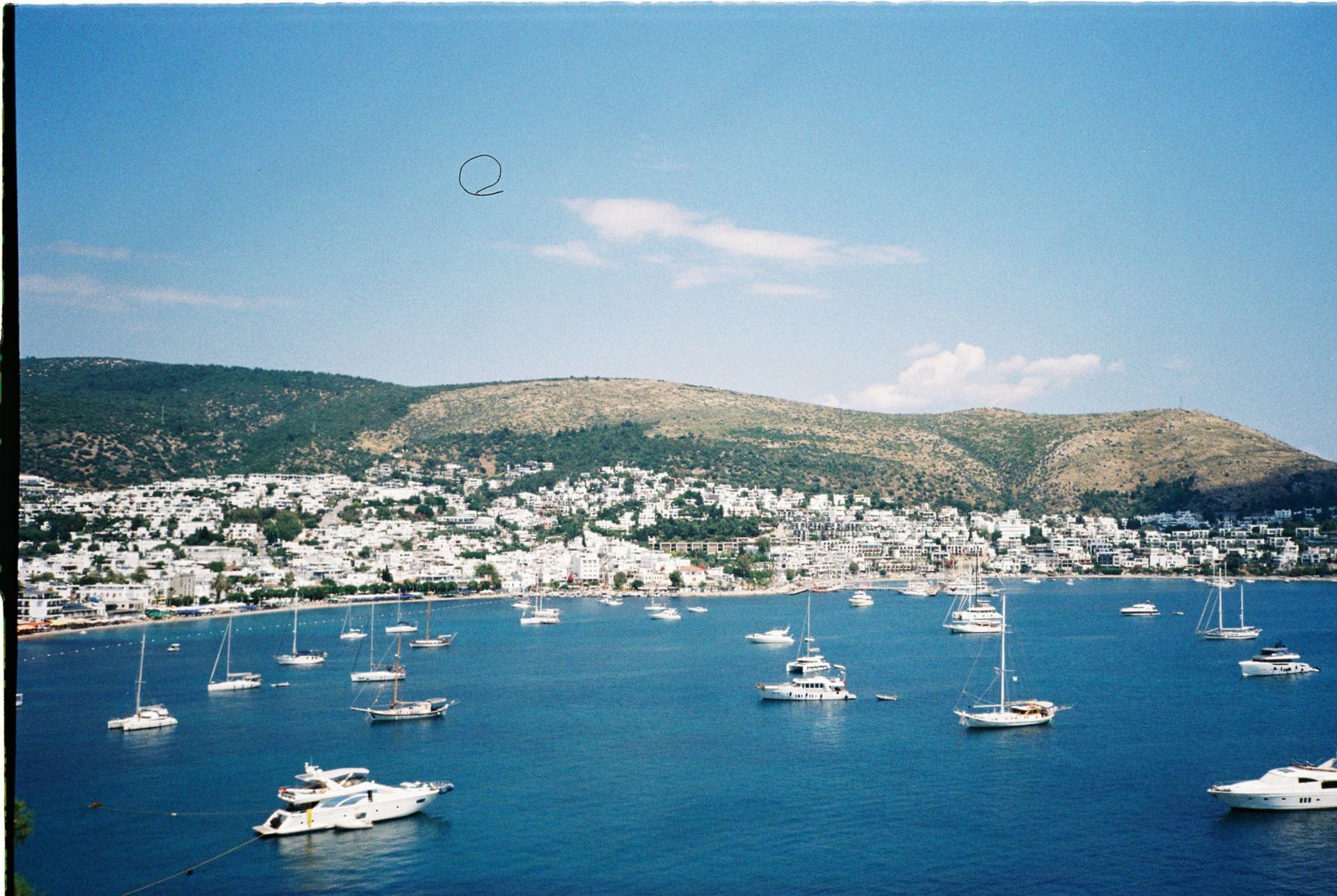
The first thing I noticed sailing into Bodrum was not the castle — it was the smell. Dried thyme and salt and something faintly floral carried on the wind off the hills. We’d come from a week on the Greek islands and the contrast was immediate: cheaper, rawer, less managed. The marina was loud with Turkish pop music and the hagglers along the waterfront had a cheerful aggression that the sanitized resort towns of Kos had long traded away. I liked it immediately.
Turkey’s Aegean coast runs roughly from Çanakkale in the north — where the Dardanelles squeeze between continents — down to Kaş and the beginnings of the Turquoise Coast, covering several hundred kilometers of terrain that contains more ancient ruins per square kilometer than anywhere I’ve been outside of Rome. Ephesus draws the crowds and deserves them: walking the marble-paved Curetes Street toward the Library of Celsus in early morning light, before the tour buses arrive, is genuinely moving. But the sites that stayed with me were the quieter ones. Priene, perched above a flood plain that was once the Aegean Sea, where I climbed to the Temple of Athena and ate warm figs from a tree growing through a column base. Didyma’s oracle temple at dusk, with local families picnicking in the shadow of columns that dwarf any ruin in Greece. The Lycian rock tombs carved high into cliff faces at Dalyan, best seen from a flat-bottomed river boat at the pace of the current.
The food on this coast deserves its own paragraph. Meze here is not a starter — it is an architecture. A proper table at a meyhane begins with cold plates: white bean salad with red onion and sumac, smoked aubergine with yogurt, stuffed grape leaves still warm from the kitchen, köfte of a density that suggests someone’s grandmother is in the back applying genuine pressure. Then comes the balık — whatever came off the boats that morning, grilled simply, with nothing between you and the fish but a squeeze of lemon. Eat slowly. Order the house wine even if it sounds risky. It usually isn’t.
When to go: Late April through June, or September and October. The water is warm by May, the ruins are not yet baking at 40°C, and the gulet charters haven’t reached peak pricing. July and August are viable only if you embrace the heat as part of the experience and book accommodation months in advance.
What most guides get wrong: They route everyone through Ephesus and Bodrum and call it the Aegean. The best of this coast is slower and further south — the boat journeys between Göcek and Kaş, the market towns of Muğla province, the village pensions where breakfast appears unbidden and nobody has a menu. The ruins are the backdrop, not the point. The point is learning to move at the speed of the water.
Explore
Places in Aegean Coast
 aegean-coast-turkey
 Akyaka
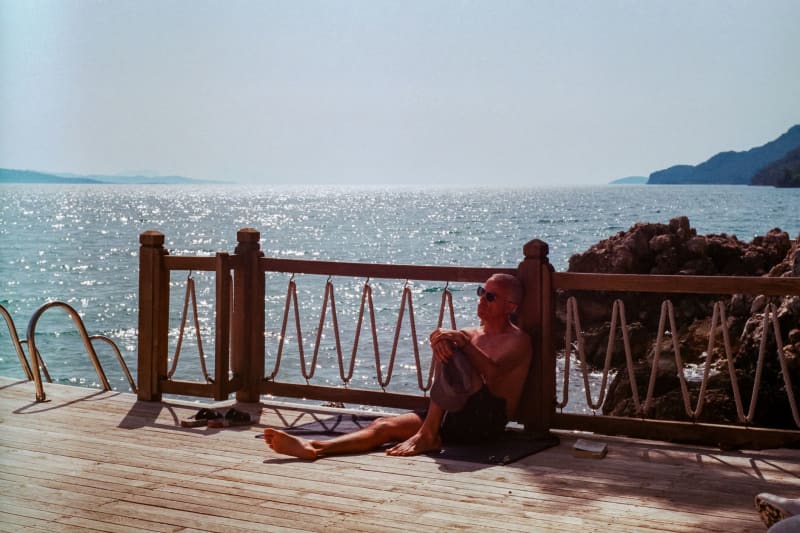
A slow-architecture village at the head of Gökova Bay where a spring-fed river runs cold through the reeds and nobody seems to be in any particular hurry.
Explore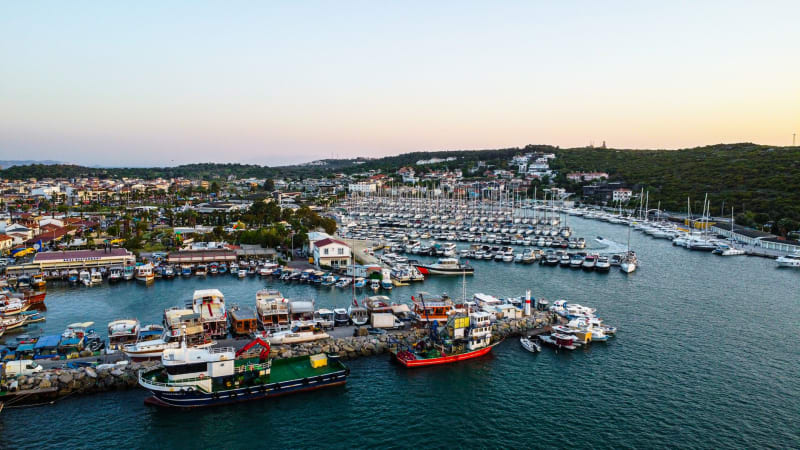 aegean-coast-turkey
 Alaçatı
A stone Ottoman village turned windsurfers' mecca — ancient windmills on the ridge, bougainvillea in the streets, and the most elaborate breakfast table in Turkey.
Explore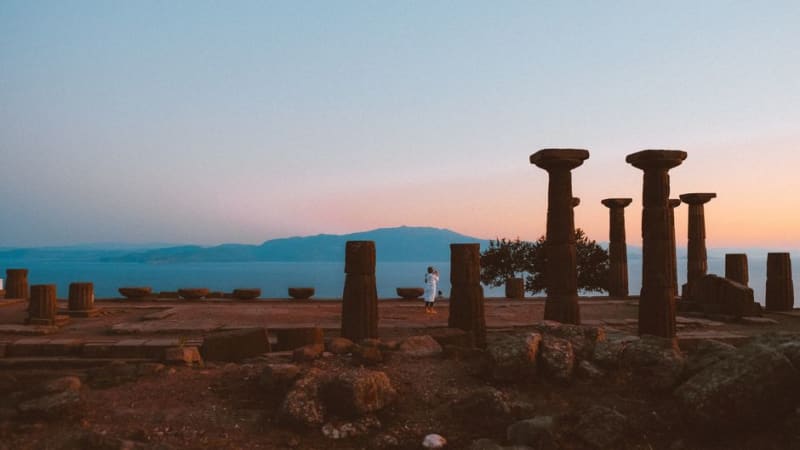 aegean-coast-turkey
 Assos
A basalt harbor village beneath a cliff-top Temple of Athena where Aristotle once ran a school, close enough to the Greek island of Lesbos to watch its lights come on at dusk.
Explore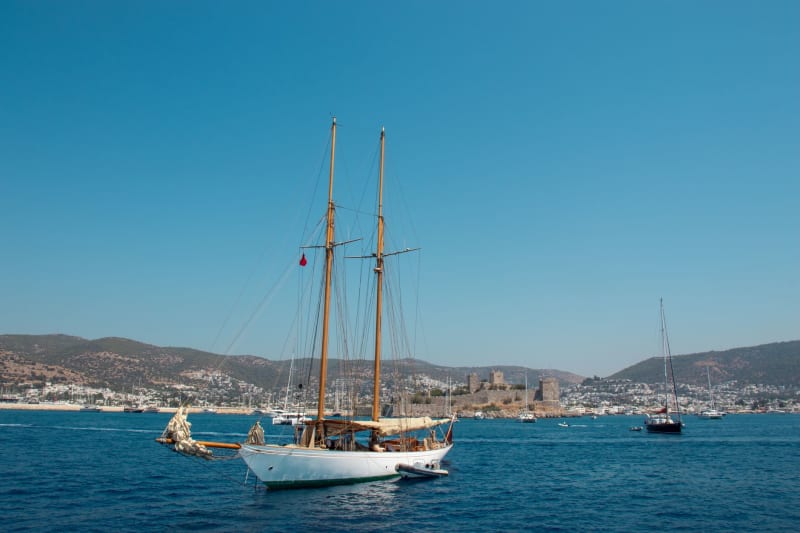 aegean-coast-turkey
 Bodrum
A harbor city where a Byzantine castle and gulet-builders' workshops coexist cheerfully with one of Turkey's most relentless nightlife scenes.
Explore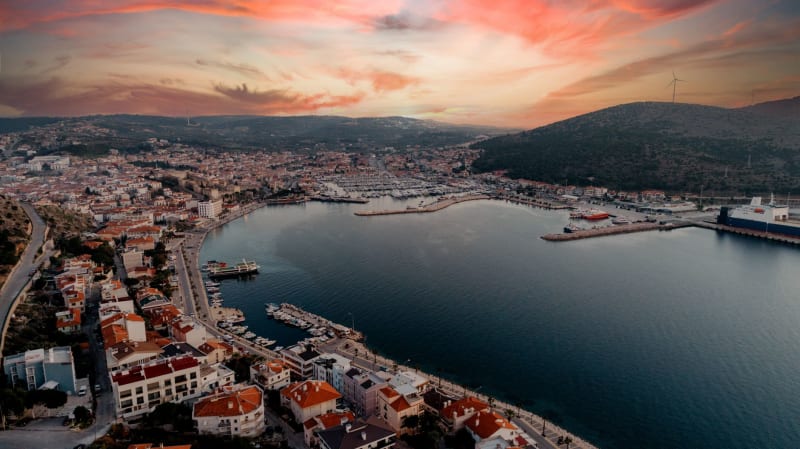 aegean-coast-turkey
 Çeşme
A whitewashed Aegean peninsula where a Genoese fortress faces Chios and the seafood meyhanes are stubbornly, unapologetically local.
Explore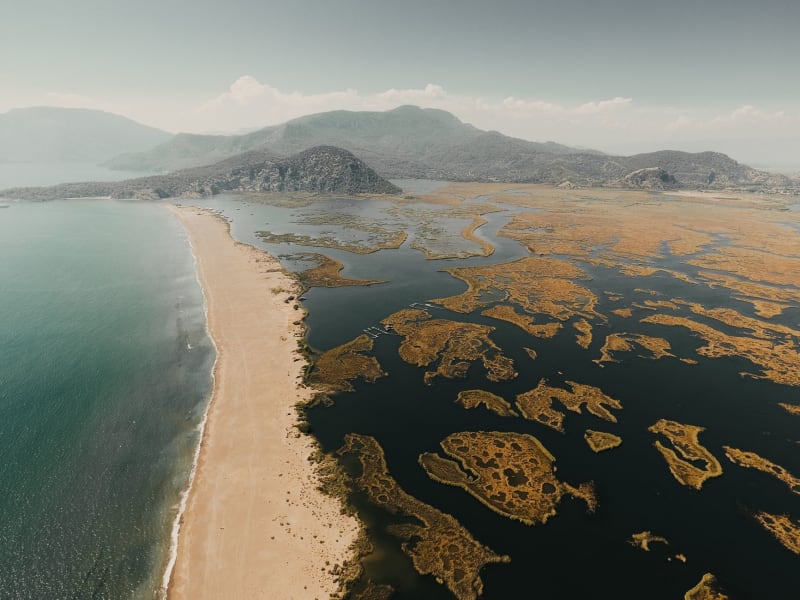 aegean-coast-turkey
 Dalyan
A river delta where Lycian rock tombs glow in the cliff face above the reeds and loggerhead turtles still nest on the long curved beach below.
Explore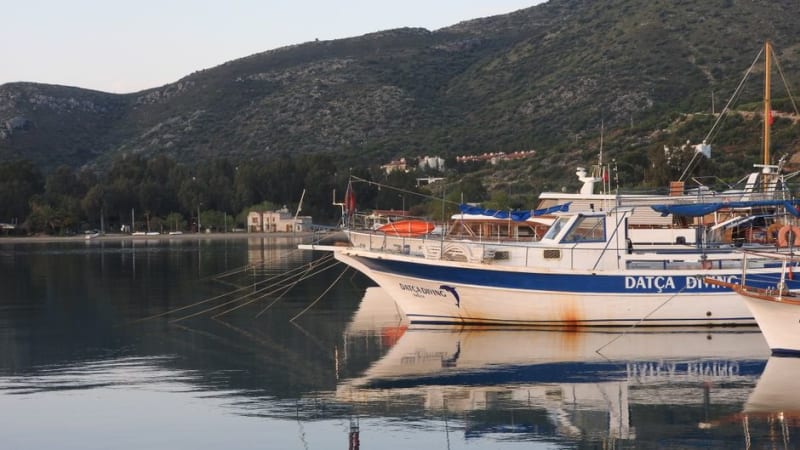 aegean-coast-turkey
 Datça
A slim peninsula town of almond orchards and thyme-covered hills, dangling between two seas at the point where the Aegean and Mediterranean argue over which one gets to claim the coastline.
Explore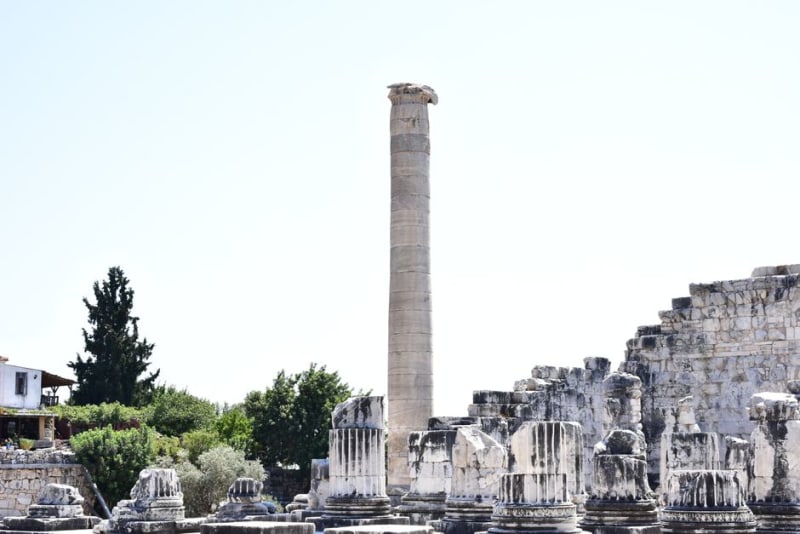 aegean-coast-turkey
 Didyma
A colossal oracle temple to Apollo that never got finished being built, its unfinished drums stacked exactly where the masons left them twenty-three centuries ago.
Explore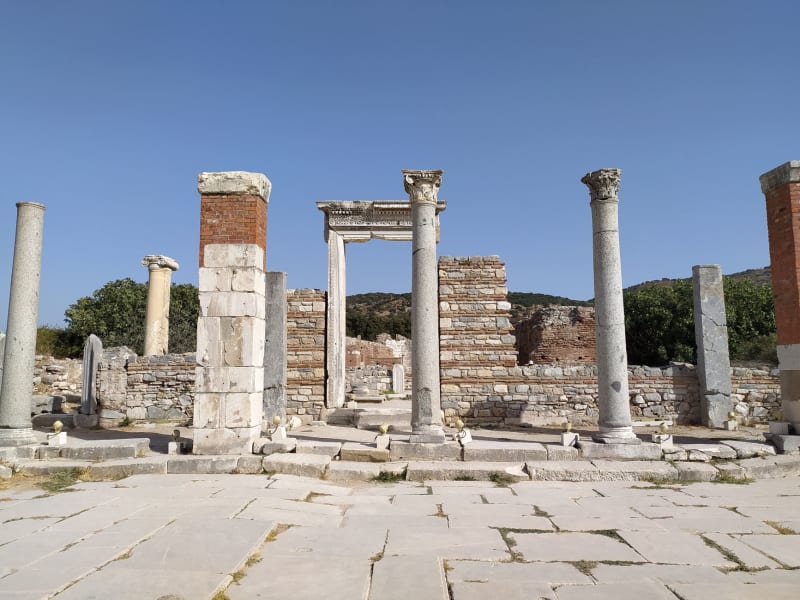 aegean-coast-turkey
 Ephesus
The most intact ancient city in the Mediterranean — where marble-paved streets and a library façade two thousand years old make time feel genuinely negotiable.
Explore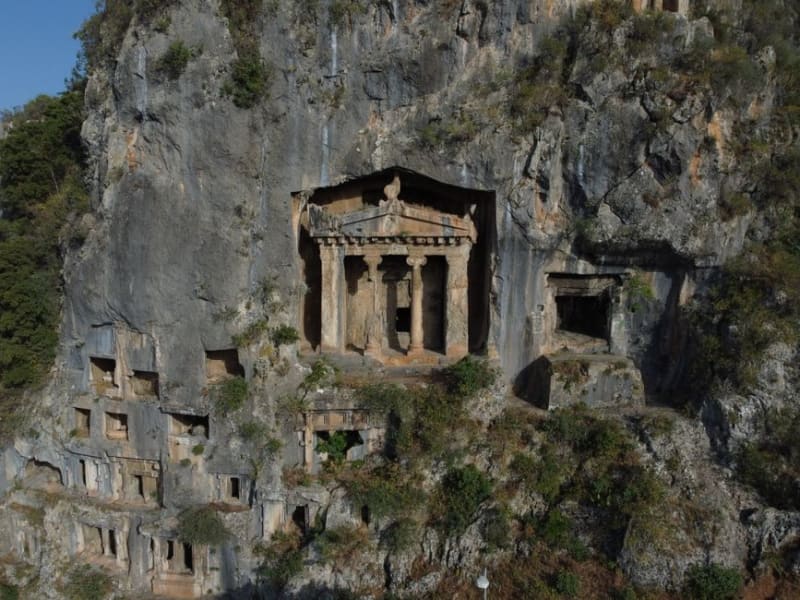 aegean-coast-turkey
 Fethiye
A working harbor town built over ancient Telmessos, where Lycian rock tombs are carved directly into the cliff above the fish market and the Friday bazaar smells of every spice in Anatolia.
Explore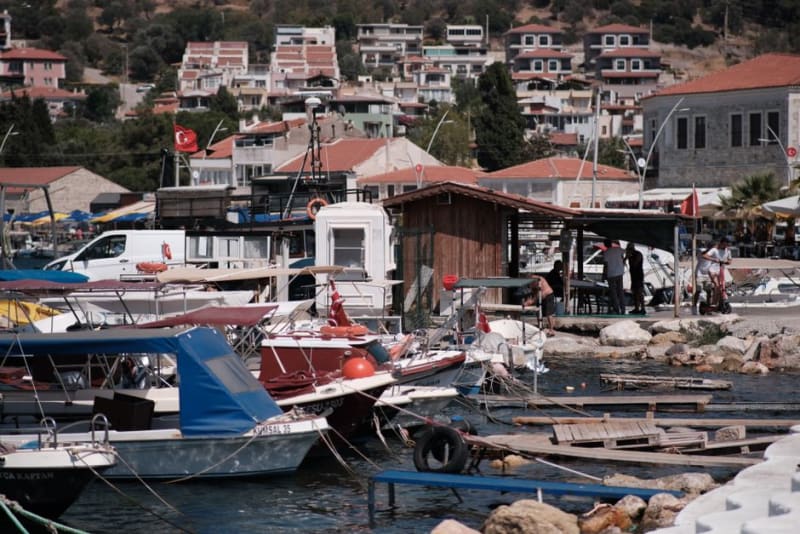 aegean-coast-turkey
 Foça
A former Genoese fortress town where twin rock islets guard a bay full of the Mediterranean monk seals that gave the ancient city its Greek name.
Explore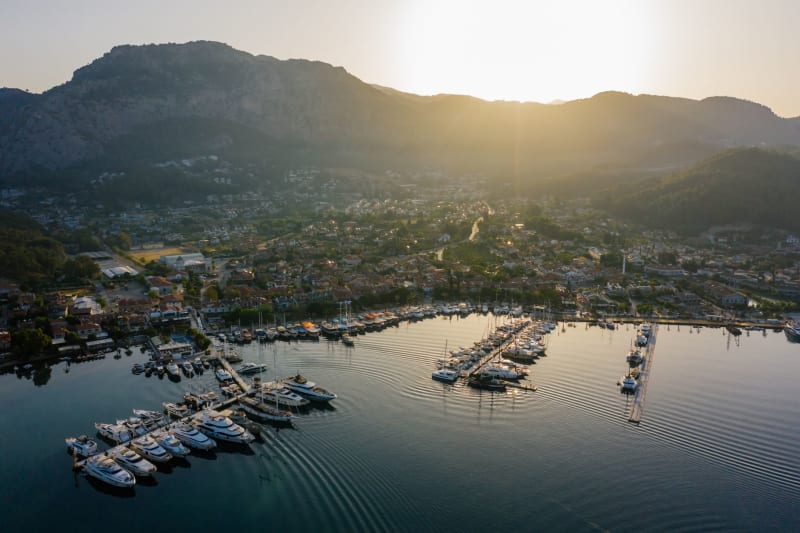 aegean-coast-turkey
 Göcek
A quiet pine-wrapped harbor that serves as the launching point for Turkey's Blue Voyage — twelve islands and the clearest water on the Aegean.
Explore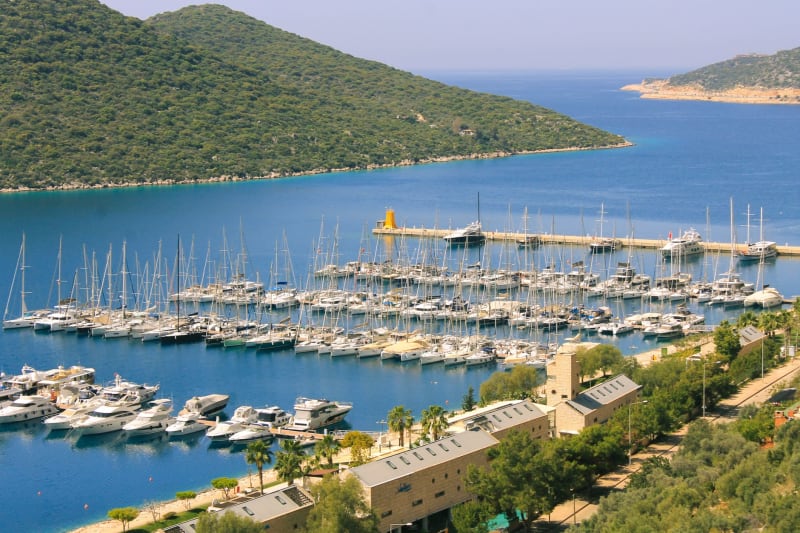 aegean-coast-turkey
 Kaş
A harbor town where Lycian sarcophagi sit at street corners like forgotten furniture and the Greek island of Kastellorizo floats visible across the water.
Explore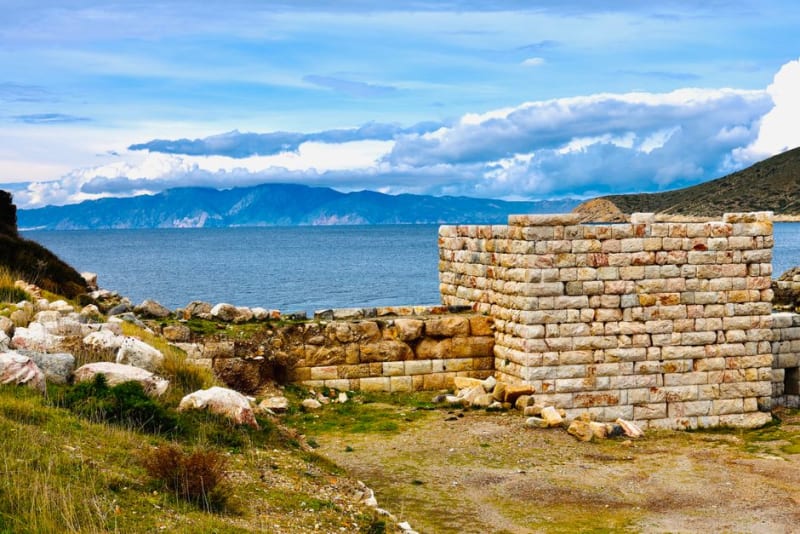 aegean-coast-turkey
 Knidos
A ruined city split across two harbors at the very tip of the Datça peninsula, once home to the ancient world's most famous nude statue and now home to almost nobody at all.
Explore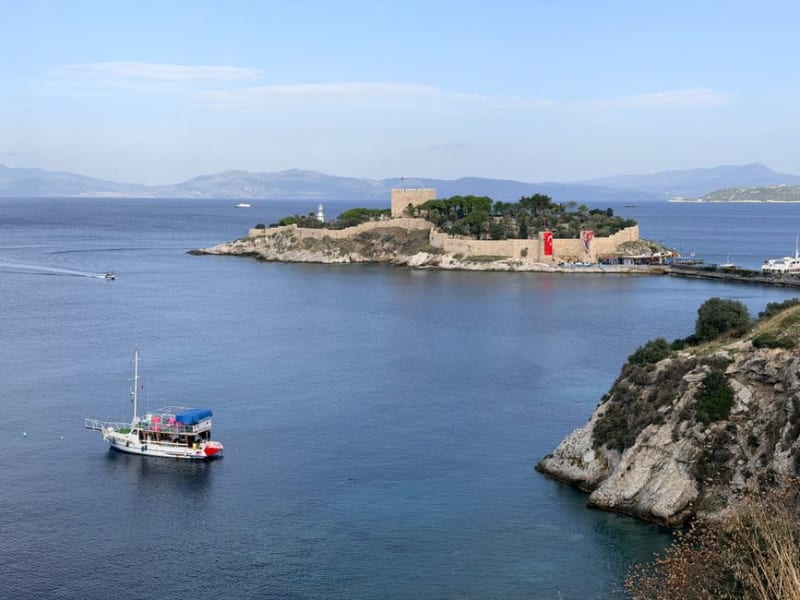 aegean-coast-turkey
 Kuşadası
A cruise-ship port town built around a tiny fortified island connected to the mainland by a stone causeway, with a national park of pine-covered ridges and wild boar just south of the marina crowds.
Explore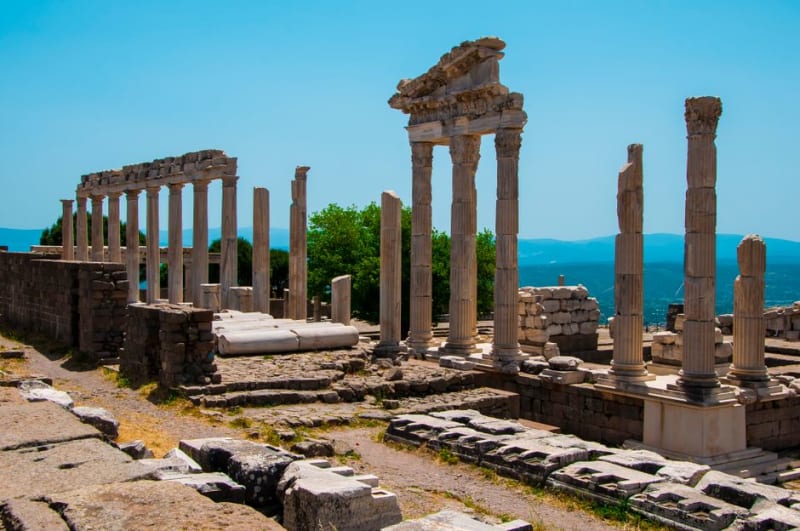 aegean-coast-turkey
 Pergamon
A hilltop acropolis so steep the ancient theater seems to pour straight down the mountainside, and a healing sanctuary below where Roman patients once walked a tunnel toward the sound of trickling water.
Explore