Şirince
"They named the village Ugly to discourage visitors. I have rarely seen a worse-named place in my life."
A hillside village of stone Greek houses and vineyard terraces, built by Ottoman Greeks who supposedly named it 'Ugly' on purpose to keep outsiders away — it did not work.

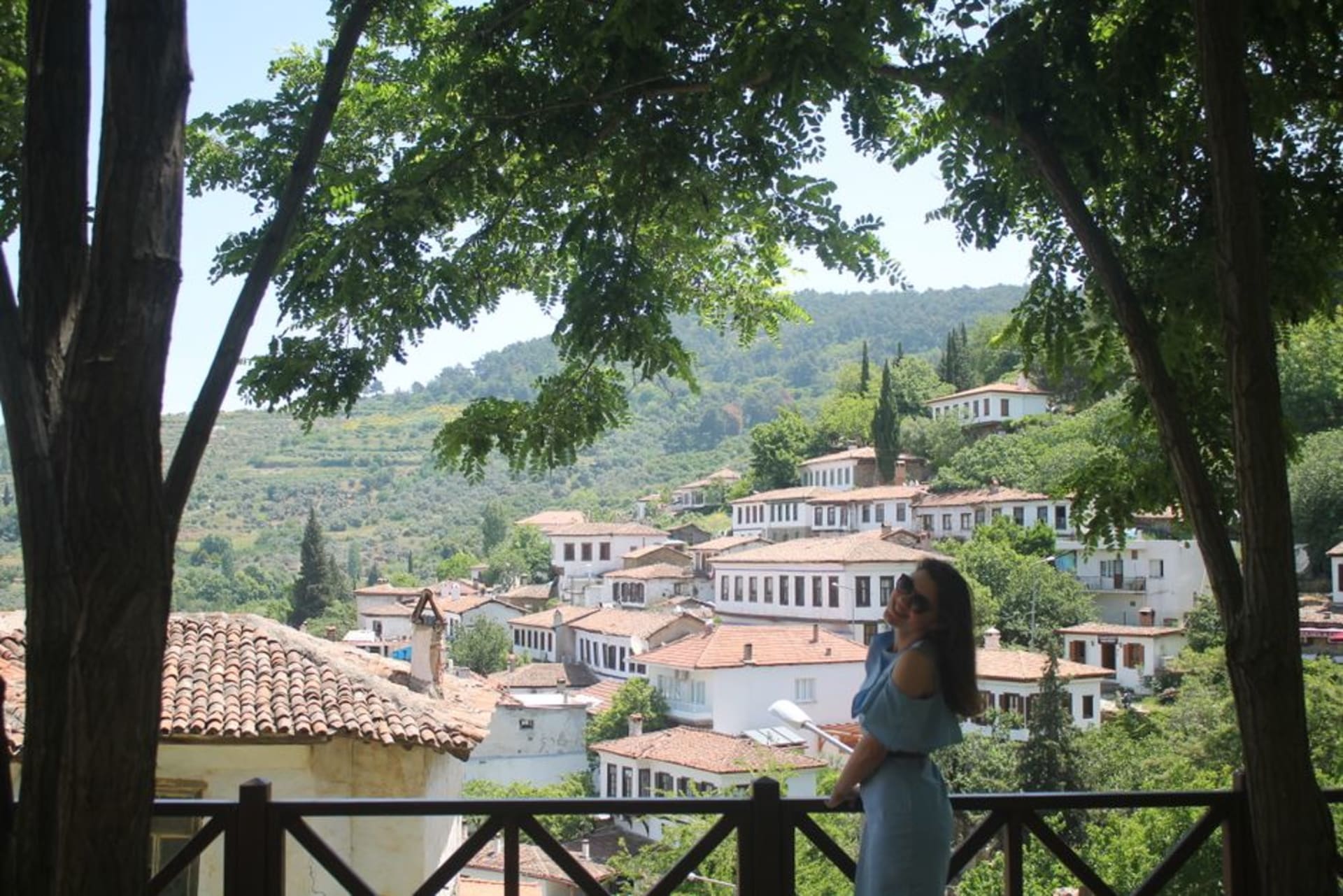
The story goes that freed Ottoman Greek slaves settled this hillside in the nineteenth century and deliberately named it Çirkince — Ugly — hoping the name itself would keep tax collectors and land-grabbers from bothering to visit. The Turkish government eventually softened it to Şirince, meaning Pleasant, sometime in the twentieth century, which is a considerably more honest description of a village built from golden stone houses climbing a terraced hillside above vineyards, a short but steep drive from the ruins of Ephesus and Selçuk below.
I arrived by dolmuş from Selçuk on a weekday morning and spent most of the day simply wandering the narrow lanes, which loop and double back on themselves in a way that made me lose my sense of direction almost immediately and stop minding. The Greek architectural heritage is everywhere — arched doorways, overhanging upper floors, shuttered windows painted in fading blues — and two old Greek Orthodox churches sit at either end of the village, one restored as a small museum and one left in partial, atmospheric ruin, its frescoes visible in patches on walls open to the sky.

Şirince has become, somewhat to its own detriment, a serious wine village — the local fruit wines made from quince, blackberry, and pomegranate are sold in nearly every second shopfront, and a fair amount of what’s poured for tourists is sweeter and less serious than it could be. But I found a small family-run winery on the upper edge of the village pouring a dry local red made from an indigenous grape variety, served on a terrace overlooking the vineyard terraces themselves, and drank two glasses slowly while the light went gold over the valley. It was, without exaggeration, one of the best hours of the whole trip.

The village does get crowded — tour buses from the cruise ships docking at Kuşadası arrive by midday and fill the central lanes with a different energy entirely, loud with haggling over lace tablecloths and olive oil soap. If you can, arrive early or stay overnight in one of the small stone guesthouses; by evening, once the buses leave, the village returns to something closer to what it must have felt like a century ago.
When to go: Weekday mornings or any evening after the day-trip buses leave. Late September through October coincides with the grape harvest and gives the vineyard terraces their best color.
Keep exploring
More from Aegean Coast
 aegean-coast-turkey
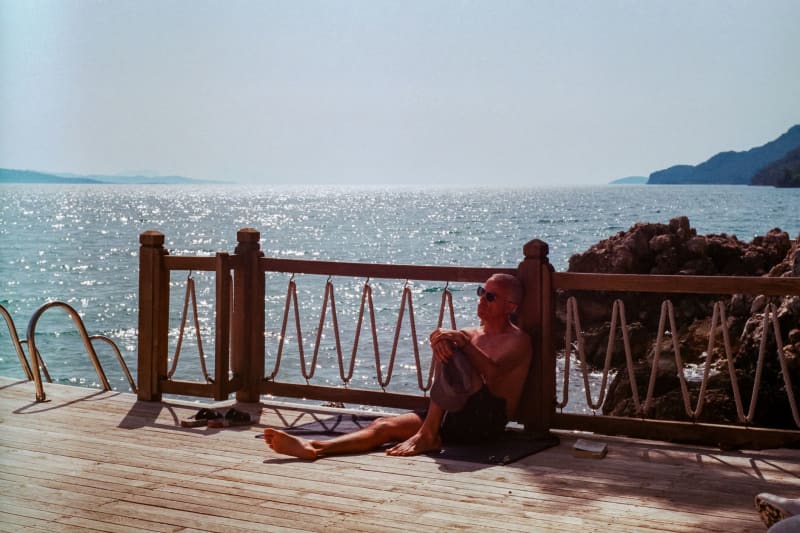
 Akyaka
A slow-architecture village at the head of Gökova Bay where a spring-fed river runs cold through the reeds and nobody seems to be in any particular hurry.
Explore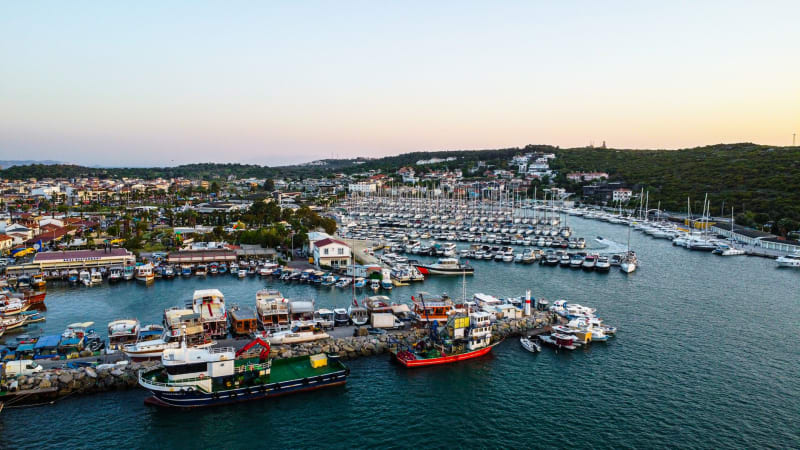 aegean-coast-turkey
 Alaçatı
A stone Ottoman village turned windsurfers' mecca — ancient windmills on the ridge, bougainvillea in the streets, and the most elaborate breakfast table in Turkey.
Explore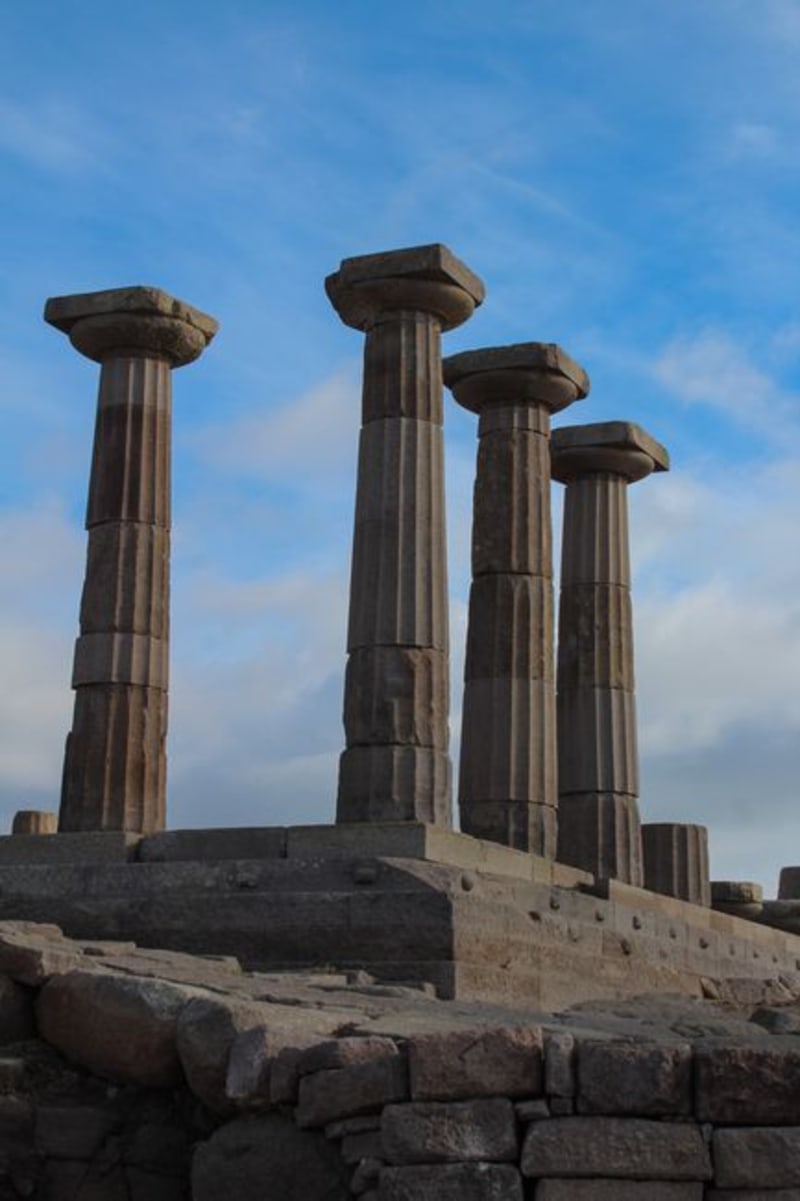 aegean-coast-turkey
 Assos
A basalt harbor village beneath a cliff-top Temple of Athena where Aristotle once ran a school, close enough to the Greek island of Lesbos to watch its lights come on at dusk.
Explore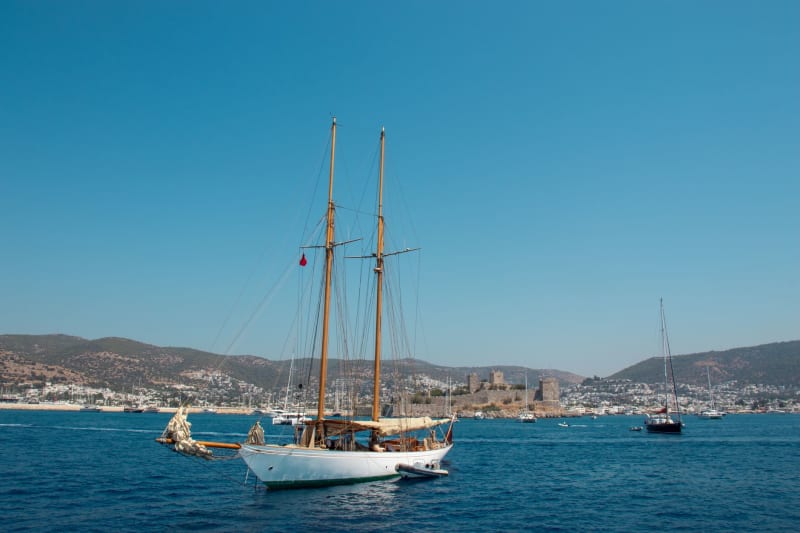 aegean-coast-turkey
 Bodrum
A harbor city where a Byzantine castle and gulet-builders' workshops coexist cheerfully with one of Turkey's most relentless nightlife scenes.
Explore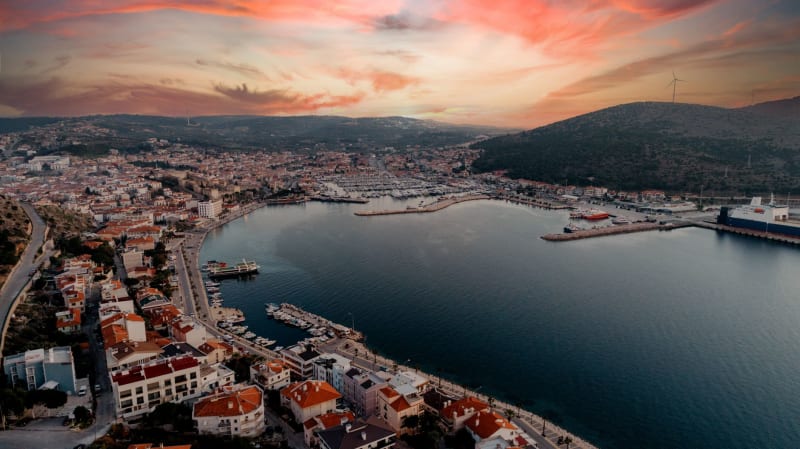 aegean-coast-turkey
 Çeşme
A whitewashed Aegean peninsula where a Genoese fortress faces Chios and the seafood meyhanes are stubbornly, unapologetically local.
Explore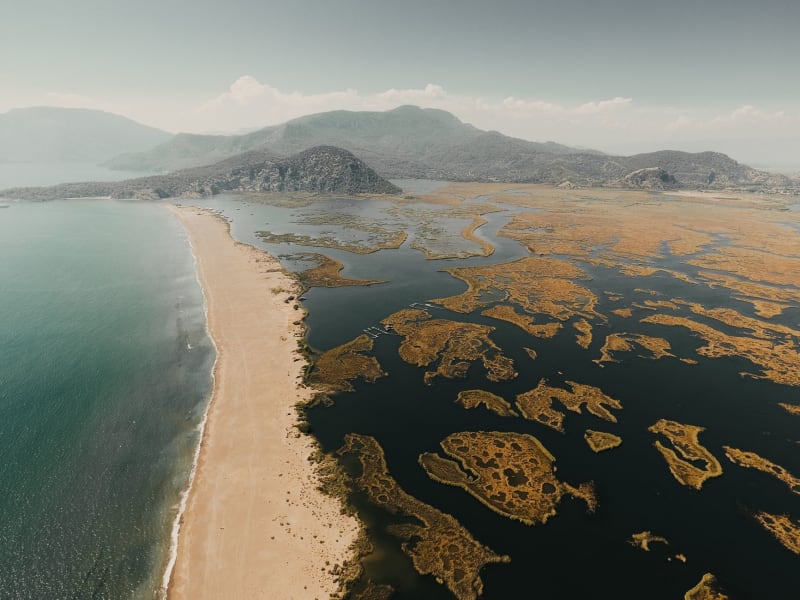 aegean-coast-turkey
 Dalyan
A river delta where Lycian rock tombs glow in the cliff face above the reeds and loggerhead turtles still nest on the long curved beach below.
Explore