
Çeşme
"I ordered the same sea bream two nights in a row. On the second night the owner brought it without being asked."
A whitewashed Aegean peninsula where a Genoese fortress faces Chios and the seafood meyhanes are stubbornly, unapologetically local.

The ferry from Chios takes forty-five minutes, and the transition is striking — same sea, same latitude, different planet. The Greek island is dusty and orderly and slightly melancholy; Çeşme is white and loud and smells of frying fish and mastic, that extraordinary resin harvested from lentisk trees that Chios also produces but that Turkey has turned into an entire flavoring tradition. Mastic ice cream. Mastic liqueur. Mastic-flavored lokum. Mastic in the bread. By the second day I was putting it in everything voluntarily.
The Genoese castle at the center of town is from the fourteenth century, built by the same republic that built fortresses from Crimea to Cyprus, and it watches over the harbor with the quiet authority of something that has survived several occupying powers without particular distress. Inside is an archaeological museum housing finds from the region’s Bronze Age settlements and a lion statue from the Erythrae site that stops you with its scale. The castle grounds are where Çeşme’s evening social life migrates in summer — concerts and events on a program that the locals treat as their own regardless of tourist presence.

The eating here is serious in a way that doesn’t announce itself. The fish market operates every morning along the harbor, and the restaurants that serve it don’t bother with laminated tourist menus — you choose from what’s written on a blackboard and the waiter will tell you, with calm authority, which of those options is the right one today. I ate sea bream twice at the same table at a meyhane run by a woman in her fifties who came to check on me with the particular expression of someone ensuring their work is being properly appreciated. It was. The cold meze that preceded the fish — white bean salad with red onion and dill, smoked aubergine with a drizzle of pomegranate molasses, stuffed mussels still warm from the kitchen — set a standard that made everything that came after better.
The coastline beyond Çeşme town is the surprise. The peninsula opens into wide sandy beaches and shallow turquoise water that gives the northern Aegean a genuinely Mediterranean character. The town beach has an easy confidence — families with picnic spreads, old men playing backgammon in the shade of a waterfront café, teenage boys throwing themselves off the harbor wall into the water below and doing it again.

South of Çeşme, the hot spring at the beach near Ilıca is a peculiarity worth experiencing: warm water bubbles up from the sand in the shallows, creating pockets of thermal warmth in the otherwise cool Aegean. You wade out and find it — the temperature change is immediate and almost startling, like stepping from one climate into another without moving.
When to go: June and September are perfect. July and August bring the full exodus from İzmir — Çeşme is the city’s sea escape, and the roads fill accordingly. The mastic harvest happens in late summer; if you visit in September you may find fresh mastic resin in the market, which is something different entirely from the dried and packaged version.
Keep exploring
More from Aegean Coast
 aegean-coast-turkey
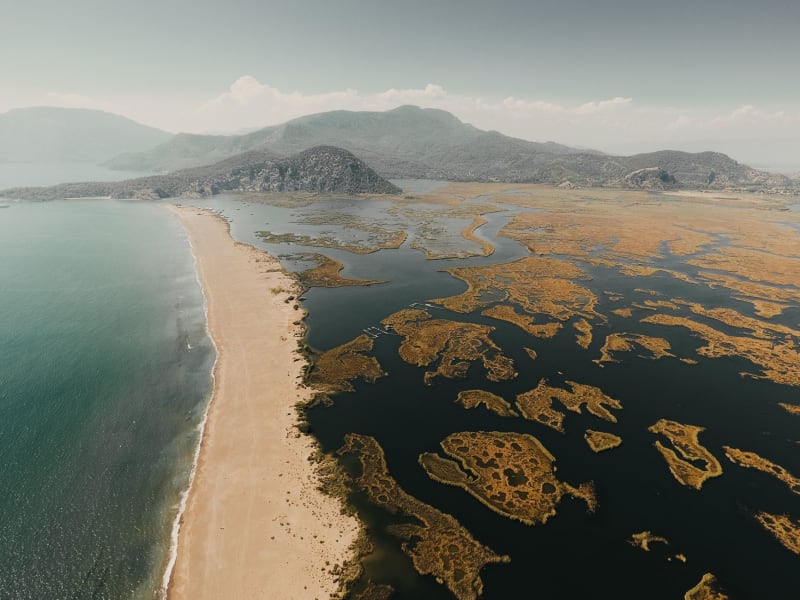
Dalyan
A river delta where Lycian rock tombs glow in the cliff face above the reeds and loggerhead turtles still nest on the long curved beach below.
Explore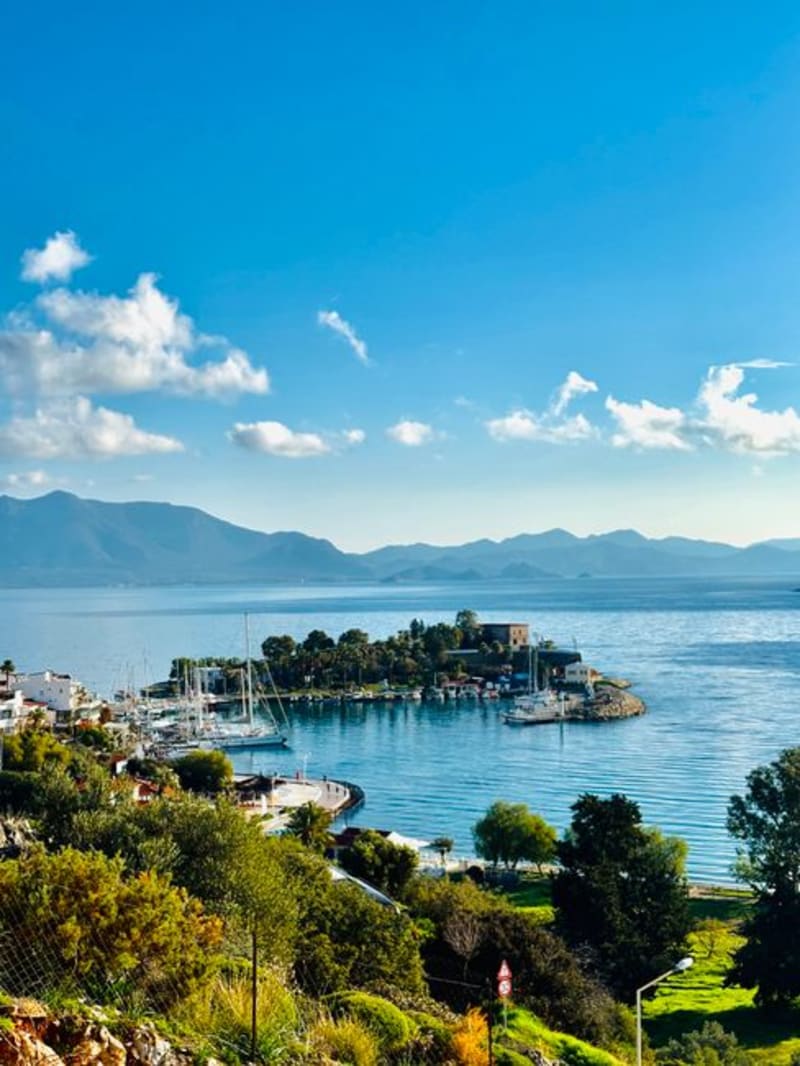 aegean-coast-turkey
Datça
A slim peninsula town of almond orchards and thyme-covered hills, dangling between two seas at the point where the Aegean and Mediterranean argue over which one gets to claim the coastline.
Explore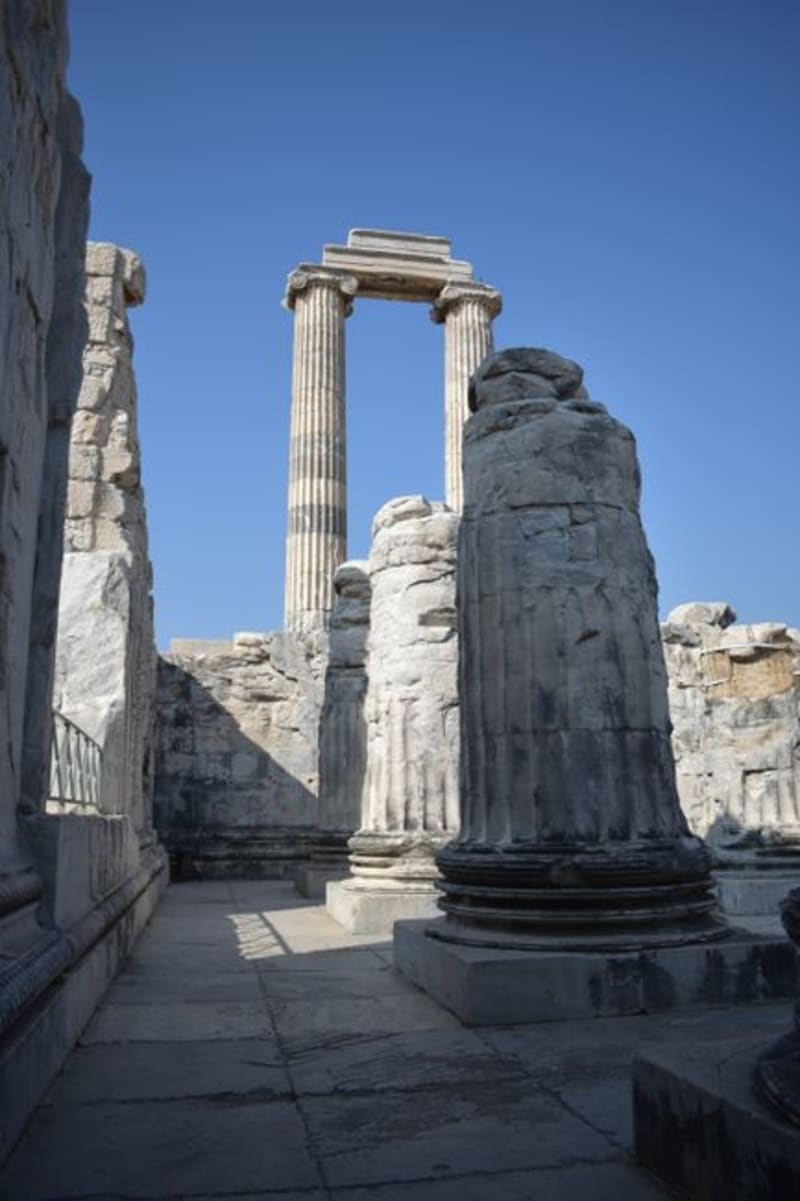 aegean-coast-turkey
Didyma
A colossal oracle temple to Apollo that never got finished being built, its unfinished drums stacked exactly where the masons left them twenty-three centuries ago.
Explore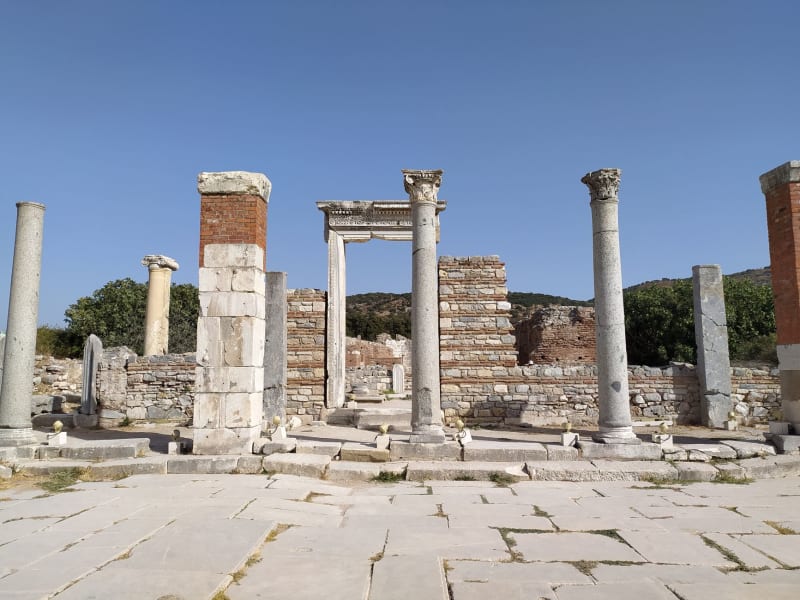 aegean-coast-turkey
Ephesus
The most intact ancient city in the Mediterranean — where marble-paved streets and a library façade two thousand years old make time feel genuinely negotiable.
Explore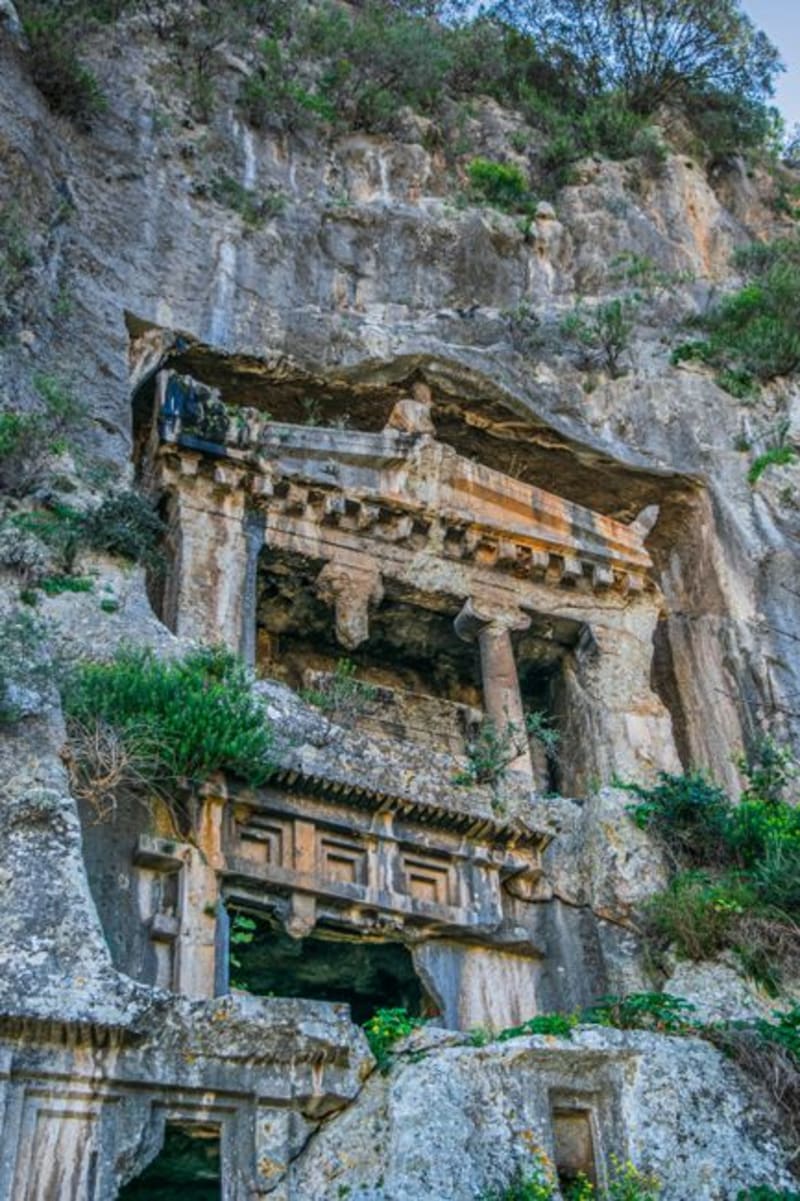 aegean-coast-turkey
Fethiye
A working harbor town built over ancient Telmessos, where Lycian rock tombs are carved directly into the cliff above the fish market and the Friday bazaar smells of every spice in Anatolia.
Explore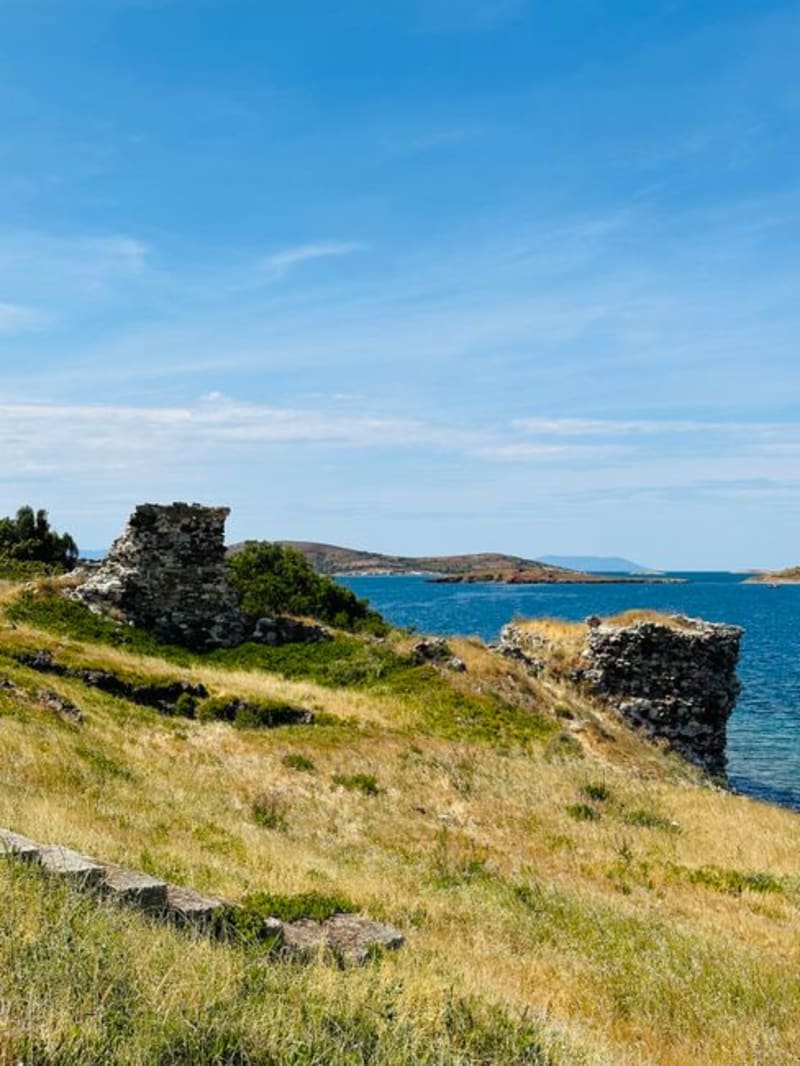 aegean-coast-turkey
Foça
A former Genoese fortress town where twin rock islets guard a bay full of the Mediterranean monk seals that gave the ancient city its Greek name.
Explore