Penang — A Week of Eating Without Walls
The Argument for Penang
I have eaten street food on five continents. The taco stands of Mexico City, the night markets of Taipei, the smoke-filled grills of Oaxaca, the noodle carts of Bangkok. I have strong opinions about all of them. And I am telling you, with the full weight of that experience behind me: Penang is in the conversation for the best street food city on the planet. Not because any single dish is the greatest thing I have ever eaten — though a few came close — but because the density, the variety, the depth of tradition, and the sheer obsessive quality of what comes out of these hawker stalls adds up to something greater than any individual plate.
George Town’s food scene is not an attraction. It is a culture. The hawkers are not performing for tourists — many of them are third- or fourth-generation, cooking recipes that were old when their grandparents learned them. They start at dawn and they close when they sell out, which for the good ones means noon. The stalls do not have menus. They have one dish, maybe two, and they make it better than anyone else on the island. This specialization, this monastic devotion to a single preparation, is what elevates Penang from excellent to extraordinary.
Lia and I arrived from Langkawi on a ferry that docked at the Swettenham Pier terminal, walked twenty minutes into the old town, checked into a shophouse hotel on Love Lane, and went looking for lunch. We did not stop eating for five days.
The Dishes That Changed Me
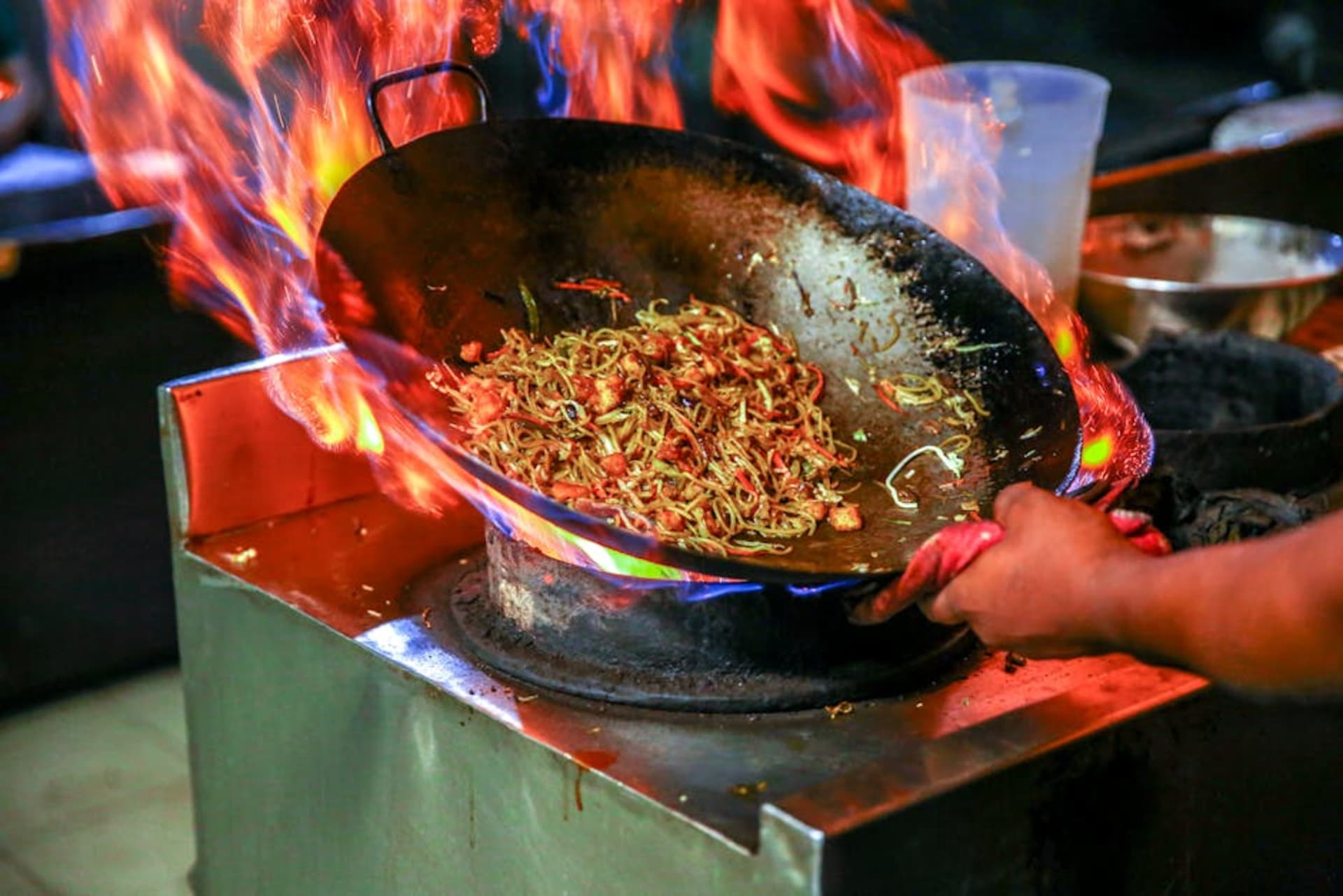
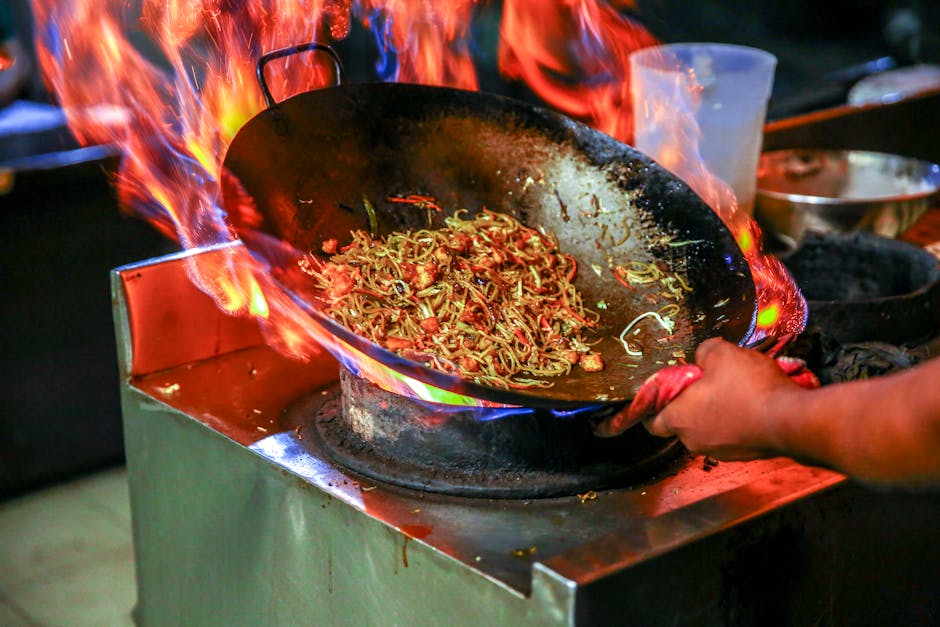
Char kway teow at Sister’s Char Kway Teow on Lebuh Macallum. This is the one. I had eaten char kway teow before — in KL, in Singapore, in every food court in Southeast Asia that claims to make it properly. None of them prepared me for this. The aunty — everyone calls her Aunty, though I never learned her name — fries each plate individually over charcoal, and the wok hei — that elusive smoky breath of the wok — is so intense it perfumes the entire street. The noodles are flat, the prawns are fresh, the egg is just set, the bean sprouts are crunchy, and the whole thing arrives on a plate so hot you burn your fingers reaching for the first forkful. I ate it in three minutes. I got back in line for a second plate. She closed at noon because she had sold out.
Asam laksa at the stall next to the Balik Pulau wet market. Most tourists eat their asam laksa in George Town and declare it magnificent. It is. But the version across the island in Balik Pulau — the rural, durian-farming side of Penang that most visitors never see — is something else. The broth is darker, more sour, the mackerel flavour more pronounced, and the torch ginger flower gives it a floral undertone that made me stop chewing and just sit with the taste for a moment. The stall had no name, no sign, nothing but a woman with a pot and a queue. Sometimes the best restaurants in the world have no walls.
The Morning Ritual
Penang mornings are for noodles. This is non-negotiable. We developed a routine: wake at seven, walk to a different hawker centre each day, and eat the thing the queue told us to eat. At the Lebuh Kimberly hawker centre — open only in the mornings — we had Hokkien mee, a prawn broth with thick yellow noodles and sliced pork that tasted like the sea distilled into a bowl. The broth is the star — hours of prawn heads and shells simmered into something so concentrated it coats the back of your spoon. The stall opens at seven and closes when the pot is empty, usually by eleven.
At the coffeeshop on Lorong Selamat, we had char kway teow from the famous stall run by yet another legendary aunty. This version uses a different technique — more lard, less hei, a darker colour — and the debate between this stall and Sister’s is one of Penang’s great culinary arguments. I cannot pick a winner. I refuse to. Both are perfect, and the difference between them is the difference between two masterpieces painted by different hands.
Nasi lemak — coconut rice with sambal, anchovies, peanuts, cucumber, and a hard-boiled egg — is technically a breakfast dish, but the versions served from banana-leaf-wrapped parcels at the morning markets are so good we ate them at every hour. The sambal is the key — each nasi lemak stall has its own recipe, and the range from sweet to volcanic is part of the adventure.
Beyond the Stalls
George Town is not only food, though it sometimes feels that way. The UNESCO old town is a layered thing — Chinese shophouses, Indian temples, Malay mosques, and colonial architecture existing in a proximity that reflects the island’s history as a trading port where cultures did not just coexist but fused. The Peranakan mansions on Church Street — particularly the Pinang Peranakan Mansion — are windows into a culture that blended Chinese and Malay traditions into something entirely new: the furniture, the beadwork, the food, the language. It is a culture born of collision, and Penang is its capital.
The clan jetties are the other essential walk. These stilt villages on Weld Quay are the last of their kind in George Town — Chinese clan communities built over the water, each named for the surname of the families who settled there. The Chew Jetty is the most visited, but we preferred the quieter Lim Jetty next door, where an old man was mending fishing nets and the only sound was water lapping against the wooden pilings. The jetties are living communities, not museums, and walking them at dusk — the strait turning gold, the mainland a dark line in the distance — is one of the most beautiful experiences in Southeast Asia.
The Last Night
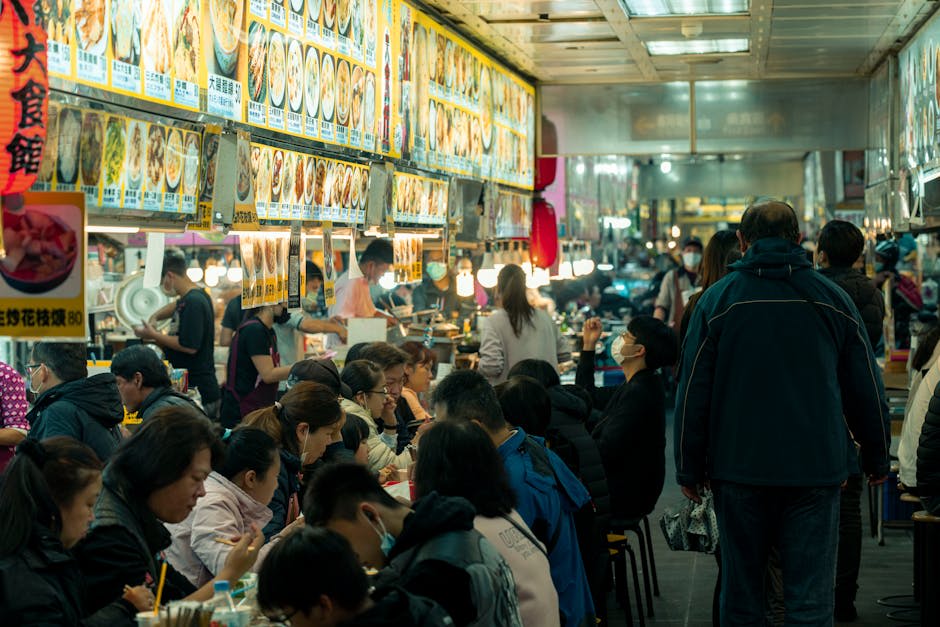
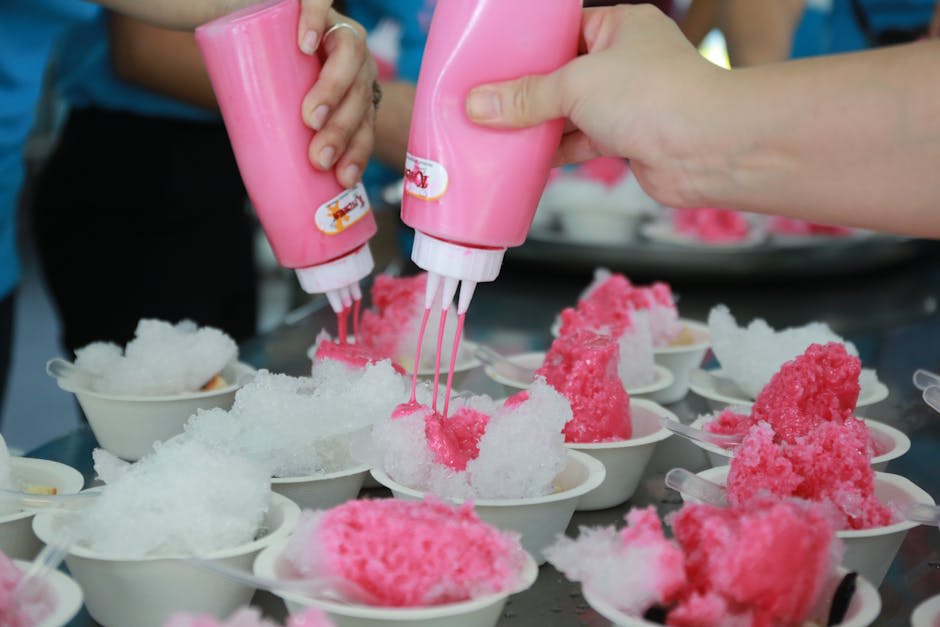
Our last evening in Penang, we walked to New Lane — a hawker street that opens at dusk and runs until midnight. We ordered everything: char kway teow (one last time), fried oyster omelette, pasembur (a Penang-specific salad with a sweet potato-flour sauce that sounds wrong and tastes extraordinary), and ice kacang — shaved ice with red beans, corn, jelly, and syrup, the kind of dessert that makes no architectural sense and provides total satisfaction.
We sat on plastic stools at a folding table, the steam from the woks drifting across the street, the sound of Hokkien and Malay and English blending into a single melody. A family at the next table ordered more food than seemed physically possible and ate all of it with the focused determination of people who understood that this was not just dinner but a cultural act.
I said to Lia that Penang had ruined me for street food everywhere else. She said that was dramatic. I said she was right, and also that I was right, and that both things could be true at the same time. She ordered another plate of char kway teow.
What to Know Before You Go
Penang’s hawker culture operates on its own schedule. Most stalls open for one meal — either morning or evening — and close when they sell out. The good ones sell out fast. Ask your hotel which stalls are operating that day and get there early. Carry cash — most hawker stalls do not accept cards. Eat with a fork and spoon, not chopsticks, unless you are eating noodle soup. And do not ask for the best char kway teow in Penang unless you are prepared for a thirty-minute debate, because everyone has an answer and none of them agree.
Voyagez avec intention
Guides sélectionnés, destinations paisibles et récits qui valent la peine d'être lus — envoyés quand nous avons quelque chose qui mérite d'être partagé.
Pas de spam. Désabonnement à tout moment.