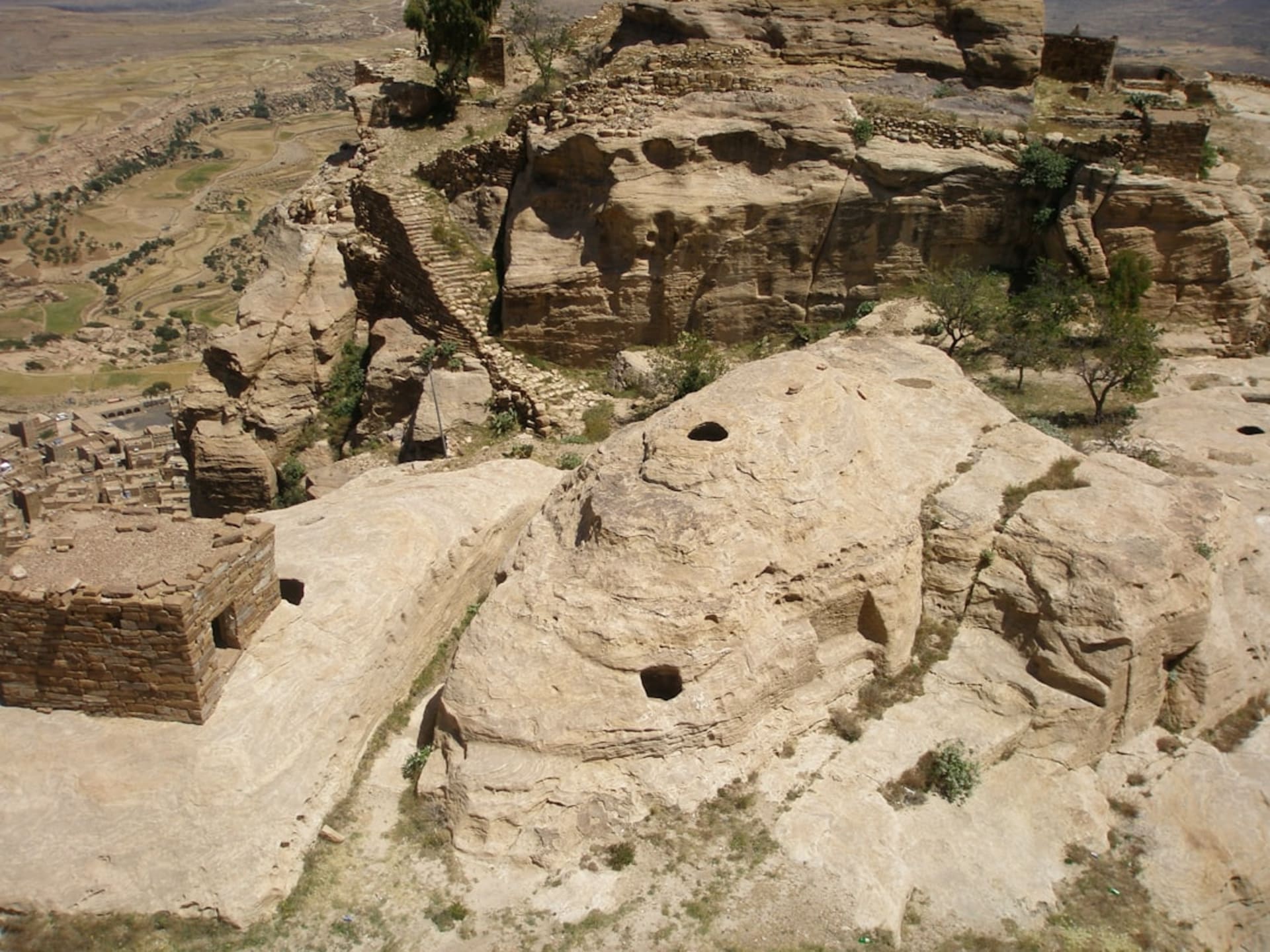
Zabid
"I got lost in Zabid on purpose, and every wrong turn led me past another door someone had spent a lifetime carving."
A sun-bleached maze of coral-brick houses where Yemen's oldest university once drew scholars from across the Islamic world.

I’ll admit I went to Zabid half-expecting a museum piece, something roped off and polished for visitors. It’s the opposite. The UNESCO plaque is there, tucked near the old mosque, but the town itself just keeps living around it — kids kicking a half-flat football down alleys barely wide enough for two people to pass, women calling to each other from rooftop to rooftop, the smell of frying sambusas drifting out of a doorway at exactly the wrong moment, when I’d already eaten. Zabid doesn’t perform its history for you. You have to go looking for it between the laundry lines.
What got me was the brickwork. Every house is built from the same warm, coral-colored brick, but no two facades are alike — geometric patterns pressed into the plaster, some faded to almost nothing, others recently redone in white gypsum trim that practically glows at golden hour. I spent a stupid amount of time just tracing patterns with my eyes, the way you’d study a fingerprint. A man selling qat leaves outside his shop noticed me staring and told me, with real pride, that his grandfather had done the plasterwork on three houses on that street.

The university is the part that still gets me thinking, though. This was one of the earliest centers of Islamic learning anywhere, a place where algebra as a word supposedly took root before spreading north — and now it’s a handful of quiet courtyards where old men sit in the shade and barely anyone else stops by. I sat on a stone step near what used to be a lecture hall and tried to picture it full of students arguing over manuscripts a thousand years ago. It’s not hard to do when the walls are that old and that close around you.
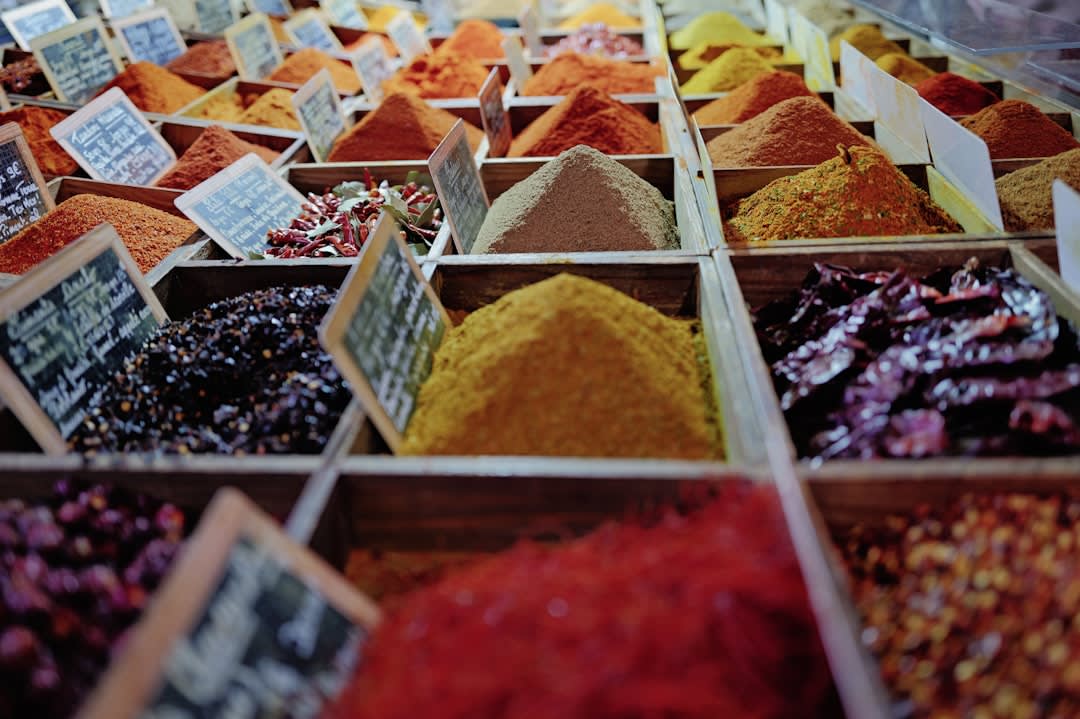
Lia found the market more interesting than the ruins, honestly, and she wasn’t wrong to. It’s small compared to Sana’a’s, but it moves at its own unhurried pace — spice sellers weighing cumin by hand, a blacksmith still working a forge in a stall the size of a closet, someone’s grandmother arguing good-naturedly over the price of limes. Nobody was selling anything to tourists because there basically weren’t any. That’s the part I keep coming back to when people ask me about Zabid: it’s a town that has outlived its own golden age and just kept going anyway, not for anyone’s benefit but its own.
When to go: Visit in the cooler months between November and February, when the heat of the Tihama coastal plain is bearable enough to actually wander the alleys at midday.
Keep exploring
More from Yemen
 yemen
Aden
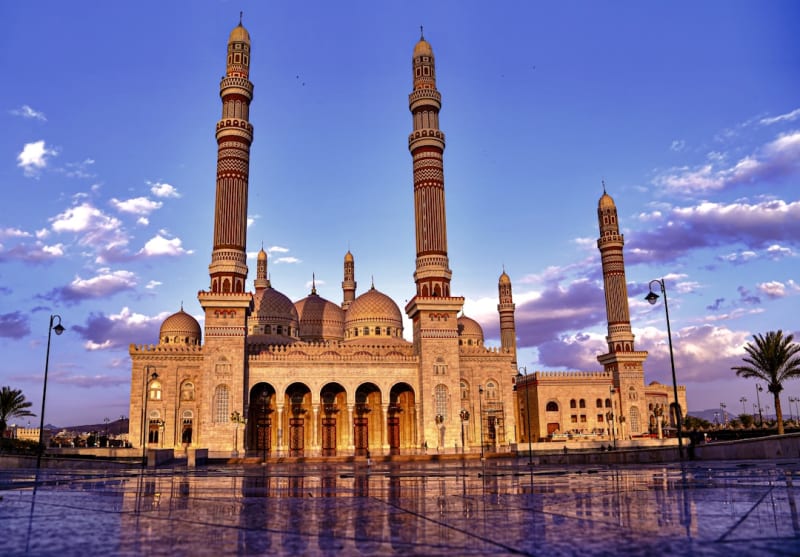
A port city built inside the crater of an extinct volcano, where British colonial arcades and ancient cisterns coexist with the smell of the Indian Ocean on every street.
Explore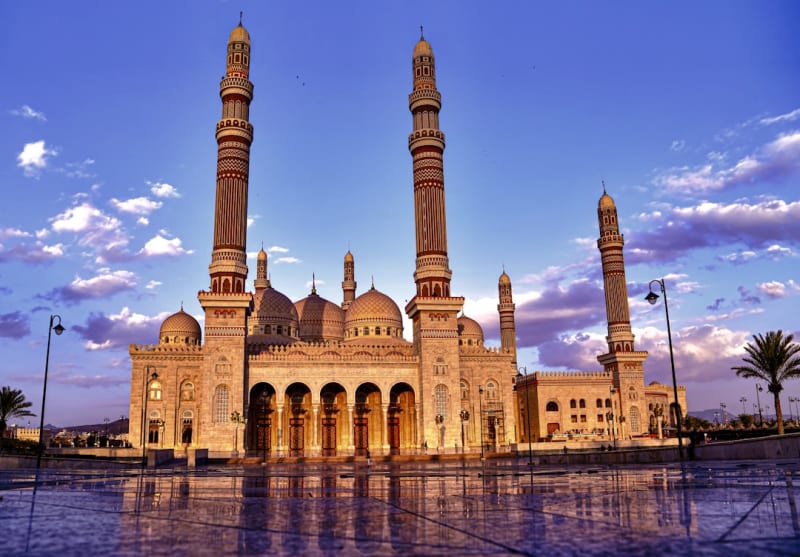 yemen
Al-Hudaydah
A Red Sea port city where Ottoman coral-stone architecture lines a harbor famous for fishing, and the dawn fish market runs on a logic of controlled chaos that has not changed in two centuries.
Explore yemen
Al-Mahwit
A highland market town at 2,200 meters where terraced mountainsides drop away in every direction and the Thursday market draws farmers from villages that have no other day to converge.
Explore yemen
Dhamar
A working highland market city sitting quietly beside the buried capital of the ancient Himyarite kingdom.
Explore yemen
Hajjah
A mountain fortress town clinging to a knife-edge ridge, its stone houses stacked so tightly they look carved from the cliff itself.
Explore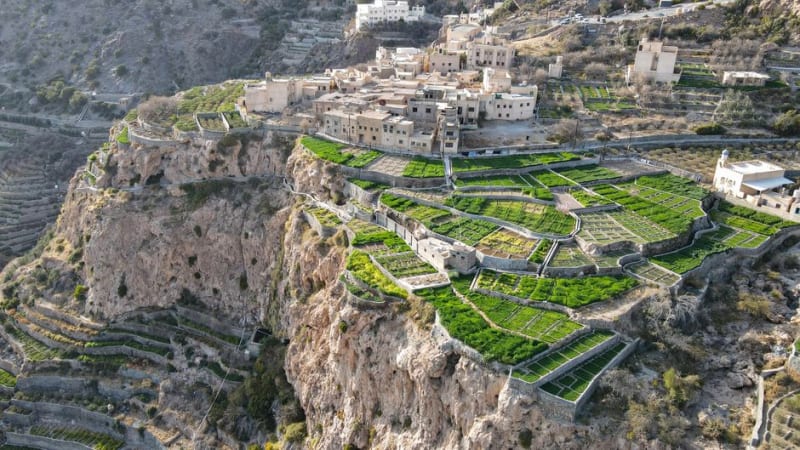 yemen
Jibla
A terraced hillside town in Ibb province that once ruled as the capital of the 11th-century Sulayhid queen Arwa.
Explore