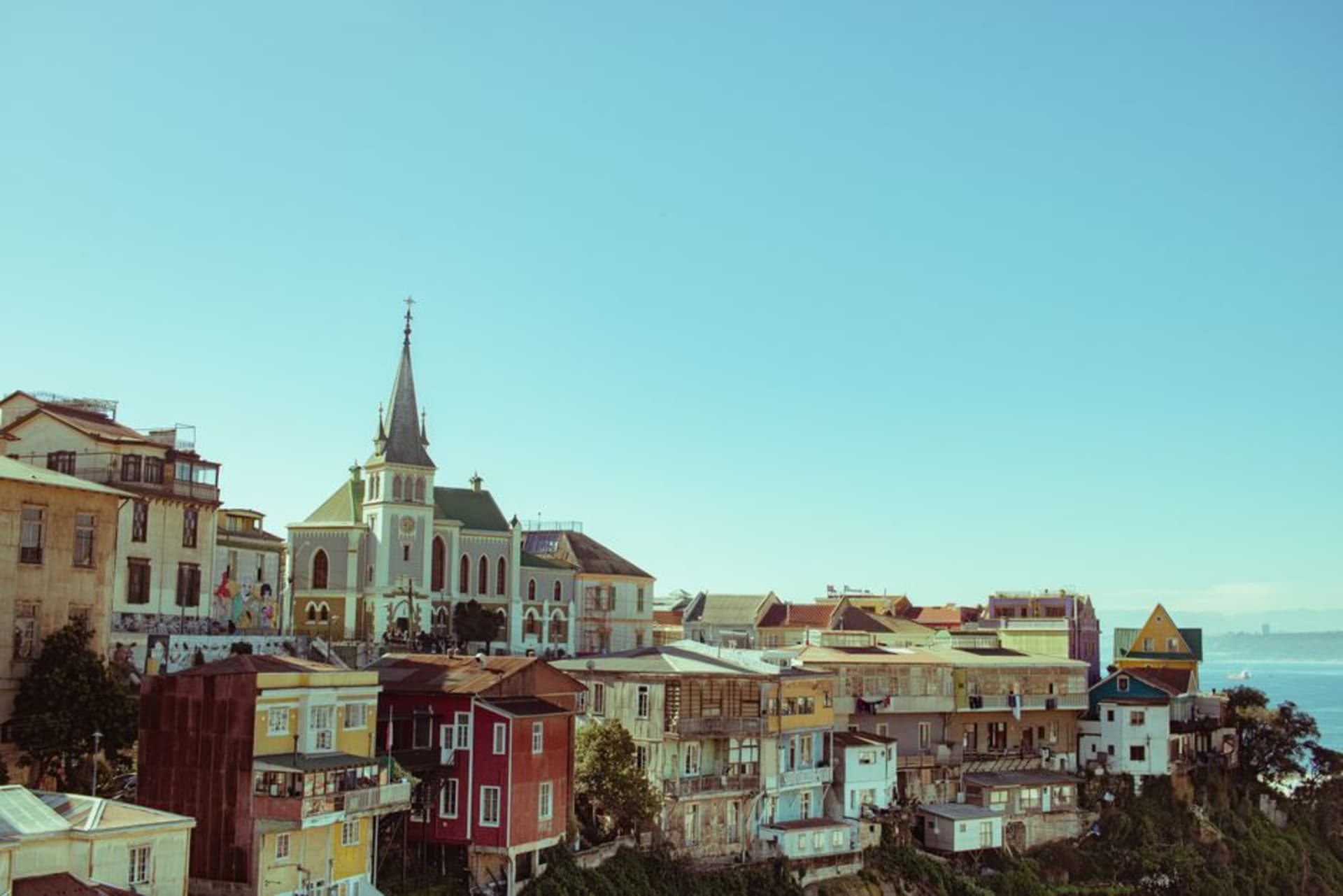
Cerro Concepcion
"Lia made me stop every twenty meters to photograph a door, and by the third hour I understood why."
A tangle of funicular-linked stairways and mural-covered facades above Valparaiso's port, where I learned to stop rushing and just look up.

I’ll admit I almost skipped Cerro Concepcion the first time I was in Valparaiso, because everyone tells you to go and that alone makes me suspicious. But the Ascensor Concepcion, this rickety wooden funicular that’s been hauling people up the hill since 1883, dumps you right into a neighborhood that genuinely earns the hype. The car creaks and groans the whole way up, smells faintly of oil and hot metal, and costs about the same as a bag of chips. Worth it just for that five minutes alone.
What gets me about Concepcion isn’t any single mural or viewpoint, it’s the accumulation. You turn a corner on Templeman or Urriola and there’s another wall painted floor to roofline, another balcony rusting in exactly the right shade of orange, another dog asleep on a step like it owns the place. The corrugated metal siding, painted in every color someone had left over, is doing more architectural work than any restored colonial facade could. It’s a poor city’s improvisation that turned, decades later, into something people fly in to photograph.

We stayed two nights in a guesthouse with a terrace that looked straight down onto the port cranes, and honestly the view at sunset did more for me than the murals. The container ships lit up orange, the fog rolling in off the Pacific and catching on the hills like it was snagged on something, gulls wheeling around at eye level because you’re already three hundred feet up. Lia kept saying it looked fake, too composed, and I get what she meant. Valparaiso photographs like it’s trying too hard, except it isn’t trying at all.
The thing nobody warns you about is the stairs. Concepcion and its twin hill Alegre are connected by an absolute maze of pasajes and escaleras, some barely wide enough for one person, most of them unmarked on any map that actually works. We got lost twice, ended up eating empanadas at a hole-in-the-wall place with four plastic tables because we simply couldn’t find our way back to the main square, and it turned out to be the best meal of the trip. That’s the neighborhood’s whole trick: it resists being efficiently seen.
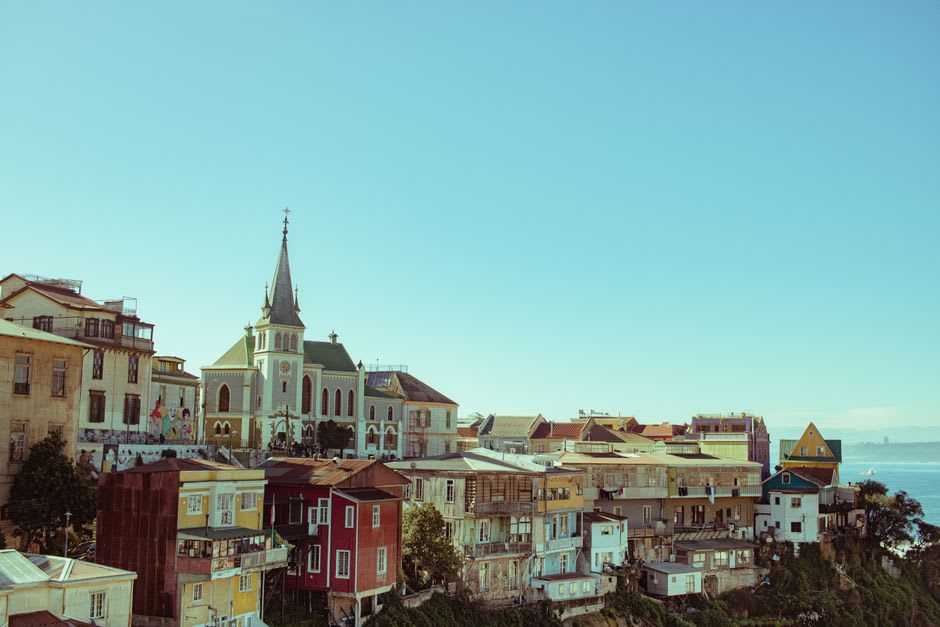
By our last afternoon we’d more or less given up on any itinerary and just wandered with a bag of manjar-filled pastries, sitting wherever a step looked comfortable. That’s really the only way to do Concepcion right. It’s not a checklist of murals, it’s a place you let yourself get lost in until getting lost stops feeling like a problem.
When to go: Aim for spring (September to November) when the light is clean and the hills aren’t shrouded in the coastal fog that can blanket Valparaiso through winter mornings.
Keep exploring
More from Valparaíso
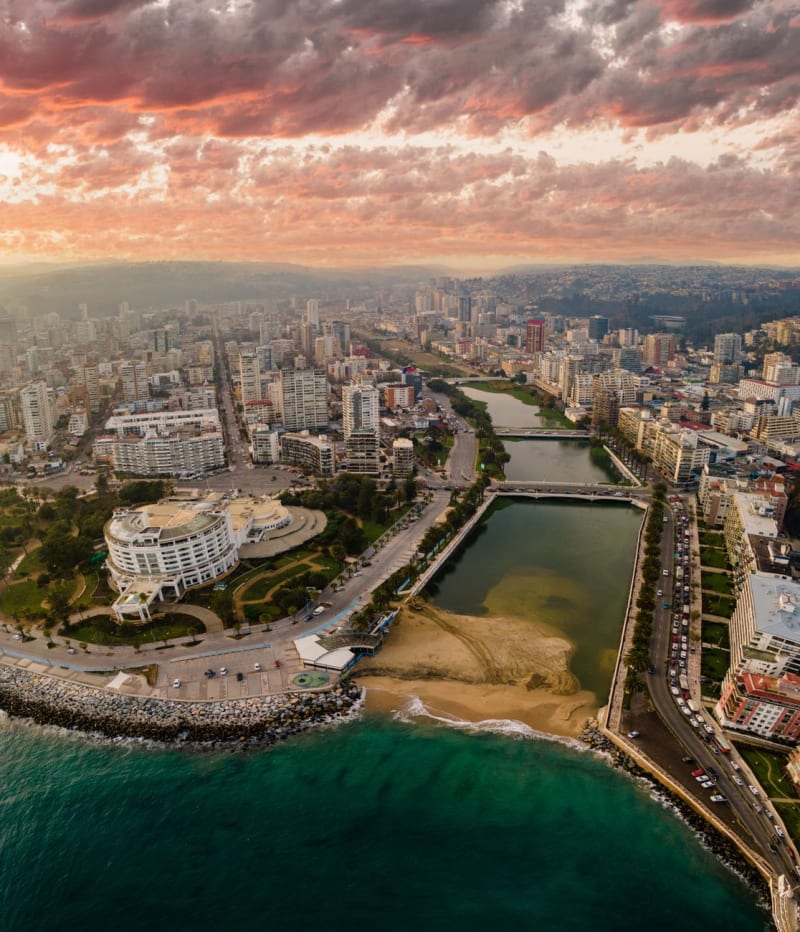 valparaiso-region
Concón
A coastal town north of Viña del Mar where giant dunes spill toward the sea and the empanadas are a regional religion.
Explore valparaiso-region
Horcon
A former whaling village on the northern coast that traded harpoons for handicraft stalls and became Chile's most unhurried bohemian hideout.
Explore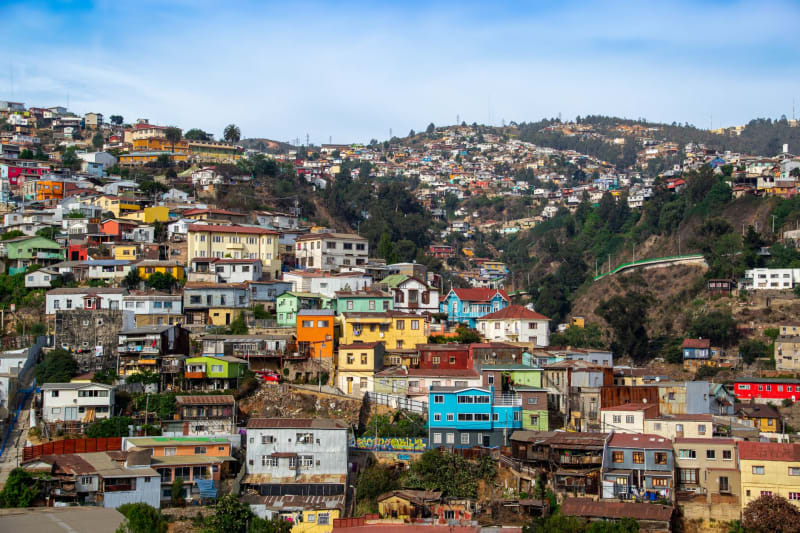 valparaiso-region
Isla Negra
Pablo Neruda's coastal house, built into a headland above the Pacific, where the poet collected ships' figureheads and carousel horses and managed to make obsession look like curation.
Explore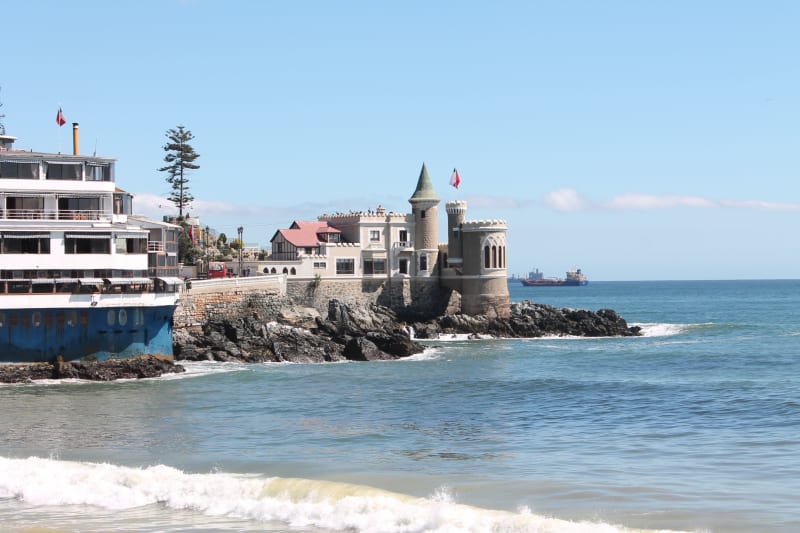 valparaiso-region
La Campana National Park
A national park in the coastal range where Darwin walked in 1834 and where the last large stands of Chilean wine palm still survive between the rocky peaks.
Explore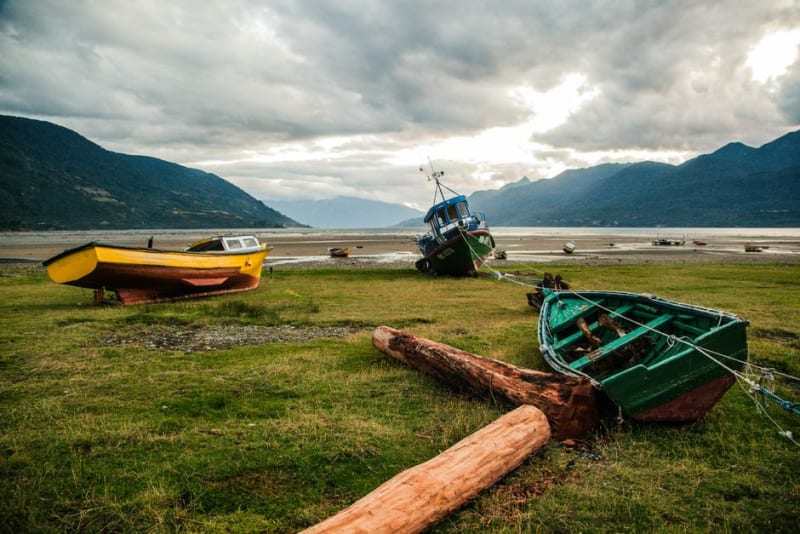 valparaiso-region
Laguna Verde
A sleepy fishing cove south of Valparaiso wrapped around a jade-green bay, where the boats outnumber the tourists by a wide margin.
Explore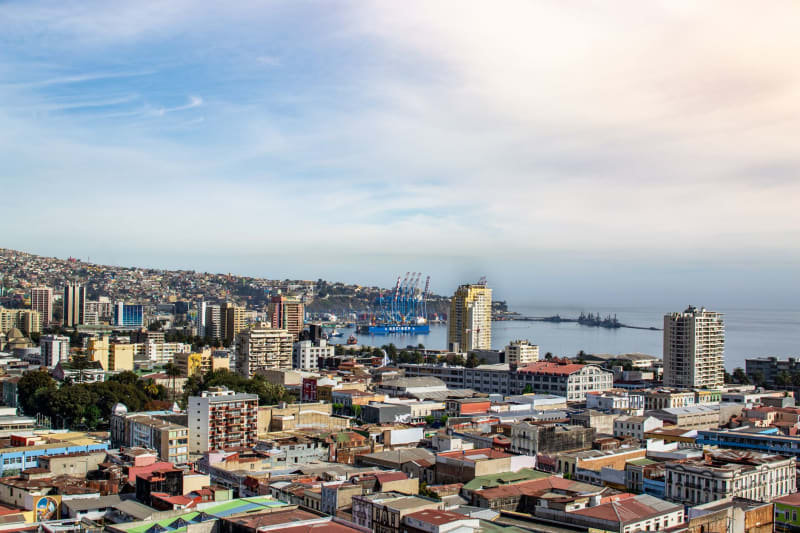 valparaiso-region
Los Andes
A colonial city at the foot of the Andes where the Cristo Redentor road begins and the mountains fill every north-facing window with the weight of altitude.
Explore