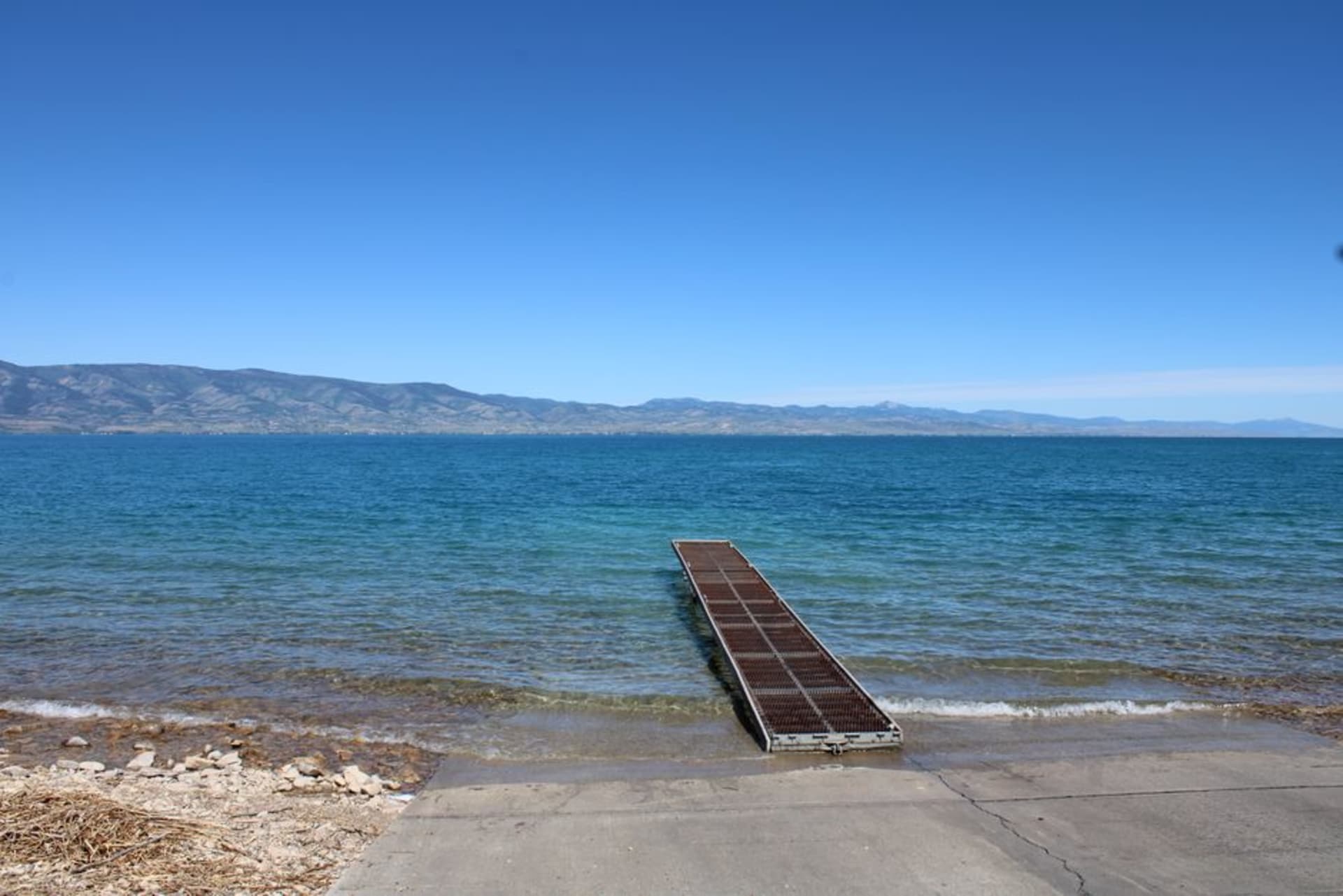
Bear Lake
"Lia stood on the shore for a full minute before saying 'this is not supposed to be in Utah,' and honestly, fair."
A strikingly turquoise alpine lake straddling the Utah-Idaho border, nicknamed the 'Caribbean of the Rockies' for its glacial-mineral blue water.

Nobody warns you about the color. I’d seen photos of Bear Lake before we drove up from Logan Canyon and assumed they’d been edited, the way half the lake photos online are pumped up a few saturation notches. They hadn’t been. The water is genuinely that turquoise, an almost impossible Caribbean blue sitting there at 5,900 feet in the middle of sagebrush hills on the Utah-Idaho border, and it comes down to limestone particles suspended in the glacial melt that scatter light in a way that reads as bright blue-green instead of the usual mountain-lake navy. We got out of the car at the first overlook coming down Logan Canyon and just stood there for a minute doing the math on how a lake this far from any ocean gets to look like that.
The lake itself is big — about twenty miles around — and split its personality pretty cleanly between the Utah side and the Idaho side. Utah’s south shore has the marinas, the raspberry shake stands (Bear Lake raspberries are a whole regional identity, and yes, the shake lives up to the hype), and most of the beach access. We rented paddleboards for a couple of hours from a shop near Garden City and paddled out until the shoreline crowds thinned, water so clear near the edges you could see rocks and the occasional cutthroat trout ten feet down. Lia is convinced she saw a Bear Lake monster fin, which is a local legend nobody actually believes but everybody happily repeats to tourists.

We stayed two nights in a cabin on the quieter Idaho side and I’d recommend that split if you can manage it — daytime beach and raspberry shakes on the Utah side, sunset and stargazing from the emptier northern shore. The lake sits at real elevation and the surrounding Bear River Range gets legitimate winter, so this becomes a snowmobiling and ice-fishing spot come January, a completely different scene from the summer beach crowd. We only saw it in August, water warm enough for a swim that still ended in a shiver getting out.

It’s a bit of a drive to get up there no matter which direction you’re coming from — Logan Canyon from the south is the more scenic approach and worth the extra time over the flatter Idaho route. But for a lake that color, sitting in a state better known for red rock than turquoise water, it earns the detour.
When to go: July and August for warm-enough swimming and peak raspberry season; come in winter instead if snowmobiling or ice fishing is more your speed.
Keep exploring
More from Utah
 utah
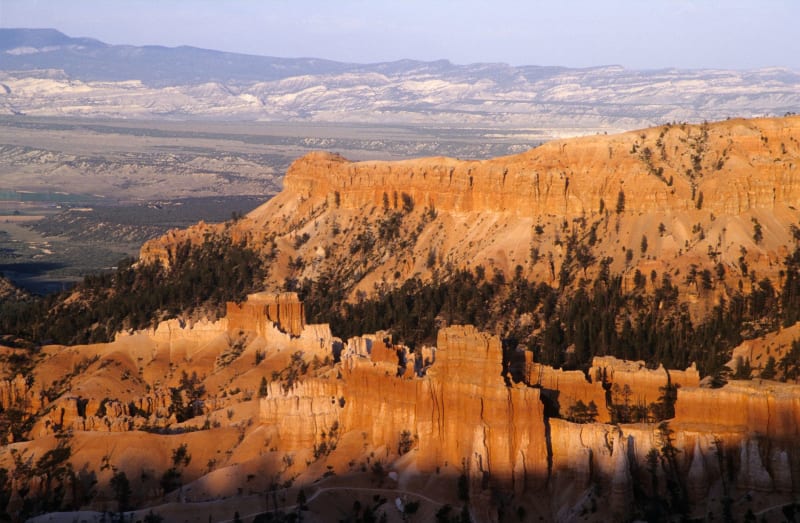
utah Bryce Canyon National Park
An amphitheater of pink and orange hoodoos so surreal that the first photograph you take looks like a painting you applied a filter to.
Explore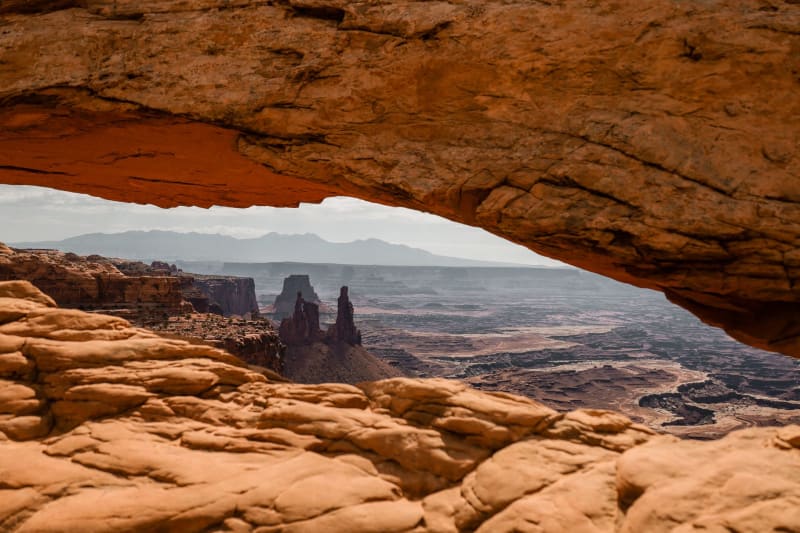 utah
utah Canyonlands National Park
Utah's largest and most savage national park, where the Colorado and Green rivers have spent millions of years carving a landscape that looks like the Earth practicing apocalypse.
Explore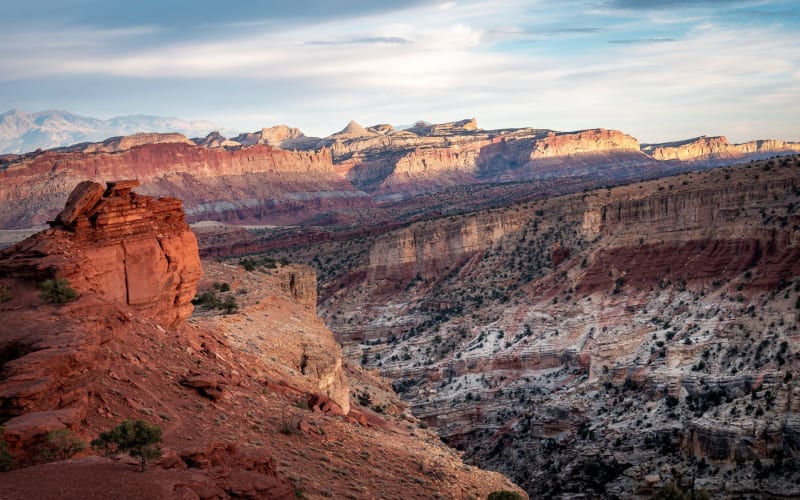 utah
utah Capitol Reef National Park
The forgotten middle child of Utah's canyon parks — quieter, stranger, and more historically layered than its famous neighbors.
Explore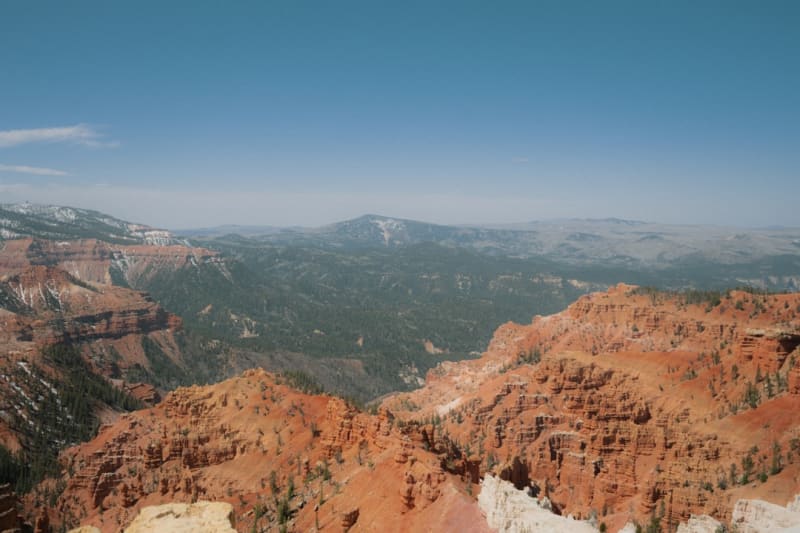 utah
utah Cedar Breaks
A 10,000-foot amphitheater of eroded hoodoos and cliffs in southern Utah, like a cooler, less crowded cousin of Bryce Canyon.
Explore utah
utah Dead Horse Point
A canyon-rim state park where the Colorado River carves a 2,000-foot gooseneck into the rock, quieter and cheaper than its famous neighbor Canyonlands.
Explore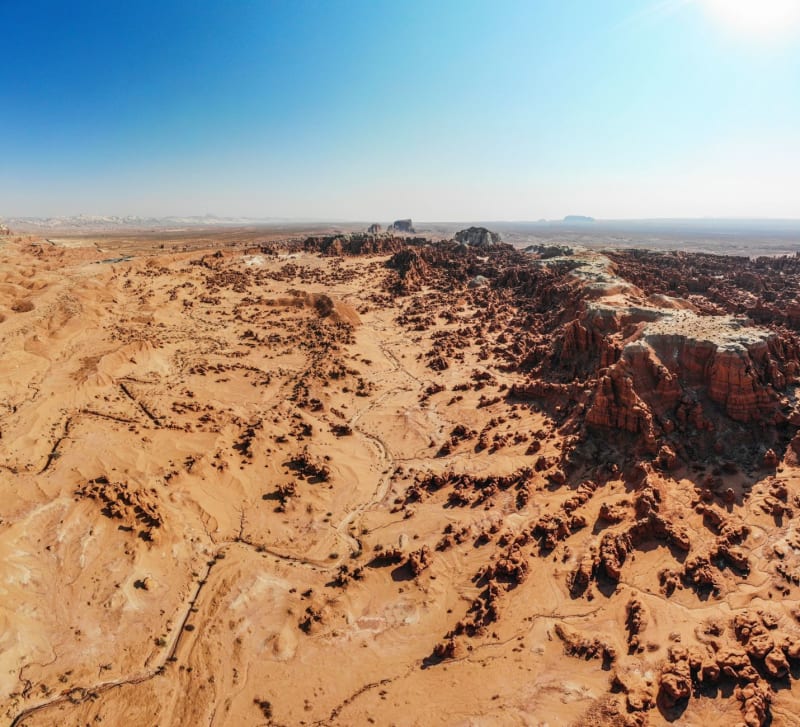 utah
utah Goblin Valley & San Rafael Swell
A state park full of mushroom-shaped sandstone formations called hoodoos — or goblins — that you can walk among freely, without trails, like wandering inside someone else's very large fever dream.
Explore