Cedar Breaks
"I put on a fleece in July and stood at the rim watching a thunderstorm build over a canyon that looked like it had been carved with a spoon."
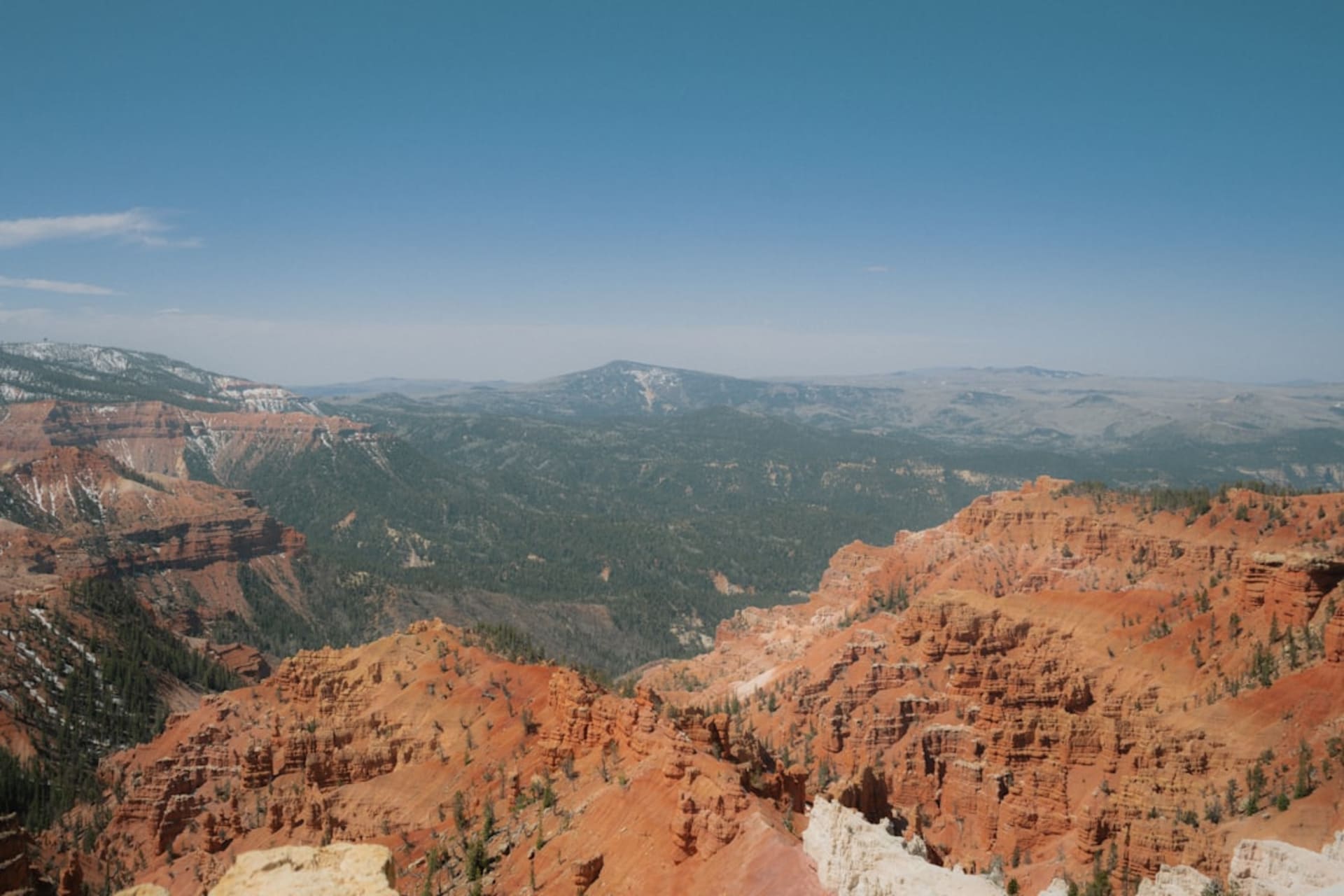
A 10,000-foot amphitheater of eroded hoodoos and cliffs in southern Utah, like a cooler, less crowded cousin of Bryce Canyon.

Cedar Breaks is one of those places that feels like a mistake of geography, in the best way. You drive up out of Cedar City, climbing through pine forest, and the air gets thinner and noticeably colder — we’re talking a 10,000-foot rim here — until suddenly the trees open up and there’s a three-mile-wide amphitheater of pink and orange hoodoos dropping two thousand feet below you. It’s the same Claron Formation limestone that makes Bryce Canyon famous, just up here it’s had more time and more elevation to work with, and somehow it gets less than a tenth of the visitors. We had entire overlooks to ourselves in the middle of summer, which after a week of shuffling through Zion’s shuttle lines felt like a genuine gift.
What nobody tells you is how cold it gets. We showed up in July in shorts, thinking Utah in summer, and within twenty minutes at Point Supreme I was rummaging through the trunk for a fleece. The elevation does that — it’s one of the highest paved roads in the state, and even in August you can catch snow flurries or a hailstorm rolling in with almost no warning. We watched a thunderstorm build over the amphitheater from the rim, lightning stitching down into the hoodoos, and had to sprint back to the car when the first fat raindrops hit. Lia thought it was the best twenty minutes of the whole trip. I thought it was terrifying. Both can be true.

The rim trail from Point Supreme is short and paved, so you don’t need to be in great shape to get the views, but if you want more there’s the Alpine Pond Trail looping through spruce and fir with bristlecone pines that are supposedly among the oldest living things in the state — some pushing 1,600 years, gnarled and half-dead-looking in that way ancient trees get. I’m not sure I fully believe the exact age claims, but standing next to one does make you feel appropriately small. Because of the altitude the monument is only really open June through October; the rest of the year the road buries itself in snow and the whole place goes quiet under drifts higher than a car.

If you’re already routing between Bryce and Zion, which most people doing southern Utah are, Cedar Breaks is barely a detour and gives you a genuinely different angle on the same rock formations without the crowds. Bring layers regardless of the season and season the visit around the wildflower bloom in late July if you can — the meadows below the rim fill with columbine and paintbrush that make the whole amphitheater look almost soft for a few weeks.
When to go: Visit June through September when the road is open and wildflowers are blooming, and pack a warm layer no matter what the forecast says down in the valley.
Keep exploring
More from Utah
 utah
utah Dead Horse Point
A canyon-rim state park where the Colorado River carves a 2,000-foot gooseneck into the rock, quieter and cheaper than its famous neighbor Canyonlands.
Explore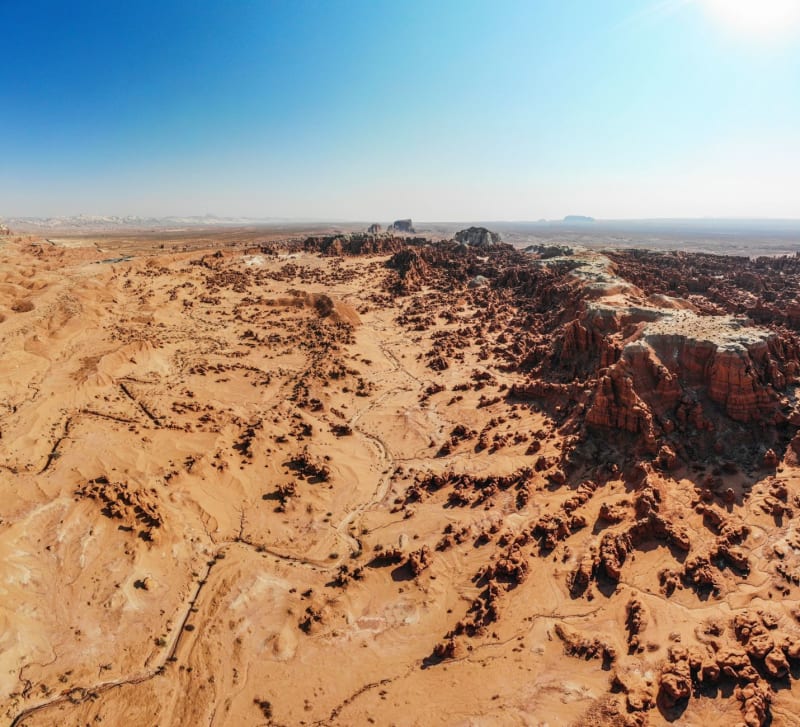 utah
utah Goblin Valley & San Rafael Swell
A state park full of mushroom-shaped sandstone formations called hoodoos — or goblins — that you can walk among freely, without trails, like wandering inside someone else's very large fever dream.
Explore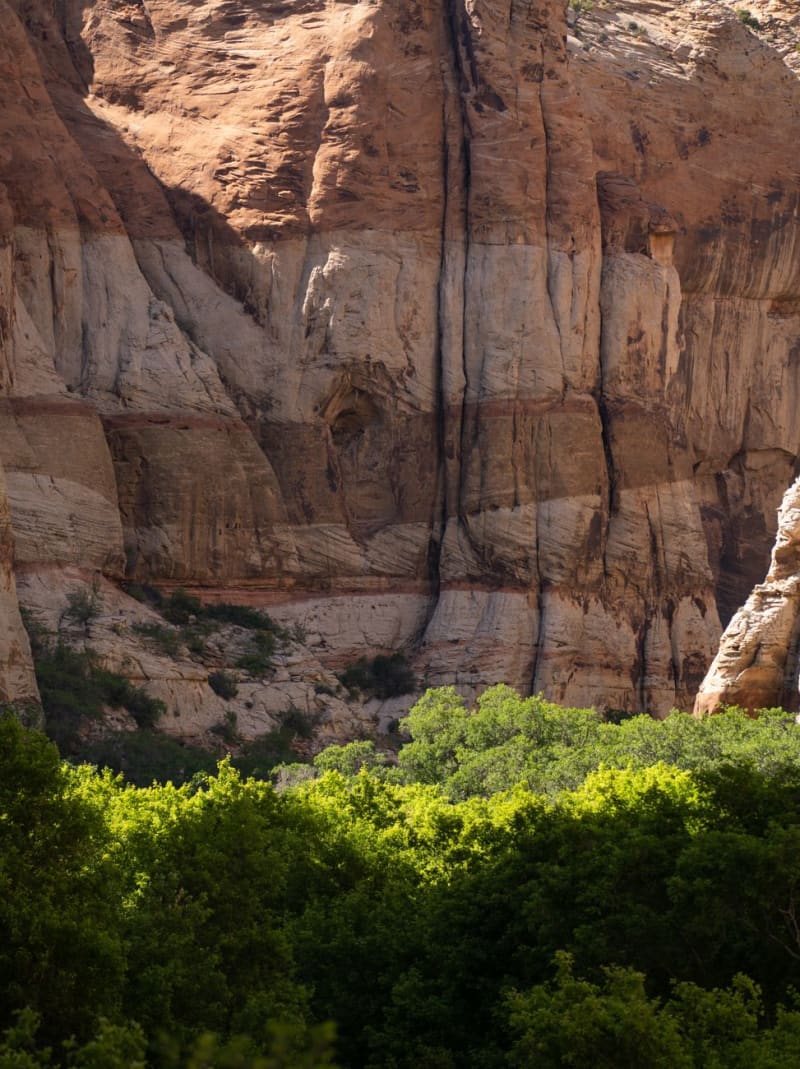 utah
utah Grand Staircase-Escalante
A vast, roadless tangle of slot canyons, sandstone steps, and slickrock in southern Utah, where the maps run out before the land does.
Explore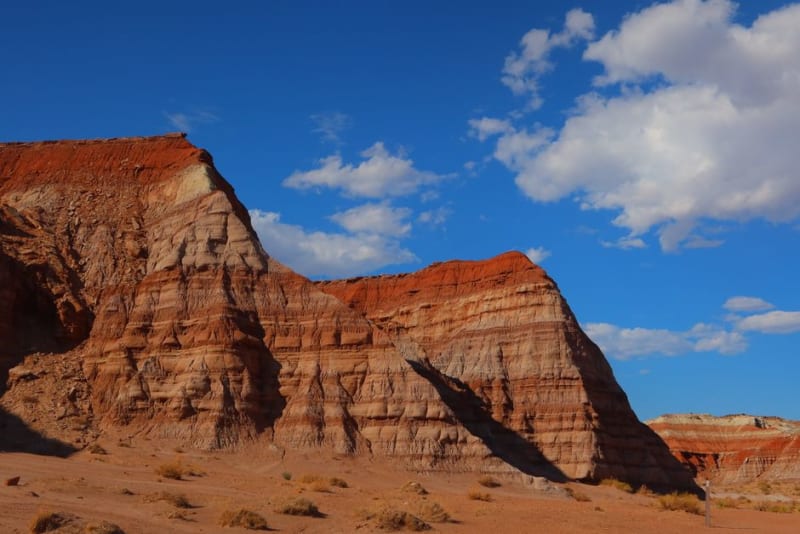 utah
utah Kanab
A red-rock town near the Arizona border nicknamed 'Little Hollywood' for the dozens of Westerns filmed on its surrounding sandstone sets.
Explore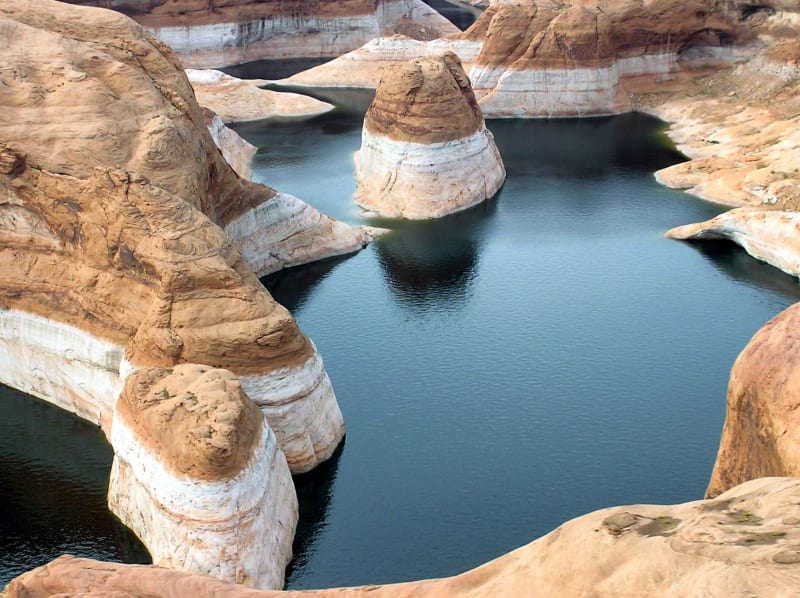 utah
utah Lake Powell & Glen Canyon
A reservoir created by flooding one of the most spectacular canyon systems on Earth — complicated to visit, impossible to forget, and changing faster than most travel guides acknowledge.
Explore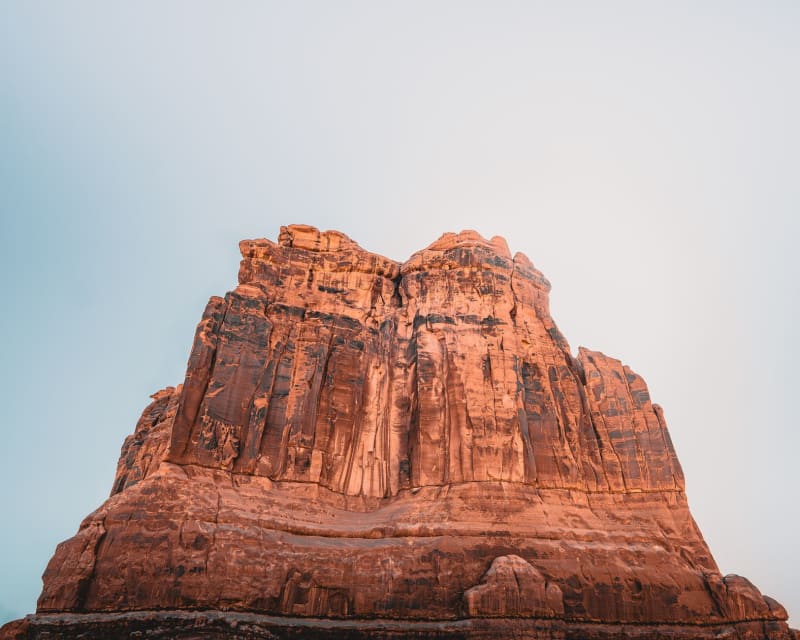 utah
utah Moab
A small desert town that became the adventure capital of the Colorado Plateau, sitting between two national parks and the Colorado River like a comma between clauses.
Explore