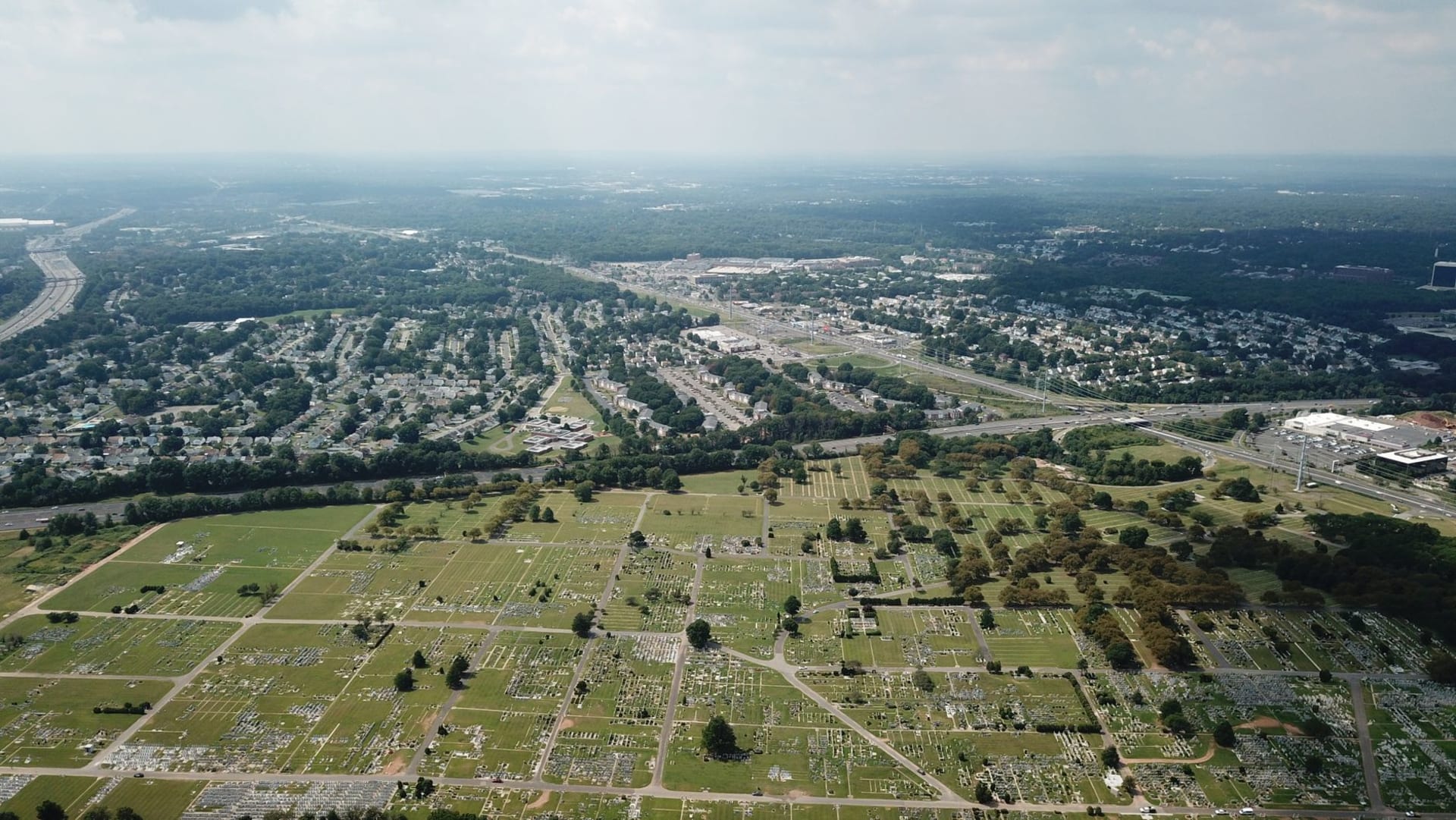
Lewisburg
"Lewisburg is proof that a town this small can still feel like a discovery."
A tidy Greenbrier Valley town of galleries, bookshops, and 18th-century churches, often called one of America's prettiest small towns and set among some of Appalachia's deepest cave systems. Lia and I meant to pass through for lunch and ended up staying for the caves, the theater, and the biscuits.

We came down out of the mountains on Route 60 into Lewisburg expecting a gas-station lunch stop and found instead a genuinely handsome little town, its main street lined with 19th-century brick storefronts, a white-steepled Presbyterian church older than the state itself, and window boxes so carefully tended that Lia accused someone of staging it for tourists. Nobody had. Lewisburg has simply been quietly caring for itself since it was founded in 1782, and the result is one of those rare American small towns that looks exactly as good as the postcards suggest.
A walkable historic core
We spent our first afternoon just wandering — Washington Street’s antique shops and independent bookstores, the Old Stone Presbyterian Church with its 1796 graveyard, and the Greenbrier Valley Theatre, the official state professional theater, tucked into a converted church nearby. Lunch was biscuits and gravy at a diner that’s been serving the same recipe for decades, and dinner, later, at a farm-to-table spot drawing on the valley’s rich agricultural land. It’s the kind of downtown built entirely at walking scale, four blocks in any direction from a central square, easy to fall into step with.

Into the caves
What we hadn’t expected was the ground beneath Lewisburg. The Greenbrier Valley sits atop one of the densest concentrations of caves in North America, and Lost World Caverns, just outside town, drops visitors into a self-guided cavern the size of a football field, hung with stalactites and a formation nicknamed the “War Club” that’s among the largest of its kind anywhere. We wandered the dim, dripping passage alone for nearly an hour, flashlight beams catching mineral formations that had been growing, drop by drop, since long before the town above existed.

Getting There
Lewisburg sits just off I-64, roughly a three-hour drive from both Charleston, West Virginia, and Roanoke, Virginia, and about four and a half hours from Washington, D.C. The town has its own small airport, Greenbrier Valley Airport, with limited commercial flights, but most visitors drive in, often as a stop en route to the nearby Greenbrier resort or the New River Gorge to the north.
Keep exploring
More of West Virginia
Keep exploring
More from West Virginia
 united-states
Shepherdstown
West Virginia's oldest town, a cluster of German Street storefronts above the Potomac where a college keeps the streets young and history sits close enough to touch. Lia and I crossed the river on foot and found ourselves, without quite meaning to, in three centuries at once.
Explore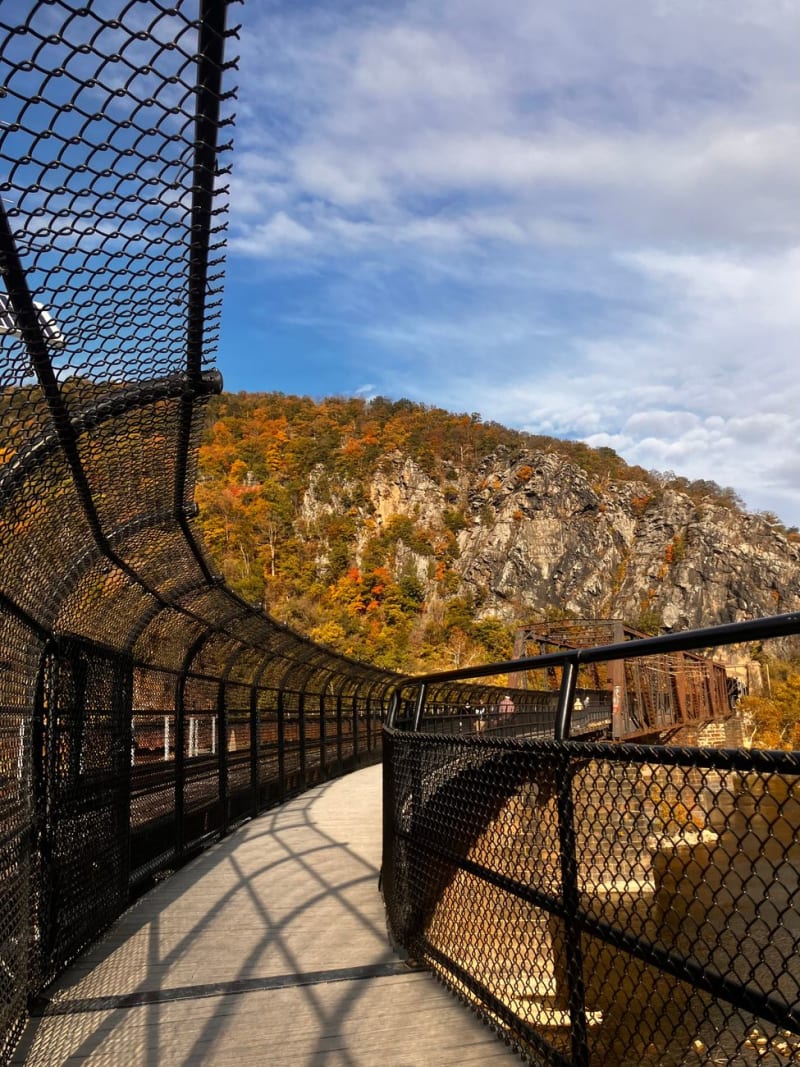 united-states
Harpers Ferry
A cliffside town wedged where the Potomac and Shenandoah rivers collide, thick with Civil War history and views Thomas Jefferson called worth a voyage across the Atlantic. Lia and I climbed to the overlook at dusk and understood, instantly, why he wasn't exaggerating.
Explore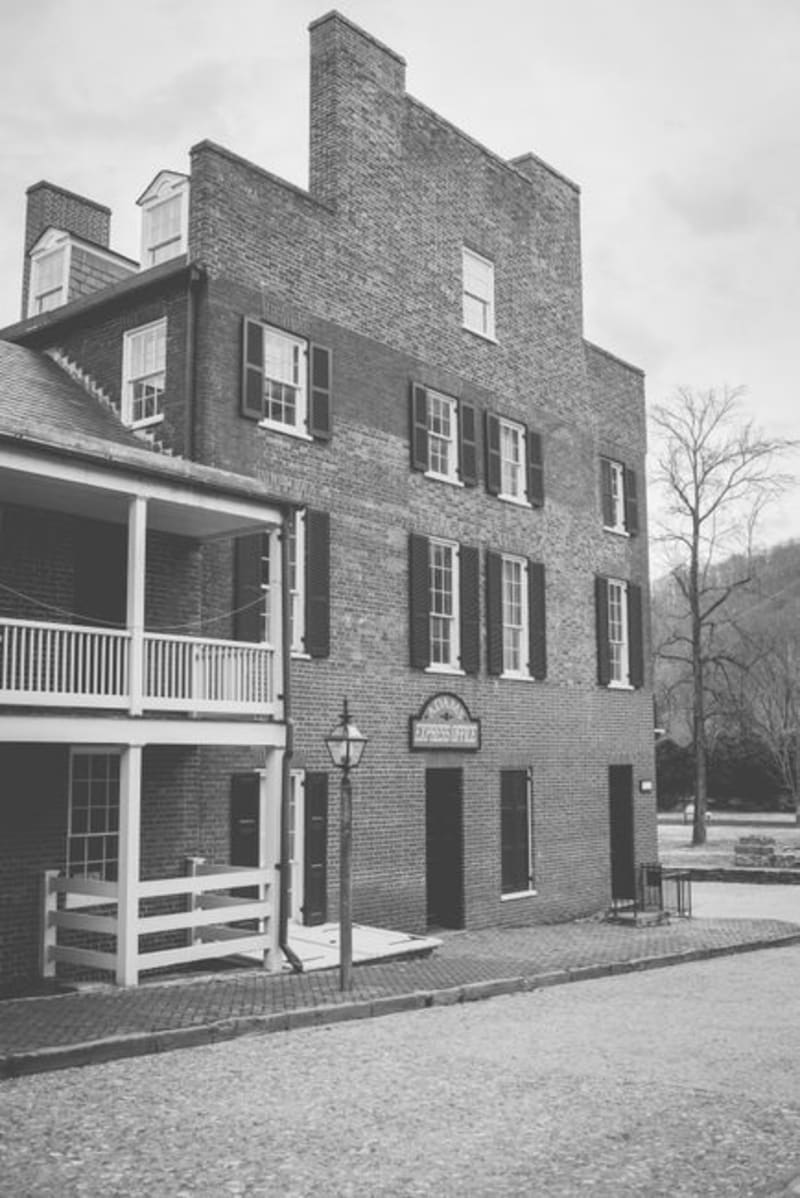 united-states
Martinsburg
An Eastern Panhandle railroad town where a century-old locomotive shop got a second life as an outlet mall, and apple orchards still ring the city just like they did when the trains were the point.
Explore united-states
Berkeley Springs
America's first spa town, where mineral springs George Washington once soaked in still fill public bathhouses beneath the Appalachian ridgelines. Lia and I arrived stiff from a week of hiking and left two days later loose-limbed, faintly sulfur-scented, and thoroughly converted.
Explore united-states
Morgantown
A college town on the Monongahela River where a driverless pod train from the 1970s still shuttles students between campuses like something out of an old sci-fi film. Lia made me ride it twice just to be sure it was real.
Explore united-states
Elkins
A mountain railroad town wedged between the peaks of the Monongahela National Forest, where fiddle tunes drift out of practice halls and freight cars still rumble past a grand old depot. Lia and I arrived for the music and left with the smell of woodsmoke in our coats.
Explore