
Providence
"A hundred small fires burning on the water, and a whole city gone quiet to watch them."
Rhode Island's capital is small enough to hold in one evening and strange enough to stay with you for months. We watched braziers of fire float down the river at dusk, climbed a hill of colonial houses, and ate better than we had any right to in a city this size.

Lia and I hadn’t planned our visit around WaterFire — we didn’t even know it existed — and then on our first night we followed a drifting crowd toward the river and found the water itself alight. Braziers set in the middle of the three rivers that meet downtown, each one tended by black-clad figures in boats, a hundred small bonfires reflecting on black water while opera played from hidden speakers. We stood on a bridge, not speaking, the woodsmoke in our hair, and I remember thinking that no guidebook had prepared me for this. Providence is full of that.
Benefit Street and the hill
By day the city reveals its bones. We climbed College Hill to Benefit Street, the so-called “Mile of History,” where colonial and Federal houses stand shoulder to shoulder in a row so intact it feels staged. It isn’t — people live behind these doors, and we watched one of them water her window boxes in a bonnet of morning light. The Brown University campus spills across the top of the hill, and the RISD Museum, small and superb, kept us for two happy hours. Lia sketched a marble figure while I read every label. There’s an intellectual hum to Providence, thick with students and secondhand bookshops, that we both found quietly intoxicating.

Federal Hill and a very long dinner
Then there’s the food. Federal Hill is Providence’s Little Italy, and we walked in under the arch with its bronze pinecone and simply gave ourselves over to the evening. We shared a table with strangers at a loud trattoria, ate handmade pasta and clams in white wine, and let the meal stretch past two hours because no one seemed to want us to leave. The owner sent out limoncello. Lia, who negotiates hard against dessert, surrendered without a fight. Afterward we wandered the hill’s little parks and salumerias, full and slow, the smell of garlic and coffee everywhere.

The State House and the water
On our last morning we walked down to the water where the Rhode Island State House sits on its low rise, its white marble dome — one of the largest self-supported domes in the world, a proud local will tell you — catching the sun. We circled it, then followed the riverwalk back through downtown, over the Venetian-style bridges the city built to bring itself back to its rivers. A rowing crew slid past. Providence had rusted for decades, our innkeeper told us, and then decided to uncover its water and its old streets and love them out loud. You can feel that decision everywhere.

Getting There
Providence is refreshingly easy to reach. T.F. Green Airport sits just fifteen minutes south of downtown and is a calm, manageable alternative to flying into Boston. If you’re coming from Boston, the commuter rail and Amtrak both run down in under an hour, dropping you at a station walkable to everything. Once you’re here, leave the car — the whole city center, from College Hill down through downtown to Federal Hill, is a comfortable walk of twenty or thirty minutes end to end, and the hills are gentle. Time your visit to a WaterFire evening if you possibly can; the schedule runs through the warmer months, and it is the single best thing we did in New England.
Keep exploring
More of Rhode Island
Keep exploring
More from Rhode Island
 united-states
Pawtucket
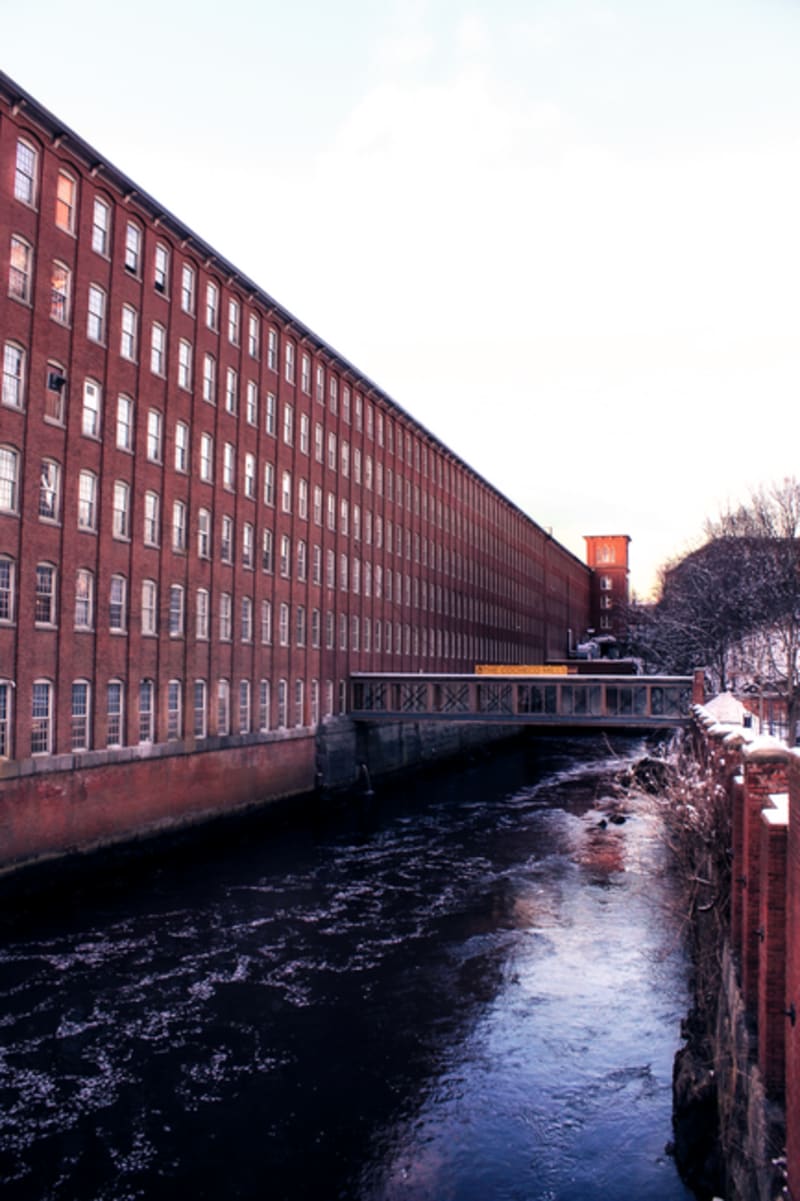
A gritty mill city where American industry effectively began, its old textile mills now converted into studios and breweries along the Blackstone River. Lia and I came expecting an afternoon and stayed for a whole day once we realized how much of the actual Industrial Revolution happened on one riverbank here.
Explore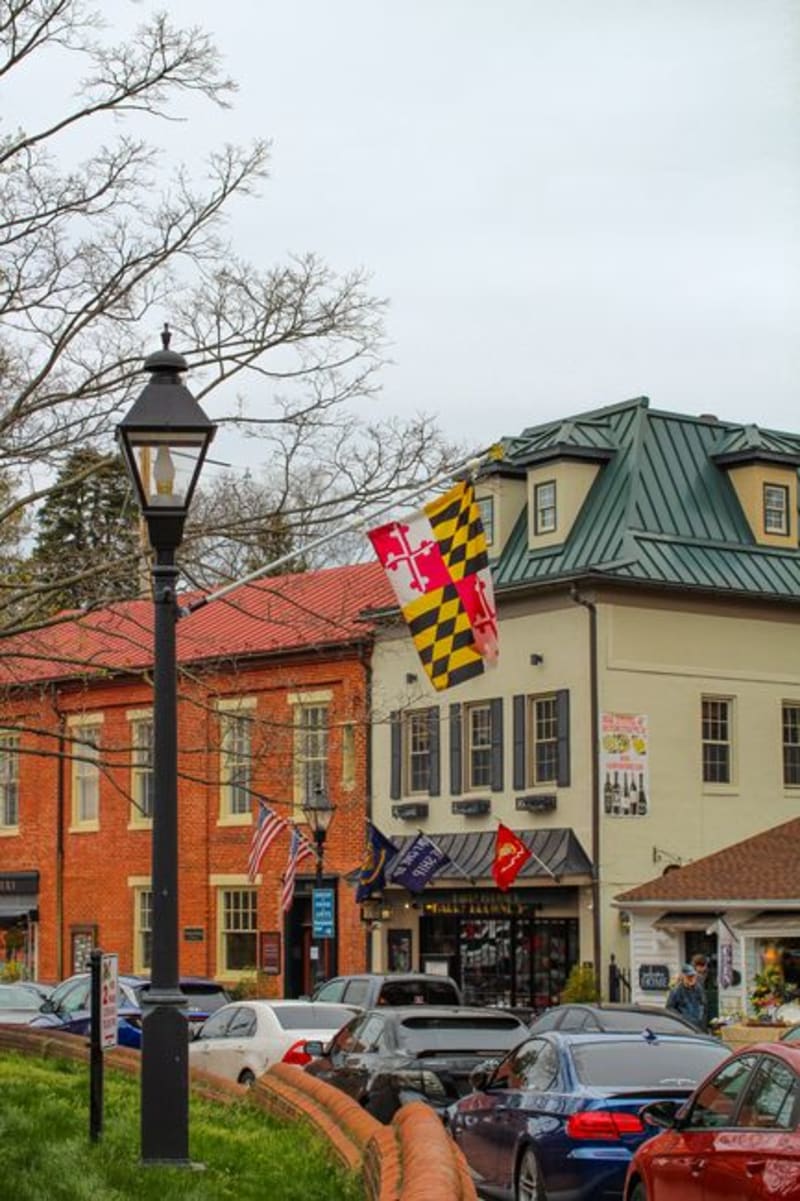 united-states
East Greenwich
A colonial seaport on Narragansett Bay whose Main Street of eighteenth-century houses somehow avoided both decay and over-restoration. Lia and I walked it end to end on a warm evening and agreed it might be the most livable-looking town we'd seen anywhere in New England.
Explore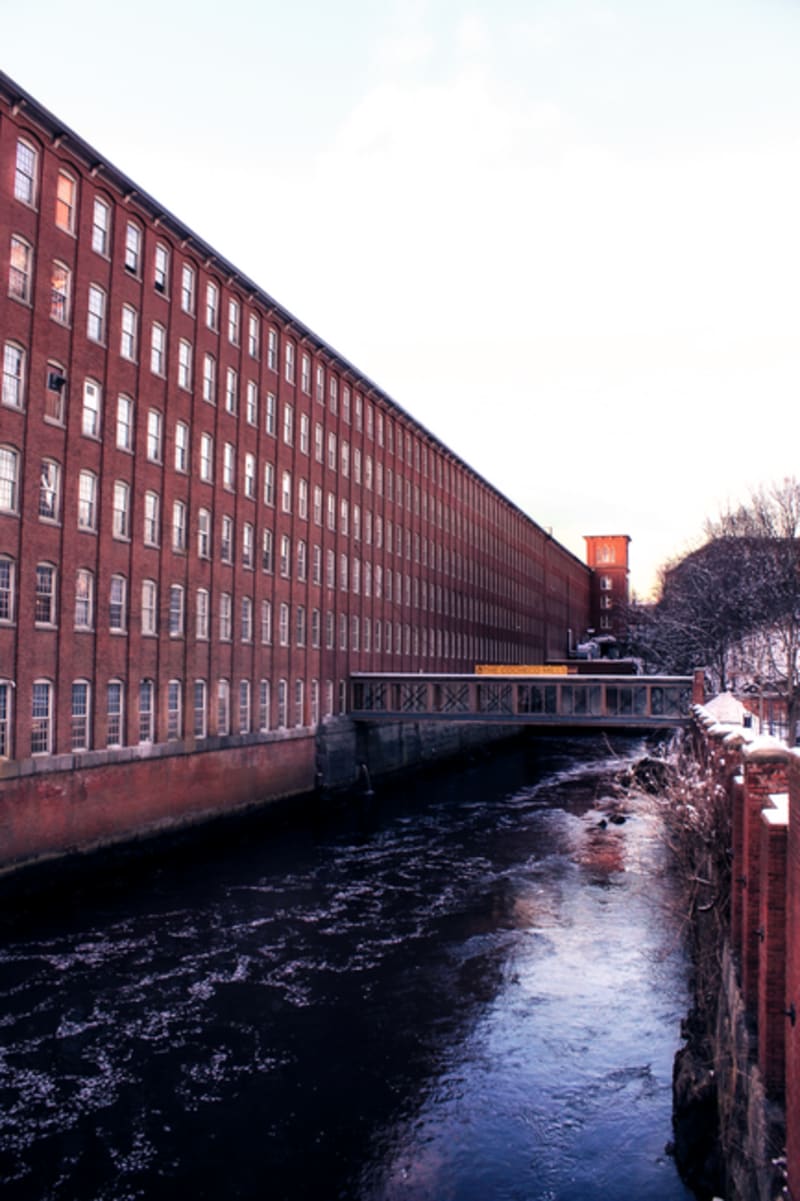 united-states
Woonsocket
A former mill powerhouse on the Blackstone River so thoroughly shaped by French-Canadian immigrants that its Catholic parishes once held Mass in French. Lia and I came for the museum and left having eaten a meat pie recipe that's apparently been unchanged since the 1920s.
Explore united-states
Wickford
A colonial harbor village in North Kingstown so intact it feels staged, all white clapboard and hand-painted shop signs around a working boatyard. Lia and I came for lunch and stayed for the whole afternoon, wandering streets that haven't needed a single modern building to stay alive.
Explore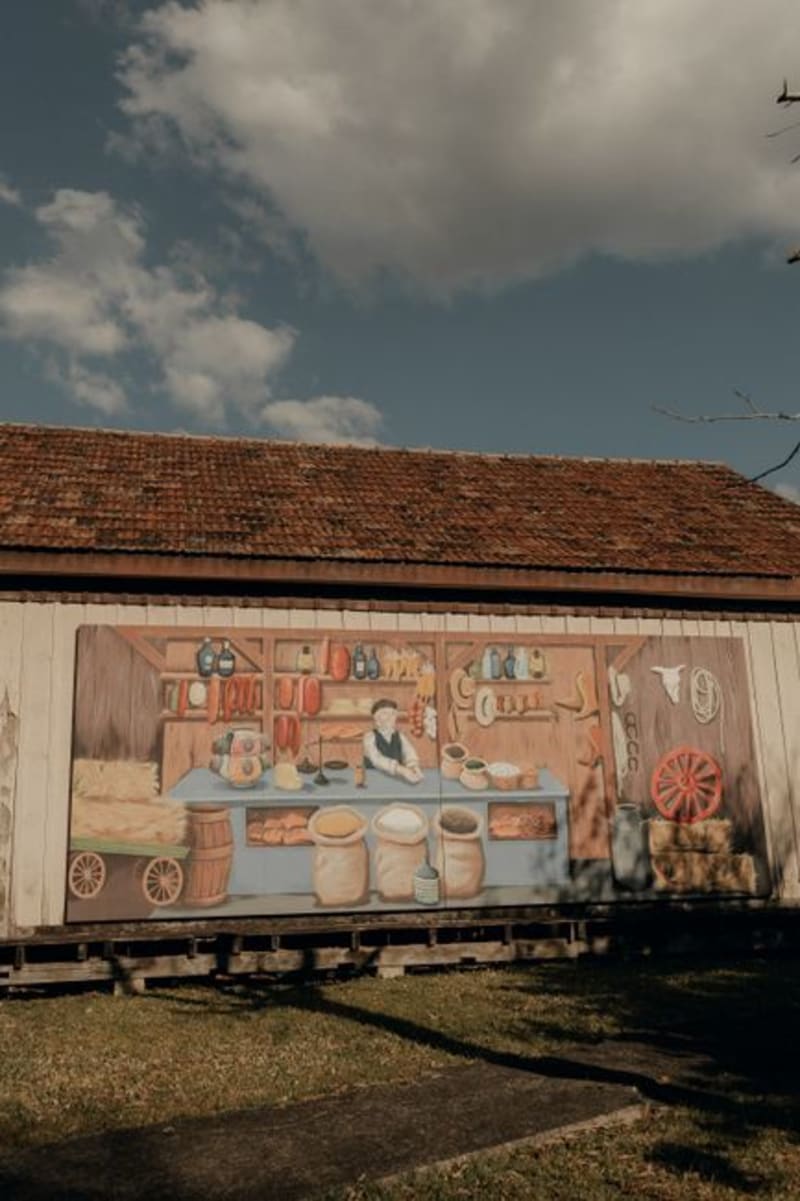 united-states
Chepachet
A tiny rural village in Glocester where the state's most famous antique store still trades out of a mid-1800s general store and the surrounding woods hide one of Rhode Island's few real hills. Lia and I went for the antiques and ended up hiking off the cider donuts we'd bought without any real plan to.
Explore united-states
Tiverton
A stretched-out town along the Sakonnet River whose historic Four Corners neighborhood does more with a handful of colonial buildings than most towns manage with a whole downtown. Lia and I came for an art gallery crawl and left having eaten better than in most of the fancier towns nearby.
Explore