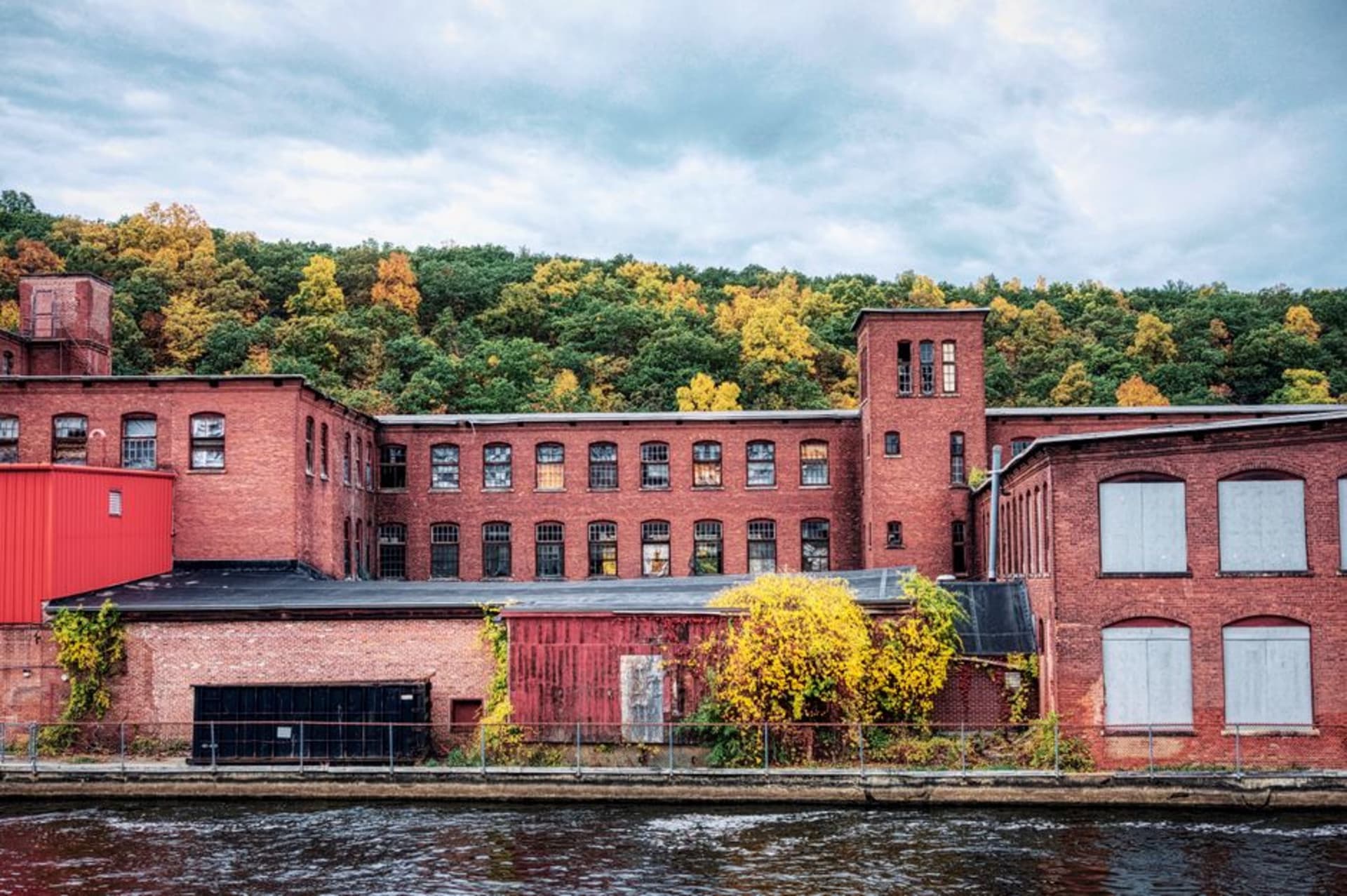
Pawtucket
"Every cotton mill in America has a family tree, and it starts on this exact stretch of the Blackstone."
A gritty mill city where American industry effectively began, its old textile mills now converted into studios and breweries along the Blackstone River. Lia and I came expecting an afternoon and stayed for a whole day once we realized how much of the actual Industrial Revolution happened on one riverbank here.

Pawtucket doesn’t get much tourist attention, sandwiched as it is between Providence and the Massachusetts line, but Lia and I found it one of the more quietly important stops in the state. This is where, in 1793, Samuel Slater built the first successful water-powered cotton spinning mill in America, using designs he’d memorized in England where exporting textile technology was illegal — smuggled knowledge that effectively kicked off American industrialization on the banks of the Blackstone River, right where the falls made the water power irresistible.
Slater Mill
The Slater Mill Historic Site preserves the original mill building along with a working recreation of a water wheel and looms, and a guide walked us through exactly how child laborers as young as seven once worked twelve-hour shifts tending spinning frames here, a detail that cut hard against the tidy “birthplace of American industry” framing on the brochure. Lia found the honesty of the exhibit refreshing — it didn’t shy from the human cost of the innovation being celebrated a few feet away.

The Tidewater and the arts district
Downstream, a stretch of old textile and jewelry mills has been converted into the city’s arts district, studios and small galleries occupying brick buildings that once employed thousands. We wandered into an open studio night by accident, artists’ doors propped open along a corridor that still smelled faintly of machine oil decades after the looms stopped, and ended the evening at a taproom built into a former mill floor, exposed beams and all, with a flight of beers brewed a few floors below where we sat.

Getting There
T.F. Green International Airport (PVD) is about twenty-five minutes south. Pawtucket sits directly on I-95 just north of Providence, roughly a ten-minute drive from downtown, and is also reachable by RIPTA bus from the capital — one of the few destinations in this list where a car isn’t strictly essential.
Keep exploring
More of Rhode Island
Keep exploring
More from Rhode Island
 united-states
Providence
Rhode Island's capital is small enough to hold in one evening and strange enough to stay with you for months. We watched braziers of fire float down the river at dusk, climbed a hill of colonial houses, and ate better than we had any right to in a city this size.
Explore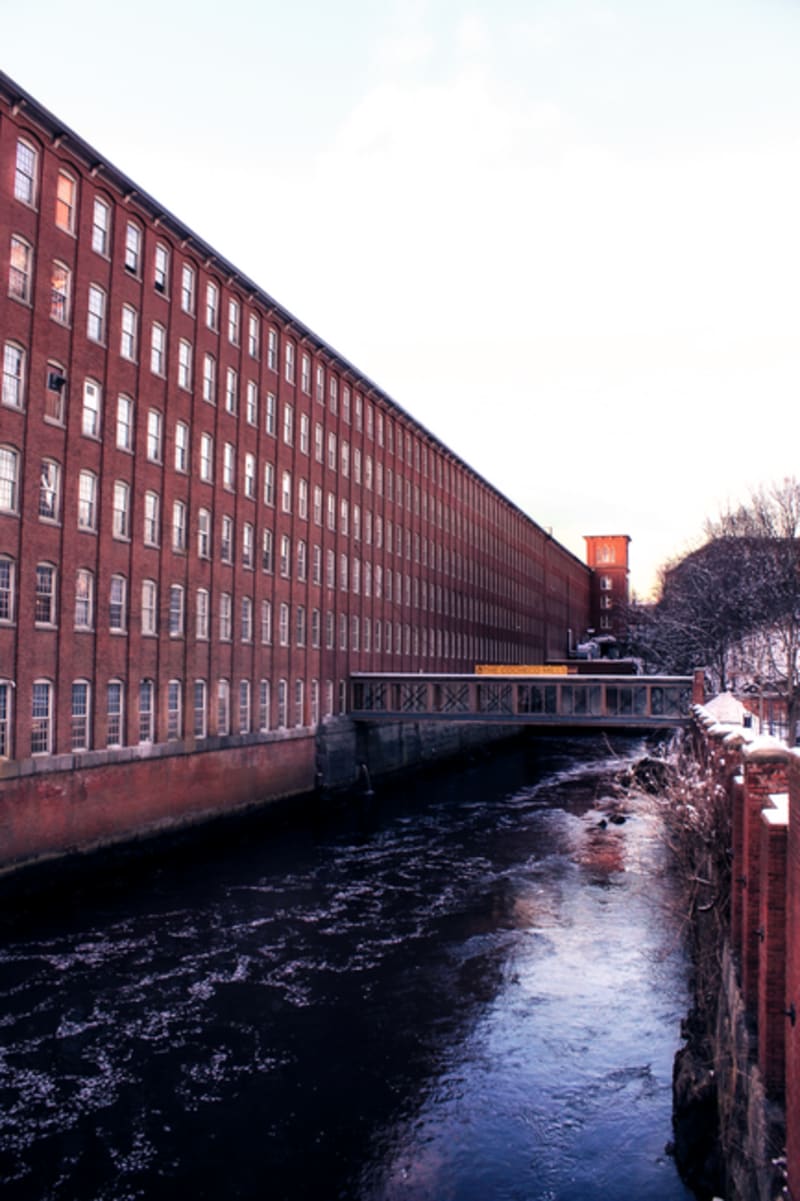 united-states
Woonsocket
A former mill powerhouse on the Blackstone River so thoroughly shaped by French-Canadian immigrants that its Catholic parishes once held Mass in French. Lia and I came for the museum and left having eaten a meat pie recipe that's apparently been unchanged since the 1920s.
Explore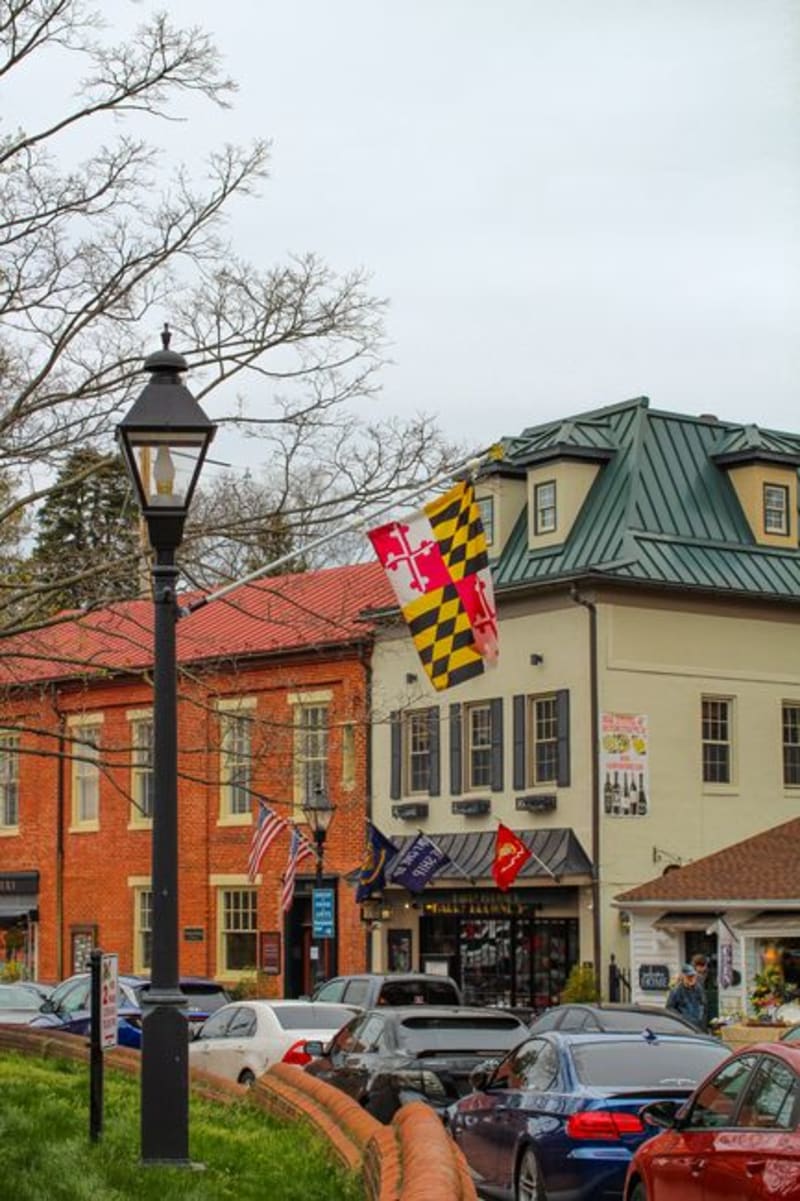 united-states
East Greenwich
A colonial seaport on Narragansett Bay whose Main Street of eighteenth-century houses somehow avoided both decay and over-restoration. Lia and I walked it end to end on a warm evening and agreed it might be the most livable-looking town we'd seen anywhere in New England.
Explore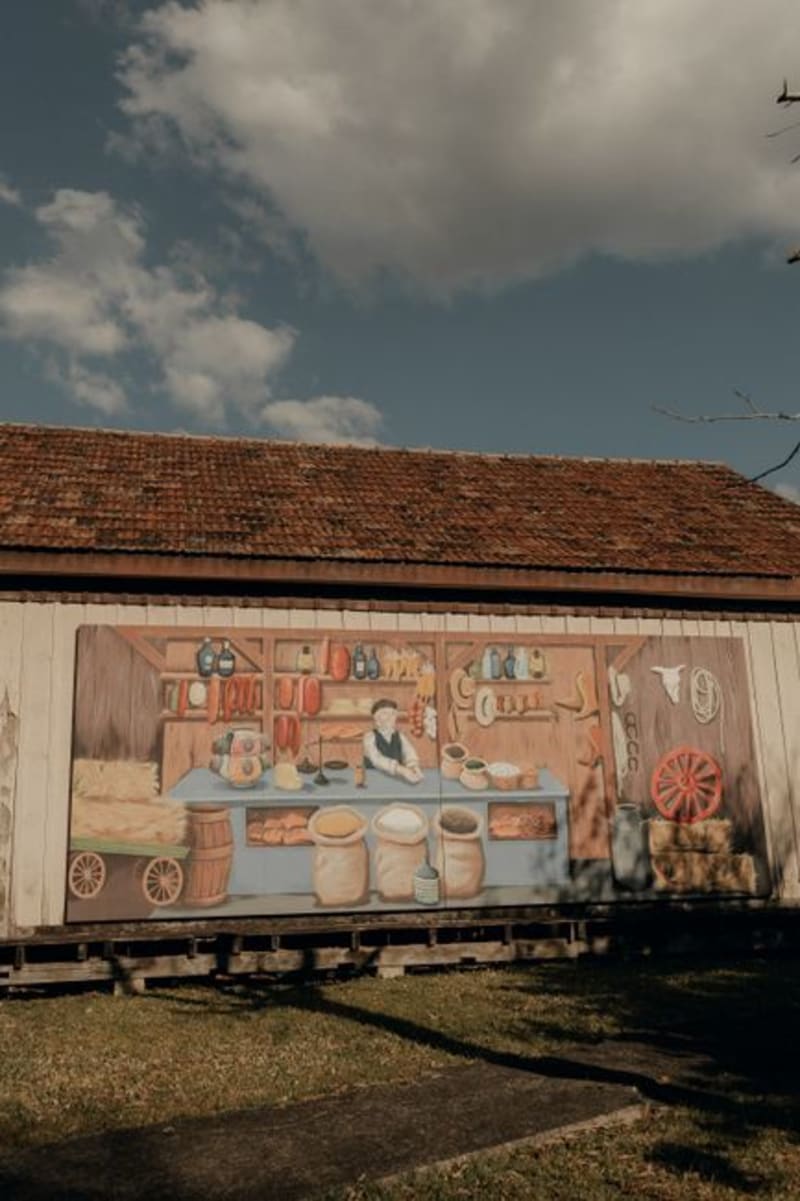 united-states
Chepachet
A tiny rural village in Glocester where the state's most famous antique store still trades out of a mid-1800s general store and the surrounding woods hide one of Rhode Island's few real hills. Lia and I went for the antiques and ended up hiking off the cider donuts we'd bought without any real plan to.
Explore united-states
Wickford
A colonial harbor village in North Kingstown so intact it feels staged, all white clapboard and hand-painted shop signs around a working boatyard. Lia and I came for lunch and stayed for the whole afternoon, wandering streets that haven't needed a single modern building to stay alive.
Explore united-states
Bristol
A Narragansett Bay harbor town that claims the nation's oldest continuous Fourth of July celebration and a Main Street painted with a permanent red-white-and-blue stripe. Lia and I came for a sailing museum and stayed for a waterfront so unhurried it felt like Rhode Island had bottled its own version of New England calm.
Explore