Blue Ridge Parkway
"The Blue Ridge Parkway isn't a road to a destination — the road is the destination."
America's favorite scenic drive threads 469 miles of ridgeline between the Great Smoky Mountains and Shenandoah, its overlooks stacked with layered blue peaks. Lia and I gave up on a schedule after the first hour, pulling over at every turnout until sunset caught us still fifty miles from anywhere.

Lia and I picked up the Parkway near Asheville with vague plans to drive “a couple hours” toward Mount Mitchell, and quickly abandoned any sense of pace. There are no billboards allowed on the Blue Ridge Parkway, no gas stations for long stretches, no traffic lights for the entire 469 miles — just a ribbon of asphalt built during the Depression to follow the crest of the Appalachians, curling past split-rail fences and rhododendron thickets with a deliberate, unhurried logic. Every few miles a stone-walled overlook appears, and every one of them seemed to demand we stop.
Craggy Gardens and the high balds
Not far past Asheville, the road climbs into Craggy Gardens, a series of grassy, treeless balds that erupt into magenta drifts of Catawba rhododendron each June. We hiked the short trail up to Craggy Pinnacle just as clouds rolled in below us, leaving the summit floating above a sea of white while the surrounding peaks poked through like islands. It was cold enough at 5,800 feet that Lia borrowed my jacket, grumbling about the elevation change from the valley heat we’d left behind that morning.

Mount Mitchell and Linville Gorge
Farther north, a short spur road leads to the summit of Mount Mitchell, the highest peak east of the Mississippi at 6,684 feet, where a stone observation tower gives a 360-degree view across the Black Mountains. Back on the Parkway proper, we detoured to the rim of Linville Gorge, sometimes called the “Grand Canyon of the East,” where the Linville River has carved a nearly thousand-foot-deep chasm choked with old-growth hemlock and rhododendron. Standing at Wiseman’s View, watching a hawk ride the thermals below us instead of above, gave a vertigo neither of us expected from a scenic overlook.

Mabry Mill and mountain culture
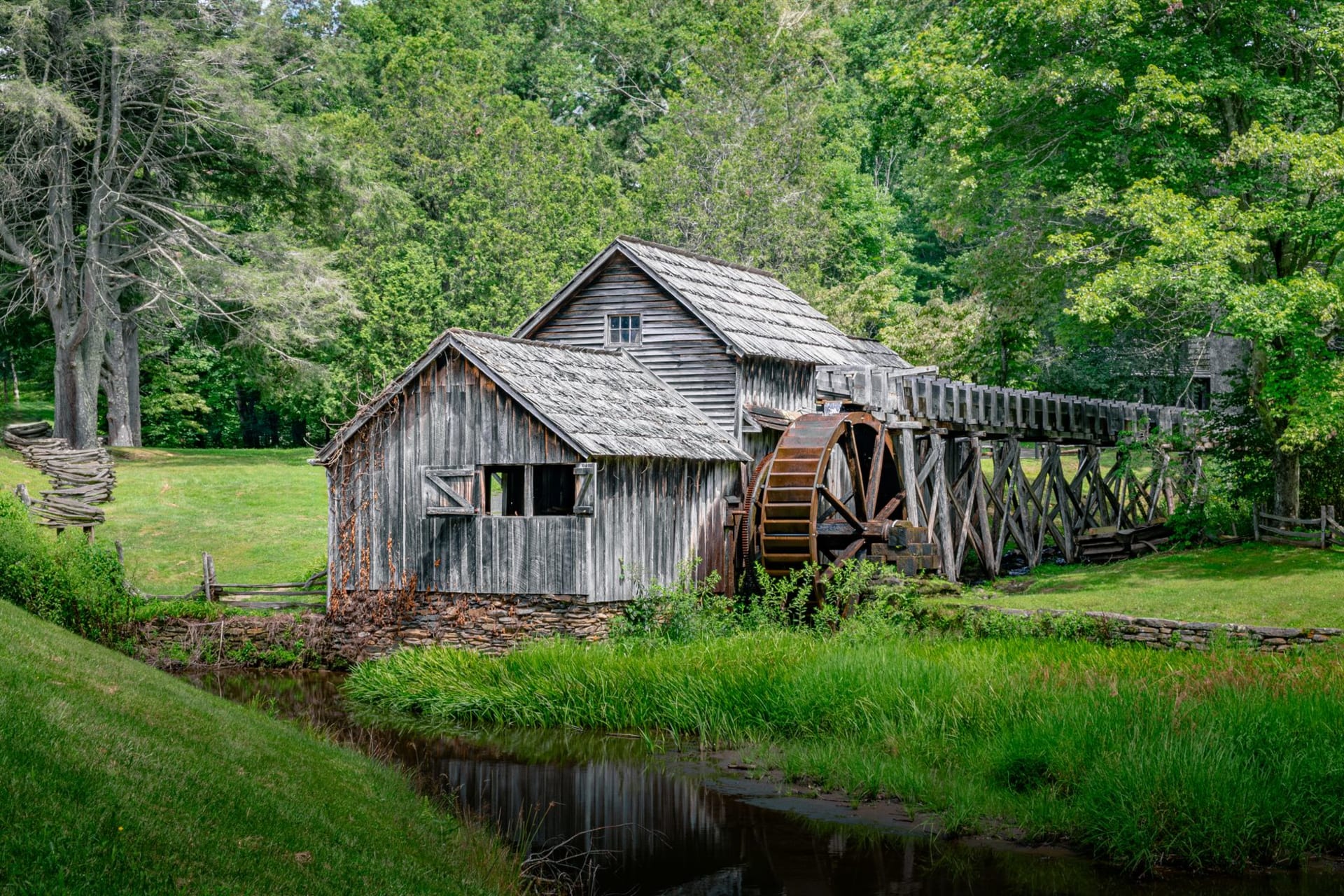
Well into Virginia, we stopped at Mabry Mill, the most photographed spot on the entire Parkway — a weathered gristmill reflected in its own millpond, with a working blacksmith shop and split-rail fences that make it feel preserved from another century. A ranger-led demonstration of the water wheel and a plate of buckwheat pancakes at the mill’s small restaurant reminded us that the Parkway isn’t only about the drive; it was built, in part, to showcase the folk life and craft traditions of Appalachian communities the road passes through.

Getting There
The Parkway’s southern terminus connects to the Great Smoky Mountains National Park near Cherokee, North Carolina, about a forty-minute drive from Asheville Regional Airport, while its northern end meets Shenandoah National Park near Waynesboro, Virginia, roughly two and a half hours from Washington Dulles. Because there are no fuel stations for long stretches and the speed limit rarely exceeds 45 mph, plan for a full tank and generous time — driving the entire route comfortably takes at least two to three days, though most visitors sample a section rather than attempt it end to end.
Keep exploring
More of North Carolina
Keep exploring
More from North Carolina
 united-states
Blowing Rock
A tidy Blue Ridge mountain village perched above a gorge where the wind blows uphill hard enough to earn the town its name, its Main Street strung with rocking-chair porches and fudge shops. Lia and I chased a sudden fog rolling up the cliffside and found ourselves laughing into a wind that seemed to be arguing with gravity itself.
Explore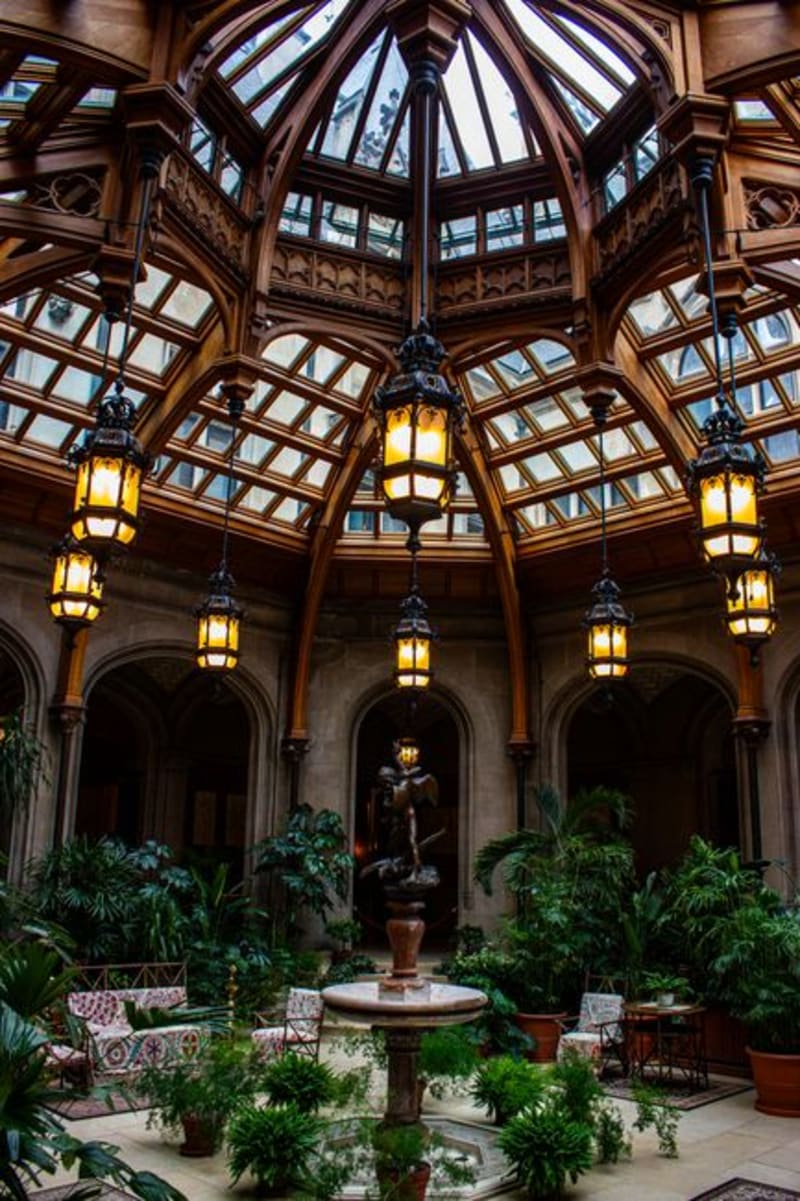 united-states
Asheville
A hip Blue Ridge mountain town where breweries, galleries and misty peaks all share one narrow valley. Fog hangs in the folds of the surrounding ridges each morning and burns off to reveal a city that runs on art and hops. Asheville feels like a place that decided to do things its own way.
Explore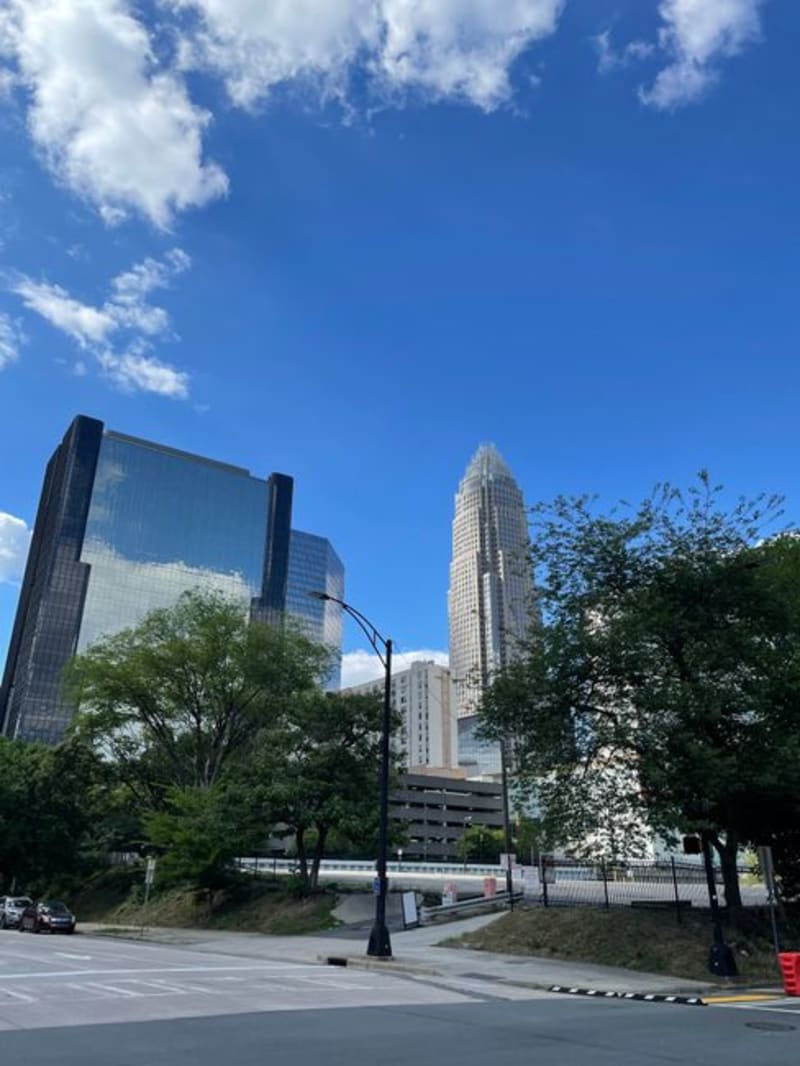 united-states
Charlotte
A gleaming North Carolina banking city where glass towers catch the afternoon light and NASCAR runs in the bloodstream. We came expecting corporate polish and found neighborhoods with front porches, pimento cheese, and a racing museum that made Lia laugh out loud. Charlotte hums quietly beneath its skyline.
Explore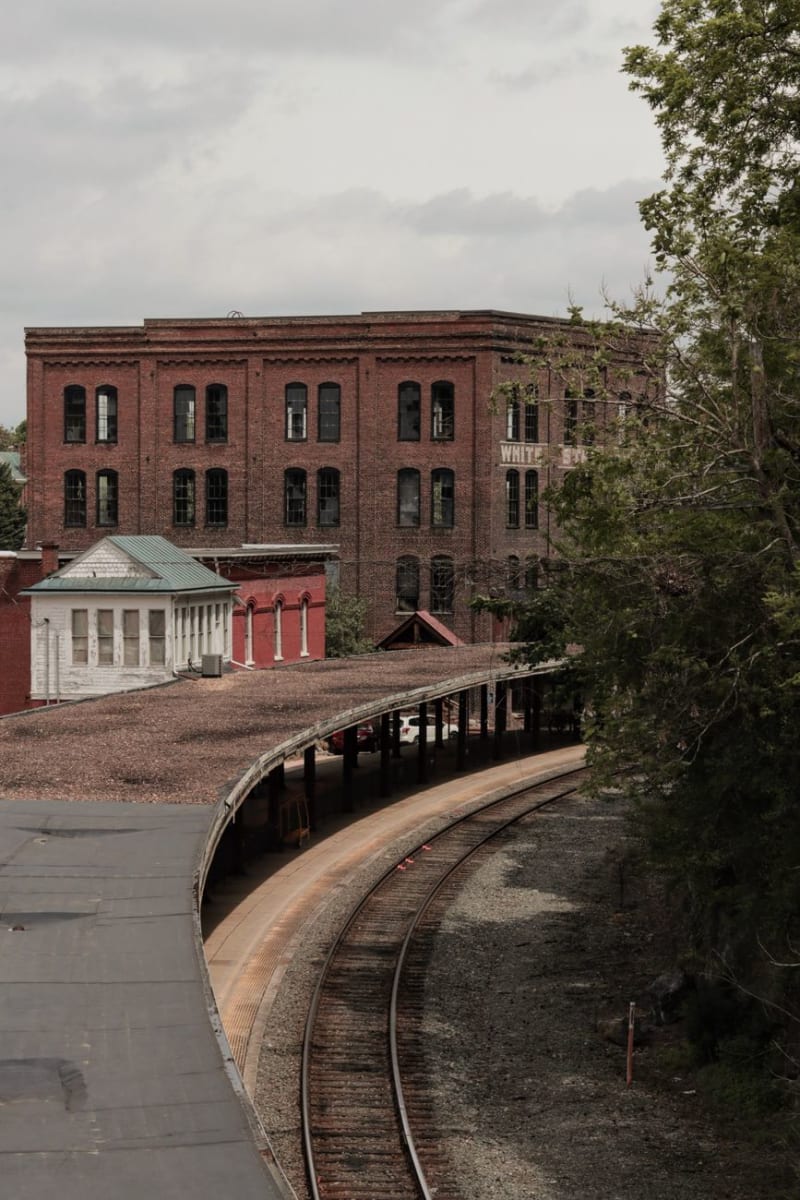 united-states
Bryson City
A Smoky Mountain rail town where whitewater roars through a gorge and a vintage steam train still climbs into the fog-wrapped hills. Lia and I arrived expecting a quiet pit stop before the national park and left with soaked boots, sore arms, and no regrets whatsoever.
Explore united-states
Durham
A former tobacco town reinvented as a Research Triangle food capital, where Gothic university spires meet converted cigarette warehouses full of breweries and chefs. Lia and I came skeptical of the hype and left planning our next visit around a single restaurant.
Explore united-states
Raleigh
North Carolina's capital is greener and gentler than we imagined — a city under a canopy of oaks, where the best museums cost nothing and the surrounding research universities keep the whole place young and curious. We slowed right down and let it charm us.
Explore