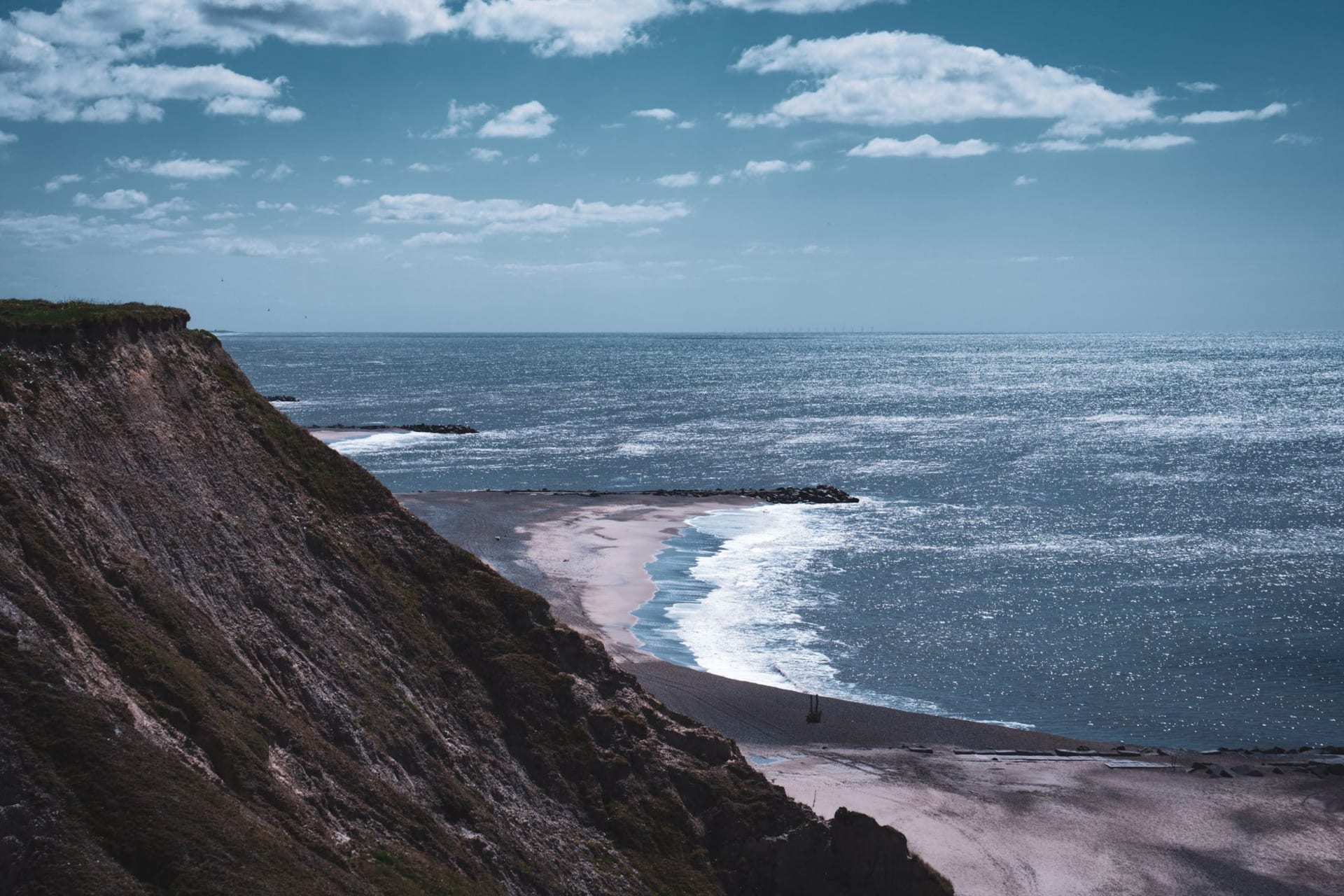
Montauk
"Montauk is where Long Island runs out of road and simply hands you over to the sea."
The last stop on Long Island, where the Hamptons' polish gives way to a windswept fishing town of surf shacks and a lighthouse standing sentinel over the Atlantic. Lia and I drove out at dawn and stayed until the last ferry lights blinked on, unwilling to leave the edge of the world.

We reached Montauk the way most people do, driving east along Route 27 until the hedgerows and vineyard signs of the Hamptons thinned into scrub pine and salt-bleached fences. Lia rolled the window down somewhere past Amagansett and said she could smell the difference — brinier, wilder, less manicured. Montauk has always played the scrappy cousin to its glossy Hamptons neighbors, a former fishing outpost that surfers and second-home dreamers discovered without ever quite taming it. That tension between raw and refined is exactly what makes it worth the drive.
The lighthouse at the point
At the very tip of the island stands Montauk Point Lighthouse, commissioned by George Washington in 1792 and still the oldest lighthouse in New York State. We climbed its spiral stairs into a wind so sharp it nearly took Lia’s hat, then stood on the gallery looking out at where Long Island Sound and the open Atlantic seem to argue over the same stretch of water. Below, the bluffs drop toward a rocky shoreline where seals occasionally haul out in winter, and on a clear day you can just make out the hazy silhouette of Block Island.
Surf, docks, and the Shagwong
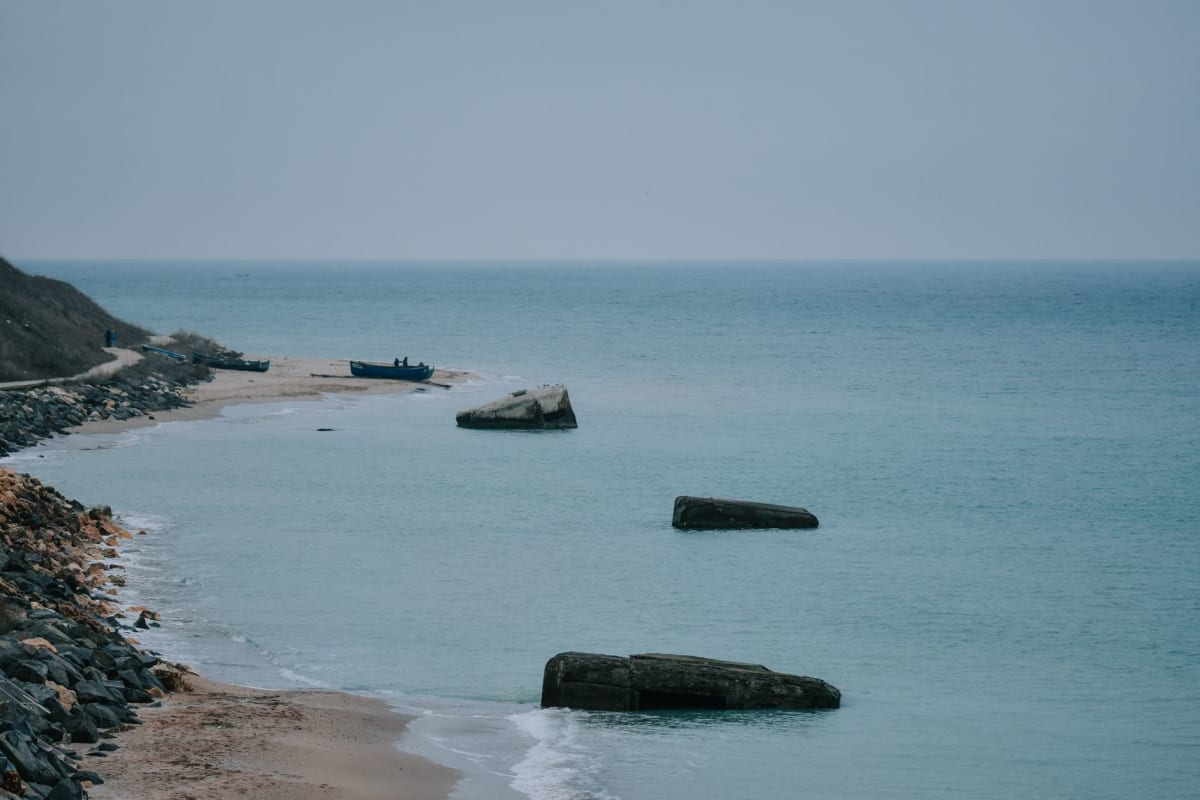
Montauk’s harbor still runs on fish, and it shows: charter boats loaded with fluke and striped bass come in each afternoon, and the smell of the docks mixes with fry oil from the seafood shacks lining West Lake Drive. We ate lobster rolls standing up at a picnic table, then wandered downtown past the Shagwong Tavern, where surfers in wetsuits and weekenders in boat shoes somehow share the same bar without friction. Ditch Plains, just south of the lighthouse, is the reason Montauk earned its “Montauk-fornia” nickname — a rolling right-hand break that draws longboarders from the city every weekend, and where we sat on the sand watching silhouettes carve the late light.

Hither Hills and the moorlands
Inland, Montauk turns unexpectedly wild. Hither Hills State Park holds dune-backed campgrounds and a maritime forest that feels closer to Cape Cod than to the Hamptons’ hedge-lined estates, while the trails at Camp Hero wind through old military bunkers and windswept moorland above the cliffs. Lia and I hiked out to Shadmoor at golden hour, the beach plum bushes rattling in the wind, and watched the light turn the grasslands the color of straw. It was the quietest we’d been all trip.
Getting There
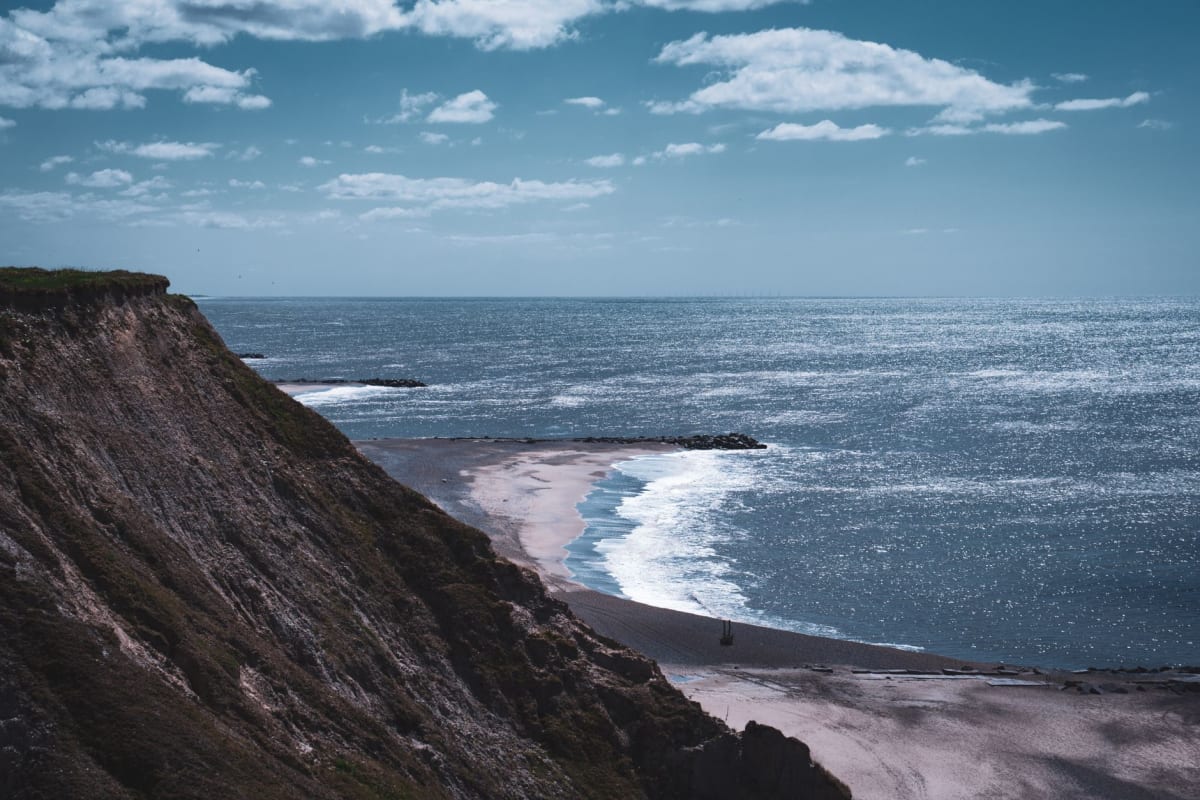
Montauk sits about three and a half hours by car from New York City via the Long Island Expressway and Route 27, though summer traffic through the Hamptons can stretch that considerably. The Long Island Rail Road runs a direct line from Penn Station to Montauk’s own depot, a scenic three-hour ride that avoids the parking headaches entirely, and the seasonal Hampton Jitney bus offers a comfortable alternative. Once in town, Montauk is small enough to explore by bike or on foot, though a car helps for reaching the lighthouse and the more remote park trails.
Keep exploring
More of New York
Keep exploring
More from New York
 united-states
Sag Harbor
A former whaling port on Long Island's East End where a Greek Revival customs house and a working harbor still outshine the Hamptons glamour creeping in from the neighboring villages. Lia and I climbed the old Whalers' Church steeple, ate lobster rolls on a public dock, and found a town that still smells like salt and cedar shingles rather than money.
Explore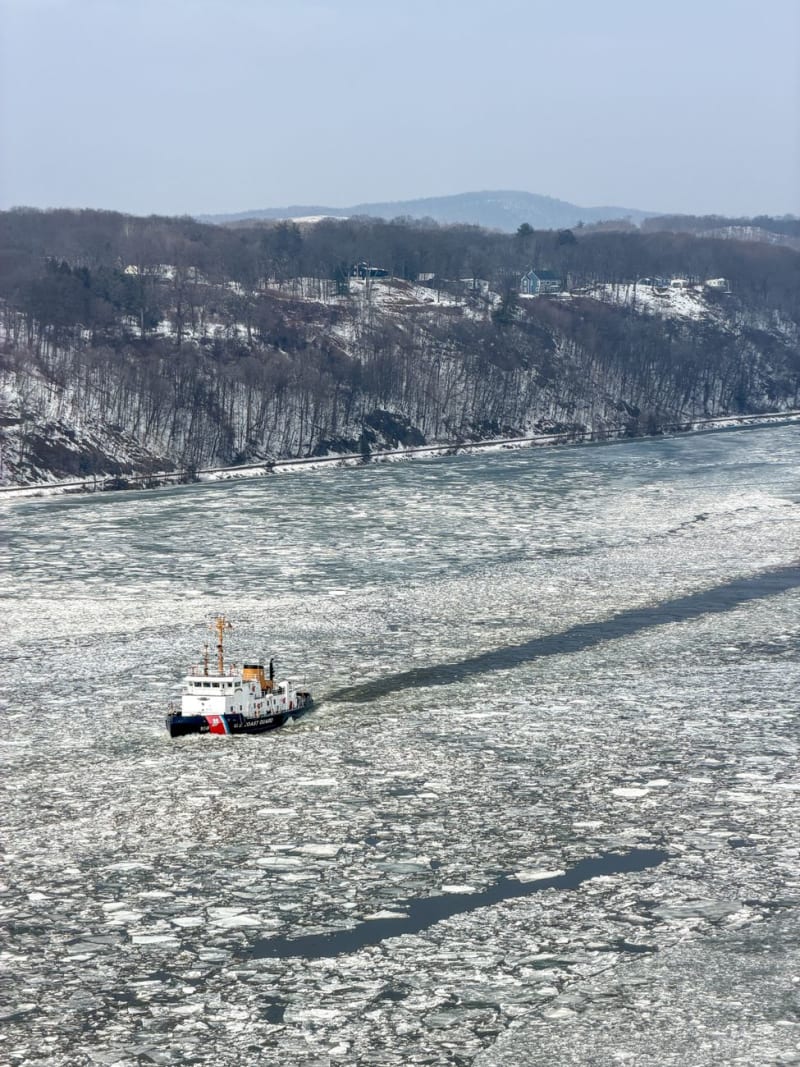 united-states
Tarrytown
A Hudson River village steeped in Washington Irving's ghost stories, where a Gilded Age castle and a rambling old estate sit within walking distance of a Main Street strung with autumn lights. Lia and I chased the Headless Horseman's route at dusk and came away convinced this stretch of the Hudson Valley invented American gothic.
Explore united-states
Central Park
Four kilometres of green held inside the grid — where the city steps back and lets something older take over, and the skyline watches from the edges like it has always been there.
Explore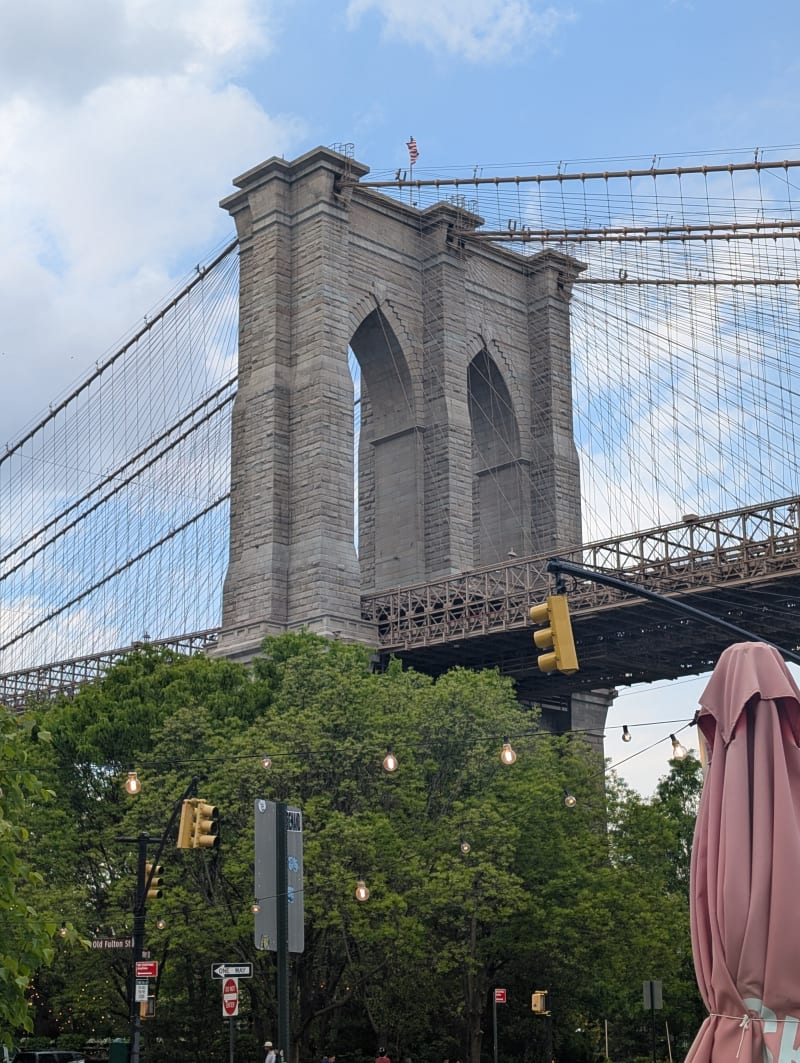 united-states
Brooklyn
The borough that learned to look back at Manhattan — where brownstone streets give way to waterfront parks, the bridge lands on cobblestones, and the best pizza in New York starts an argument nobody wants to end.
Explore united-states
Midtown Manhattan
Broadway's beating heart — where you walk north from downtown into a different city entirely, and a night at the theatre becomes the kind of evening New York was built to produce.
Explore united-states
Hudson Valley
A broad river valley running north from New York City, walled by blue mountains and studded with Gilded-Age mansions, art museums carved from old factories, and towns that smell of woodsmoke and good coffee. The Hudson School painters made this landscape famous; a century and a half later it still stops you in the road. We meant to pass through and ended up staying a week.
Explore