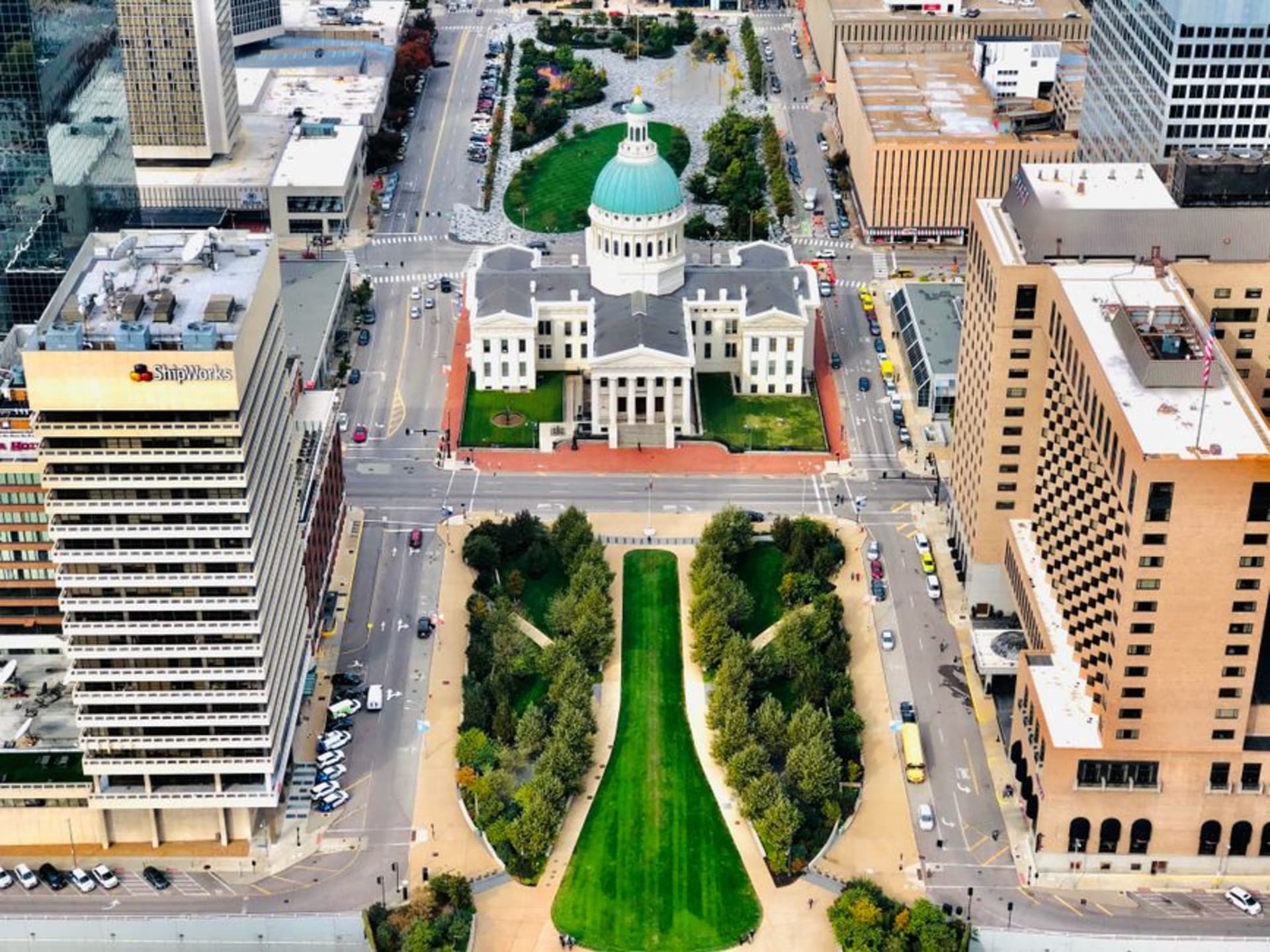
Jefferson City
"Jefferson City is a capital that never bothered to become a big city, and that's most of its charm."
Missouri's understated capital, where a Renaissance-style dome sits above the river and the state's whole story is painted across its rotunda walls. Lia and I got a private-feeling tour of the capitol on a slow Tuesday and had almost the whole building to ourselves.

Jefferson City surprised us by how small it felt for a state capital — barely forty thousand people, with a Missouri State Capitol dome that looms disproportionately large over the river bluff it sits on. We arrived on a quiet weekday, parked easily, and walked straight up to the building without the crowds or security lines I half expected. Lia, who assumed we’d be rushed through a five-minute tour, was surprised when a docent ended up walking us through nearly the whole building because, as she put it, “not much happens on Tuesdays.”
The Capitol and Thomas Hart Benton’s mural
Inside, the rotunda opens up under the dome with a scale that feels almost cathedral-like, but the real draw is the House Lounge, where Missouri-born artist Thomas Hart Benton painted a sprawling, unsentimental mural of the state’s history in 1936 — Jesse James alongside cotton pickers alongside Kansas City jazz musicians, all rendered in his signature muscular, swirling style. It’s blunt art, not flattering propaganda, and the docent pointed out details the state legislature reportedly wanted removed at the time and didn’t get to.

The river and Central Dairy
Below the capitol, the Missouri River runs wide and muddy, and we walked a stretch of the riverfront trail before driving across town to Central Dairy, a local institution that’s been serving ice cream from its own dairy since the 1930s. Lia ordered a scoop nearly the size of her head and didn’t finish it, which she still brings up as a personal failure. The old governor’s mansion, an Italianate house a short walk from the capitol, rounds out an afternoon that runs shorter and quieter than most state capitals, in the best way.

Getting There
Jefferson City is about two hours west of St. Louis and ninety minutes east of Kansas City, both on I-70 then south on US-54, making either city’s international airport the practical gateway. Jefferson City does have a small regional airport (Jefferson City Memorial, JEF) with limited service. A car is necessary — this is a drive-in town, not a walk-to town.
Keep exploring
More of Missouri
Keep exploring
More from Missouri
 united-states
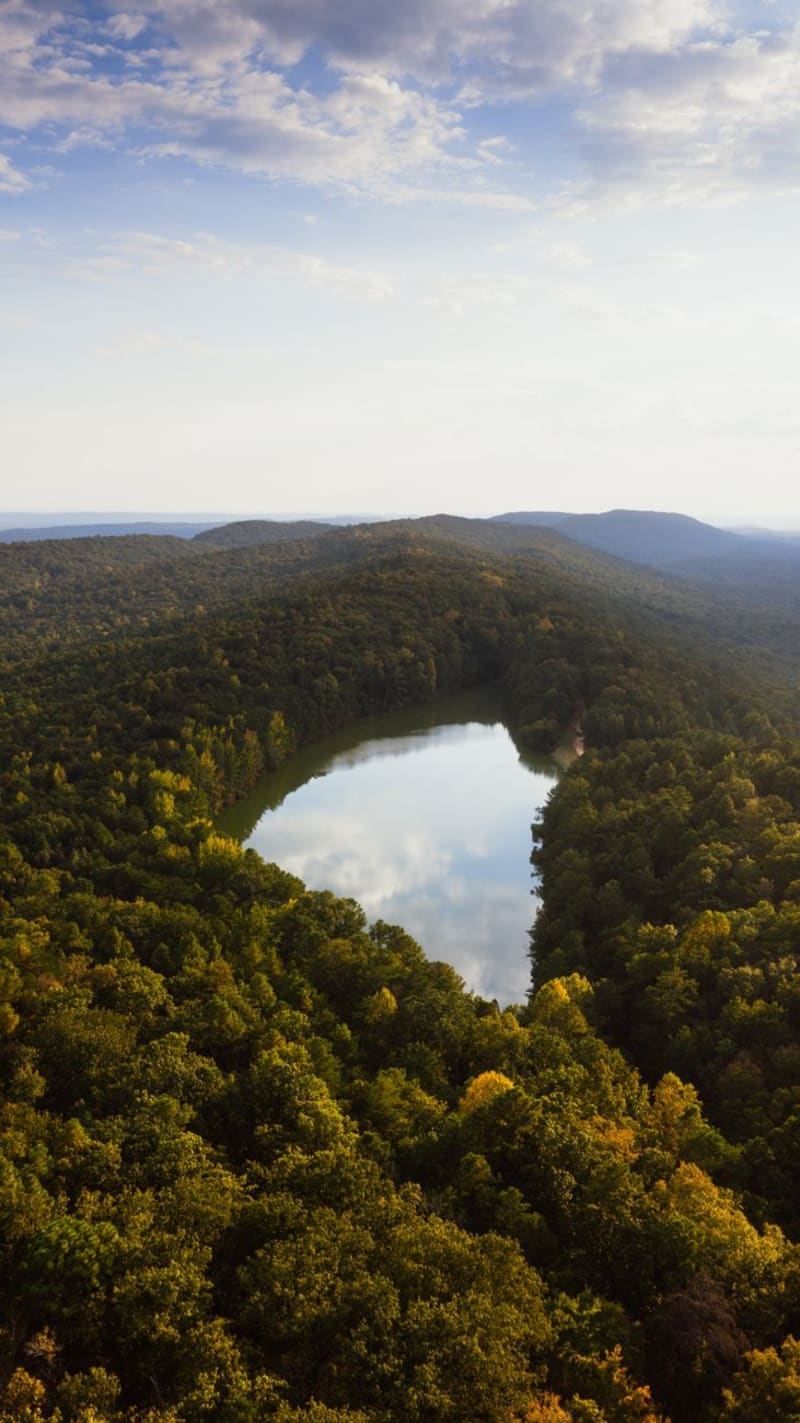
Lake of the Ozarks
A sprawling, dam-made lake threading 1,150 miles of shoreline through the wooded hills of central Missouri, equal parts marina party scene and quiet limestone-bluff cove. Lia and I rented a pontoon for a day and never found the same view twice around a single bend.
Explore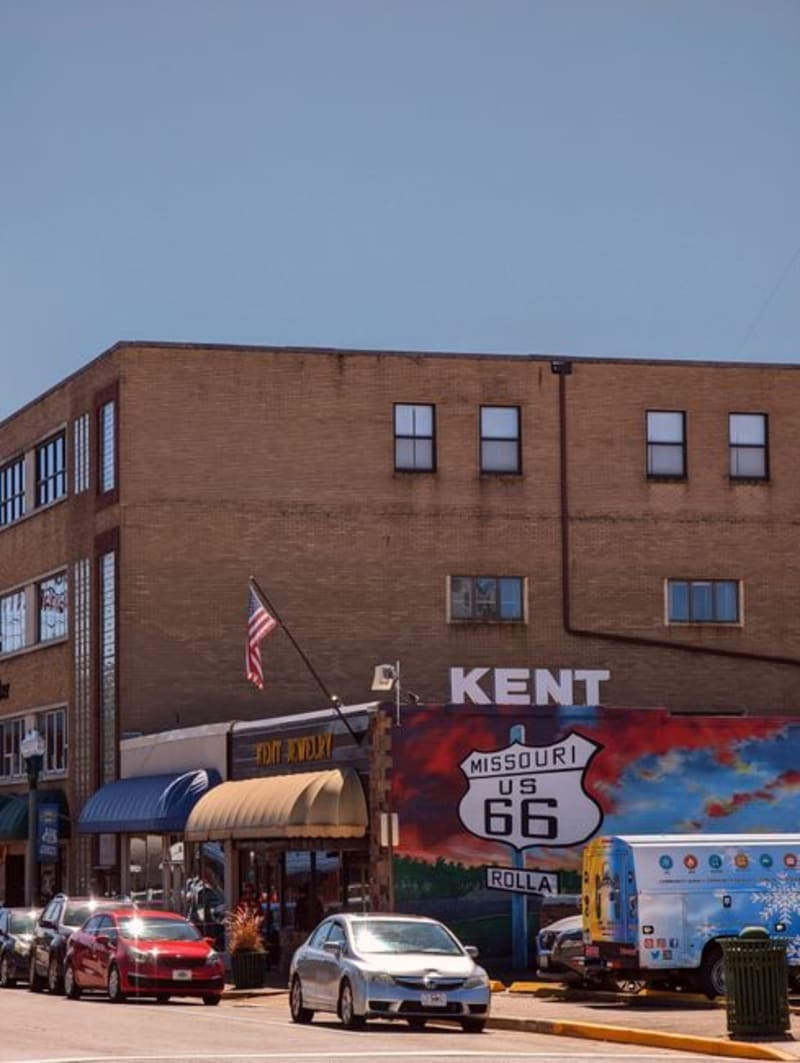 united-states
Boonville
A Missouri River bluff town where the Katy Trail crosses beneath the oldest operating theater west of the Alleghenies. Lia and I rode the trail into town at dusk and arrived just in time for a play we hadn't planned on seeing.
Explore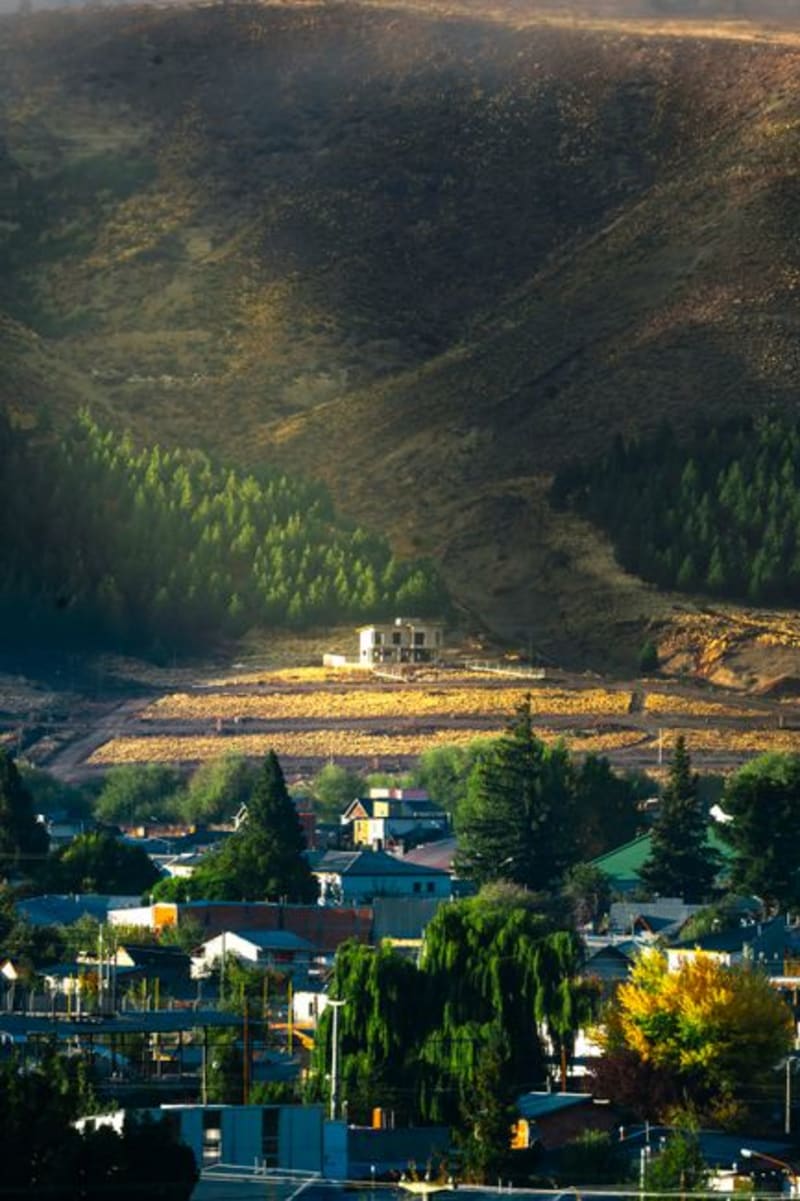 united-states
Rolla
An Ozark foothills college town on old Route 66, where engineering students and truck-stop diners share the same few blocks. Lia and I found a scale replica of Stonehenge on a university lawn and still aren't entirely sure why it's there.
Explore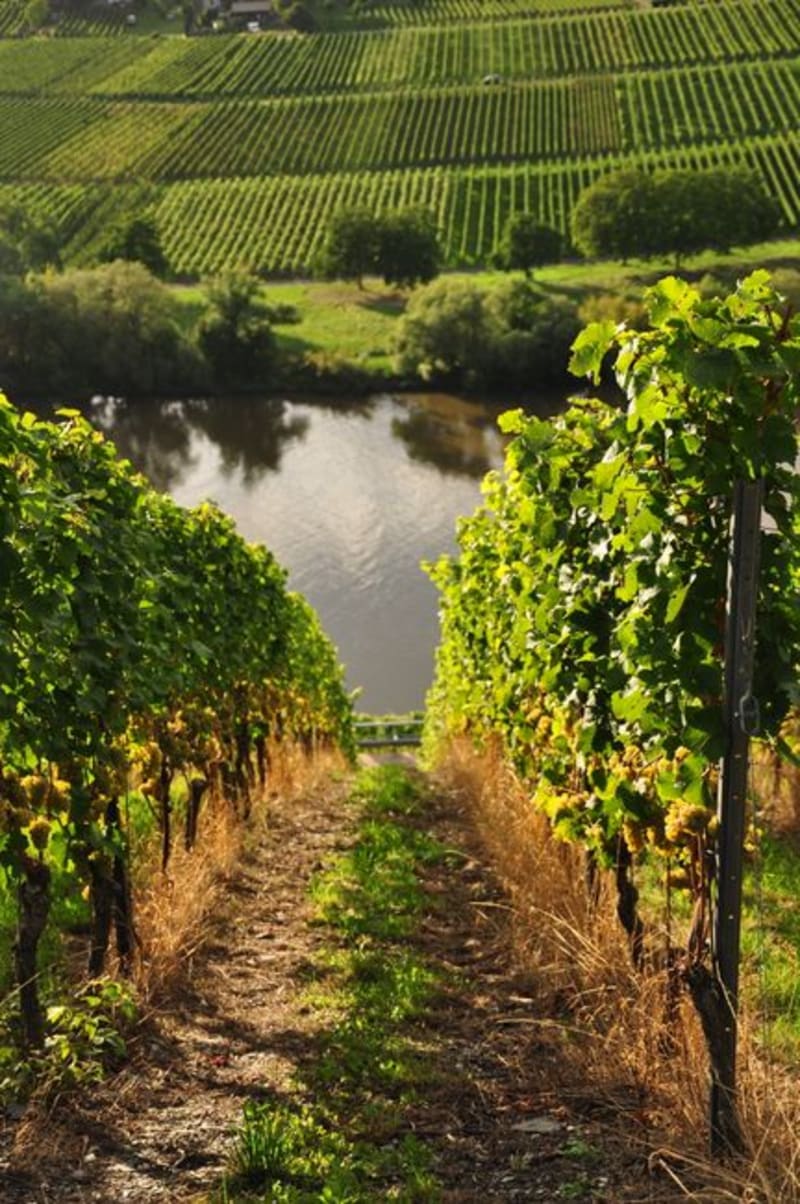 united-states
Hermann
A German-settled river town of stone wine cellars and steep vineyard hills that could pass for the Rhine if you squint past the cornfields. Lia, who grew up near Alsace, said it was the closest she's felt to home anywhere in the Midwest.
Explore united-states
Sedalia
The dusty rail town where Scott Joplin wrote the Maple Leaf Rag and gave American music one of its founding sounds. Lia and I stood outside the club's old site and I hummed the tune badly until she made me stop.
Explore united-states
Hannibal
The Mississippi River town Mark Twain turned into Tom Sawyer's St. Petersburg, its whitewashed fences and limestone caves still performing the boyhood he wrote about. Lia and I climbed Cardiff Hill at dusk, watched a towboat push barges downriver, and understood why Twain never really left this place, even in fiction.
Explore