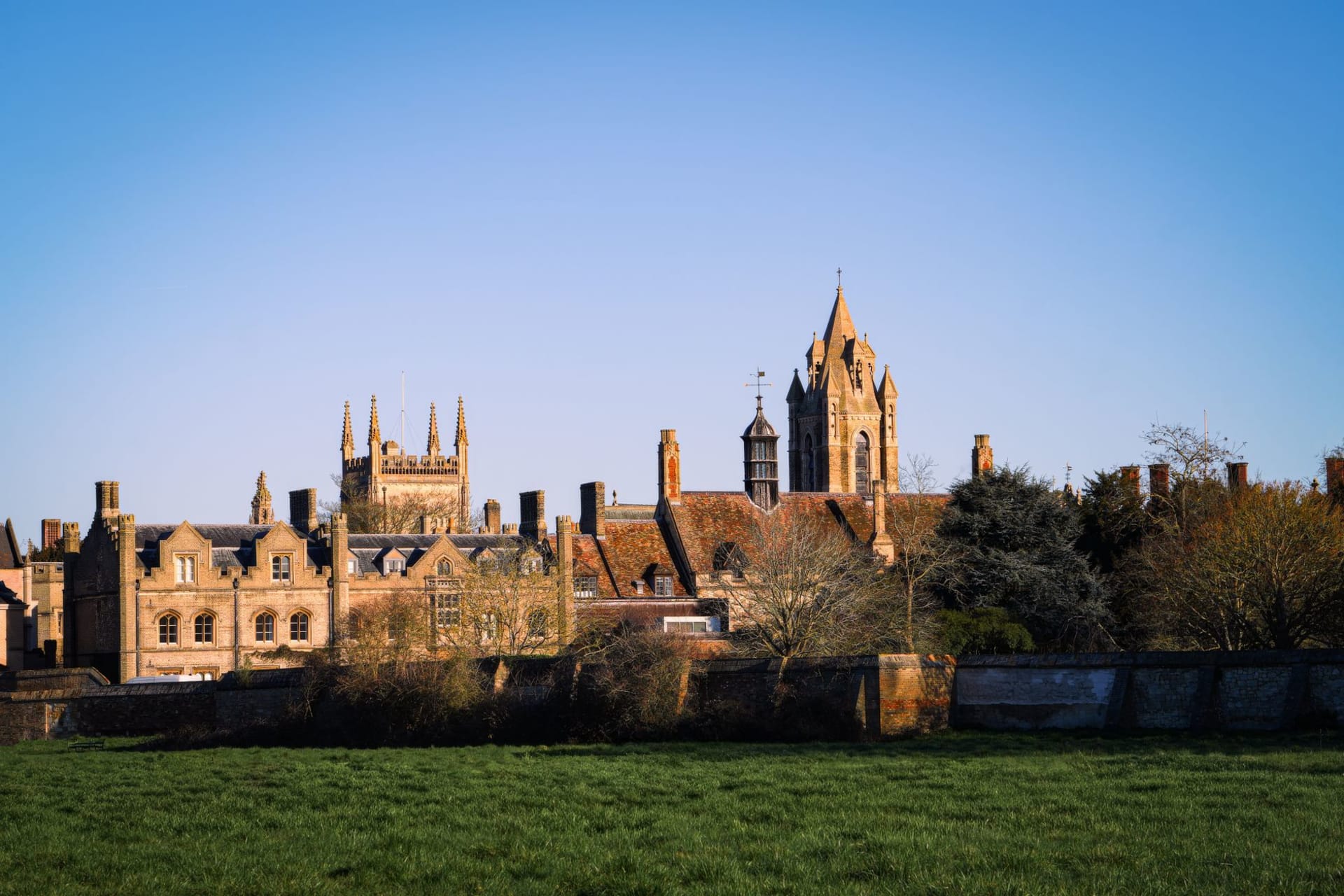
Ely
"Past Ely, the roads stop and the lakes take over — and something in you loosens as soon as they do."
A remote outfitting town on the edge of the Boundary Waters, where the pavement runs out and a million acres of lakes, pines, and portage trails begin. Lia and I loaded a canoe here and paddled off the grid for three days, returning sunburned, mosquito-bitten, and reluctant to leave.

Ely sits at the very end of the road, literally — Minnesota Highway 169 simply terminates a few miles past town at the edge of the Boundary Waters Canoe Area Wilderness, over a million acres of interconnected lakes stretching to the Canadian border. Lia and I came here with a permit, a rented canoe, and no real plan beyond paddling until the mainland noise faded. It did, faster than either of us expected. Main Street itself is a strip of outfitters, gear shops, and log-cabin cafés catering to exactly this kind of trip, and the whole town has the unhurried, gear-checking energy of a place that exists to launch people into the wild.
Outfitting and the edge of the wilderness
We spent our first afternoon in Ely at an outfitter’s counter, a guide sketching portage routes across a laminated map while we packed dehydrated meals into waterproof barrels. The town has done this since the fur trade era, and it shows in the practiced efficiency of the outfitters lining Sheridan Street — everyone here can tell you exactly how far it is between Lake One and Lake Four, and exactly which portage has the worst mud. We loaded our canoe at a public landing just past the edge of town and within twenty minutes the last cabin roof had disappeared behind the pines.

Three days on the water
What followed was three days without cell signal, engines, or artificial light — just granite shorelines, loon calls at dusk, and water so clear we could watch smallmouth bass trail beneath the canoe. We portaged between lakes on trails worn smooth by centuries of use, first by Ojibwe travelers and voyageurs, now by paddlers like us hauling packs on our backs. At night we pitched a tent on a bare rock point, ate freeze-dried pasta that tasted like a feast after a day of paddling, and watched the aurora flicker faintly on the northern horizon. It is one of the few places left in the country where silence is the dominant feature of the landscape.

Wolves, wilderness, and coming back to town
Back in Ely, sunburned and craving a real meal, we stopped at the International Wolf Center, a research and education facility that keeps a resident pack visible through glass viewing windows — a fitting decompression after days spent listening for exactly this animal in the dark. We ate walleye and wild rice at a Main Street diner packed with fellow paddlers comparing portage horror stories, everyone still faintly glazed with the particular exhaustion of the Boundary Waters. Ely doesn’t pretend to be anything but a launching point, and that honesty is precisely its appeal.
Getting There
Ely is roughly a five-hour drive north from Minneapolis–St. Paul via I-35 and Highway 1, with the closest regional airport in Duluth, about two hours south. There’s no shortcut here — the remoteness is the entire point — so most visitors arrive by car, stock up on gear and permits in town, and then leave the roads behind entirely for the water.
Keep exploring
More of Minnesota
Keep exploring
More from Minnesota
 united-states
Stillwater
A river town of Victorian bluffs and lumber-baron mansions on the St. Croix, where Minnesota's territorial government first took shape and antique shops now fill the old warehouses. Lia and I spent an afternoon getting pleasantly lost in its steep brick streets, chasing the smell of fresh bread downhill toward the water.
Explore united-states
Bemidji
A north-woods lake town at the headwaters of the Mississippi River, guarded by giant statues of Paul Bunyan and Babe the Blue Ox. Lia and I stood where the great river is barely a stream you can wade across, oddly moved by how small its beginning is.
Explore united-states
Brainerd
The self-proclaimed home of Paul Bunyan, gateway to a thousand glacial lakes where pontoon boats outnumber cars on summer weekends. Lia and I came for the kitsch of a giant talking lumberjack statue and stayed for the loon calls drifting across still water at dawn.
Explore united-states
Minneapolis
A Minnesota city built around lakes and old flour mills, laced by the Mississippi and animated by one of the most generous arts scenes in the Midwest. Lia and I came in the shoulder season and found a place that lives outdoors whenever the weather allows, and beautifully indoors when it does not.
Explore united-states
St Paul
Minneapolis gets the attention, but St Paul, its older and statelier twin across the Mississippi, holds the history. A great domed cathedral crowns the hill, grand Victorian avenues run beneath the elms, and the river that made the city still curls quietly along its edge. This is the capital that remembers where Minnesota came from.
Explore united-states
Red Wing
A Mississippi River bluff town famous for stoneware pottery and sturdy leather boots, wrapped in limestone cliffs and hardwood forest. Lia and I hiked to a barn-shaped overlook at dawn and watched the river fog burn off the valley in long, slow ribbons.
Explore