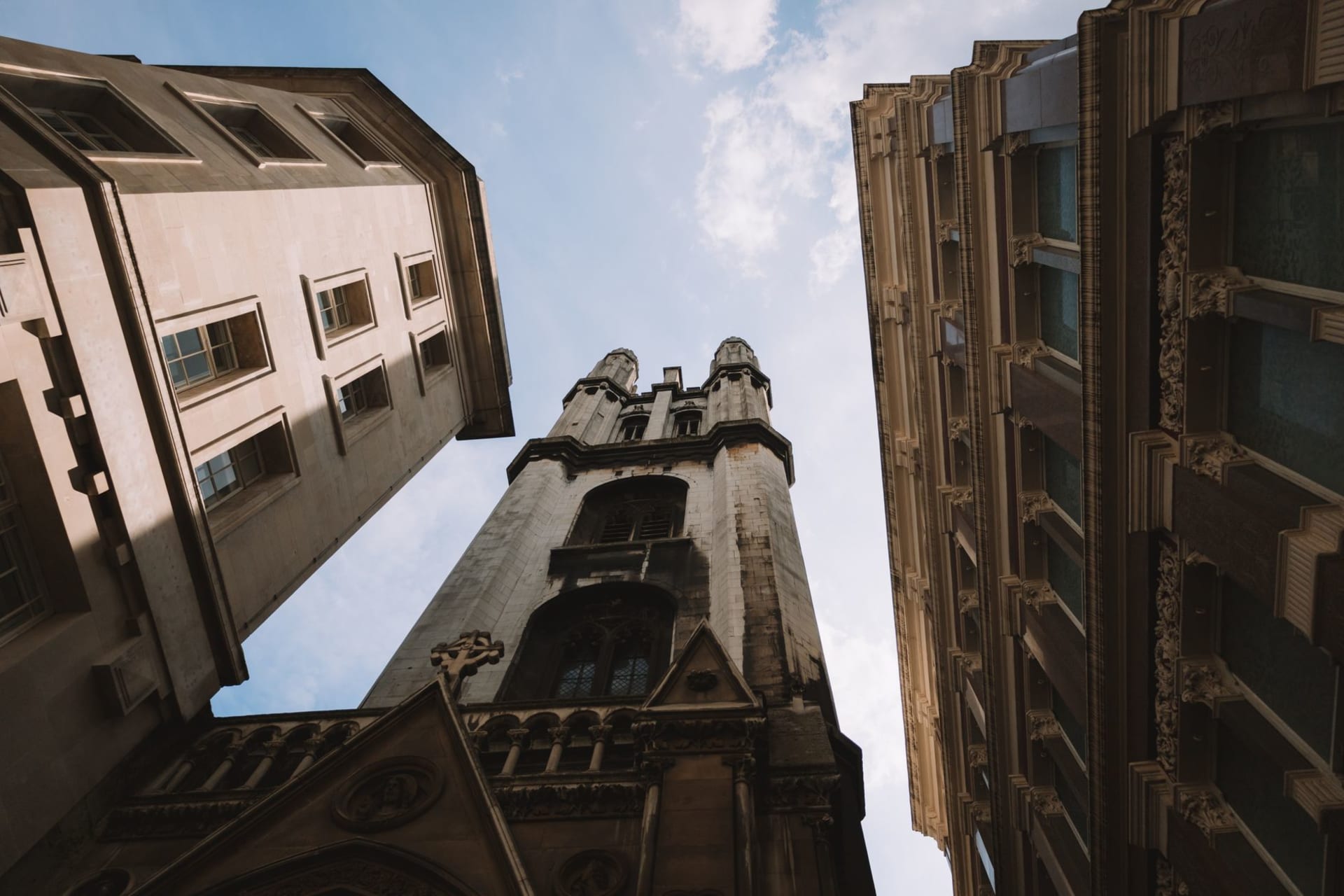
St. Michaels
"St. Michaels once fooled a British fleet by hanging lanterns in the treetops, and the town has been quietly clever ever since."
A former shipbuilding village on Maryland's Eastern Shore, St. Michaels wraps a working harbor of skipjacks and crab shanties around a maritime museum that tells the whole story of the Chesapeake Bay. Lia and I came for crab cakes and stayed for a sunset sail that made the whole bay glow copper.

Local legend holds that during the War of 1812, the residents of St. Michaels hung lanterns high in the trees and doused their house lights, tricking a British naval bombardment into overshooting the town entirely — a story townsfolk still tell with obvious pride, earning St. Michaels the nickname “the town that fooled the British.” Lia and I heard the tale twice before lunch on our first day, once from a shopkeeper and once from a waterman selling crabs off his boat, and it set the tone for a town that clearly enjoys its own history as much as its scenery.
The Chesapeake Bay Maritime Museum
The heart of any visit is the Chesapeake Bay Maritime Museum, spread across a waterfront campus where a restored 1879 screwpile lighthouse — the last of its kind still standing on its original foundation nearby — anchors a collection of workboats, decoys, and exhibits on the bay’s oystering and crabbing industries. We climbed the lighthouse’s tight spiral stairs for a view over the harbor, then wandered the boatyard where craftsmen were restoring a skipjack, one of the last sail-powered working oyster dredgers in America, still legally required under Maryland law to harvest oysters under sail in certain waters. Watching a shipwright plane a curved hull board by hand, Lia said it was the most patient craft she’d ever seen practiced in real time.
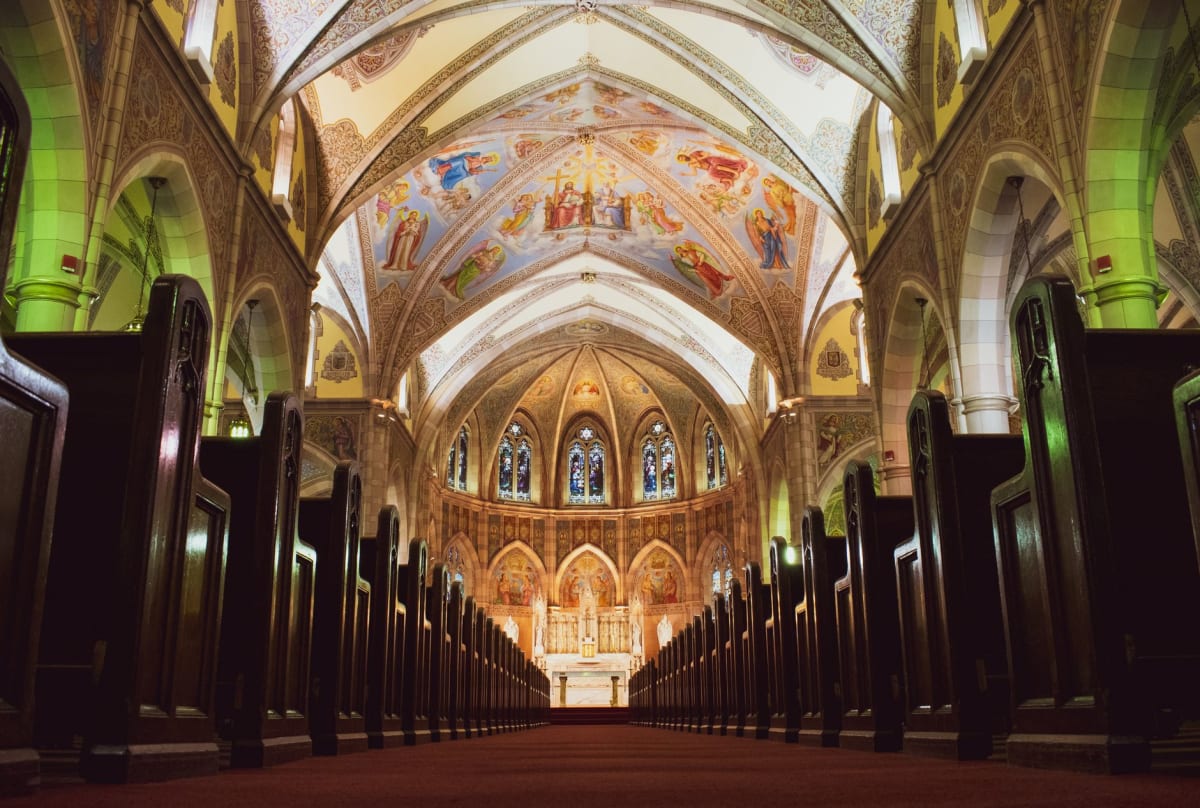
Harbor evenings and crab cakes
Come evening, St. Michaels’ compact Main Street empties toward the water, where waterfront restaurants serve the bay’s namesake blue crabs a dozen different ways — steamed whole under mountains of Old Bay seasoning, or picked and formed into crab cakes so lightly bound with filler that they barely held together on the fork, exactly as the locals insisted a proper Maryland crab cake should be. We booked a sunset sail aboard a historic schooner out of the harbor, tacking past waterfront estates and crab pot buoys as the light went copper over the bay, and ended the night with soft-shell crab sandwiches at a dock bar, gulls circling for scraps.

Getting There
The nearest major airport is Baltimore/Washington International, about ninety minutes northwest across the Chesapeake Bay Bridge. From Washington, D.C., it’s a similar two-hour drive via Annapolis and the bridge, a route best timed to avoid weekend beach traffic heading further down the Eastern Shore. St. Michaels itself is small and entirely walkable once parked, with the harbor, museum, and Main Street all within a few easy blocks of each other.
Keep exploring
More of Maryland
Keep exploring
More from Maryland
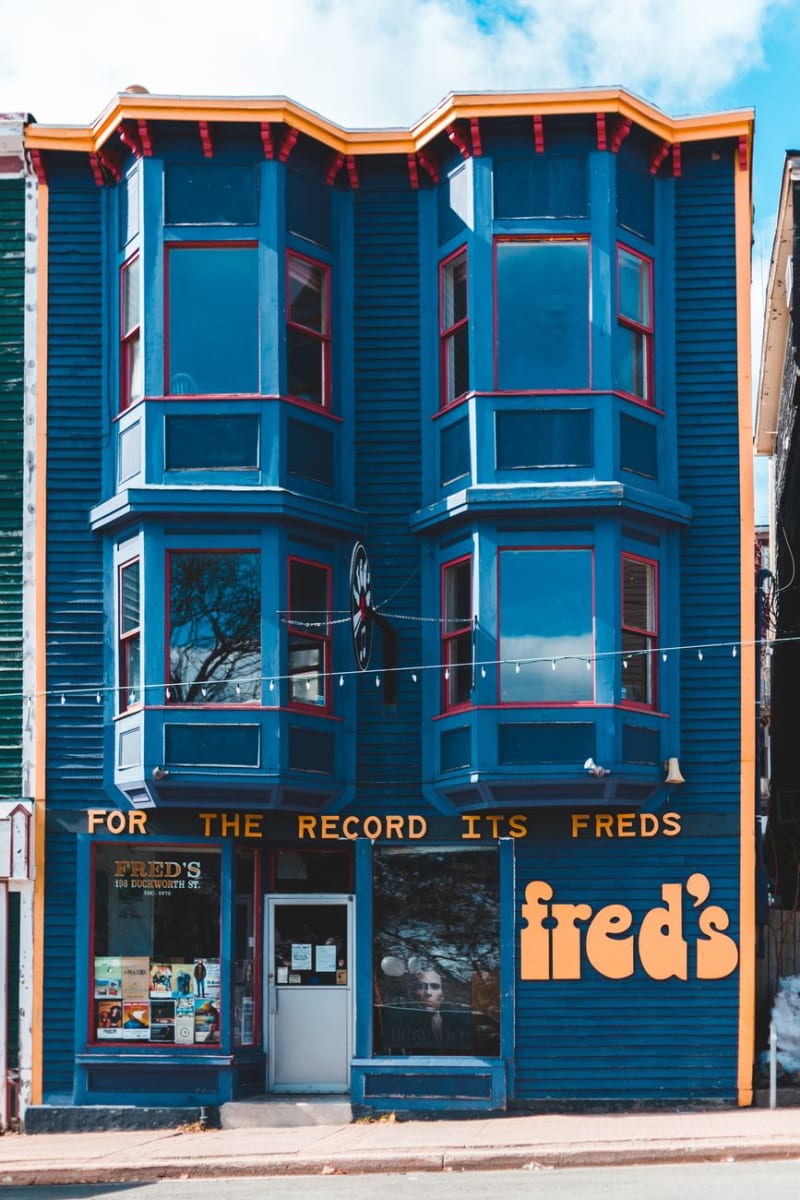 united-states
Frederick
A red-brick clock-tower town tucked between the Catoctin and South Mountain ridges, where a mile of Victorian storefronts hides candlelit wine bars and a canal-turned-promenade. Lia and I came for a weekend of antiquing and left having mapped every church spire on the skyline by name.
Explore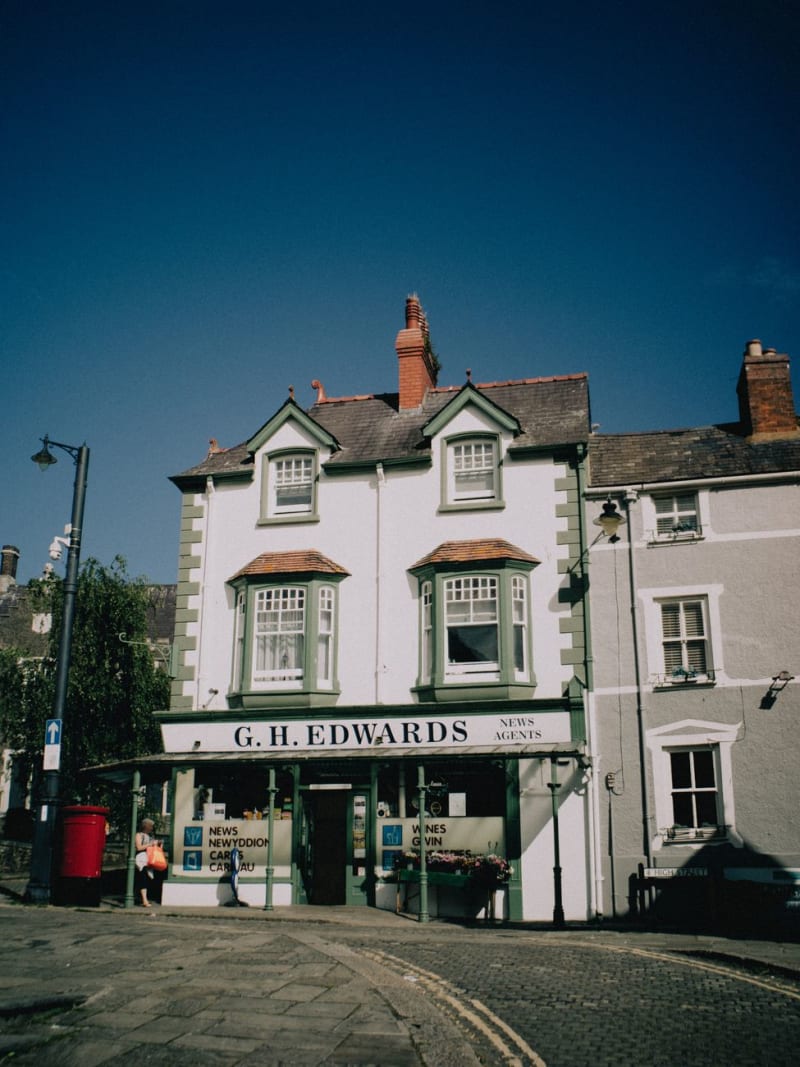 united-states
Cumberland
A mountain-ringed rail town where the C&O Canal ends and the Western Maryland Scenic Railroad still climbs the same grade coal trains once conquered. Lia and I hiked the old towpath at dawn and rode a steam engine into the Alleghenies by afternoon, tracing two centuries of American transportation in a single day.
Explore united-states
Baltimore
A Maryland harbor city of red-brick row houses, steamed blue crabs, and a working waterfront that never fully forgets the sea. Lia and I came for a night and stayed three, seduced by marble stoops, painted screens, and the best crab we have eaten anywhere.
Explore united-states
Solomons Island
A former oystering village where the Patuxent River meets the Chesapeake Bay, its harbor still thick with workboats and sailing masts. Lia and I climbed the spiral stairs of a century-old screwpile lighthouse, and from the top the whole confluence of river and bay opened out beneath us.
Explore united-states
Annapolis
Maryland's colonial-era capital, where brick sidewalks slope down to a harbor thick with sailboats and midshipmen march in crisp white uniforms. Lia and I spent an afternoon just watching the boats come and go from a dockside bench, in no hurry to be anywhere else.
Explore united-states
Chesapeake City
A canal-side village split in two by a busy shipping channel, its Victorian houses and porches watching container ships glide past at eye level. Lia and I sat on a bench by the water at dusk, counting freighters until the canal's swing bridge lights blinked on, and understood why people call this place a hidden corner of the Chesapeake.
Explore