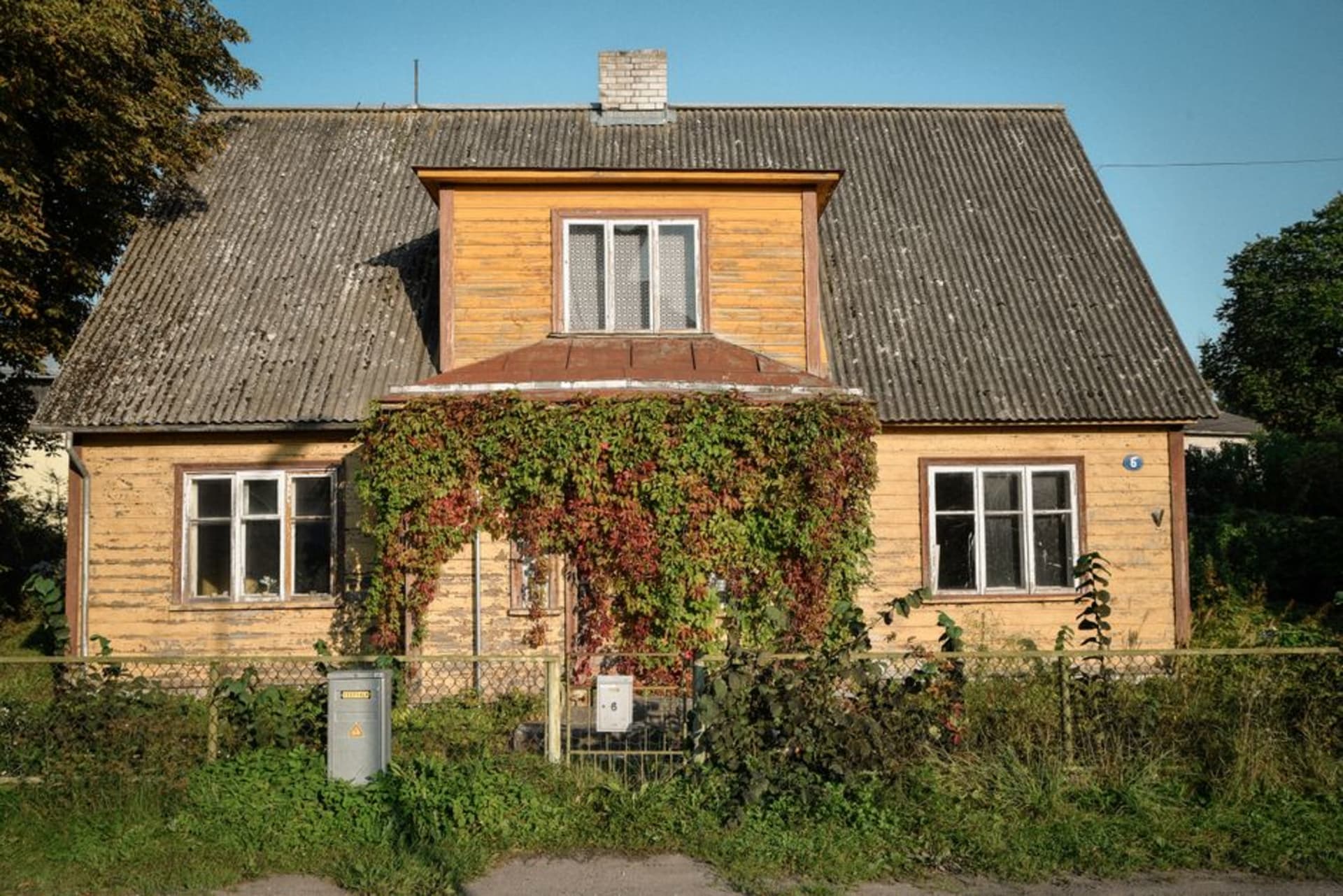
West Branch
"West Branch measures its most famous son's life against a two-room cottage he never outgrew in memory."
A small Quaker farm town that produced a president, preserved as a national historic site down to the two-room cottage he was born in. Lia and I left with more sympathy for Herbert Hoover than either of us expected to feel.

West Branch is a small town of a few thousand people that would be entirely unremarkable if it hadn’t produced Herbert Hoover, the thirty-first president, and the town has organized itself around that fact with quiet, thorough care rather than the kind of overblown patriotism we half expected. Founded by Quaker settlers in the 1850s, it still has the plain, unornamented dignity that upbringing suggests, and walking its historic district felt less like visiting a shrine than dropping in on a modest, well-kept farm town that happened to matter.
The birthplace cottage and presidential library
Herbert Hoover National Historic Site preserves the actual two-room cottage where he was born in 1874, a small white clapboard house that his blacksmith father built, restored down to period furnishings that make it easy to picture just how far Hoover eventually traveled from these origins. We walked the surrounding grounds — a recreated tallgrass prairie, a one-room schoolhouse, the Quaker meetinghouse where his family worshipped — before touring the adjoining presidential library and museum, which didn’t shy away from the harder chapters of his presidency alongside his earlier, less contested career organizing famine relief across Europe after World War I.

The presidential gravesite and tallgrass prairie
At the edge of the grounds, Hoover and his wife Lou are buried on a low grassy rise overlooking the Herbert Hoover Presidential Library, a simple, almost austere memorial in keeping with the plainness of the birthplace cottage below. We walked down through the restored prairie in the late afternoon, native grasses waist-high and moving in the wind, meadowlarks calling somewhere out of sight, and it struck both of us as a genuinely peaceful way to memorialize someone — letting the landscape he grew up in do most of the remembering.

Getting There
West Branch sits just off I-80 about ten minutes east of Iowa City and roughly twenty-five minutes from the Eastern Iowa Airport (CID) in Cedar Rapids. From Des Moines, it’s about an hour and forty-five minutes east on I-80. A car is the easiest way to visit, though once you’ve arrived, the historic site’s cottage, library, and prairie trails are all connected by an easy walking path.
Keep exploring
More of Iowa
Keep exploring
More from Iowa
 united-states
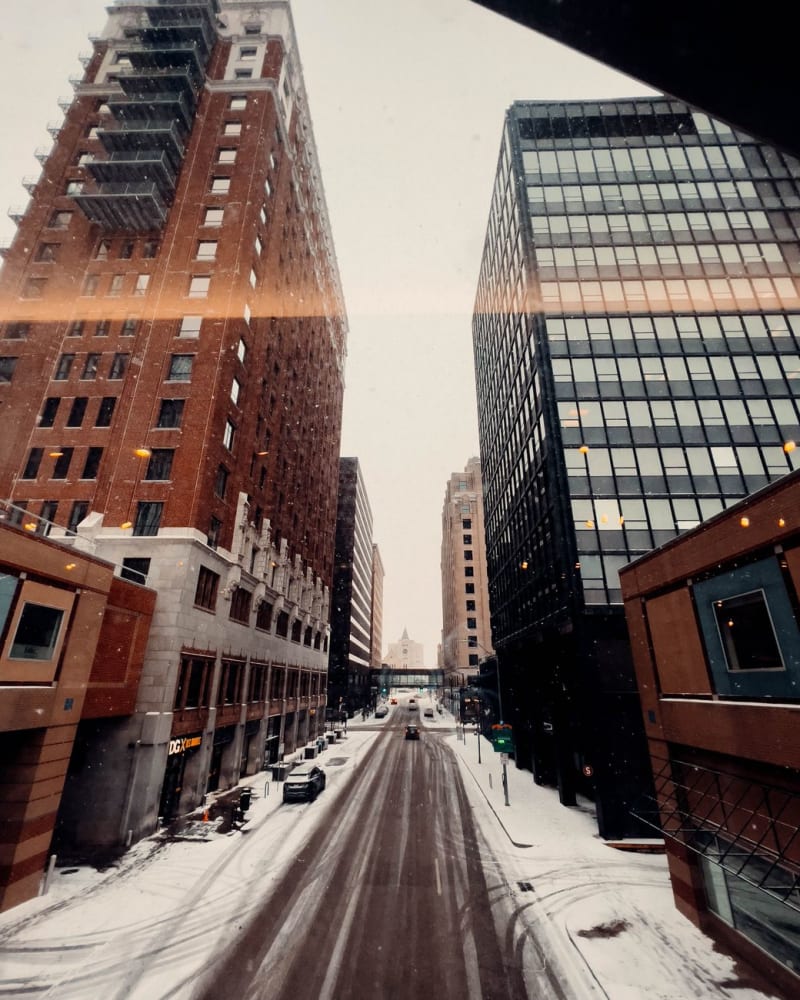
Iowa City
A UNESCO City of Literature built around the University of Iowa and its famed Writers' Workshop, where independent bookstores outnumber chain stores downtown. Lia and I spent a whole afternoon browsing the Ped Mall's shelves before realizing we hadn't spoken a word to each other in an hour.
Explore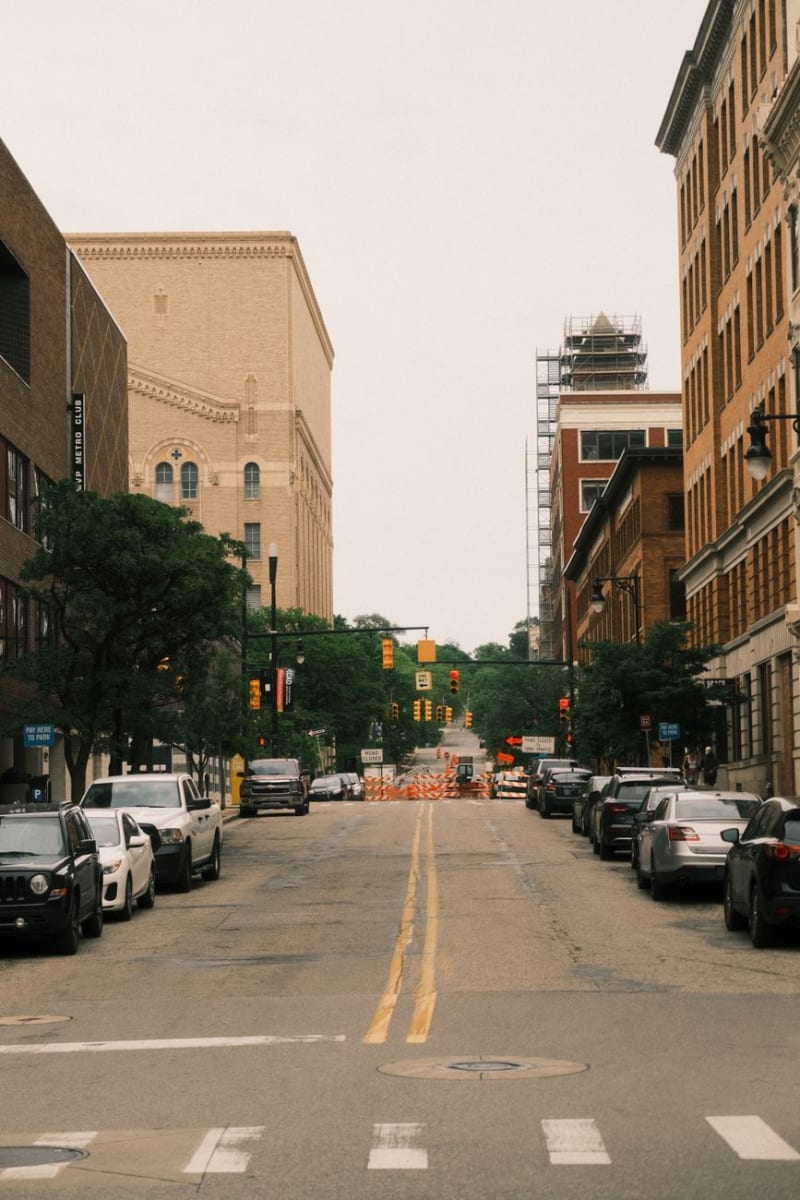 united-states
Cedar Rapids
Iowa's second city sits astride the Cedar River, its skyline anchored by a Czech quarter of painted storefronts and a limestone cathedral that would not look out of place in Prague. Lia and I came for the murals and stayed for the kolaches, surprised by how much old-world texture hides inside a Midwestern grain town.
Explore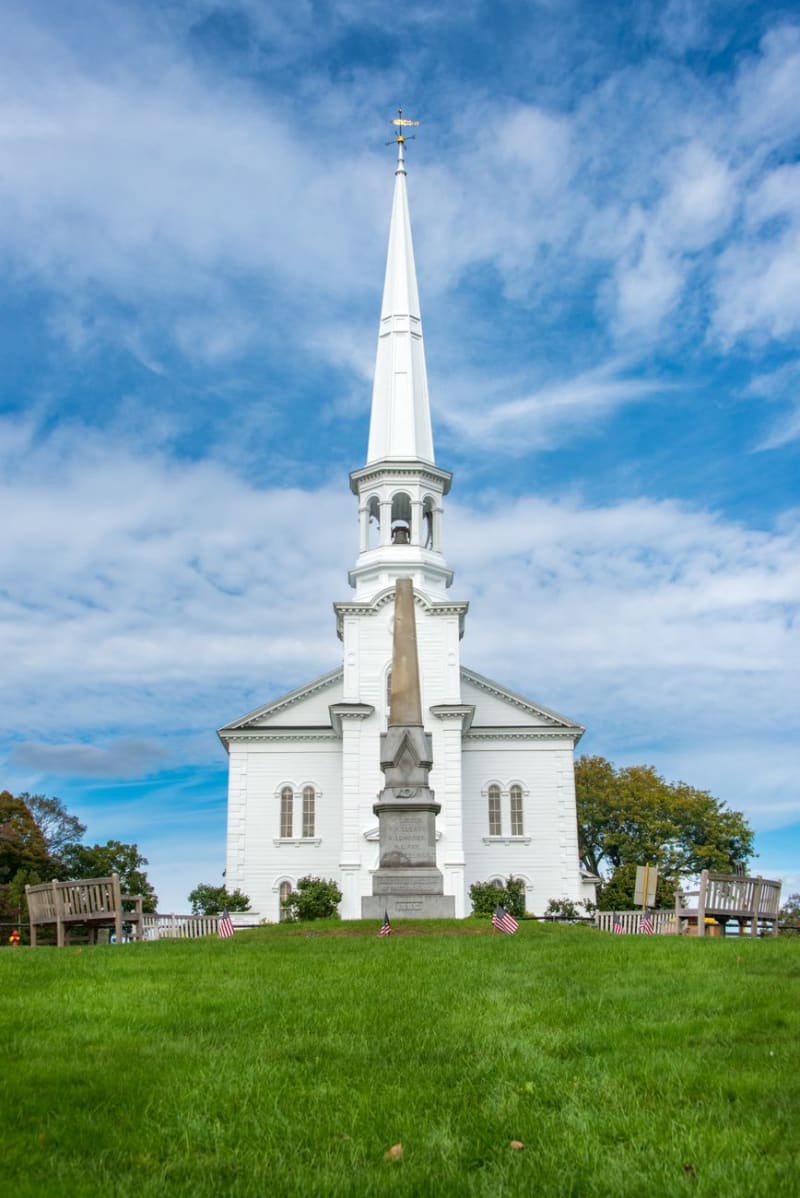 united-states
Amana Colonies
Seven villages of brick and clapboard scattered across the Iowa River valley, founded by German communal pietists who lived and worked collectively for nearly a century. Lia and I came for smoked meat and woolen mills and left having eaten more sauerkraut and rhubarb pie than we could reasonably justify.
Explore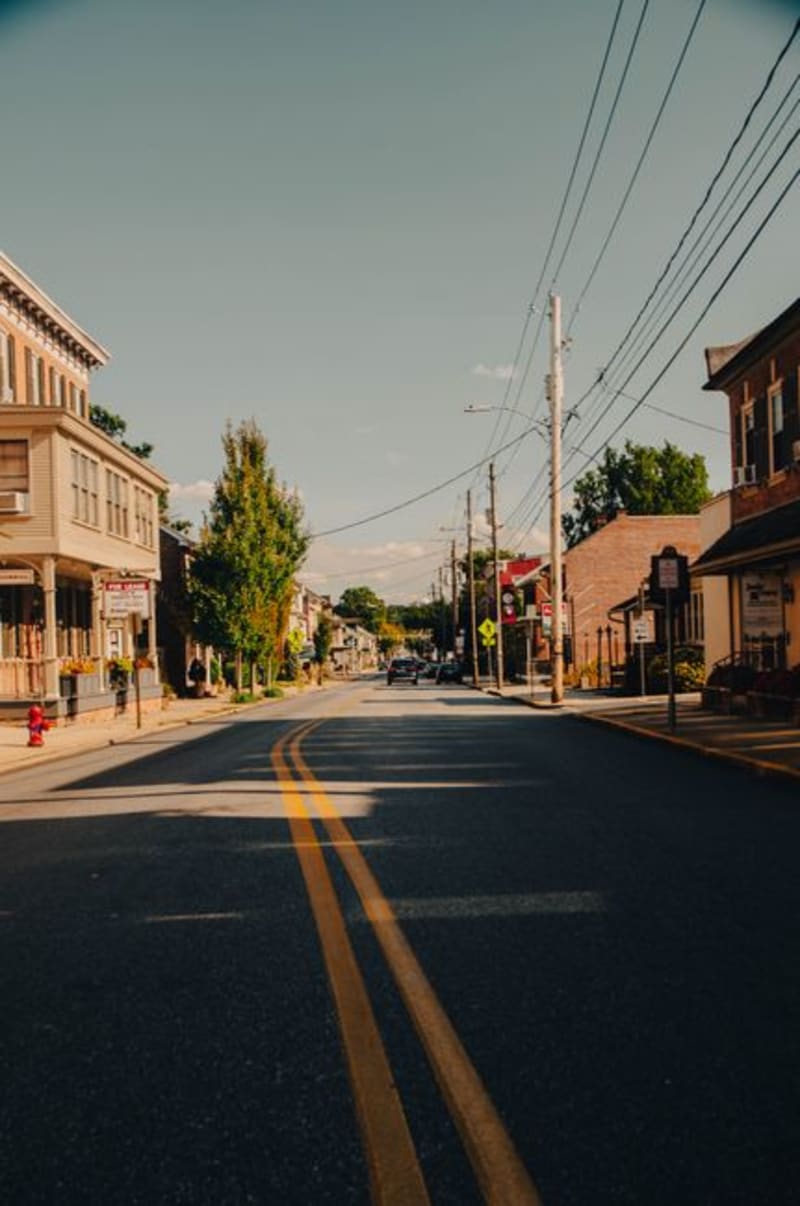 united-states
Le Claire
A Mississippi riverfront town that raised Buffalo Bill Cody and now draws pilgrims to a cluttered antique garage made famous by a television show. Lia dragged me through every aisle of Antique Archaeology twice.
Explore united-states
Dubuque
A river town stacked up limestone bluffs above the Mississippi, riding the world's steepest, shortest scenic railway between its lower streets and its bluff-top houses. Lia and I rode the funicular twice just to feel the city tilt beneath us, then walked the old Main District until our legs forgave us.
Explore united-states
Guttenberg
A German-settled river town of limestone storefronts facing the Mississippi, where a working fish hatchery still stocks the pools its founders dug by hand. Lia and I ate riverside schnitzel and felt briefly, improbably, back in Europe.
Explore