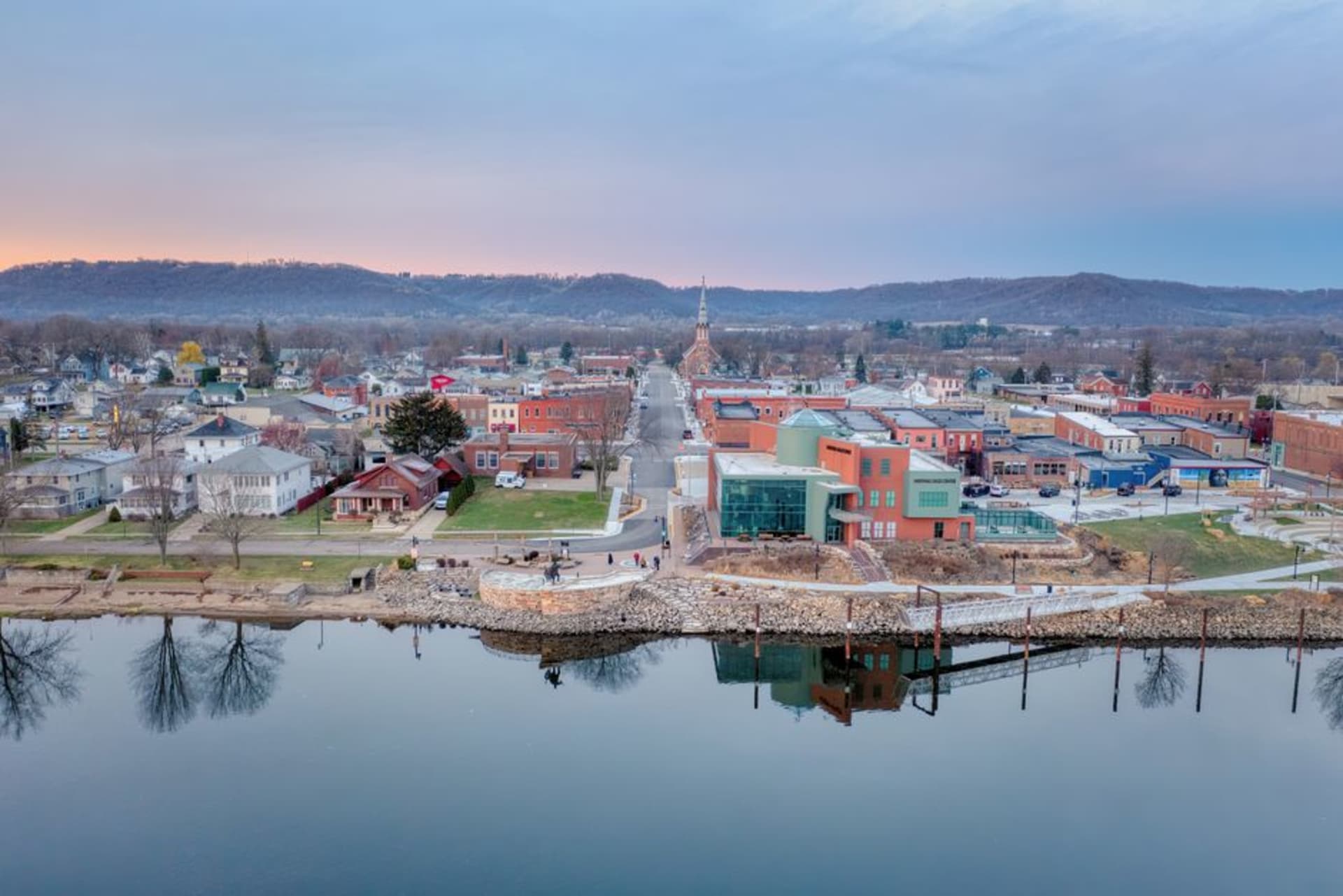
Le Claire
"Le Claire sits right where the Mississippi narrows into rapids, and the whole town leans toward the water."
A Mississippi riverfront town that raised Buffalo Bill Cody and now draws pilgrims to a cluttered antique garage made famous by a television show. Lia dragged me through every aisle of Antique Archaeology twice.

Le Claire hugs a stretch of the Mississippi where the river used to run fast and shallow over limestone shelves — the Rock Island Rapids, long since drowned by a downstream lock and dam — and that riverboat-piloting history produced one of the town’s more unlikely native sons: William “Buffalo Bill” Cody, born here in 1846 before his family moved on to Kansas. The small museum near the riverfront tracing his path from local farm boy to Wild West showman was more engaging than either of us expected, full of original posters from his touring show that once played to crowds across Europe.
Antique Archaeology
Le Claire’s bigger modern draw, though, is Antique Archaeology, the original picking shop made famous by the television show American Pickers, housed in a converted garage a block off Main Street. Lia had watched the show for years and treated the visit with something close to reverence, working through crates of rusted signs, old bicycles, and vintage advertising with real focus while I people-watched the steady stream of fellow fans posing for photos out front. It’s touristy, sure, but the shop’s roots as a genuine picking operation still show through in the inventory.

The riverfront and Lock and Dam 14
We spent the evening walking the Mississippi River bike trail that runs right along the water, watching boats work through Lock and Dam 14 just downstream, its viewing platform giving us a clear look at the chamber filling and draining. Main Street itself runs one block back from the river, a tidy line of restored brick buildings holding wine bars and ice cream shops that fill up fast on summer weekends with visitors up from the Quad Cities. We ended up at a riverside patio with a glass of local wine, watching the sun drop behind Illinois on the far bank.

Getting There
The Quad Cities International Airport (MLI), just across the river in Moline, Illinois, is the closest airport, about twenty-five minutes away by car. From Chicago, it’s roughly a three-hour drive west on I-88 and I-80. A car is the easiest way to reach Le Claire, though once you’ve arrived, the riverfront, Main Street, and Antique Archaeology are all within easy walking distance of each other.
Keep exploring
More of Iowa
Keep exploring
More from Iowa
 united-states
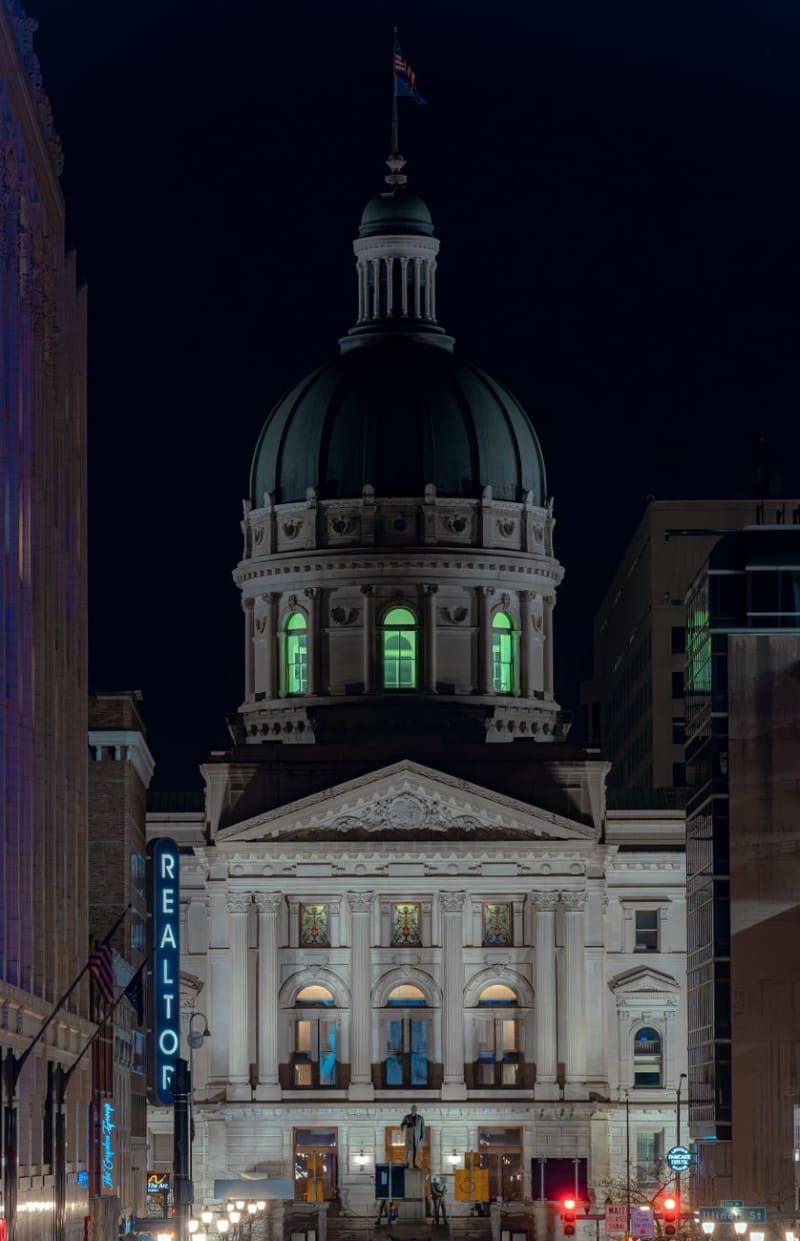
Dubuque
A river town stacked up limestone bluffs above the Mississippi, riding the world's steepest, shortest scenic railway between its lower streets and its bluff-top houses. Lia and I rode the funicular twice just to feel the city tilt beneath us, then walked the old Main District until our legs forgave us.
Explore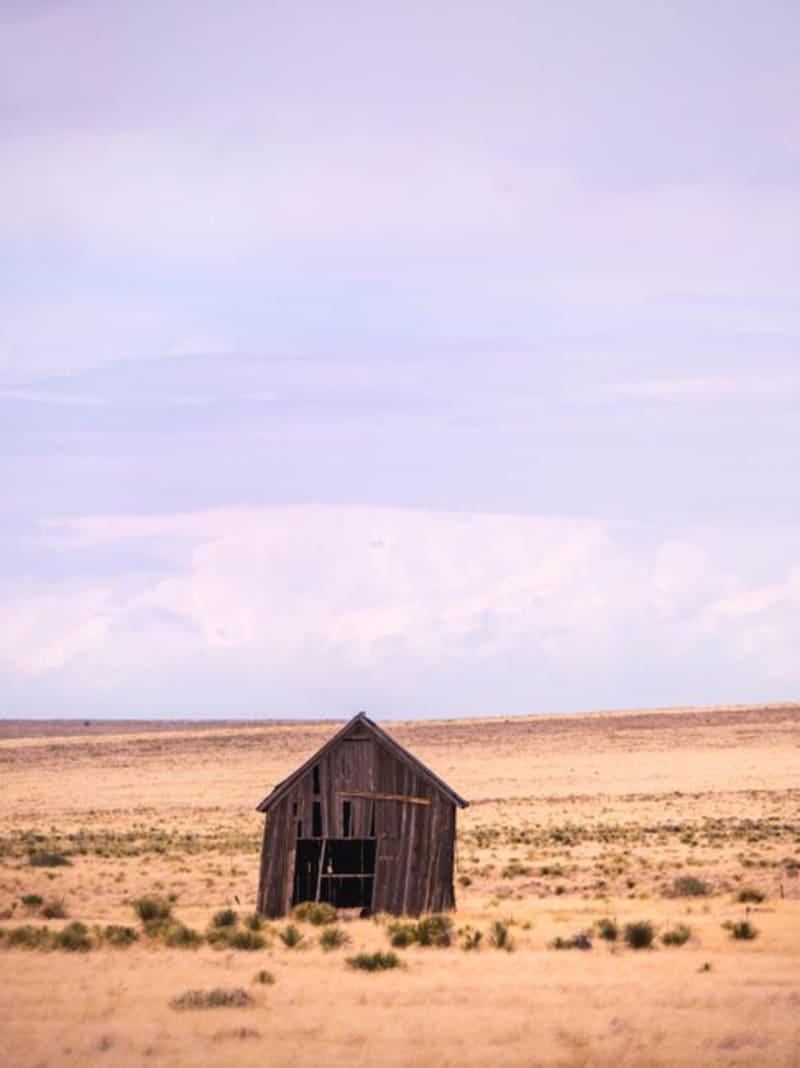 united-states
West Branch
A small Quaker farm town that produced a president, preserved as a national historic site down to the two-room cottage he was born in. Lia and I left with more sympathy for Herbert Hoover than either of us expected to feel.
Explore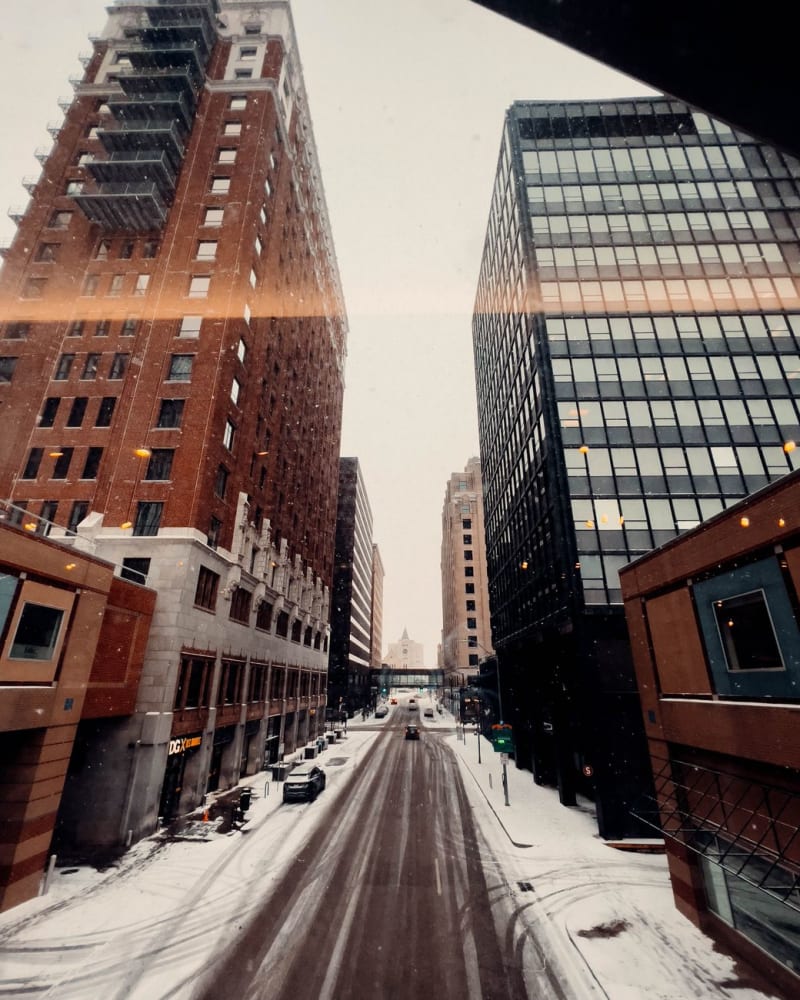 united-states
Iowa City
A UNESCO City of Literature built around the University of Iowa and its famed Writers' Workshop, where independent bookstores outnumber chain stores downtown. Lia and I spent a whole afternoon browsing the Ped Mall's shelves before realizing we hadn't spoken a word to each other in an hour.
Explore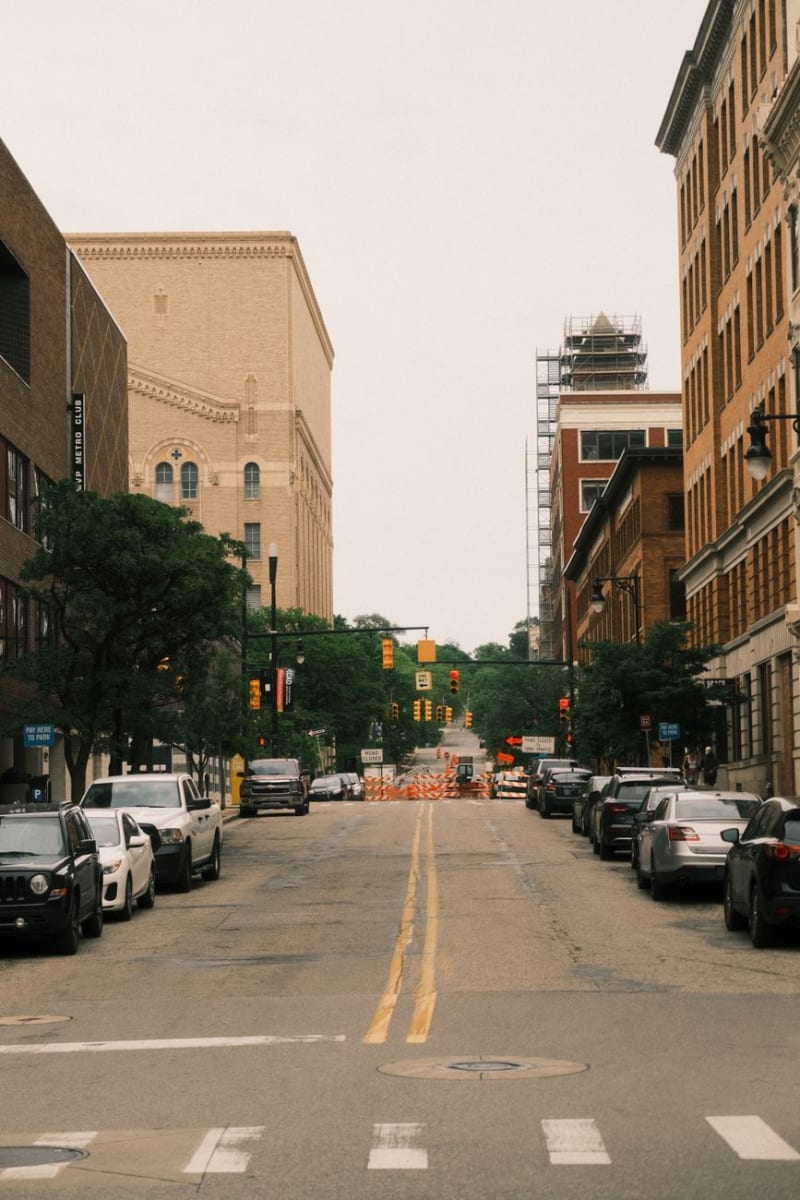 united-states
Cedar Rapids
Iowa's second city sits astride the Cedar River, its skyline anchored by a Czech quarter of painted storefronts and a limestone cathedral that would not look out of place in Prague. Lia and I came for the murals and stayed for the kolaches, surprised by how much old-world texture hides inside a Midwestern grain town.
Explore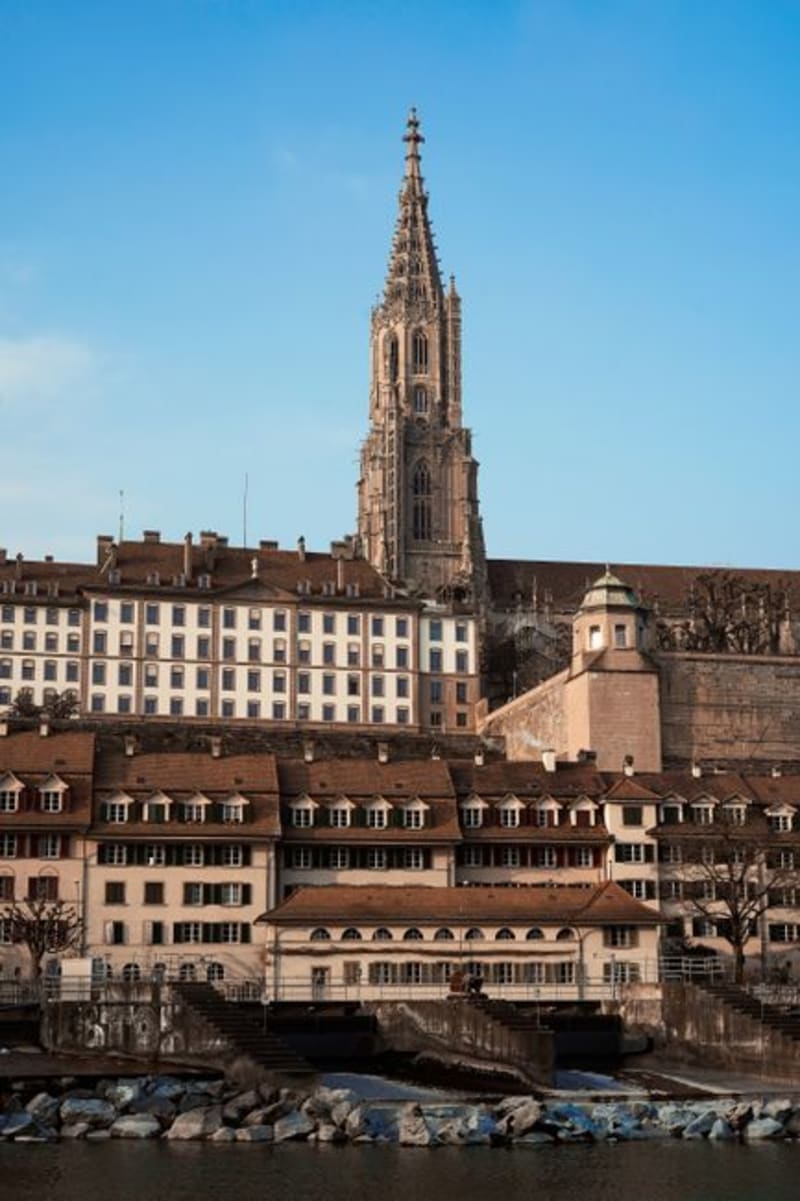 united-states
Guttenberg
A German-settled river town of limestone storefronts facing the Mississippi, where a working fish hatchery still stocks the pools its founders dug by hand. Lia and I ate riverside schnitzel and felt briefly, improbably, back in Europe.
Explore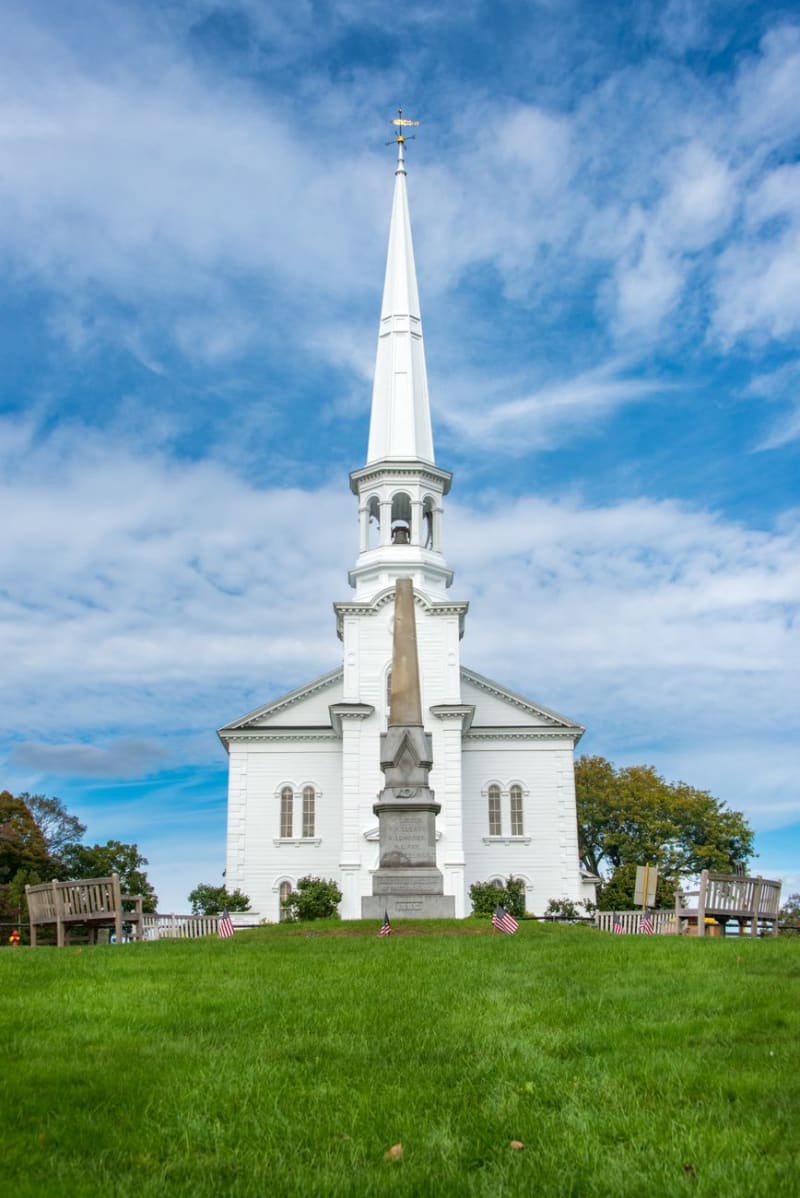 united-states
Amana Colonies
Seven villages of brick and clapboard scattered across the Iowa River valley, founded by German communal pietists who lived and worked collectively for nearly a century. Lia and I came for smoked meat and woolen mills and left having eaten more sauerkraut and rhubarb pie than we could reasonably justify.
Explore