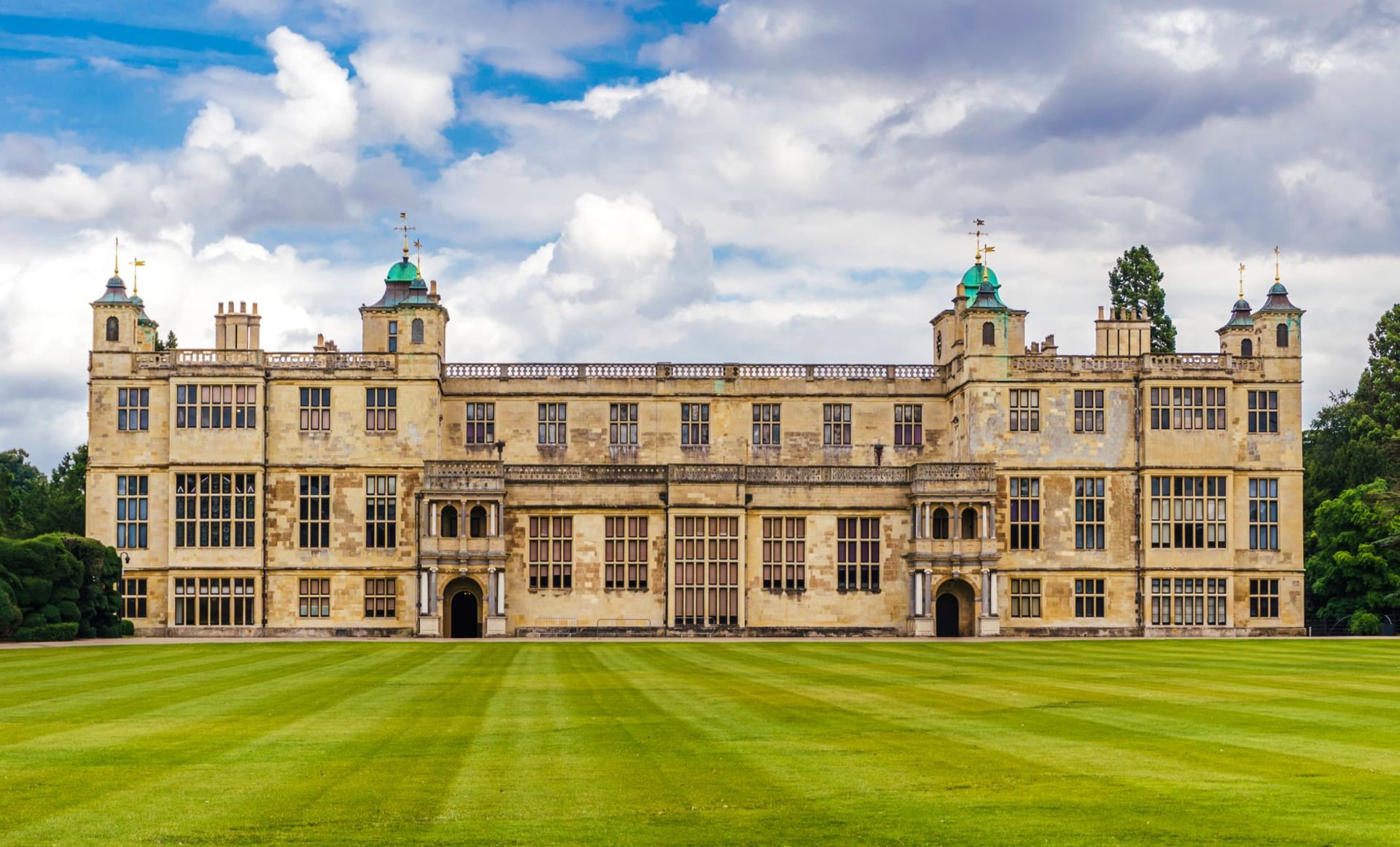
Essex
"Essex is what New England looks like when it has been polished, gently, for three hundred years."
A pristine colonial river town on the lower Connecticut River, all white clapboard, tall elms, and a working steam train that still hisses through the marshes. Lia and I spent an afternoon on the docks watching sailboats slip past, and it felt like stepping into a nineteenth-century postcard.

We walked into Essex from the parking lot on Main Street and Lia stopped almost immediately, phone half-raised, at the sight of a white Federal-style house with black shutters and a widow’s walk facing the river. It turned out to be one of dozens — Essex has one of the best-preserved concentrations of colonial and Federal architecture in New England, a legacy of the shipbuilding wealth that once flowed through this bend of the Connecticut River. Main Street runs gently downhill toward the water, lined with elms and gift shops and the kind of general store that still sells penny candy from glass jars, ending at a marina where sailboats bob against a backdrop of tidal marsh.
The waterfront and the Connecticut River
At the foot of Main Street, the Connecticut River Museum sits on a dock built where, in 1776, American colonists launched the Turtle — the world’s first submarine used in combat — against a British warship in the harbor. We wandered the small exhibit and then out onto the museum’s own dock, where the river widened lazily toward Long Island Sound and ospreys worked the shallows. Essex has been a boatbuilding town since the 1700s, and that heritage is still visible in the yacht yards and sail lofts lining the shore; we watched a wooden Herreshoff sloop glide past, its varnished hull catching the afternoon light, looking like it had sailed straight out of another century.

The Essex Steam Train and river marshes
The next morning we boarded the Essex Steam Train, a vintage 1920s locomotive that still runs on the old Valley Railroad line, hauling wooden coaches north through tidal marshland thick with egrets and red-winged blackbirds. The engine hissed and clattered exactly as it must have a century ago, cinders drifting past the open windows, and we connected at Deep River Landing with a riverboat cruise up to the Gillette Castle bluffs before looping back. It was unabashedly touristy and we loved every minute of it — Lia said it was the first time a train ride had made her nostalgic for an era she’d never lived in.

Getting There
Essex sits roughly halfway between New York City and Boston, about a two-and-a-half-hour drive from either via I-95 and Route 9. Amtrak’s shoreline service stops in nearby Old Saybrook, ten minutes away by car or taxi, and Bradley International Airport near Hartford is the closest major airport, about fifty minutes north. The village center itself is compact and best explored on foot, with the steam train depot in neighboring Essex station and the harbor just a short stroll from Main Street.
Keep exploring
More of Connecticut
Keep exploring
More from Connecticut
 united-states
Litchfield
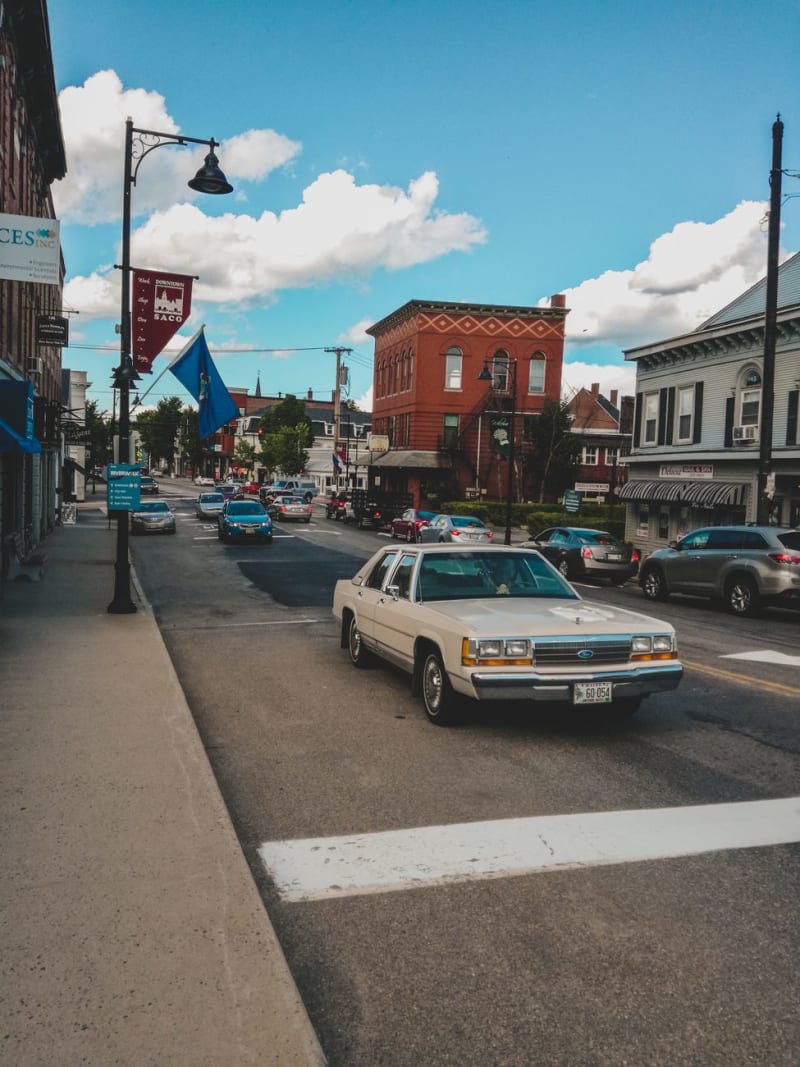
A pristine colonial village at the heart of the Litchfield Hills, its green ringed by white clapboard houses that have barely changed since the 1700s. Lia and I wandered the historic district at dusk with fireflies rising off the lawns, half convinced we'd stepped through a crack in time.
Explore united-states
Hartford
Connecticut's compact capital, where a gold-domed statehouse presides over a city that once made Mark Twain and insurance money in equal measure. Lia and I expected a forgettable government town and instead found a river city rich with literary history and unexpectedly good museums.
Explore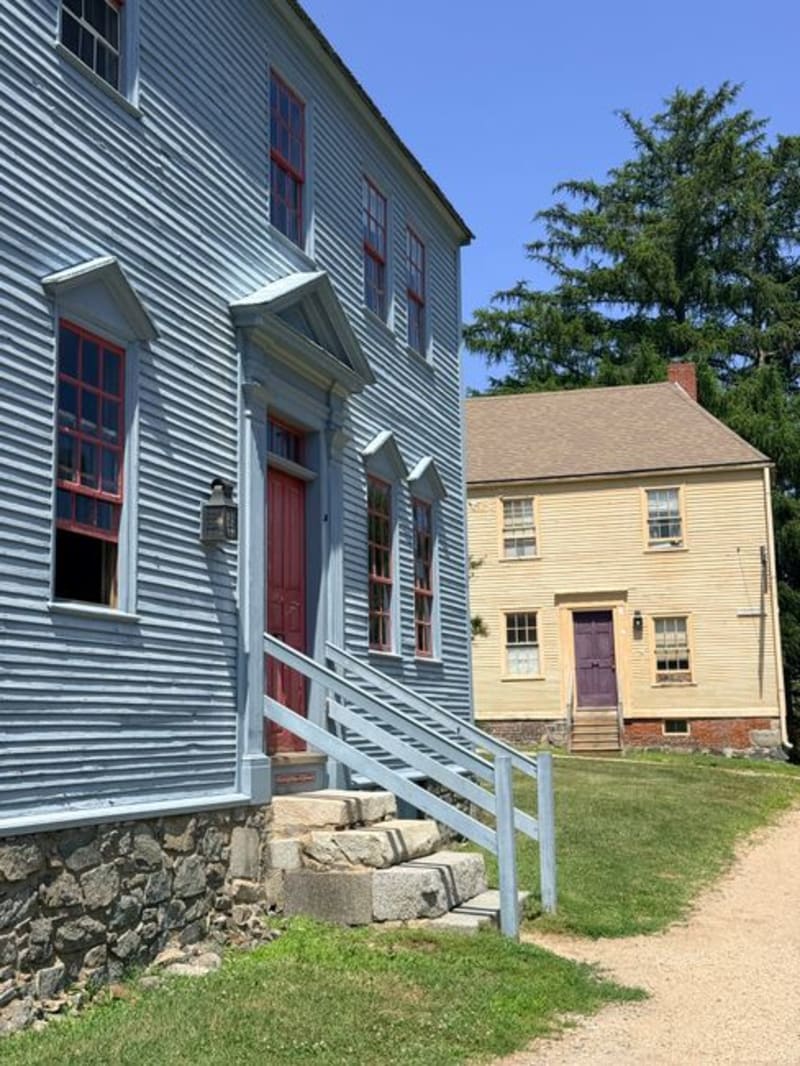 united-states
Wethersfield
One of Connecticut's oldest towns, where Washington and Rochambeau plotted the endgame of the Revolution in a merchant's front parlor. Lia and I wandered Old Wethersfield's cove and onion fields until the historic houses started to feel like neighbors rather than exhibits.
Explore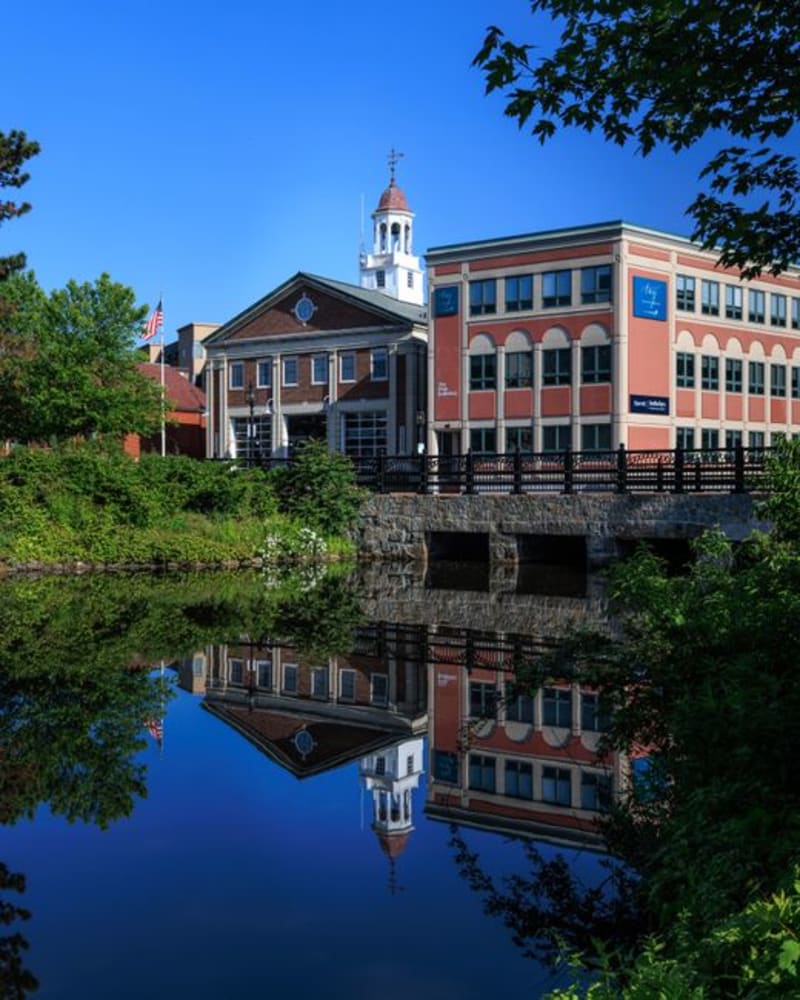 united-states
Ridgefield
A Fairfield County town where a Revolutionary War cannonball is still lodged in a tavern's clapboard wall and a contemporary art museum sits two blocks from the village green. Lia found it more interesting than either of us expected from a place this close to Manhattan.
Explore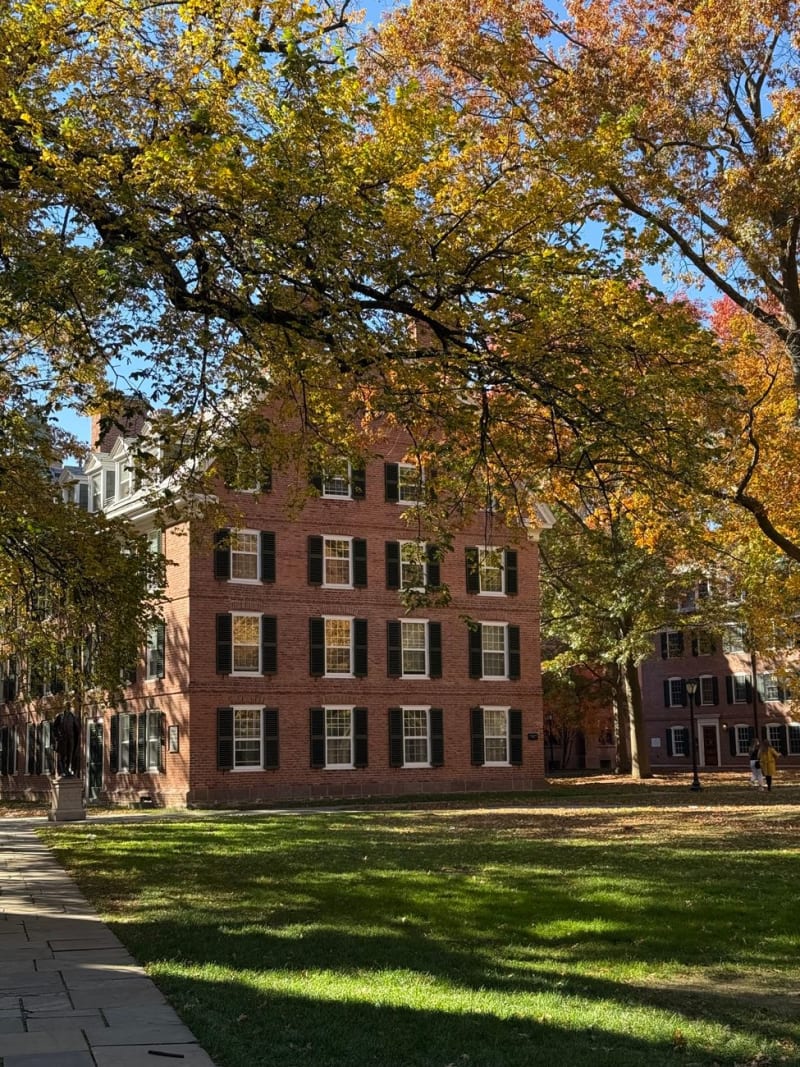 united-states
New Haven
A Gothic university city on Long Island Sound, where Yale's stone quadrangles give way to some of the best coal-fired pizza in America. Lia and I came for a campus tour and stayed for apizza, discovering a scrappy, intellectual port city with more edges than its ivy reputation suggests.
Explore united-states
Norwalk
A Long Island Sound port city where a rebuilt oystering fleet still works the harbor beside a glittering aquarium and a converted mill district full of murals. Lia and I ate raw oysters two blocks from the boat that caught them, and understood why locals call this the oyster capital of the Northeast.
Explore