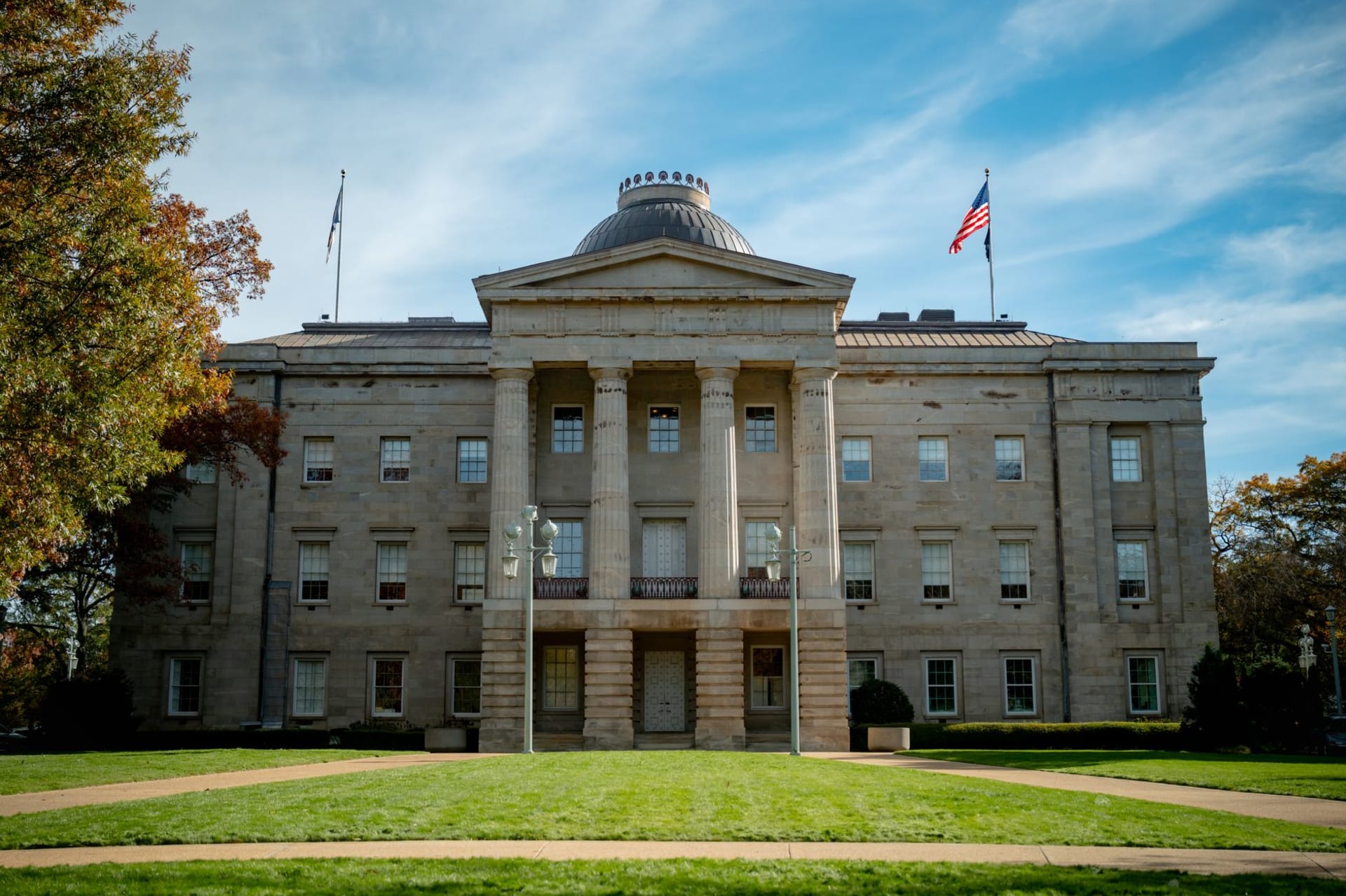
Litchfield
"Litchfield feels less like a town preserved than a town that simply never agreed to change."
A pristine colonial village at the heart of the Litchfield Hills, its green ringed by white clapboard houses that have barely changed since the 1700s. Lia and I wandered the historic district at dusk with fireflies rising off the lawns, half convinced we'd stepped through a crack in time.

Litchfield sits at the center of the rolling, forested hill country of northwest Connecticut, and its green is one of the most intact colonial townscapes left in New England — white clapboard mansions with black shutters and fanlight doorways lined up along streets that were laid out in 1721 and have barely been altered since. Lia and I parked near the green and simply walked, past the meetinghouse-style First Congregational Church with its tall white steeple, past the birthplace of Harriet Beecher Stowe, and past law offices dating to the town’s era as home to one of the country’s first law schools, where Aaron Burr once studied. It felt less like visiting a historic site than wandering into a still-functioning 18th-century neighborhood.
The historic district on foot
We spent a slow morning tracing the walking tour of North and South Streets, where nearly every house carries a small plaque noting its construction date and original owner — most from the late 1700s, remarkably preserved thanks to the town’s early prosperity as a hub on the road between Hartford and the Hudson Valley. A local shopkeeper told us Litchfield’s fortune, and its preservation, both trace back to the same cause: the roads that made it rich eventually bypassed it, freezing the town in amber while its neighbors modernized. We ended up in a small bakery on the green eating scones that tasted like they belonged in exactly this century, not the eighteenth.
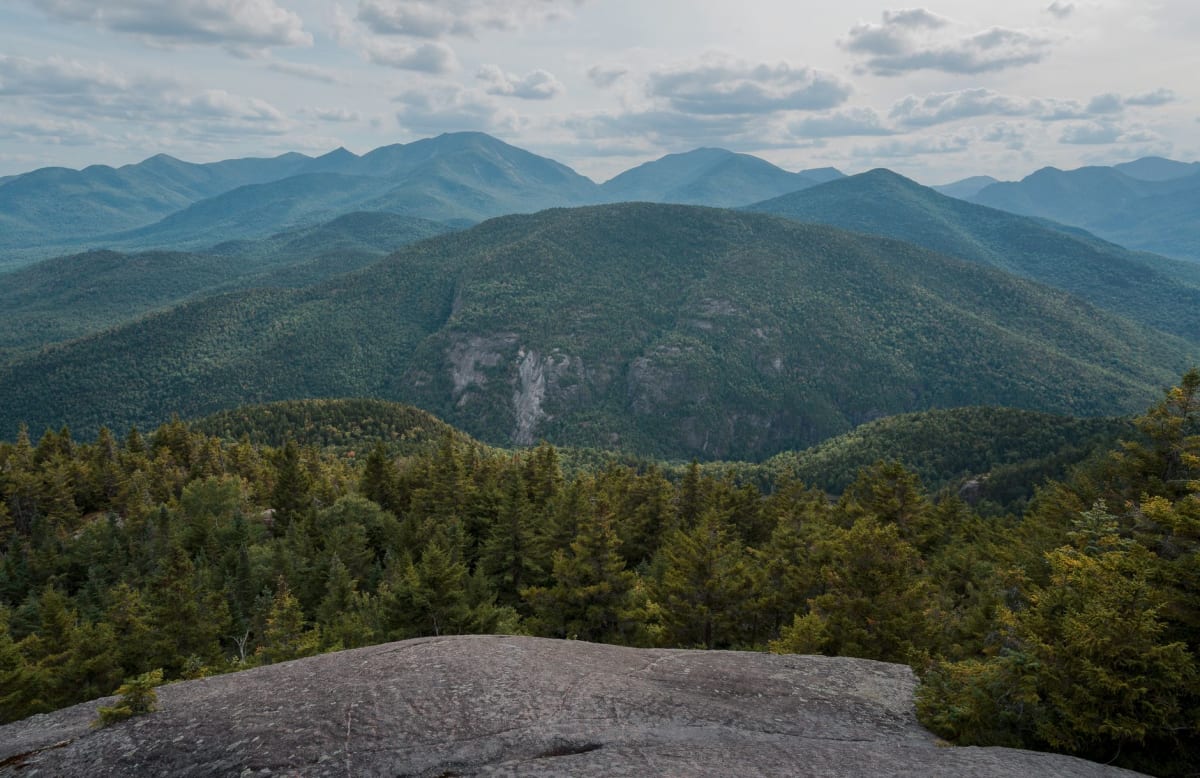
White Memorial and Bantam Lake
In the afternoon we drove a few minutes south to the White Memorial Conservation Center, Connecticut’s largest private nature preserve, and hiked a boardwalk trail through marshland thick with red-winged blackbirds and turtles sunning on logs. Nearby, Bantam Lake — Connecticut’s largest natural lake — gave us a place to cool off, its shoreline lined with modest summer cottages rather than the mansions you might expect this close to New York. We watched the sun go down from a dock at the lake’s edge, the Litchfield Hills silhouetted behind us in deepening shades of blue.
Getting There
Litchfield has no train service, so a car is essential; it sits about two hours northwest of New York City and ninety minutes west of Hartford, both reachable via a scenic drive through the Litchfield Hills on Route 202 or Route 4. Bradley International Airport near Hartford is the most convenient for flights, with a straightforward hour-and-a-half drive west. Once in town, the compact historic district around the green is entirely walkable, though a car remains necessary for reaching Bantam Lake, White Memorial, and the surrounding hill towns.
Keep exploring
More of Connecticut
Keep exploring
More from Connecticut
 united-states
Hartford
Connecticut's compact capital, where a gold-domed statehouse presides over a city that once made Mark Twain and insurance money in equal measure. Lia and I expected a forgettable government town and instead found a river city rich with literary history and unexpectedly good museums.
Explore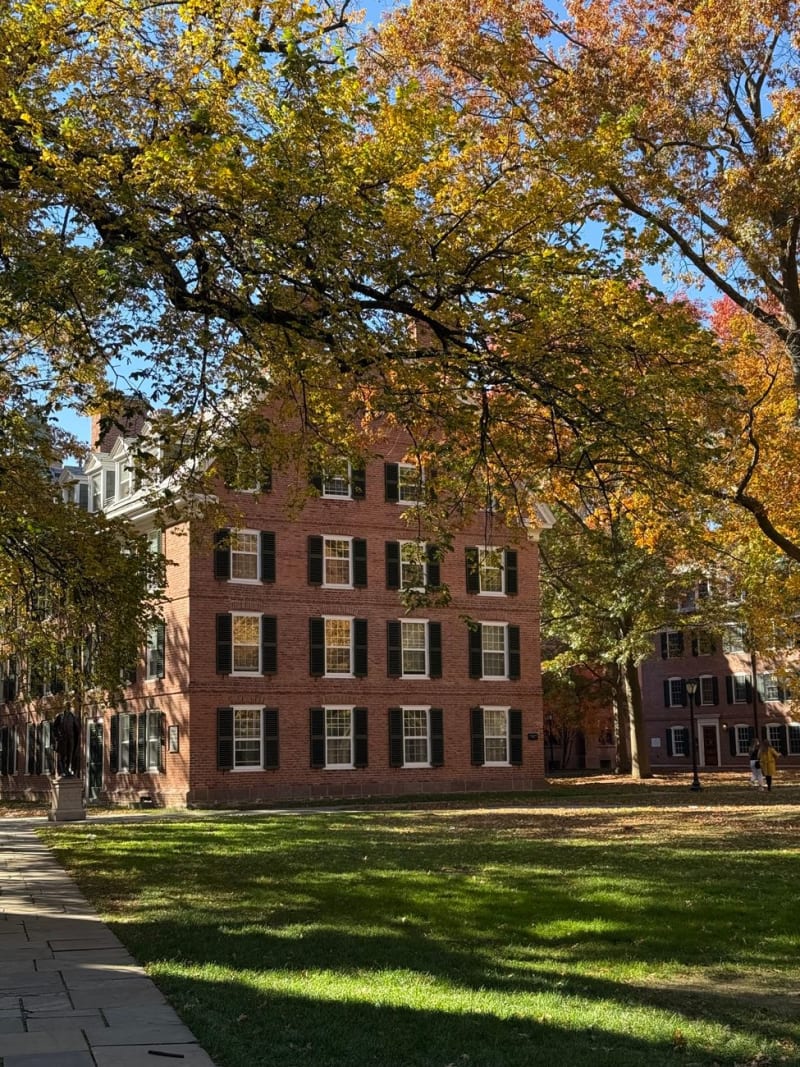 united-states
New Haven
A Gothic university city on Long Island Sound, where Yale's stone quadrangles give way to some of the best coal-fired pizza in America. Lia and I came for a campus tour and stayed for apizza, discovering a scrappy, intellectual port city with more edges than its ivy reputation suggests.
Explore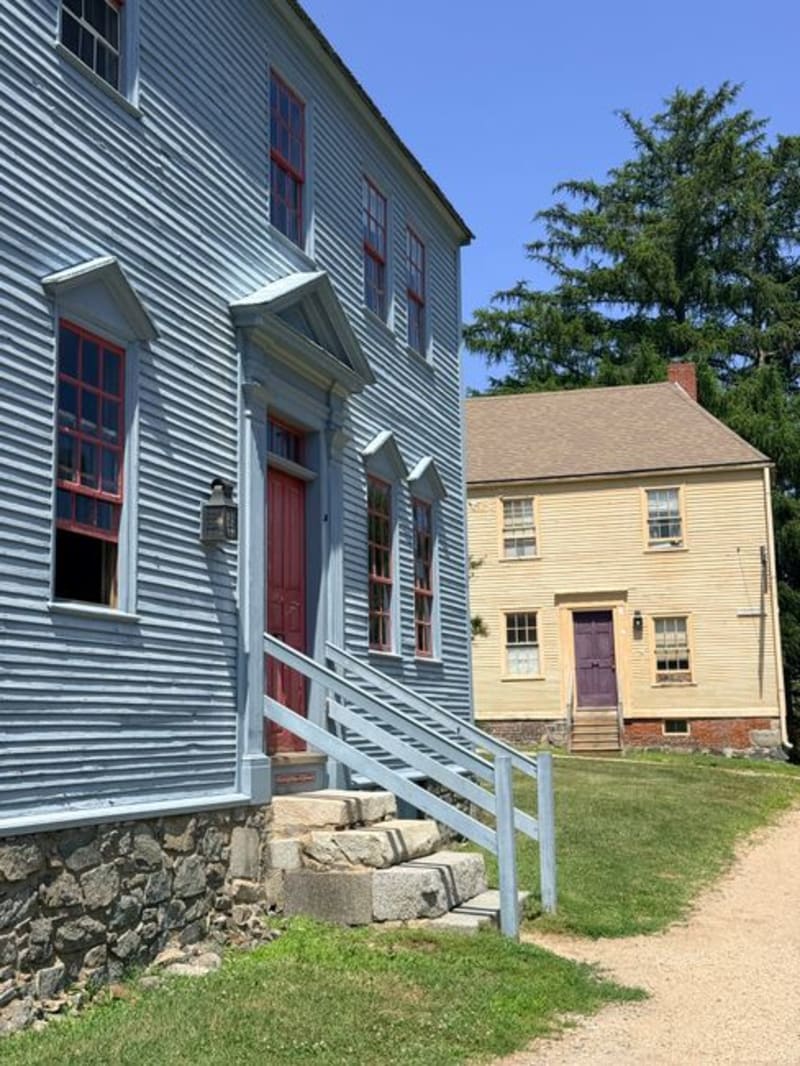 united-states
Wethersfield
One of Connecticut's oldest towns, where Washington and Rochambeau plotted the endgame of the Revolution in a merchant's front parlor. Lia and I wandered Old Wethersfield's cove and onion fields until the historic houses started to feel like neighbors rather than exhibits.
Explore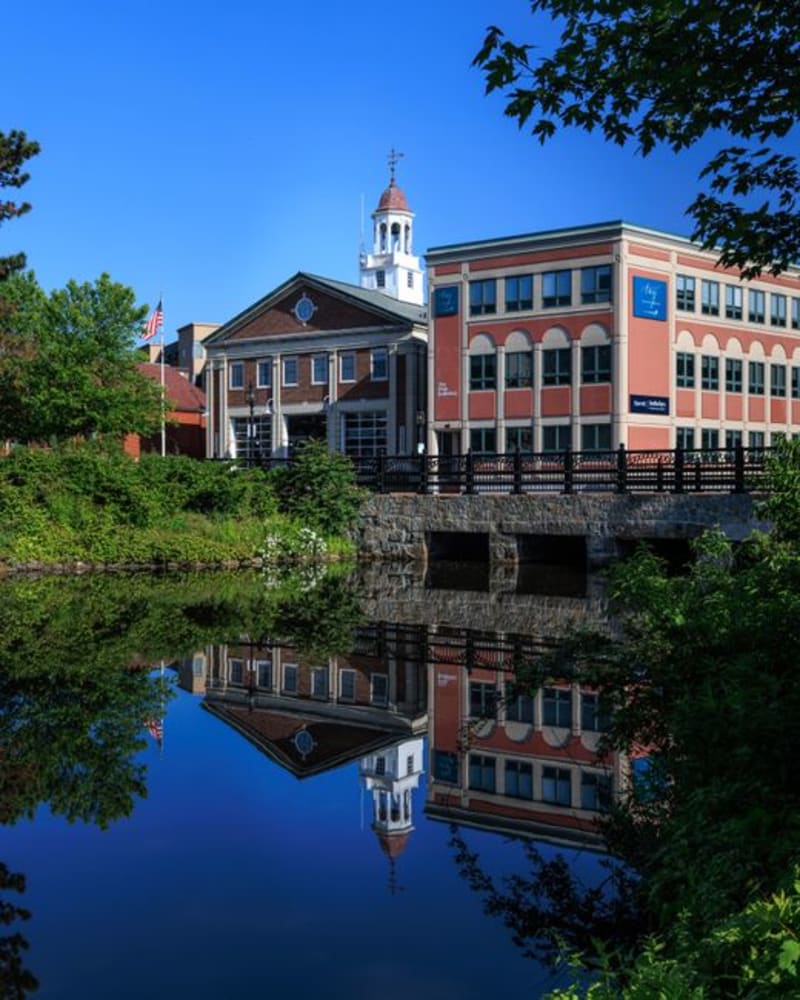 united-states
Ridgefield
A Fairfield County town where a Revolutionary War cannonball is still lodged in a tavern's clapboard wall and a contemporary art museum sits two blocks from the village green. Lia found it more interesting than either of us expected from a place this close to Manhattan.
Explore united-states
Norwalk
A Long Island Sound port city where a rebuilt oystering fleet still works the harbor beside a glittering aquarium and a converted mill district full of murals. Lia and I ate raw oysters two blocks from the boat that caught them, and understood why locals call this the oyster capital of the Northeast.
Explore united-states
Stamford
A glass-towered Fairfield County city on Long Island Sound that trades small-town New England charm for corporate ambition and a genuinely diverse food scene. Lia and I came expecting a quiet commuter suburb and left arguing about which of three different countries' cuisines we'd eaten in a single afternoon.
Explore