Citta di Castello
"I came for a Roman name on a map and stayed for a town that still argues with itself about the twentieth century."
A Renaissance grid of quiet streets in the Upper Tiber Valley, where Raphael's early brushwork meets Burri's raw, industrial modernism.
We almost skipped Citta di Castello. Lia had circled it on the map because a friend in Perugia kept saying “you have to see the Burri,” and I’ll admit I went along more out of curiosity than conviction. Then we walked in through the old gate and I understood why the guidebooks undersell it: this is a town built on the bones of the Roman Tifernum Tiberinum, but what you actually feel walking its grid of streets is the Renaissance — orderly, deliberate, fortified with the kind of confidence that only comes from having Antonio da Sangallo the Elder consult on your walls. There’s nothing accidental about the way the town sits in the Upper Tiber Valley. It was planned, and six centuries later it still reads that way.
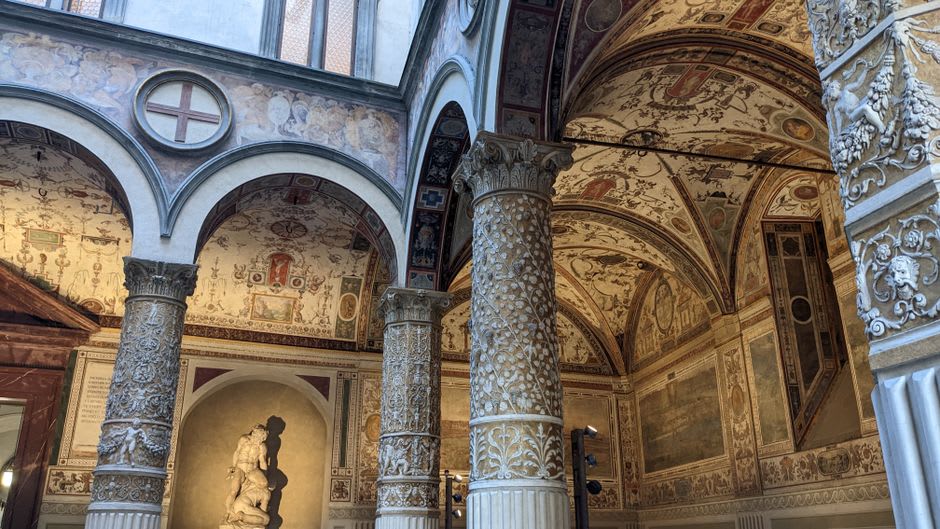
We spent our first morning at the Pinacoteca Comunale, tucked inside the Palazzo Vitelli alla Cannoniera, and I stood in front of an early painted standard by Raphael — a native son here — for far longer than Lia’s patience technically allowed. There’s something disarming about seeing a young artist’s hand before it became “Raphael” in the art-history sense, still working things out, still local. Signorelli and Ghirlandaio hang nearby, and the palazzo itself, all frescoed ceilings and cool stone corridors, was worth the visit even without the paintings.
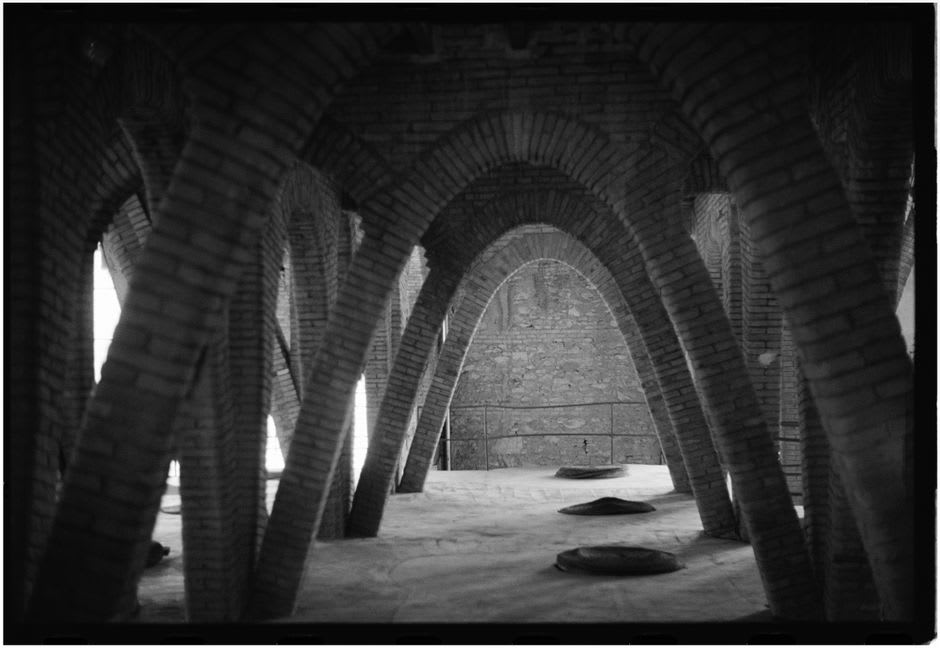
But it was the Fondazione Burri that stayed with me longest. We went to Palazzo Albizzini first, then crossed town to the Seccatoi del Tabacco — the old tobacco-drying sheds, this cavernous industrial space now filled with Alberto Burri’s enormous, cracked, burned, and torn canvases. Burri was born in this town in 1915, and seeing his work installed in a building that once dried tobacco leaves felt exactly right: raw material transformed by heat and time, in a space that used to do precisely that for a living. Lia, who usually finds contemporary art a hard sell, went quiet in there in a way I don’t often see.
In the evening we found a table outside near the old fortifications, ordered a bottle of something local, and talked about how strange it is that a single small town can hold a Roman street plan, a Renaissance defensive wall, an early Raphael, and a modernist who scorched canvas for a living — all within a ten-minute walk. When to go: we’d happily return in late December for the Umbria Jazz Winter festival, when the town apparently hums after dark, but for wandering the streets and museums at an unhurried pace, spring or early autumn is the gentler, sun-warmed choice.
Keep exploring
More from Umbria
 umbria
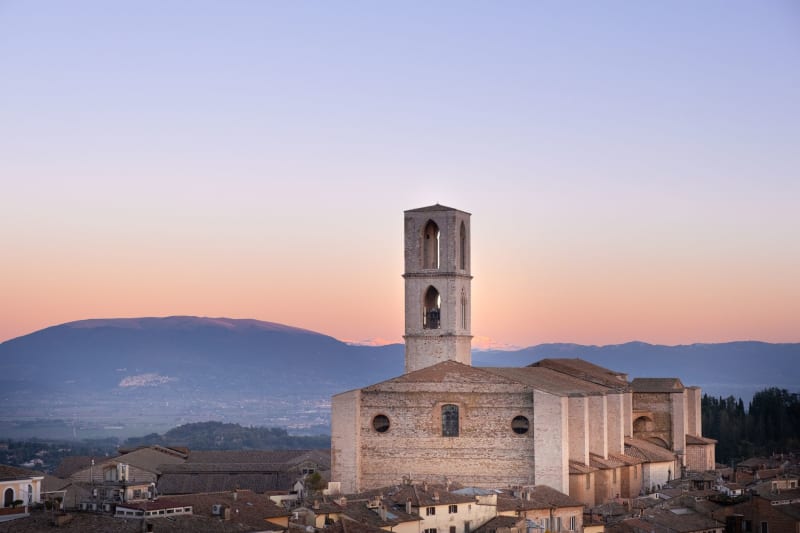
 Gubbio
One of Italy's most intact medieval cities, climbing a steep Apennine slope with such architectural conviction you half expect the 14th century to answer back.
Explore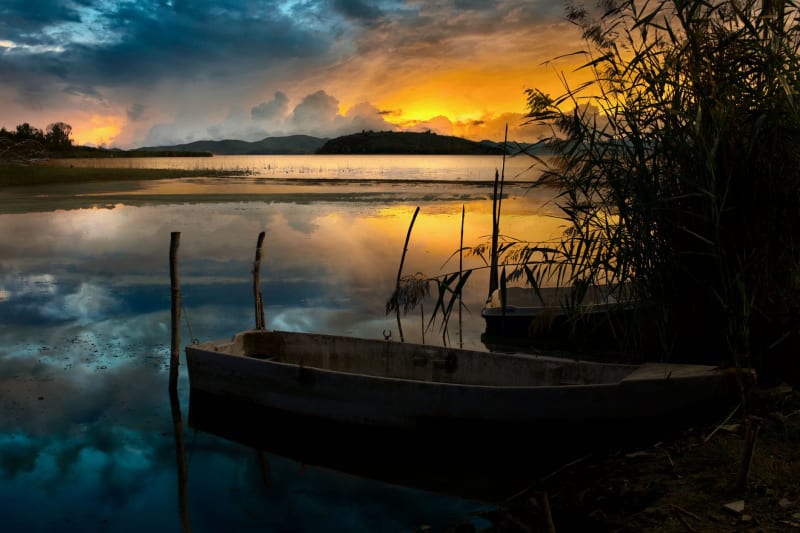 umbria
 Lago Trasimeno
Central Italy's largest lake, shallow and silver-green, ringed by olive groves and medieval fishing villages that still cast nets in the morning.
Explore umbria
 Montefalco
A hilltop town Umbrians call the balcony of the region, ringed by Sagrantino vineyards and crowned by a frescoed church that stops you cold.
Explore umbria
 Norcia
A mountain town that earthquake and altitude have conspired to preserve, famous across Italy for black truffles and pork cured with a precision that borders on philosophy.
Explore umbria
 Orvieto
A city balanced on a sheer volcanic plug above the Tiber valley, its striped cathedral so ornate it looks like a fever dream someone forgot to wake up from.
Explore umbria
 Perugia
A medieval hilltop capital where Etruscan walls prop up Renaissance palaces and students outnumber tourists three to one.
Explore