
A city balanced on a sheer volcanic plug above the Tiber valley, its striped cathedral so ornate it looks like a fever dream someone forgot to wake up from.

You see Orvieto from the train. The cliff appears first — volcanic tufa, sheer and dark — and then the city on top of it, with the cathedral’s gold façade catching the light from a distance that makes scale impossible to judge. I had twenty minutes until my connection and I changed my ticket on the platform. Some places make the decision for you.
The City on the Rock
The funicular up from the station is the correct entry — it deposits you at the edge of a city that has been continuously inhabited for two and a half thousand years and looks comfortable with this fact. Orvieto was an Etruscan center before Rome got around to destroying it, which gives it that layered quality where the deeper you look, the older things get. The tufa beneath the city is riddled with tunnels — Etruscan cisterns, medieval wells, later wine cellars — that you can visit on guided tours. I went alone and spent an hour underground while the guides above me described the same darkness in Italian, then English, then German.
The Cathedral, Without Preparation
I’m suspicious of travel writing that oversells cathedrals. But Orvieto’s Duomo exists in a category where the usual rules break down. The façade is a 14th-century Gothic extravaganza of striped marble, bronze reliefs, and glittering mosaic panels that catches the late afternoon light and does something unreasonable with it. Inside, Fra Angelico and Luca Signorelli painted the San Brizio Chapel — Signorelli’s frescoes of the Apocalypse are violent, strange, and prophetically Michelangelo-like, executed decades before the Sistine. Lia stood in front of the resurrection panel for a long time without saying anything. That’s when I know something has worked.
Wine in the Caves
Orvieto Classico is the white wine of this cliff-city, and the volcanic soil gives it a mineral edge that pairs perfectly with the mild anxiety of standing somewhere this old. Several producers have cellars literally dug into the tufa — Cantina Foresi near the duomo lets you descend into their cave, taste through the lineup, and buy directly. The temperature drops immediately at the bottom of the stairs. The wine is cold and slightly chalky and exactly right for an afternoon that has already demanded too much of your attention.
Evening When Everyone Leaves
Orvieto is popular as a day trip from Rome — two hours by train, easy enough — which means the town has a tidal rhythm. By seven o’clock the piazza in front of the cathedral is mostly locals. I ate at a trattoria on a side street, the kind with handwritten menus and a television in the corner showing football with the sound off. The umbrichelli pasta — thick, hand-rolled, built for ragu — arrived in a bowl that was too hot to touch. Outside, the lights came on across the cathedral façade and the whole thing glowed softly into the empty piazza.
When to go: September and October for vendemmia season and harvested truffles in every menu. March and April before the day-trippers establish their rhythm. Avoid July and August — the heat on top of the tufa rock is formidable and the crowds arrive from Rome in force. The Corpus Domini procession in June is worth planning around.
Keep exploring
More from Umbria
 umbria
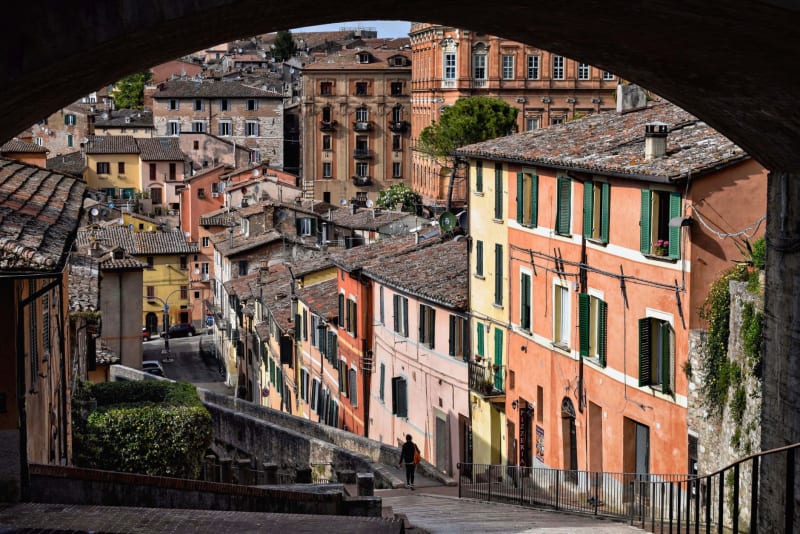
Perugia
A medieval hilltop capital where Etruscan walls prop up Renaissance palaces and students outnumber tourists three to one.
Explore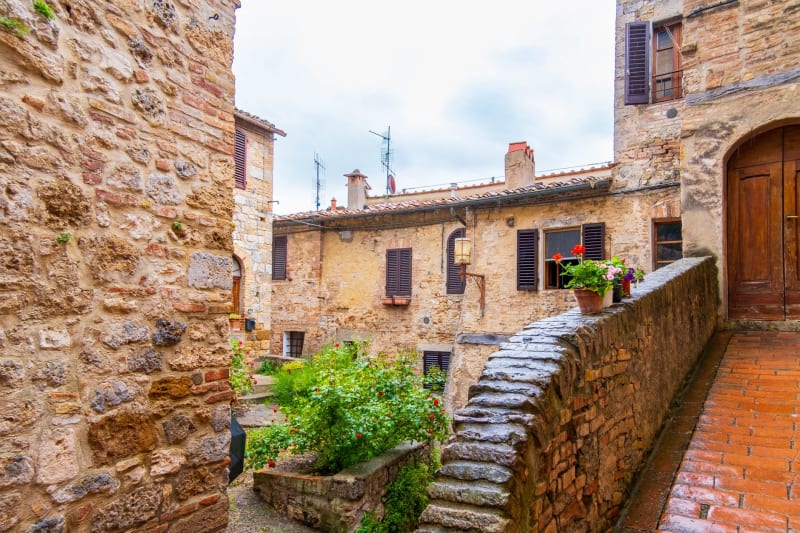 umbria
Spello
A Roman colony on Monte Subasio whose steep lanes overflow with flower boxes and whose Pinturicchio chapel is worth the detour from anywhere on the Umbrian plain.
Explore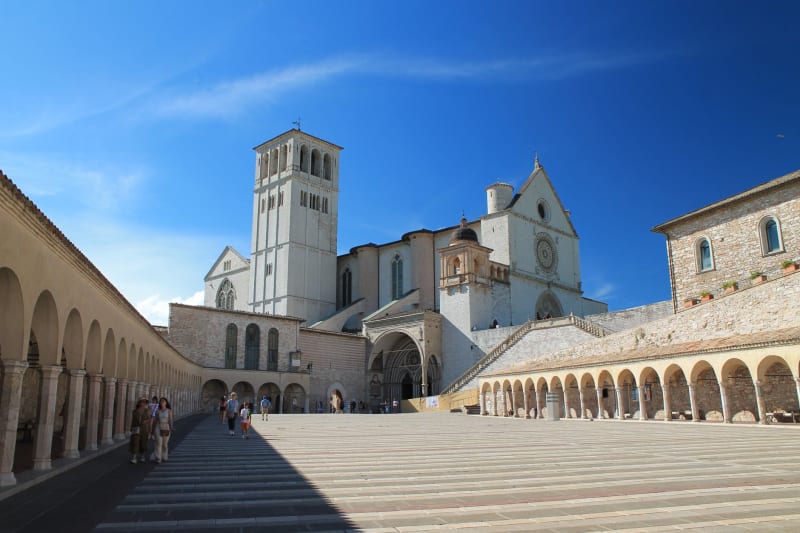 umbria
Spoleto
An ancient Roman colony turned medieval stronghold turned arts festival city, presiding over a green gorge with a Roman aqueduct that doubles as a footbridge.
Explore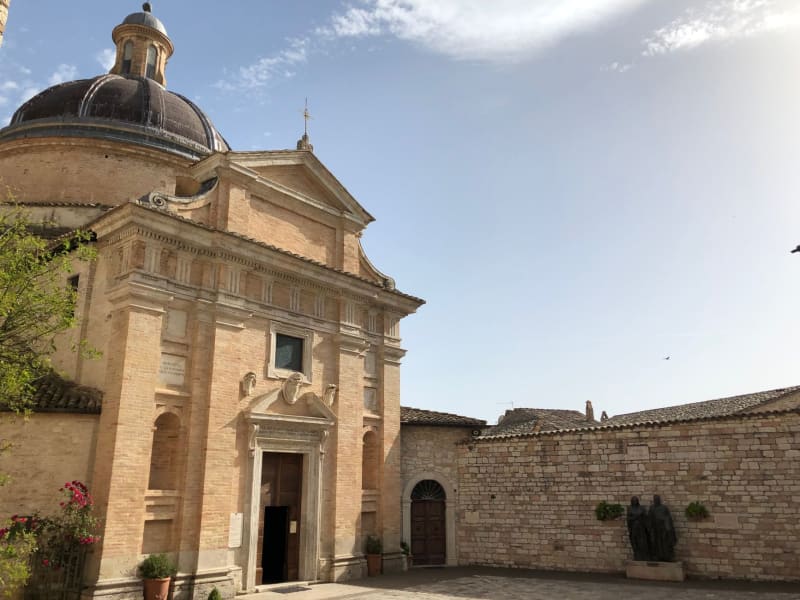 umbria
Todi
A perfectly proportioned hilltop town above the Tiber valley, once declared the world's most livable city — a title it carries with the appropriate amount of Umbrian understatement.
Explore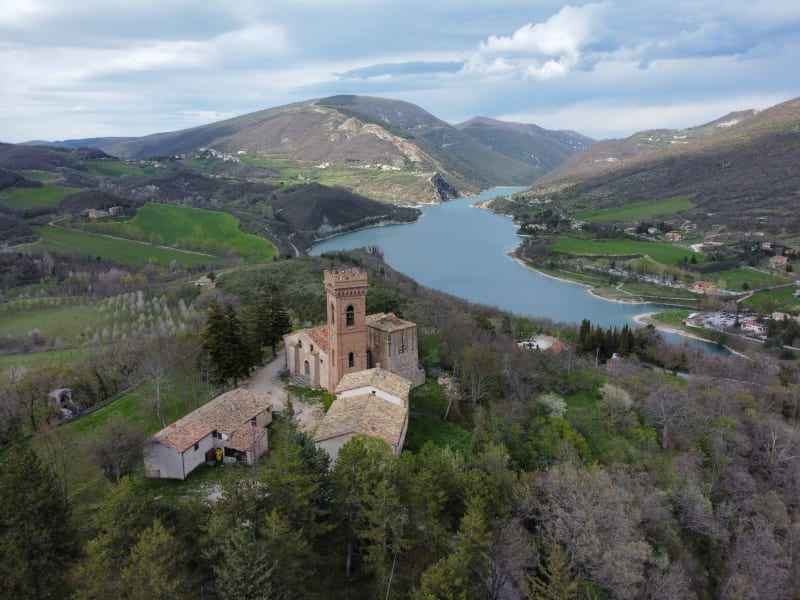 umbria
Valnerina
The wild valley of the Nera river cutting through the eastern Apennines, where waterfalls drop off limestone cliffs and medieval villages cling to slopes that have discouraged development for five centuries.
Explore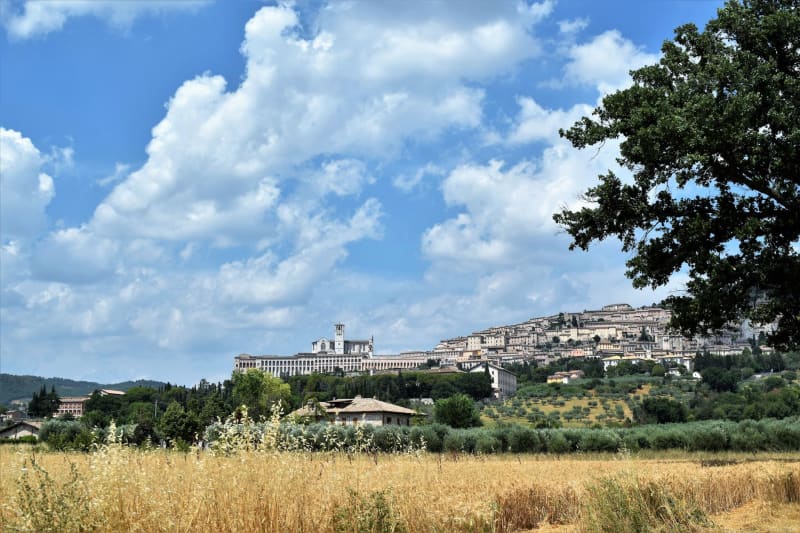 umbria
Assisi
A pink-stone hilltop town where one man's radical poverty transformed Western art and still draws pilgrims by the million — yet manages to stay quietly beautiful.
Explore