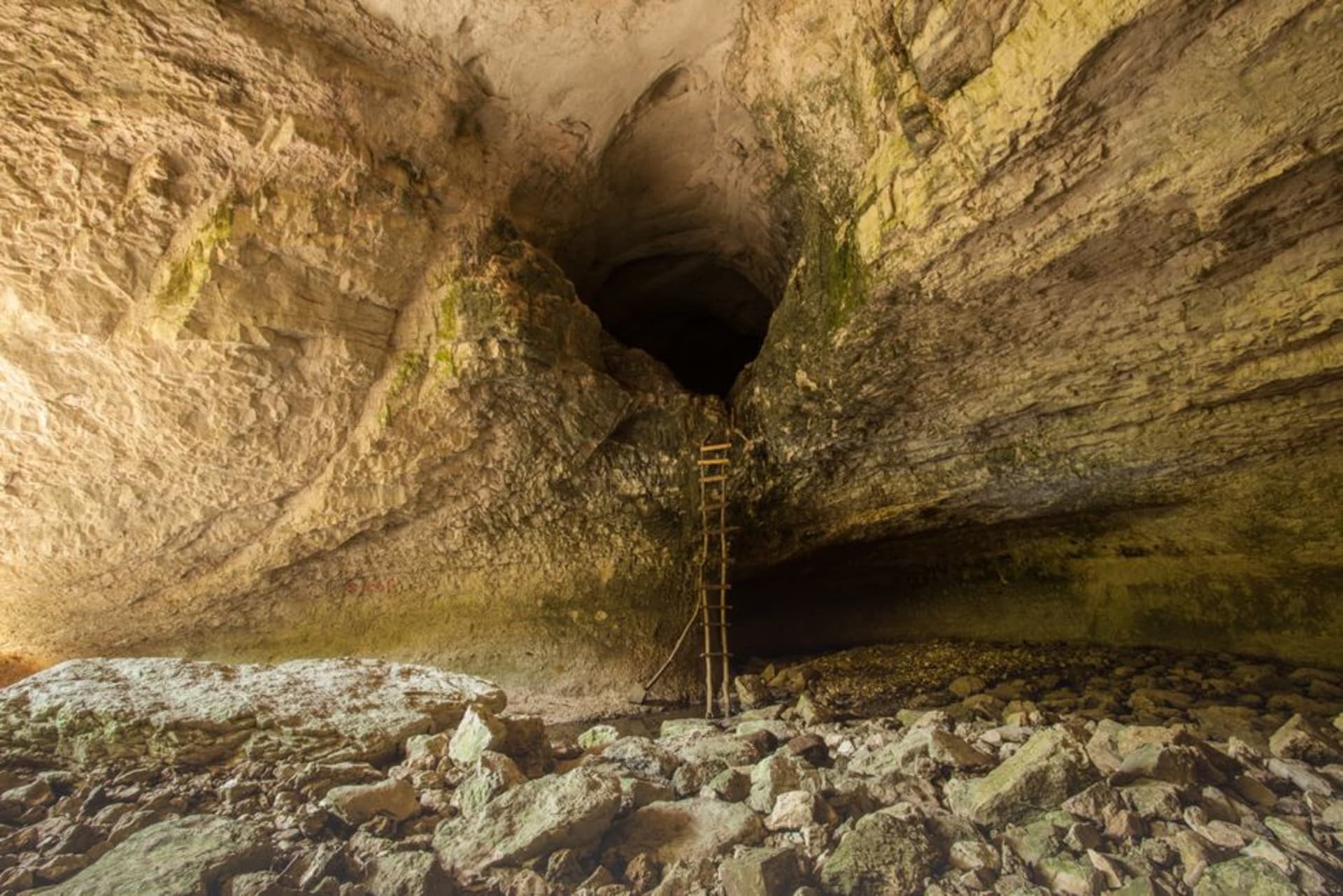
Conch Bar Caves
"Lia grabbed my arm the second the bats started moving, and I pretended I wasn't just as startled."
A limestone cave system threading beneath Middle Caicos, with underground pools, bat colonies, and a silence that swallows your flashlight beam.

I almost skipped Conch Bar Caves. We were four days into a Turks and Caicos trip built entirely around water — Grace Bay, Half Moon Bay, the usual — and the idea of going underground on an island famous for its surface felt almost perverse. Lia talked me into it, mostly because the guesthouse owner in Bambarra kept insisting it was “the real Middle Caicos,” said with the particular emphasis locals use when they mean everyone skips it for the beach.
The drive out is its own kind of introduction. Middle Caicos barely has traffic, and the road narrows into scrubby bush before you reach the small parking area and the National Trust hut, which may or may not be staffed depending on the day. We got lucky — a guide named Ezra was there, flashlight in hand, and he walked us through what’s one of the largest cave systems in the Caribbean without a hint of showmanship, just quiet familiarity, like he was walking through his own house.

The caves themselves surprised me. I expected a single tunnel, something manageable and brief. Instead it’s chamber after chamber, some big enough to lose your voice in, others so low you’re bent double scraping past flowstone that Ezra said the Lucayans once used for fresh water. There are pools down there, still and black, that reflect your flashlight back at you in a way that made me stop talking for a second. And then the bats — thousands of them, stirring somewhere above in a chamber Ezra called, without irony, the ballroom. Lia is not a bat person. She survived it, but she gripped my arm hard enough to leave a mark.
What stuck with me more than the geology was the history Ezra layered in as we went — how these caves were mined for guano in the 1800s, shipped out as fertilizer, and how you can still see the old wooden supports and iron rails rusting in the dark, half-swallowed by the rock. It’s not a polished exhibit. Nothing is roped off or lit for effect. You’re just walking through something that’s been quietly doing its thing for millennia, indifferent to whether anyone shows up.

We came back out blinking into the heat and the bush and drove straight to a beach afterward, which felt necessary — some kind of decompression. But I think about those caves more than I think about most of the beaches from that trip. Bring real shoes, not sandals, and a headlamp if you have one; the National Trust flashlights are serviceable but dim.
When to go: Visit in the dry season (December–April) when the trails in are less muddy, and go in the morning before the heat inside the unventilated chambers becomes uncomfortable.
Keep exploring
More from Turks and Caicos
 turks-and-caicos
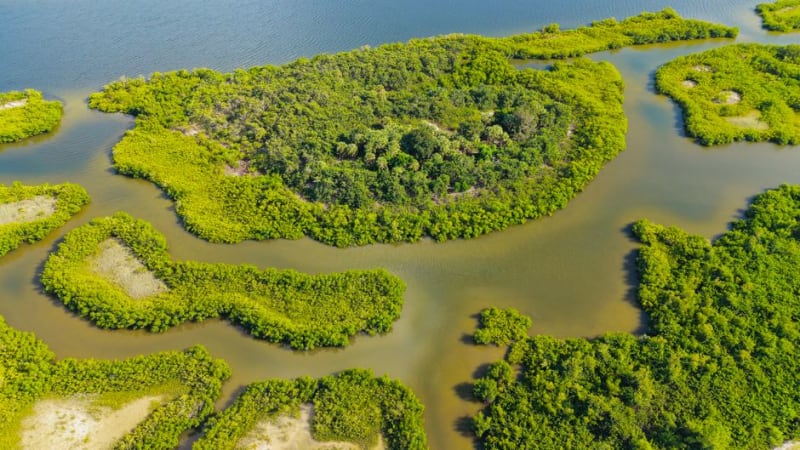
East Caicos
An uninhabited island of tangled mangrove wetlands and crumbling 19th-century sisal plantations that nobody has lived on for over a century.
Explore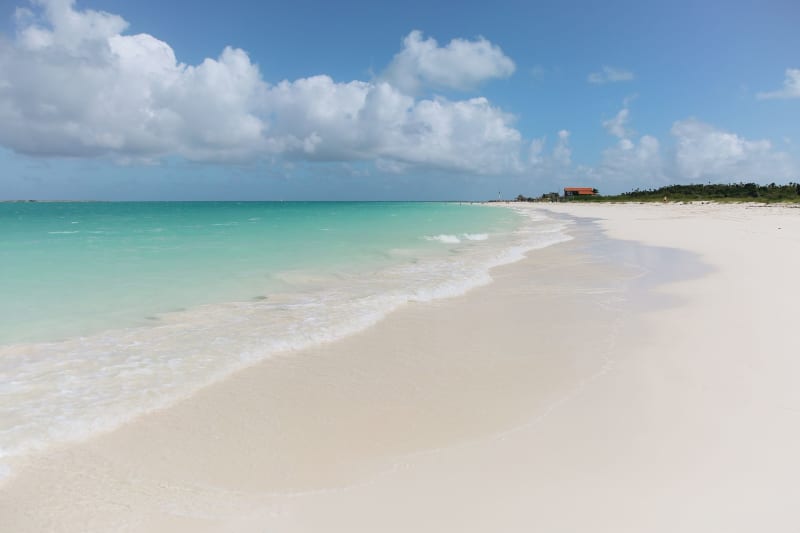 turks-and-caicos
Grace Bay
Twelve miles of powder-fine sand on Providenciales where the water runs every shade of blue the Caribbean can manage.
Explore turks-and-caicos
Grand Turk
The quiet capital of a glamorous archipelago — a one-street town of salt-bleached Bermudian houses where the real Caribbean still operates at its own pace.
Explore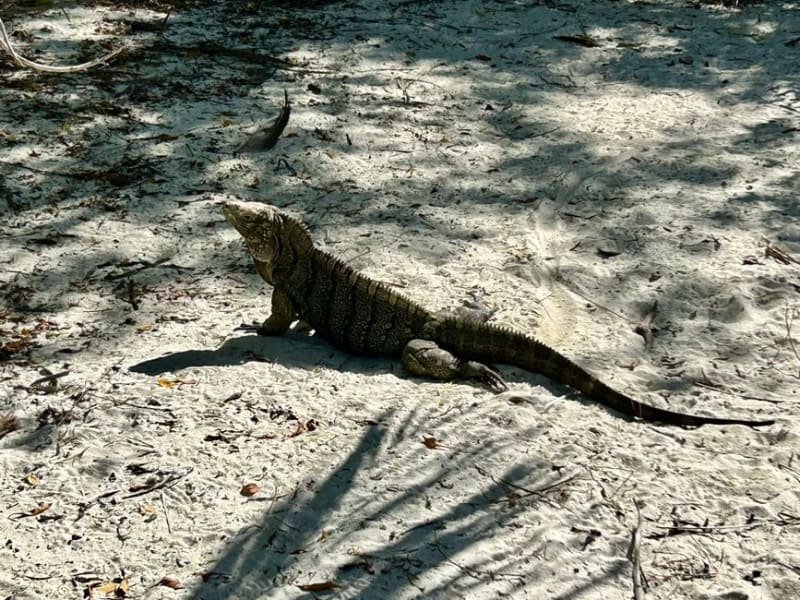 turks-and-caicos
Little Water Cay
A small uninhabited cay off Providenciales, nicknamed Iguana Island for the protected rock iguanas that outnumber every visitor who steps ashore.
Explore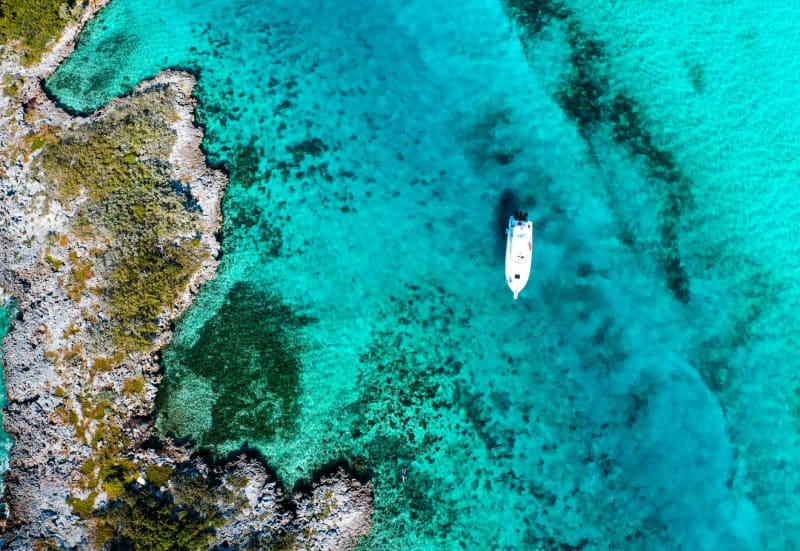 turks-and-caicos
Middle Caicos
The largest and loneliest island in the archipelago — dramatic limestone cliffs, cathedral-scale caves, and beaches so empty they feel like a mistake.
Explore turks-and-caicos
North Caicos
The greenest island in the chain — lush plantation ruins, flamingo-filled wetlands, and a pace of life that makes the word 'slow' seem rushed.
Explore