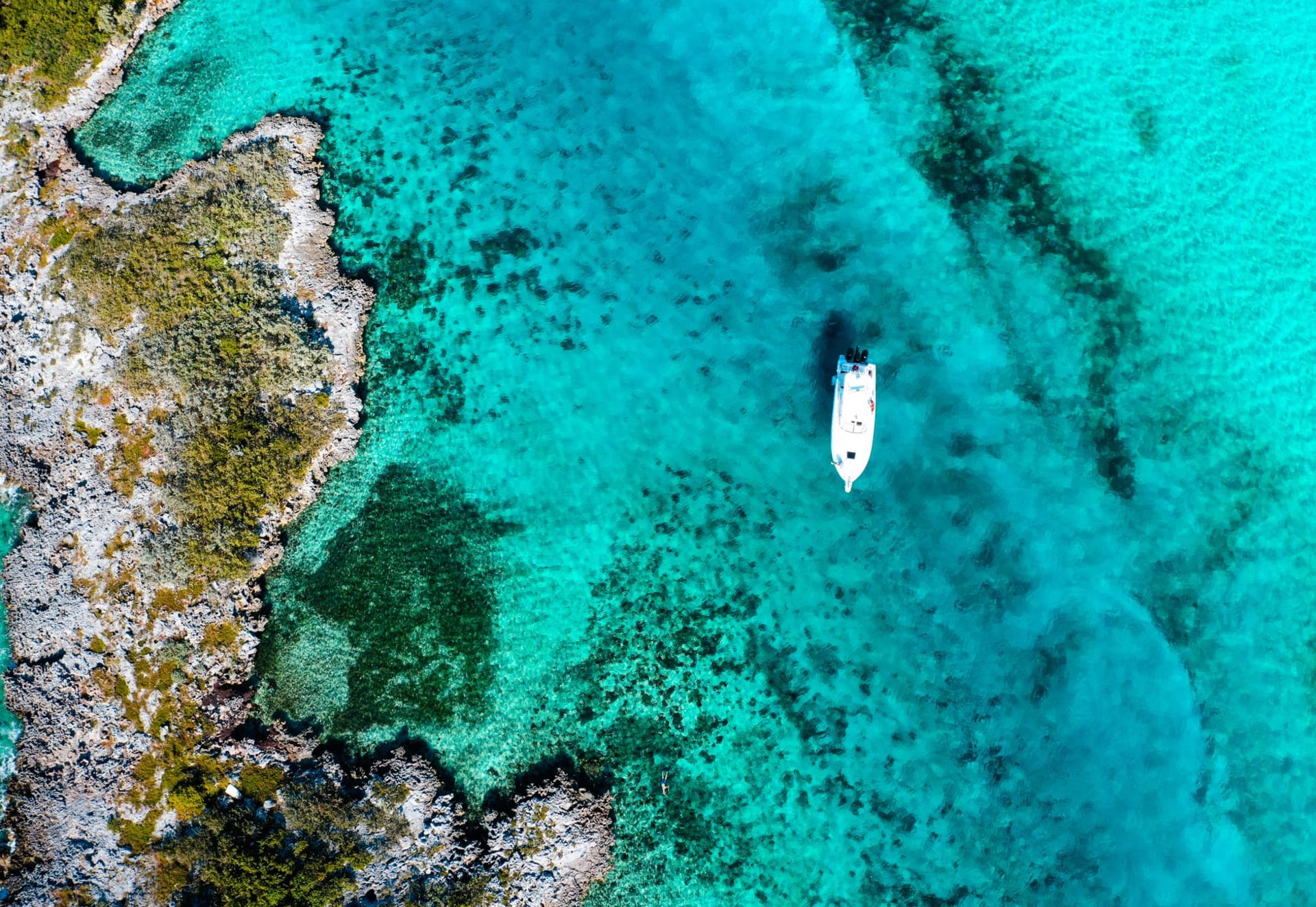
Middle Caicos
"Middle Caicos is what the whole Caribbean must have looked like before we arrived and got comfortable."
The largest and loneliest island in the archipelago — dramatic limestone cliffs, cathedral-scale caves, and beaches so empty they feel like a mistake.

Middle Caicos is the largest island in the Turks and Caicos chain and has a population of around three hundred people. The numbers are notable because most of those people live in a few small settlements strung along the road that crosses the island, which means that for most of its area, Middle Caicos is spectacularly, improbably empty. The roads here are the kind that make rental car companies nervous.
The Caves
Conch Bar Cave is the largest cave system in the Caribbean — a network of limestone chambers that runs for several kilometers beneath the island’s interior. I went in with a local guide on a morning when it had rained overnight and the cave floor was slick with mud and the air inside smelled of earth and bat and something older I couldn’t identify. The chambers are enormous: one opens to a height of about fifteen meters, the ceiling studded with stalactites in formations that look deliberately ornamental. Bats hang from the upper reaches in colonies that number in the thousands, and if you stand still long enough your eyes adjust and you start to make out the movement of individual animals in the darkness above you.
The caves were used by the Lucayan people — the original inhabitants of the Bahama archipelago — and their artifacts have been found in the deeper chambers. Walking through, I kept thinking about the people who used this space as a shelter and a burial site before Europeans ever reached the Caribbean.
The Cliffs and the North Shore
The north shore of Middle Caicos is where the island surprises you most. Limestone cliffs rise from twenty to forty meters along a coastline that looks more like Dorset than the Caribbean, all grey-white rock and crashing surf and wind. The Crossing Place Trail runs along this coast and follows a path that has been used by islanders for centuries to travel between settlements. I hiked the coastal section on an afternoon when the trade wind was strong enough to make conversation difficult and the sea below the cliffs was green-white with foam.
At intervals along the trail, the cliff edge opens onto small coves — reachable by steep rocky paths — where the water inside the cliff shelter is an almost impossible clear green. Mudjin Harbour is the most photographed of these and earns its reputation: a double-arc beach flanked by sea stacks, with a natural blowhole to one side that fires a column of spray in heavy swell.
The Long Empty Beaches
The south side of Middle Caicos faces the calm water of the Caicos Bank and has beaches of the same white powder as Grace Bay, minus the hotels and the beach vendors and the other people. I walked one of them for an hour and a half and did not encounter another human being. The sand here is slightly pink-tinted from crushed shells and the water over the bank is extraordinarily shallow — you can walk a quarter-mile from shore and still be only waist-deep, the bottom white sand, the water above it the color of pale jade.
Lia said it felt like the sea had been temporarily drained for maintenance and forgotten about. I thought that was accurate.
Getting There and Moving Around
A causeway connects Middle Caicos to North Caicos, so you can reach both in a single day with a rental car. The ferry from Provo goes to North Caicos and takes about an hour. Middle Caicos itself has minimal services — fuel at one location, a couple of very basic food spots, no resort accommodation. Most people visit as a day trip, but a night or two in one of the few guesthouses gives the island time to work properly on you.
When to go: November through April for the best weather and clearest cave conditions. The trail walks are best in the morning before the heat builds. Avoid visiting after heavy rain if you want to drive the island’s interior roads without a four-wheel-drive vehicle.
Keep exploring
More from Turks and Caicos
 turks-and-caicos
North Caicos
The greenest island in the chain — lush plantation ruins, flamingo-filled wetlands, and a pace of life that makes the word 'slow' seem rushed.
Explore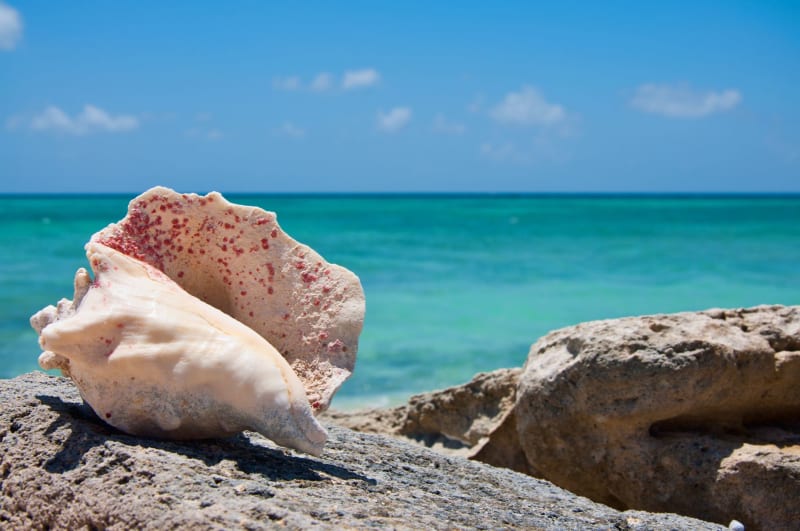 turks-and-caicos
Parrot Cay
A private island north of Providenciales where one of the world's most quietly serious luxury resorts occupies an entire cay and takes the concept of stillness literally.
Explore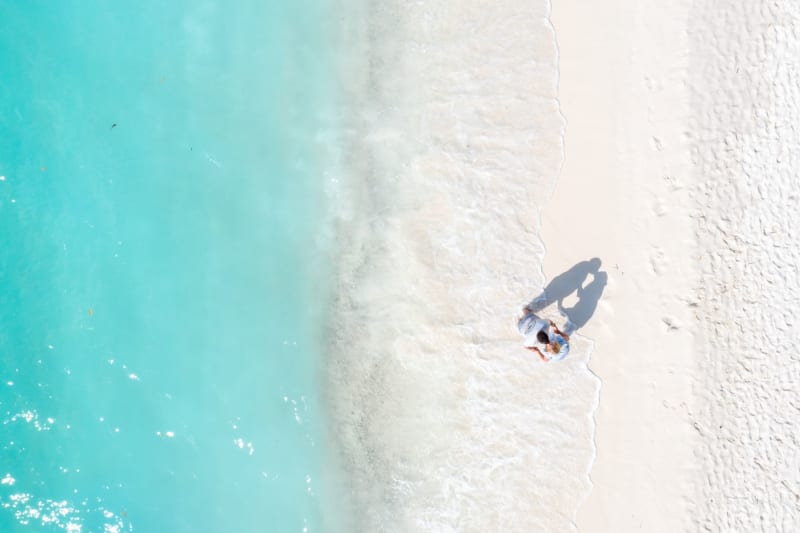 turks-and-caicos
Pine Cay
A windswept private island between Provo and North Caicos where one small eco-resort and forty private homes share eight hundred acres of almost untouched Caribbean.
Explore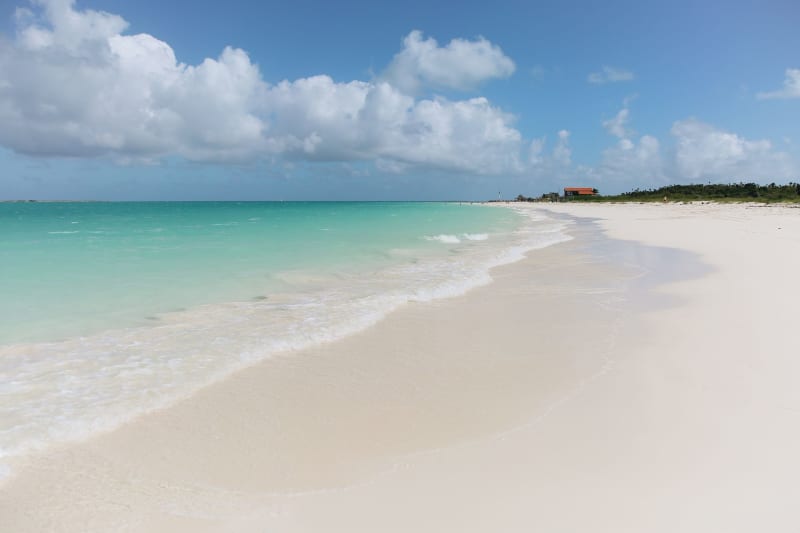 turks-and-caicos
Providenciales
The commercial and culinary heart of TCI — a sprawling island where the region's best restaurants, dive operators, and most concentrated luxury development coexist with stretches of genuine wildness.
Explore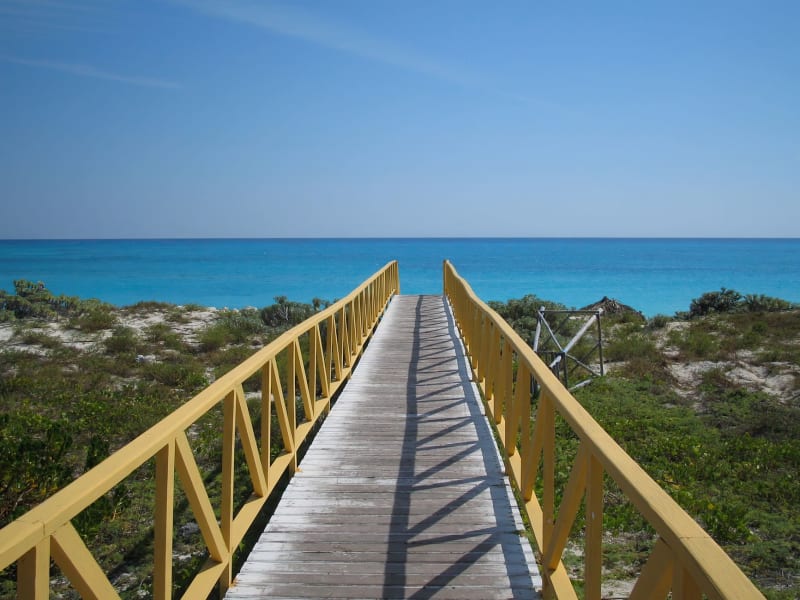 turks-and-caicos
Salt Cay
A two-square-mile island frozen somewhere in the eighteenth century, where salt pans still glitter white and humpback whales pass close enough to hear.
Explore turks-and-caicos
Sapodilla Bay
A shallow, glass-flat cove on the quiet south shore of Providenciales, where the water barely reaches your knees a hundred metres out and a hilltop above guards two centuries of sailors' carved graffiti.
Explore