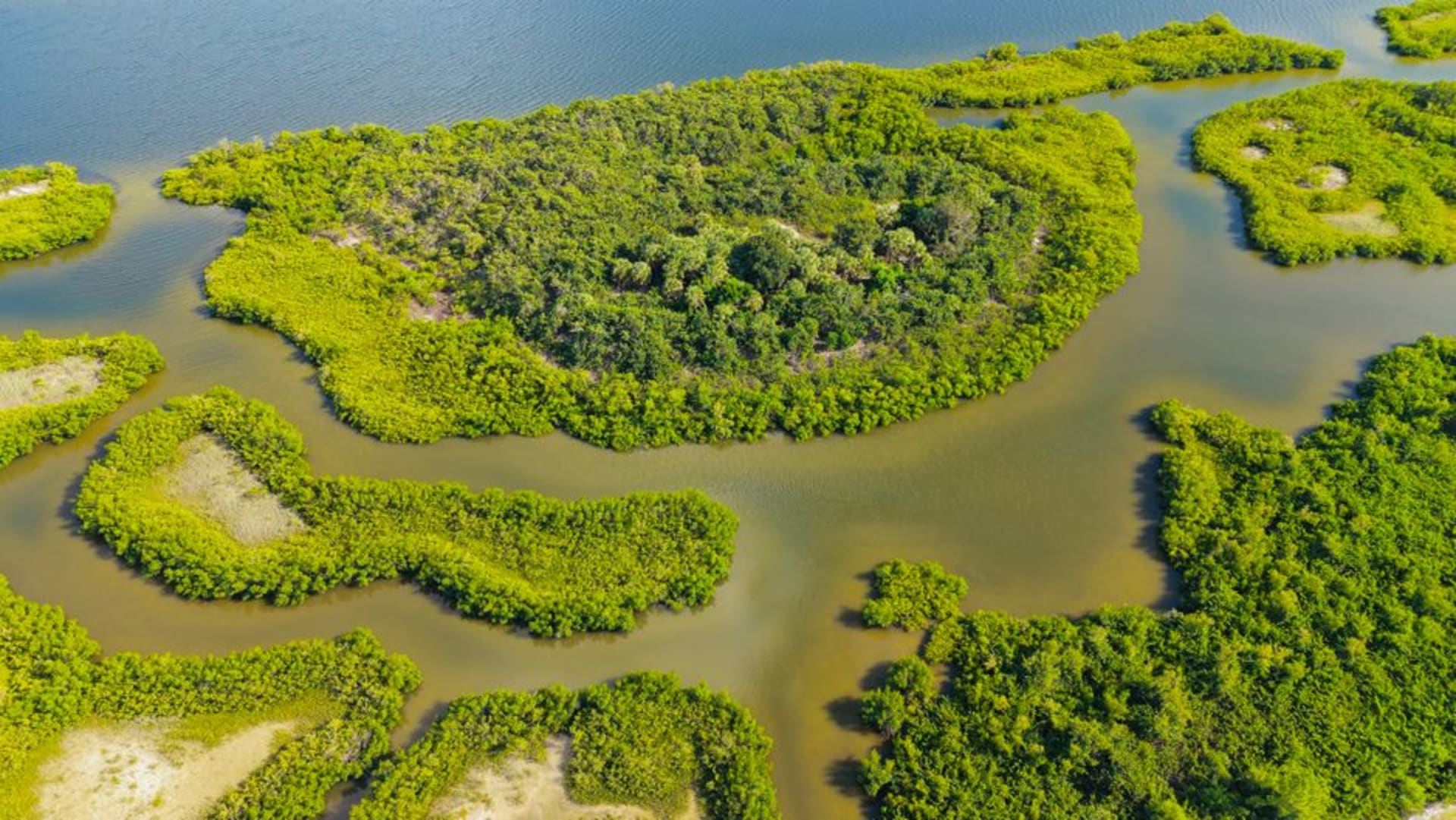
East Caicos
"Our boat captain cut the engine and just said, 'nobody's home,' which turned out to be the whole story of East Caicos in four words."
An uninhabited island of tangled mangrove wetlands and crumbling 19th-century sisal plantations that nobody has lived on for over a century.

We only got to East Caicos because of a fisherman named Delroy, who ran boat charters out of North Caicos and mentioned it almost as an afterthought when I asked if there was anywhere in the archipelago that tourists never went. “East Caicos,” he said. “Nobody goes there. No dock, no road, no people.” That was enough to convince me, and Lia, who is generally the more sensible one of us, agreed a little too quickly for someone who normally vetoes plans involving no cell signal.
The island is the largest in the Turks and Caicos chain and completely uninhabited, which is a strange thing to process once you’re actually standing on it. Delroy anchored offshore and we waded in through warm shallow water onto a beach that had clearly not been raked, cleaned, or visited by anyone in a while — driftwood everywhere, no footprints but ours. Beyond the beach the land turns into a maze of mangrove creeks and salinas, the kind of landscape that looks abstract from a plane and genuinely disorienting on foot.

What we’d actually come for were the sisal ruins, and Delroy knew exactly where to walk us. In the 1890s a company tried to build a plantation economy here around sisal — the fiber used for rope — and it collapsed within a couple of decades, defeated by hurricanes, isolation, and probably just bad math. What’s left are low stone walls half-swallowed by scrub, the outline of what must have been worker housing, and a strange quiet that isn’t peaceful exactly, more like walking through a room after everyone’s left a party. Lia kept touching the walls like she needed to confirm they were real.
Flamingos work the tidal flats here in numbers I hadn’t seen elsewhere in the Caicos, unbothered because there’s genuinely no one to bother them. We watched a group lift off from a salina, pink against grey mud flats, and I remember thinking this was probably the closest I’d get on this trip to seeing the islands the way they must have looked centuries before anyone put up a hotel.

There’s no infrastructure here at all, so this only works with a local boat captain who actually knows the reefs and the tides — do not try to arrange this yourself without one. Bring more water than you think you need.
When to go: Aim for the dry winter months (December–April) when seas are calmer for the boat crossing, and go early in the day to avoid the worst of the heat with no shade for miles.
Keep exploring
More from Turks and Caicos
 turks-and-caicos
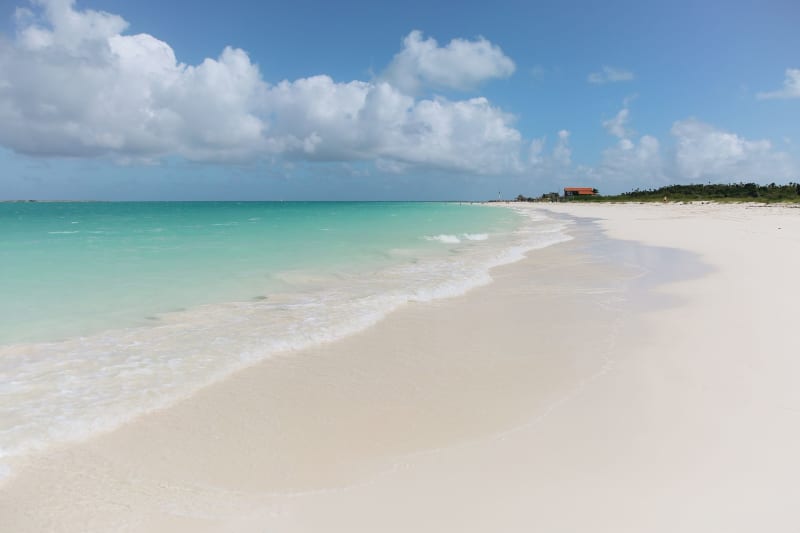
Grace Bay
Twelve miles of powder-fine sand on Providenciales where the water runs every shade of blue the Caribbean can manage.
Explore turks-and-caicos
Grand Turk
The quiet capital of a glamorous archipelago — a one-street town of salt-bleached Bermudian houses where the real Caribbean still operates at its own pace.
Explore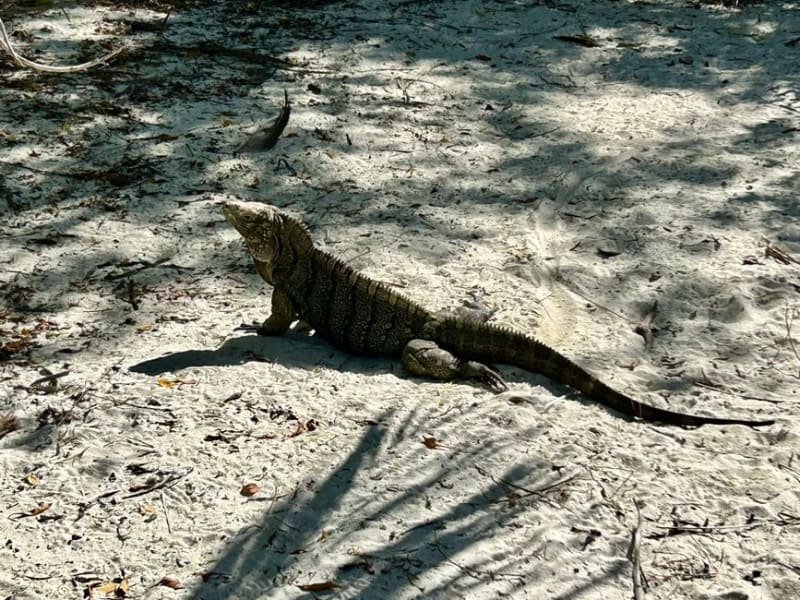 turks-and-caicos
Little Water Cay
A small uninhabited cay off Providenciales, nicknamed Iguana Island for the protected rock iguanas that outnumber every visitor who steps ashore.
Explore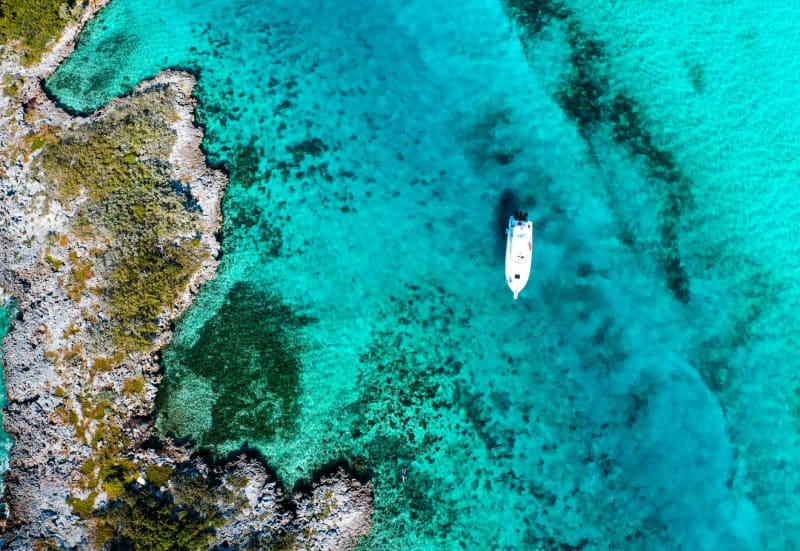 turks-and-caicos
Middle Caicos
The largest and loneliest island in the archipelago — dramatic limestone cliffs, cathedral-scale caves, and beaches so empty they feel like a mistake.
Explore turks-and-caicos
North Caicos
The greenest island in the chain — lush plantation ruins, flamingo-filled wetlands, and a pace of life that makes the word 'slow' seem rushed.
Explore turks-and-caicos
Parrot Cay
A private island north of Providenciales where one of the world's most quietly serious luxury resorts occupies an entire cay and takes the concept of stillness literally.
Explore