Asia
Turkmenistan
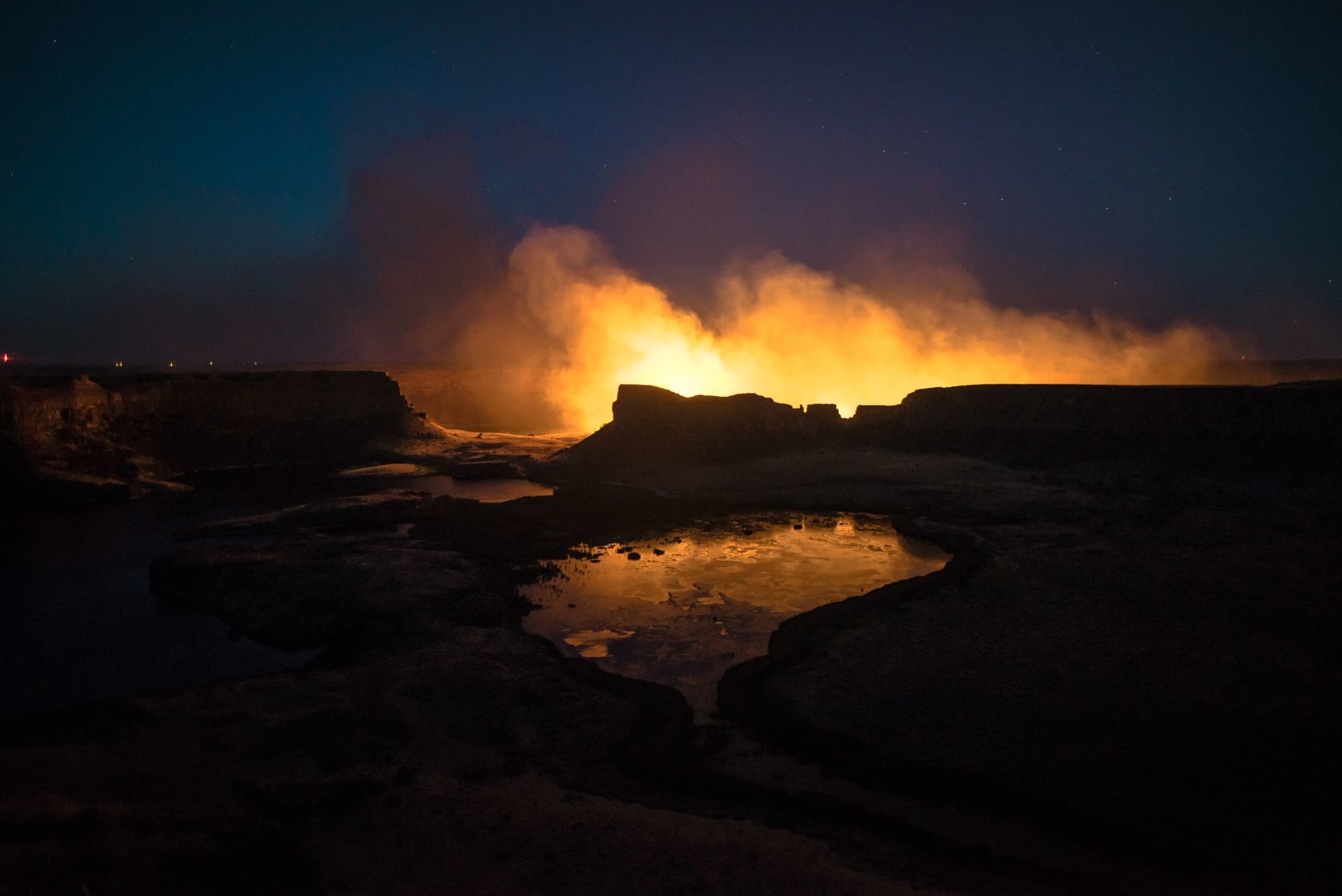
"I stood at the edge of hell and it smelled like petroleum."
A country where a gas crater has burned for over fifty years in the Karakum Desert and a cult-of-personality capital was built from white marble in the middle of nowhere.

The minibus dropped me at the edge of the Karakum Desert sometime past midnight, and I walked toward the glow before I could see anything else. The Darvaza crater — known by every travel writer as “the Door to Hell” — is about ninety meters wide and has been on fire since a Soviet drilling rig collapsed into a gas pocket in 1971. Someone lit it to stop the methane from leaking. They assumed it would burn out in a few weeks. Fifty-some years later, it is still going, and standing at the rim with the heat rising against your face, the sound of flames constant below you, the rest of the desert completely silent, you understand why no one has bothered to put it out. It would be a crime to extinguish something this improbable.
Ashgabat is the other half of Turkmenistan that bends your sense of reality. The capital was rebuilt almost entirely after a catastrophic earthquake in 1948, and then rebuilt again by successive authoritarian presidents who had a particular taste for white marble, gold statues of themselves, and world records. There is a Guinness record for the largest building shaped like an eight-pointed star. There is a monument to a dog breed. There is a golden statue of the former president that used to rotate to always face the sun. Walking through the city center feels like being dropped into a stage set for a country that doesn’t quite exist — the streets are too wide, the buildings too gleaming, the human presence too sparse. It is one of the most surreal urban environments I have ever encountered, and I mean that as high praise.
Between the crater and the capital, the country offers more than most people expect. The ancient Parthian city of Nisa sits in ruins just outside Ashgabat, two thousand years of history with almost no one around. The bazaar in Mary — the closest city to the ruins of Merv, once one of the largest cities in the medieval Islamic world — is loud and crowded and exactly what the white marble city isn’t. Plov, the Central Asian rice dish with lamb and carrots, is eaten everywhere. The naan bread comes out of tandoor ovens that look unchanged from the Silk Road era.
When to go: April to early June and September to October. The desert summer is brutal — temperatures above 45°C in July are common. Winter brings cold that surprises people who picture Turkmenistan as purely hot. Spring gives you the crater at dusk with bearable warmth and occasional wildflowers in the desert scrub.
What most guides get wrong: They frame Turkmenistan as a destination for difficulty — the difficult visa, the mandatory guide, the difficult logistics — as if the point is to suffer for bragging rights. The permits are real, but the country itself is not punishing. The people are curious about you in a way that is completely unguarded. The food is good. The landscape is extraordinary. Go because you want to see one of the strangest places on earth, not because you want to say you went somewhere hard.
Explore
Places in Turkmenistan
 turkmenistan
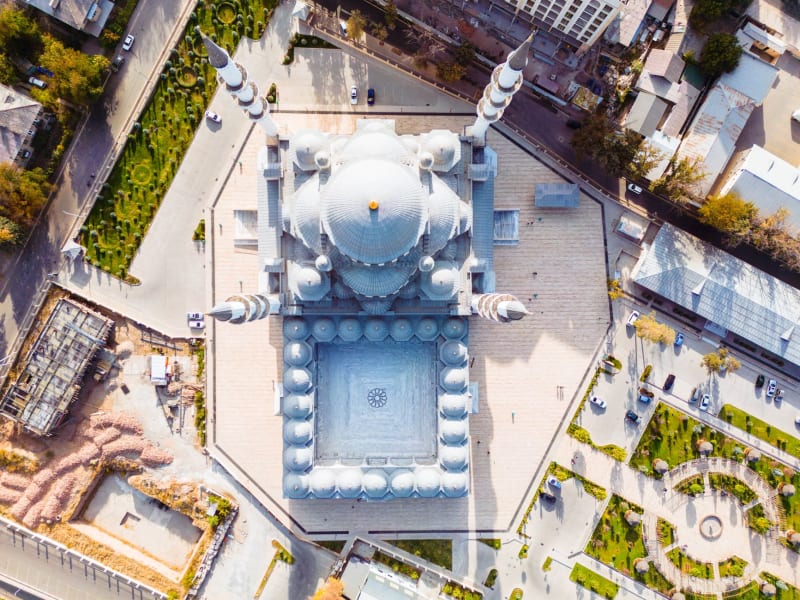
 Ashgabat
The world's whitest capital, a fever-dream of marble and gold where an authoritarian aesthetic reaches its most operatic extreme.
Explore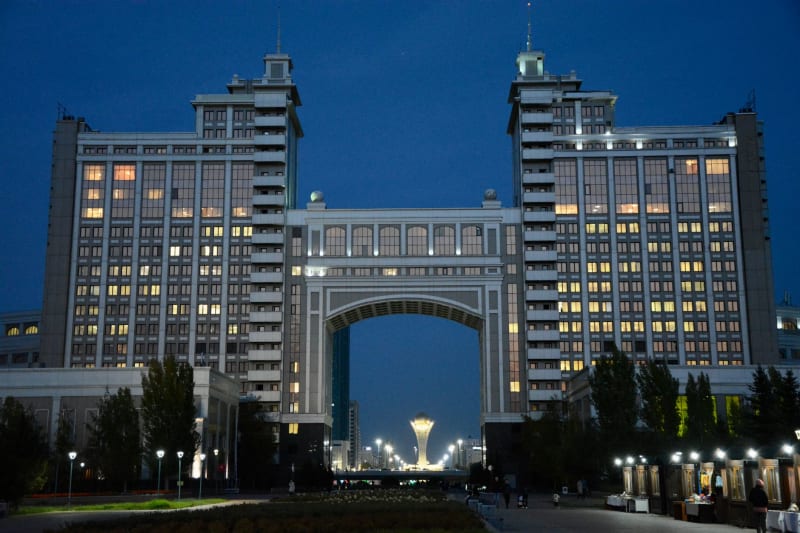 turkmenistan
 Avaza
A purpose-built Caspian resort city constructed from scratch on the orders of a president, where enormous hotels stand half-empty facing a sea that smells of sulfur and crude oil.
Explore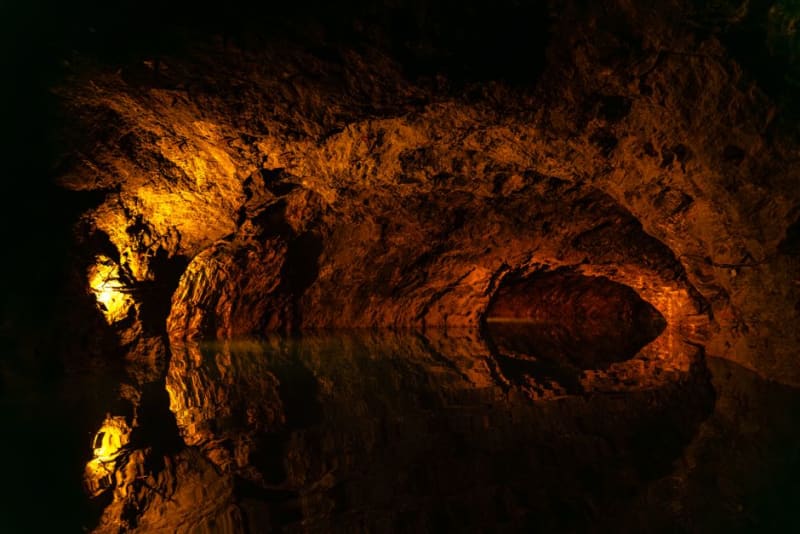 turkmenistan
 Bakharden Cave
A cavernous underground lake near the Kopet Dag mountains, warmed by sulfur springs and reached by a steep staircase into total darkness.
Explore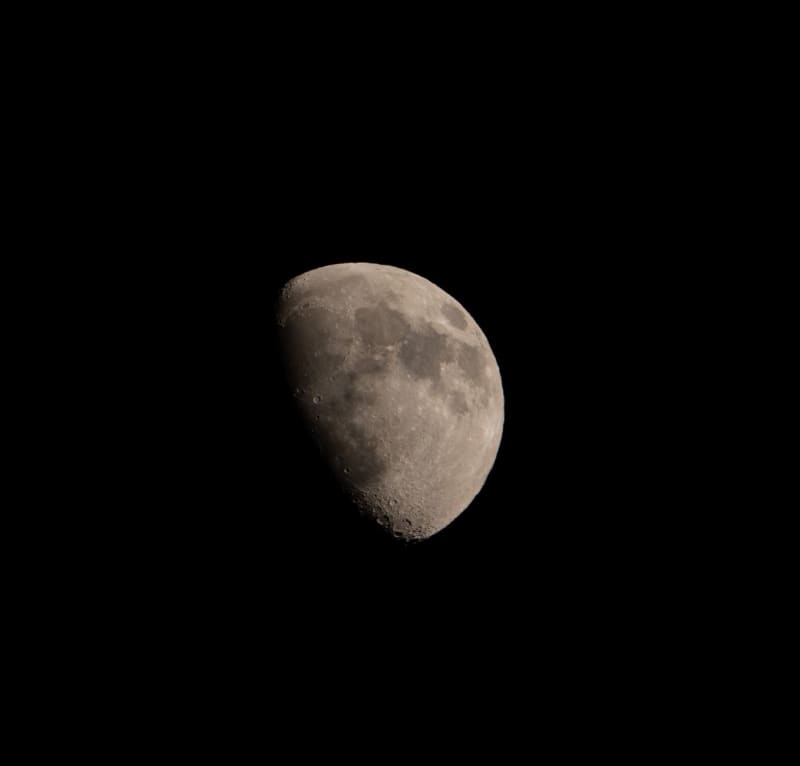 turkmenistan
 Darvaza Gas Crater
A collapsed Soviet drilling site has burned continuously since 1971, lighting the Karakum Desert from below like a wound in the earth that refuses to close.
Explore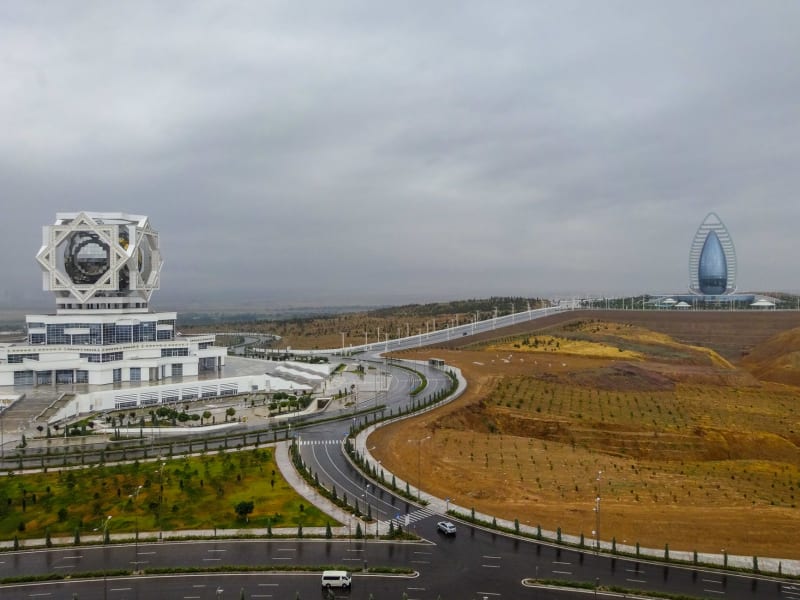 turkmenistan
 Dehistan
A hauntingly ruined medieval city in the southwestern desert, its twin minarets still standing after ten centuries as the sand slowly reclaims the rest.
Explore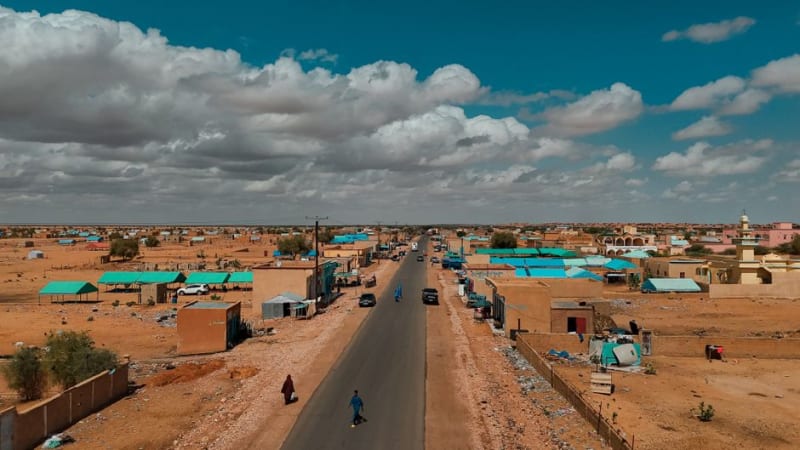 turkmenistan
 Gaurdak
A dusty eastern desert town near the Uzbek border, gateway to sulfur caves and pale salt formations few outsiders ever bother to see.
Explore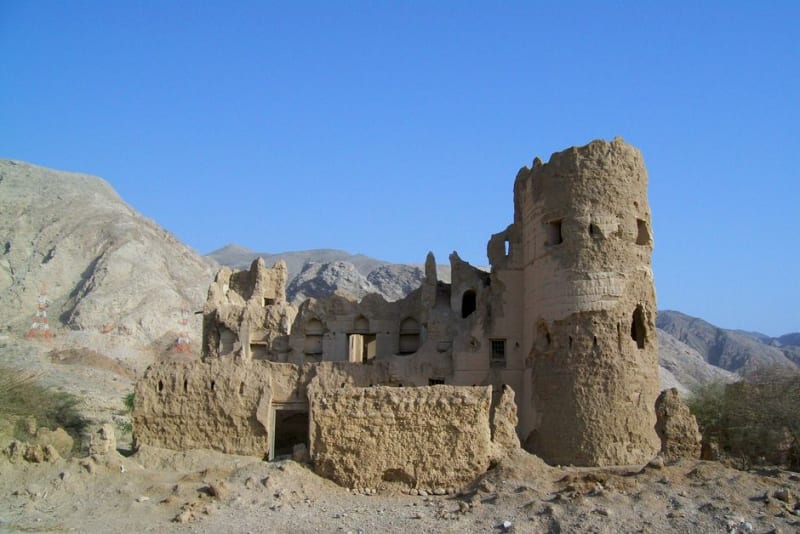 turkmenistan
 Geoktepe
A quiet desert fortress site west of Ashgabat where Turkmen tribes made their last stand against the Russian Empire in a brutal 1881 siege.
Explore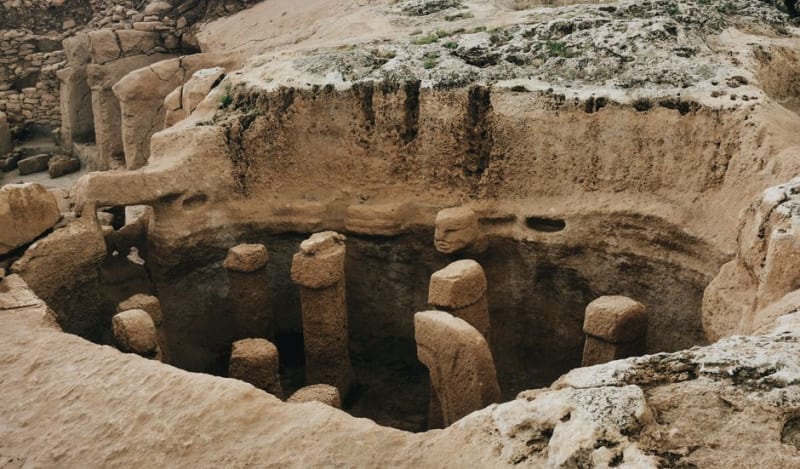 turkmenistan
 Gonur Depe
A crumbling Bronze Age palace complex buried in the Karakum desert, where a lost Central Asian civilization once thrived beside a river that no longer exists.
Explore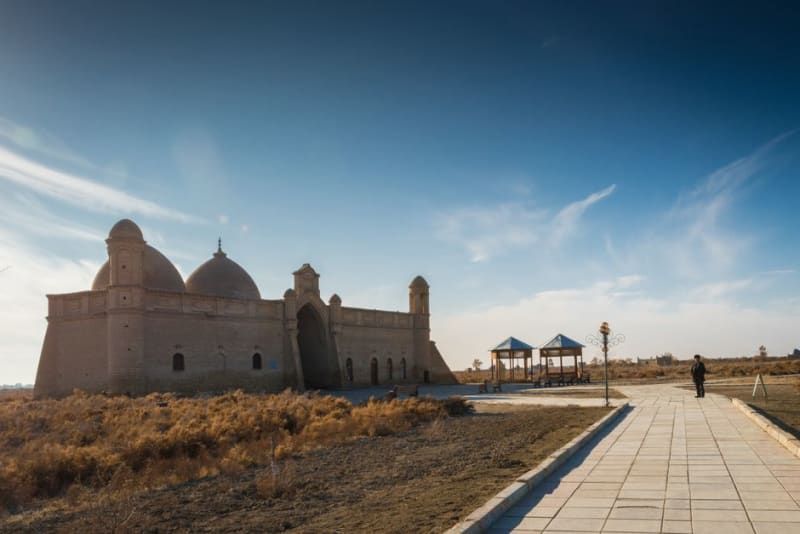 turkmenistan
 Gozli Ata
A remote pilgrimage necropolis in Turkmenistan's western desert, where domed mausoleums and centuries of graves cluster around a revered Sufi shrine.
Explore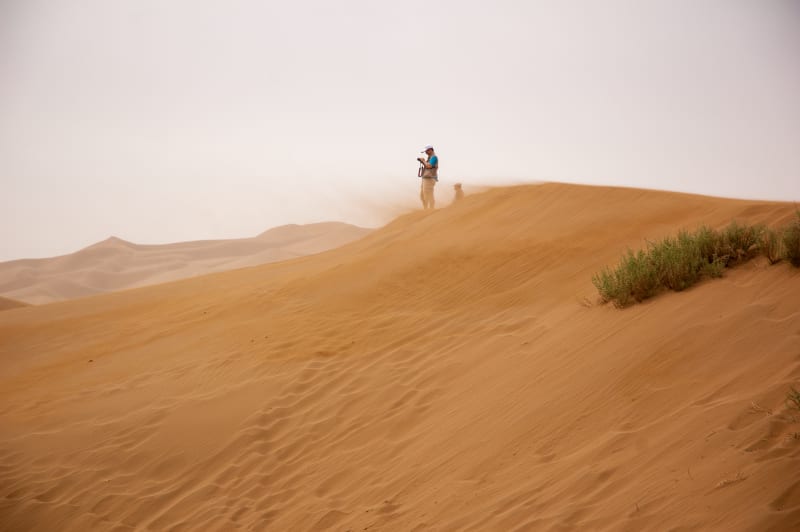 turkmenistan
 Karakum Desert
The Black Sand Desert covers 70 percent of Turkmenistan and swallows everything — ancient cities, Soviet projects, ambition — in a silence that has no edge.
Explore turkmenistan
 Konye-Urgench
The ruined capital of the Khwarazmian Empire contains some of the most refined medieval Islamic architecture in existence, rising improbably from the flat northern desert.
Explore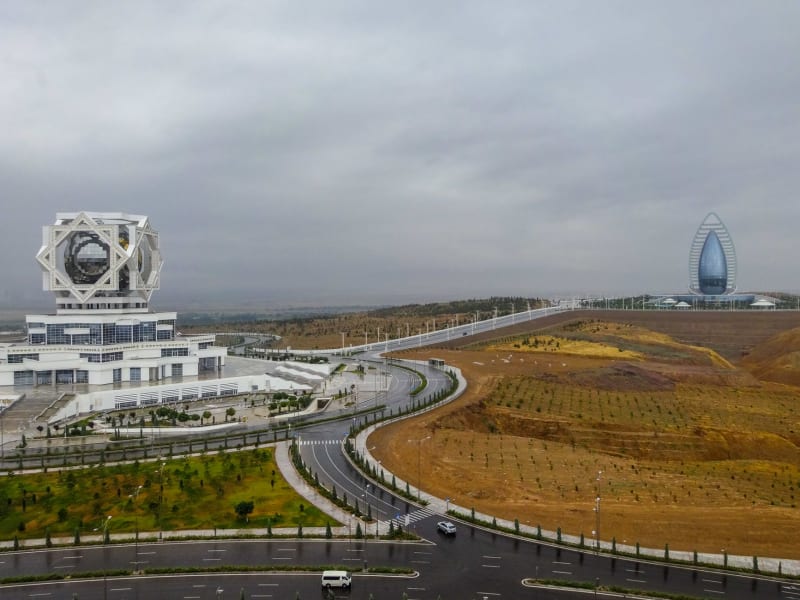 turkmenistan
 Köýtendag
Turkmenistan's easternmost mountains hide a nature reserve with dinosaur trackways, the deepest cave in Central Asia, and waterfalls that seem genuinely impossible given everything the country has shown you.
Explore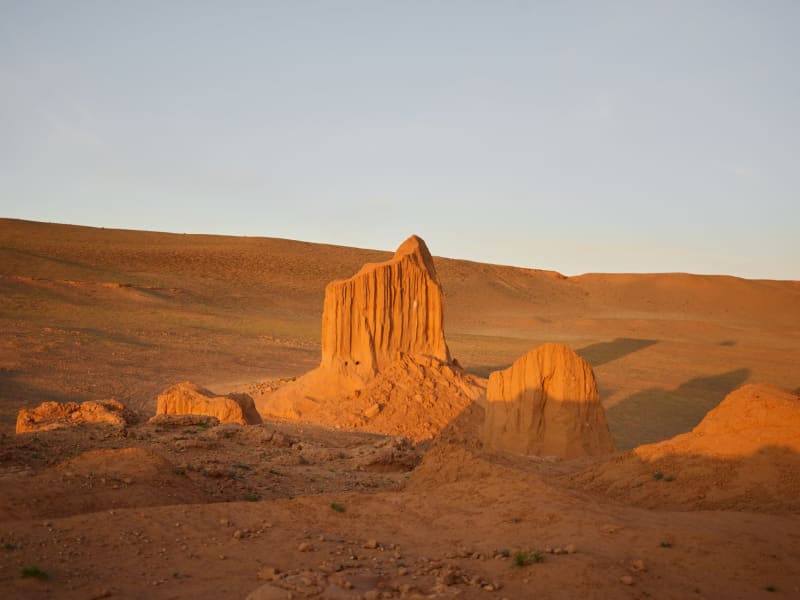 turkmenistan
 Merv
Once among the largest cities on earth, Merv's ancient ruins sprawl across the Karakum edge in layers of civilization stacked like sediment — Achaemenid, Hellenistic, Sassanid, Islamic, Mongol.
Explore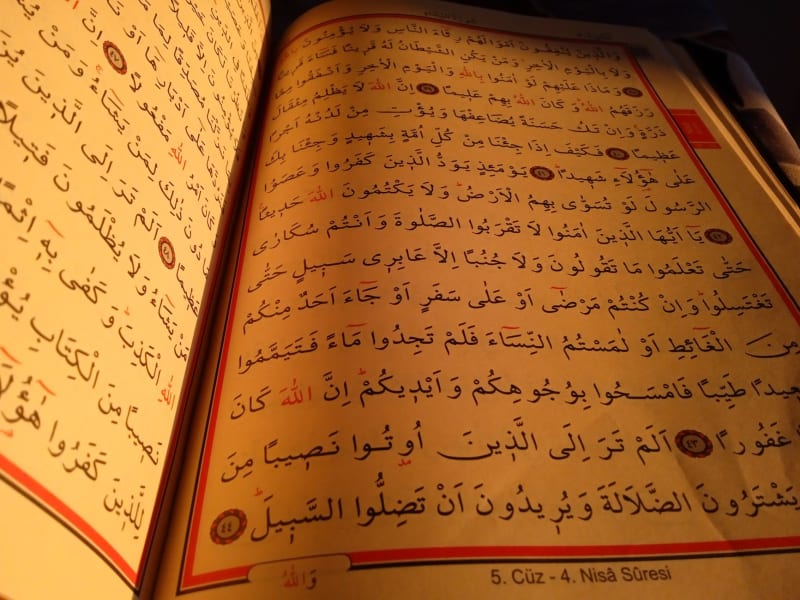 turkmenistan
 Nisa
The eroded mud-brick fortresses of one of the first capitals of the Parthian Empire, rising from the foothills outside Ashgabat as a maze of melted walls and unexcavated mystery.
Explore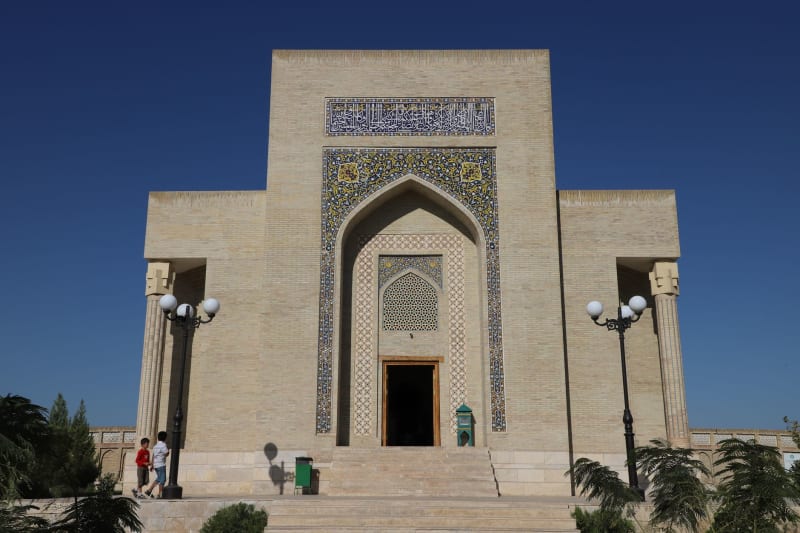 turkmenistan
 Nohur
A remote mountain village in the Kopet Dag whose people maintain distinct traditions, blue-eyed goats wander the lanes, and the air smells of juniper and cold stone.
Explore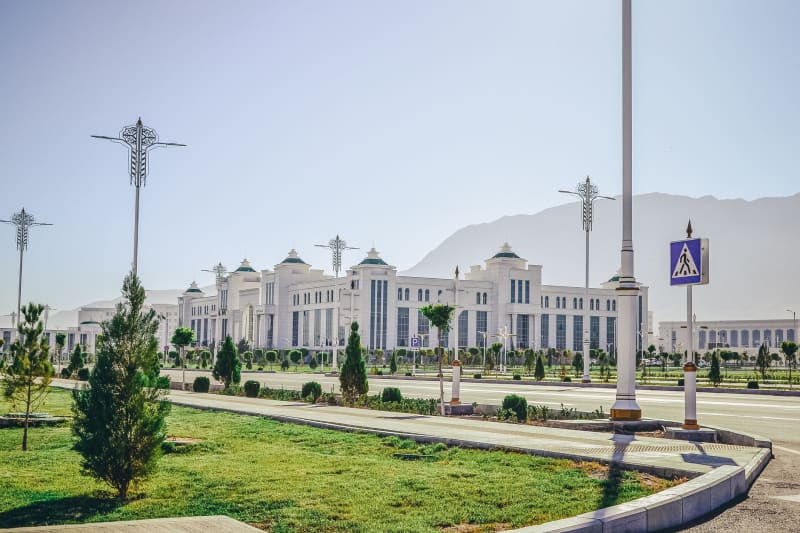 turkmenistan
 Türkmenabat
The country's second city sits on the Amu Darya where Uzbekistan begins on the other bank, a working river town with Soviet bones, Silk Road memory, and the best plov I ate in Central Asia.
Explore