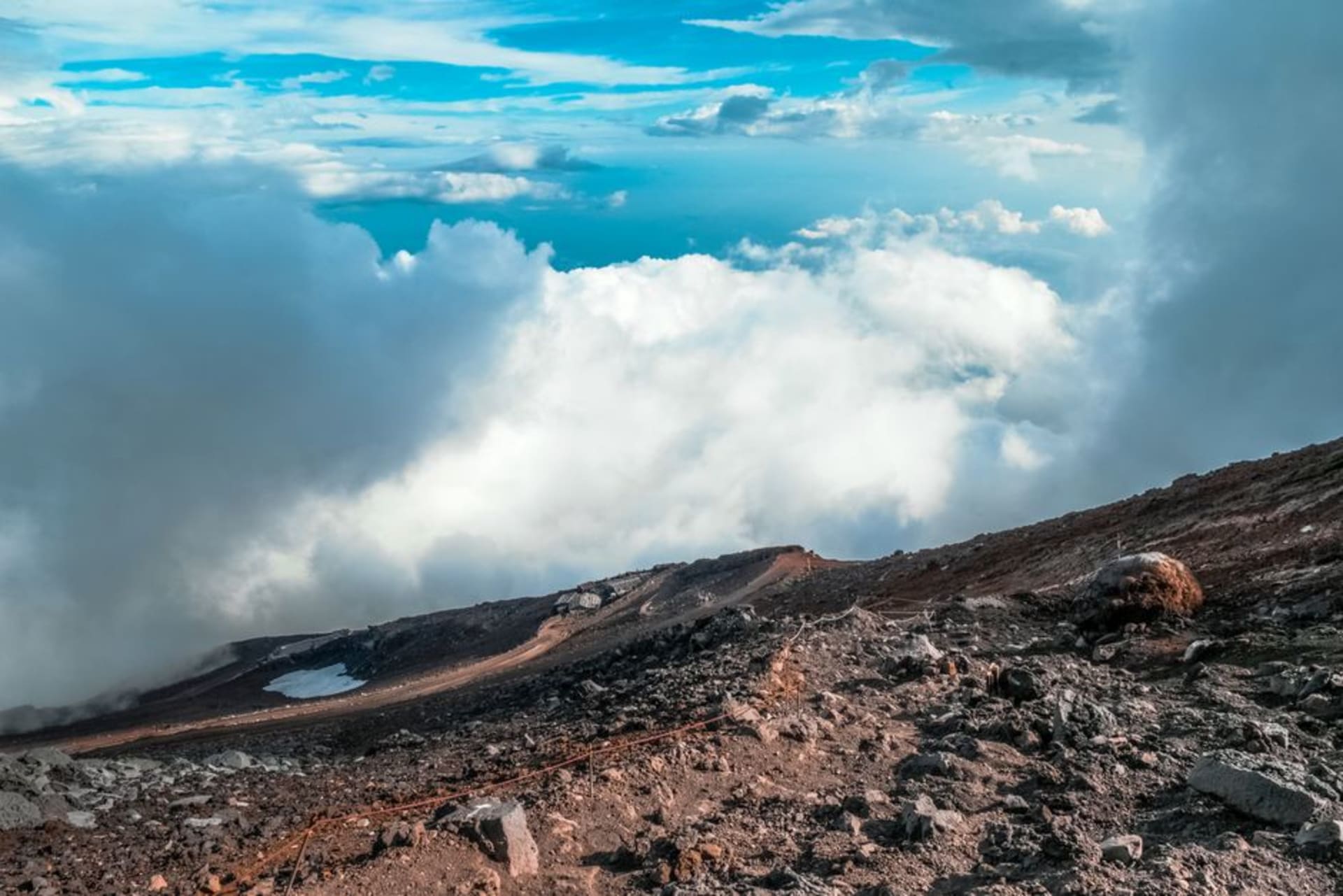
Togo's highest peak rises above Kpalimé's coffee slopes, a 986-meter climb rewarding hikers with views into Ghana.
Lia and I had been in Kpalimé for two days before someone at our guesthouse finally pointed at the ridge behind town and said, simply, “Agou.” I’d read that it was the highest point in Togo, 986 meters, but numbers like that never mean much until you’re looking up at the actual slope wondering how long it’ll take. We arranged a guide for the next morning, a young guy named Kokou who grew up in one of the villages on the mountain’s flank, and who talked the entire way up about his grandfather’s cocoa trees like they were family members.
The trail starts gently, threading between small plantations where coffee bushes and cocoa pods grow in the same dappled shade, then gets serious about halfway up. I remember stopping to catch my breath next to a woman sorting coffee cherries by hand outside her house, and she laughed at how red my face was and offered us water without us even asking. That kind of hospitality on a mountain that’s essentially someone’s working farm — it stuck with me more than the incline did.
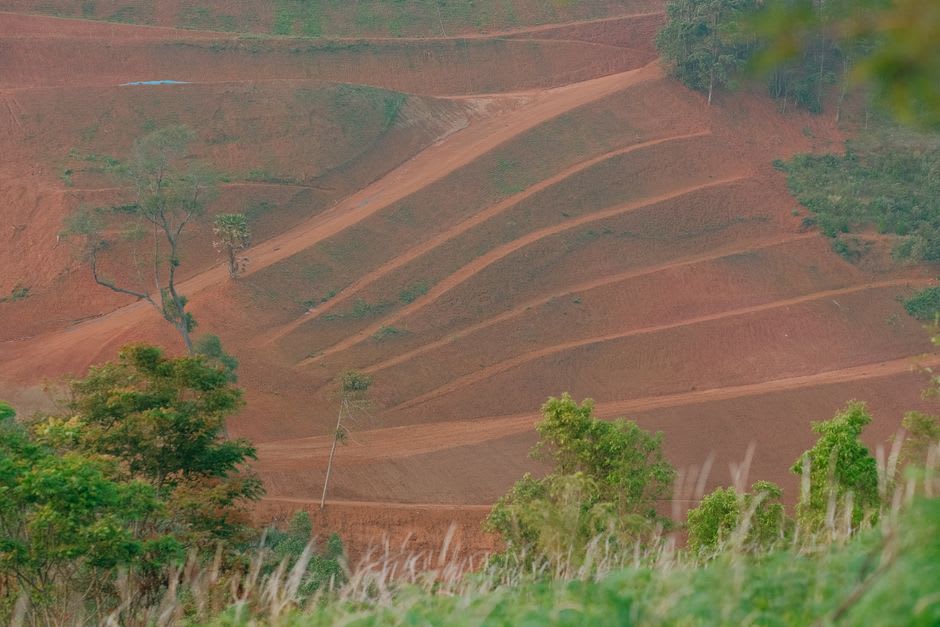
Kokou told us the mountain used to carry a German name, after an Austrian explorer, back when this was Togoland under colonial administration. It didn’t stick, and I was glad — Agou is what the people who actually live on it have always called it, and hiking through their fields made that feel like the only name that mattered. Near the top, past a small radio relay station, the trail opens onto a rocky viewpoint, and on a clear day you can see straight across into Ghana, the border a few hills away and completely invisible on the ground.
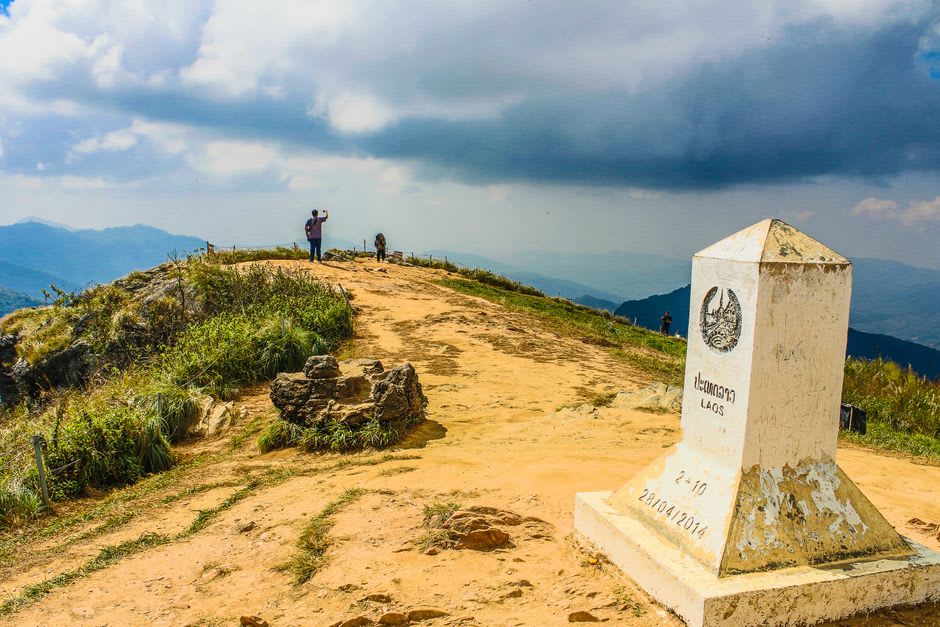
We sat up there eating boiled eggs and roasted peanuts Kokou had packed, not saying much, just looking at the layered green stretching out in every direction. Coming down took almost as long as going up, my knees complaining the whole way, but it’s the kind of tired that feels earned. When to go: aim for the dry season, November through March, when the trail is firmer underfoot and the summit isn’t swallowed by haze — we got lucky with a cloudless February morning, and I’m not sure the view would have been the same in the rains.
Keep exploring
More from Togo
 togo
togo Sokodé
Togo's largest northern city and Muslim center, where the Adossa fire festival burns every year and the smell of grilled brochettes follows you through every quarter.
Explore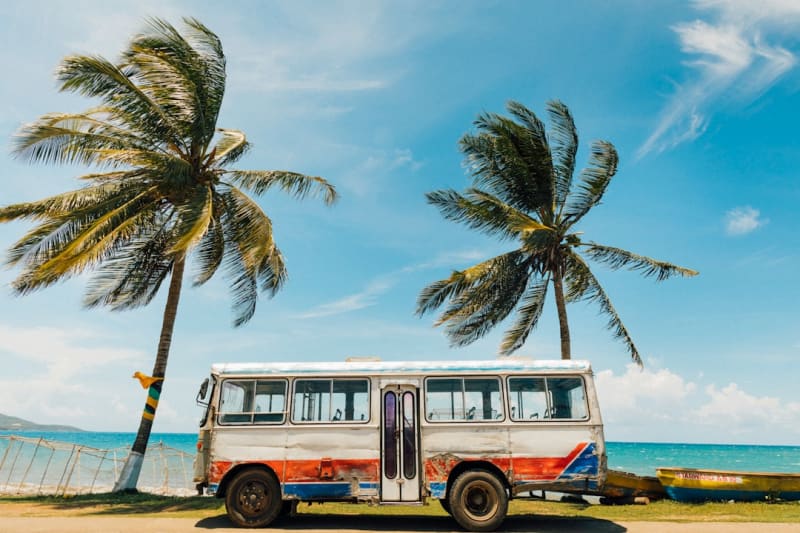 togo
togo Togoville
A quiet lakeside village where Togo got its name, where the Pope once came ashore in a pirogue, and where voodoo and Catholicism coexist without apparent discomfort.
Explore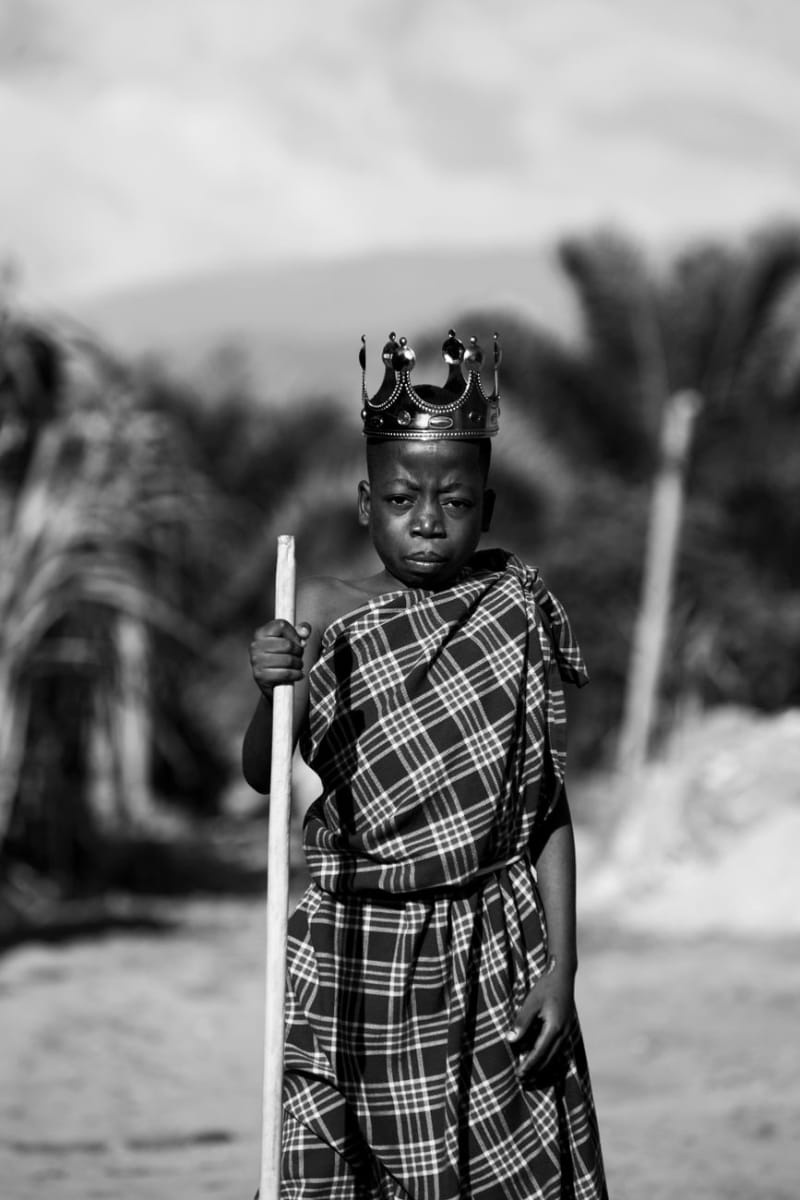 togo
togo Aného
A faded former colonial capital on Togo's eastern coast, caught between a tranquil lagoon and the surf of the Gulf of Guinea.
Explore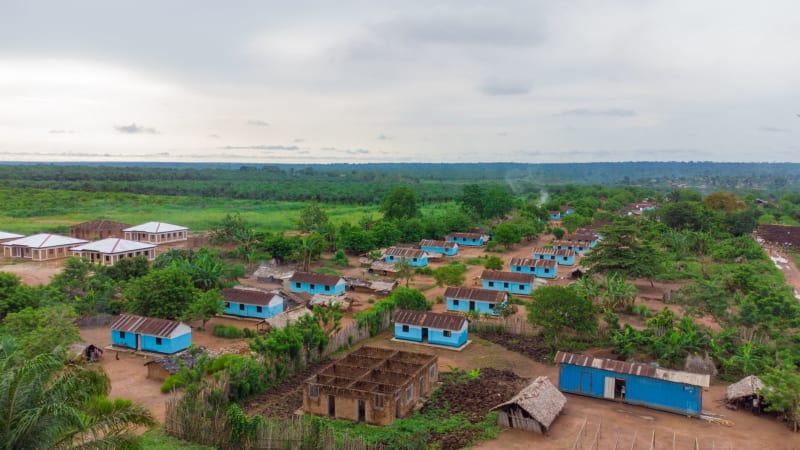 togo
togo Atakpamé
A market town in Togo's central highlands where the hills fold into each other and the weekly market draws farmers from three directions with yams the size of a child's arm.
Explore togo
togo Dapaong
Togo's northernmost city, where the Sahel finally arrives in full, the landscape opens into something vast and dry, and the Moba people build compounds of a geometric precision that stops you mid-step.
Explore togo
togo Fazao-Malfakassa
Togo's largest national park, a swath of mountain forest and savannah where the road dead-ends and the silence has genuine weight to it.
Explore