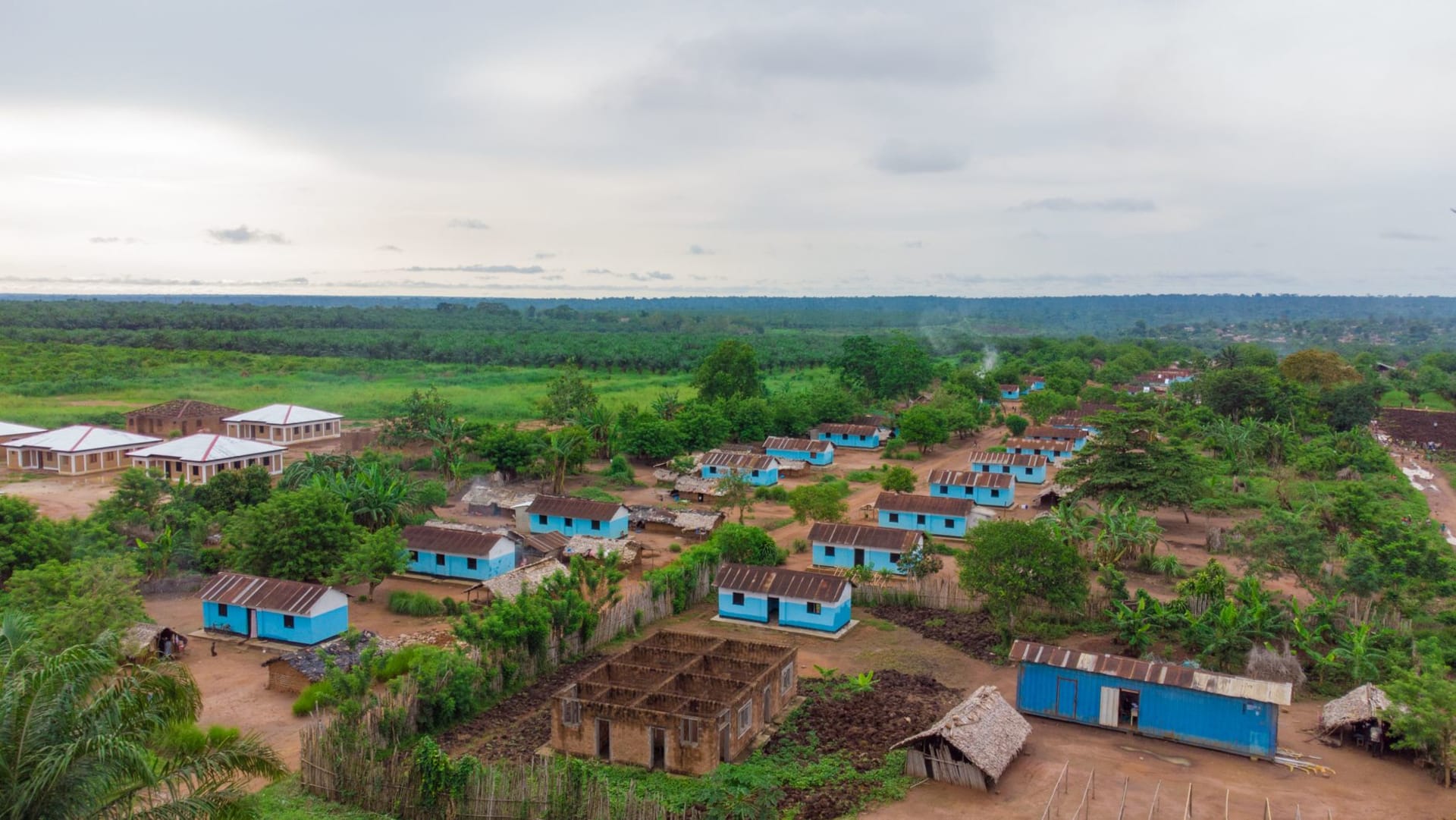
A market town in Togo's central highlands where the hills fold into each other and the weekly market draws farmers from three directions with yams the size of a child's arm.

The Town Between North and South
Atakpamé occupies the middle of Togo in a way that is both geographic and cultural. It’s 160 kilometers north of Lomé, well into the highland plateau that forms the country’s spine, and it sits at the point where the forest-influenced south begins giving way to the drier, more open country of the center. The hills around the town are rounded and green and tumble in every direction without apparent system.
I came here without a specific itinerary, which is sometimes the best condition for a place like this. Atakpamé is not structured for visitors. It has one guesthouse that I would describe as basic with warmth and a central market that operates at full intensity on Mondays and Fridays and at lower intensity every other day of the week.
The Market and the Yam Economy
Monday market in Atakpamé is a West African agricultural market in its most undiluted form. Farmers arrive before dawn from the surrounding hills, some walking several kilometers with loads on their heads, and by seven in the morning the market grounds are full. The yam section alone covers an area the size of a city block: tubers from half a meter to nearly a full meter long, piled in careful rows, with sellers arranged behind them in decreasing age order, from grandmothers in the center to teenage boys on the periphery.
Togo is one of the world’s major yam producers, and Atakpamé is a significant collection point for the highlands harvest. The economics are serious — I watched what appeared to be negotiation between a buyer with a large truck and several sellers that involved gestures, phone calculators, three separate intermediaries, and eventually a handshake followed by immediate loading. This took forty-five minutes and I watched the whole thing because there was nothing else I’d rather have been doing.
The cooked food section is where I spent most of my own money: amiwo (a sauce of tomatoes and palm oil and fish served over corn paste), fresh groundnuts roasted in their shells, ginger juice sold in reused plastic bottles that tastes like someone has compressed an entire root into a single aggressive mouthful.
The Hills and the View from Atakpamé
The hills above town are accessible on foot in about forty minutes if you take the path that starts behind the Catholic mission. The path climbs steadily through farmland and then through a zone of secondary forest before reaching a broad bare summit with views north toward the Danyi plateau and south toward the coastal plains. On a clear morning after the rains — October is ideal for this — you can see a very long way.
I went up in the early morning and came down in time for market, which is the correct order of operations. A group of schoolchildren passed me going up as I was coming down, moving at a pace that made it clear they do this regularly, laughing at something among themselves, not particularly interested in a French person descending with sweaty hair.
The Nights are Quiet
Atakpamé after dark is much quieter than Lomé and quieter even than Kpalimé. There are a few bars with music on Friday nights and a string of tea stalls that stay open until ten or eleven selling attaya and small fried snacks. I sat at one with a man named Edouard who turned out to be a schoolteacher originally from Kara, which he described as “the best city in Togo after here.” He was cheerful about this obvious bias. We talked about football for an hour. He was right about most things.
When to go: October through January combines the end of the harvest season with the beginning of the dry. The market is at its fullest in October–November when the yam harvest is coming in. February and March are also pleasant; avoid April through June when the heat builds before the rains.
Keep exploring
More from Togo
 togo
togo Dapaong
Togo's northernmost city, where the Sahel finally arrives in full, the landscape opens into something vast and dry, and the Moba people build compounds of a geometric precision that stops you mid-step.
Explore togo
togo Fazao-Malfakassa
Togo's largest national park, a swath of mountain forest and savannah where the road dead-ends and the silence has genuine weight to it.
Explore togo
togo Kara
Togo's second city and northern gateway, where Kabiyé wrestling traditions survive alongside a market that smells of dried fish and harmattan dust.
Explore togo
togo Koutammakou
A UNESCO-listed landscape in Togo's far northeast where the Batammariba people have built multi-story mud-tower fortresses for centuries, and still live in them.
Explore togo
togo Kpalimé
A cool highland town ringed by waterfalls and coffee plantations, where butterflies outnumber tourists and the mist burns off the mountains by mid-morning.
Explore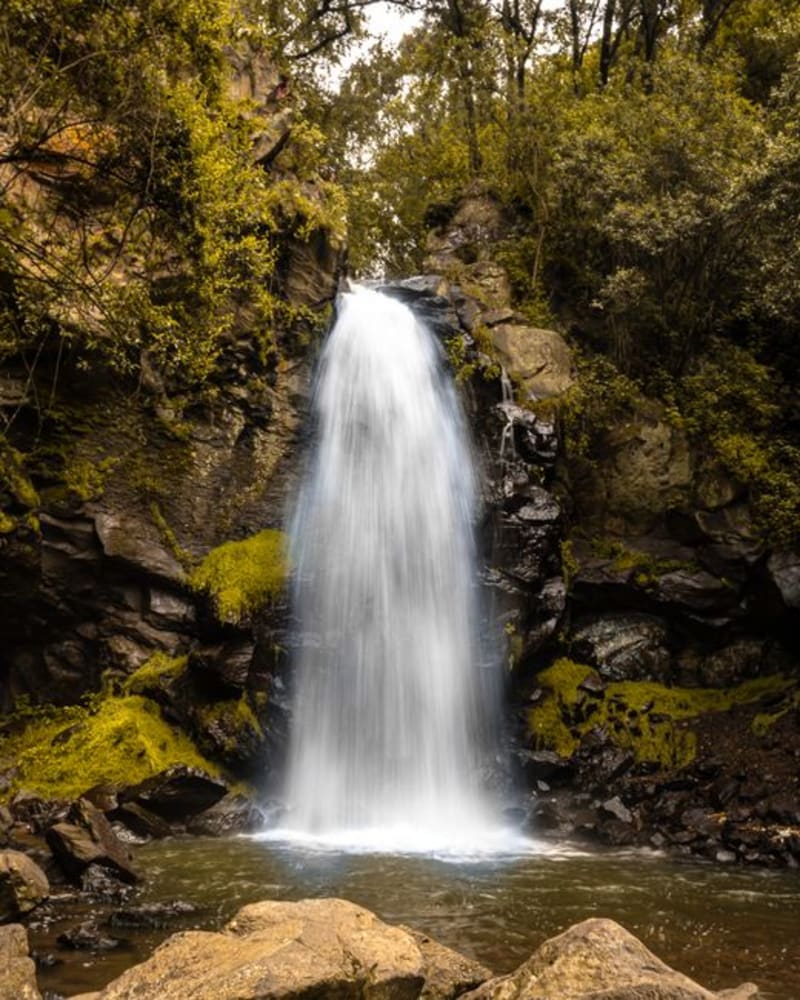 togo
togo Cascade de Kpimé (Kpimé Falls)
A three-tiered waterfall crashing down a forested cliff near Kpalimé, best seen swollen with rainy-season water and reached by a steep two-hour climb.
Explore