Africa
Togo
"The West African country where I was almost always the only foreigner in the room."
A narrow sliver of West Africa where Ewe cloth markets, sacred voodoo forests, and the waterfalls of the Kpalimé plateau sit entirely off the tourist circuit.

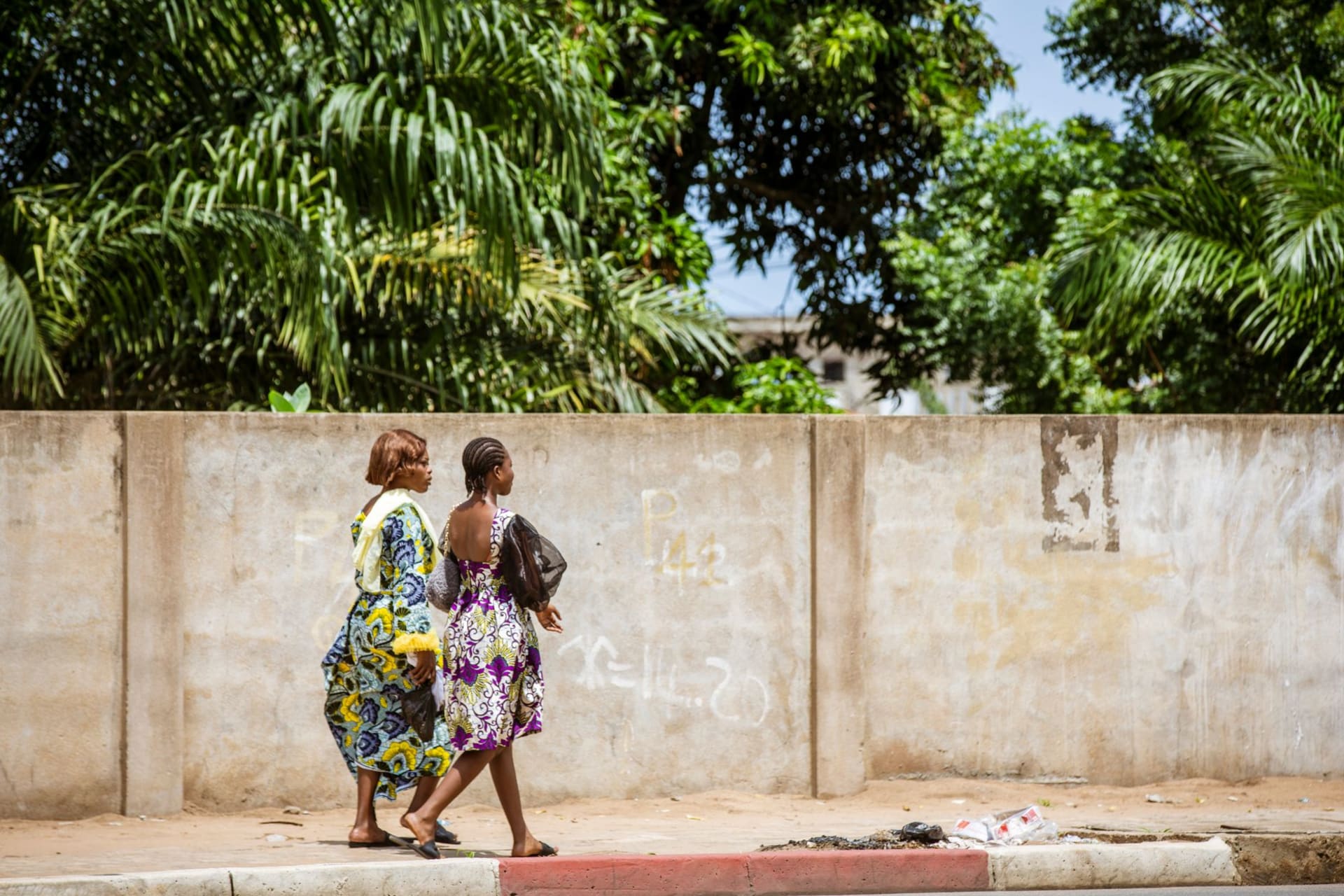
I landed in Lomé at dusk, and the first thing that struck me was the sea. The airport sits practically on the beach — you walk out of arrivals and there is the Gulf of Guinea, orange light on the water, fishing pirogues coming in. Within twenty minutes I was sitting at a plastic table on the Boulevard de la Marina eating grilled tilapia with piment sauce, watching motorcycle taxis swerve through the evening rush, and thinking: nobody I know has been here. That feeling persisted for the entire trip.
Togo is roughly the size of West Virginia and shaped like a thin finger pointing inland from the Atlantic. Most of the country is barely a hundred kilometers wide. This narrowness means you can move fast — from the lagoon coast to the sacred forest of Koutammakou in the north, where the Batammariba people still build their famous tata fortresses from mud and wood, in a single long day. I spent two days in Kpalimé, the mountain town in the southwest that nobody mentions when they list West African destinations worth visiting. The falls at Akrépé are a forty-minute walk through cocoa plantations and bamboo groves, and I did the whole circuit without encountering another traveler. The plateau sits at enough altitude that nights are genuinely cool, which after Lomé’s coastal humidity feels like a gift.
The food in Togo runs on a logic I could not fully decode but deeply respected. Fufu pounded in wooden mortars and served with a groundnut soup that carries real heat. Akpan, a fermented corn paste you eat for breakfast with honey or condensed milk. The marché d’Adawlato in Lomé is where the voodoo fetish market bleeds into the fabric stalls — dried chameleons and leopard skulls arranged next to bolts of Dutch wax prints in the same breath. It is not curated for tourists because there are essentially no tourists. You are simply inside the city’s actual commerce.
When to go: November to February is the dry season and the most comfortable window — humidity drops, the harmattan wind brings haze but also cooler temperatures. March to May gets hot and wet. Avoid June through August if you dislike persistent rain, though the green of the Kpalimé plateau in rainy season is genuinely beautiful.
What most guides get wrong: They skip Togo entirely in favor of Ghana or Senegal, which means most coverage is either nonexistent or hopelessly outdated. The other mistake is treating Lomé as a stopover. The city deserves at least two full days — the Marché des Féticheurs, the old German colonial quarter, the long stretch of beach bars that come alive after dark. Togo is one of the few places in West Africa where French is actually useful on the street, which matters more than it sounds when you are trying to negotiate a bush taxi to Atakpamé.
Explore
Places in Togo
 togo
togo Aného
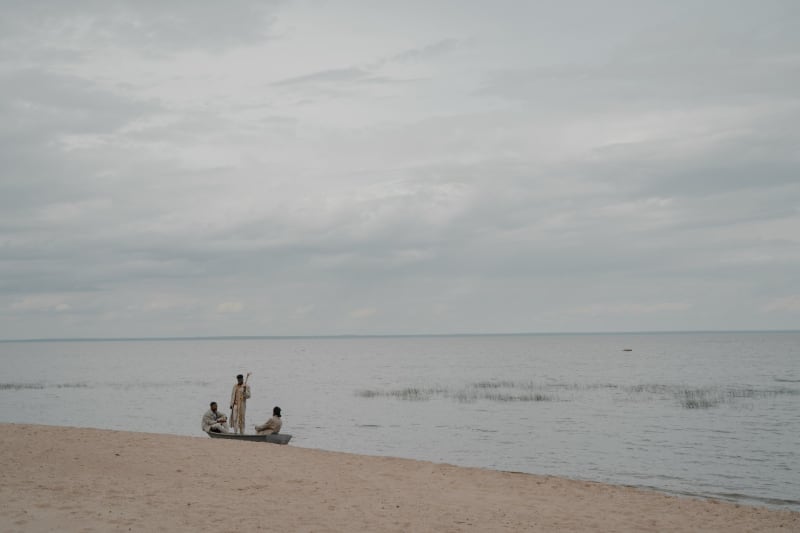
A faded former colonial capital on Togo's eastern coast, caught between a tranquil lagoon and the surf of the Gulf of Guinea.
Explore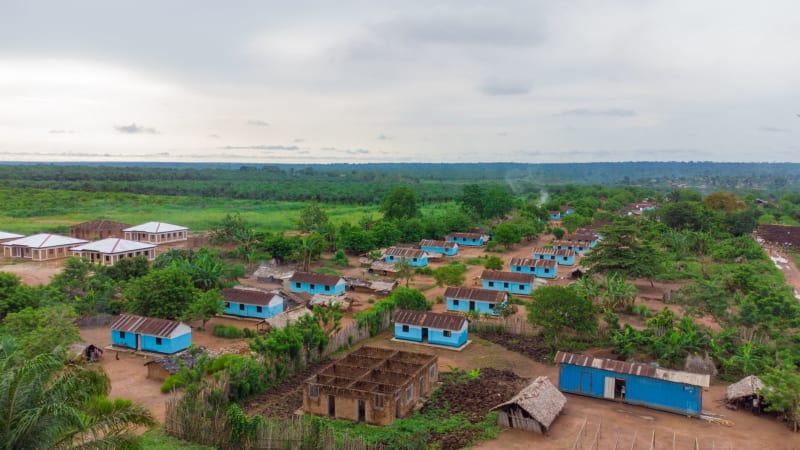 togo
togo Atakpamé
A market town in Togo's central highlands where the hills fold into each other and the weekly market draws farmers from three directions with yams the size of a child's arm.
Explore togo
togo Dapaong
Togo's northernmost city, where the Sahel finally arrives in full, the landscape opens into something vast and dry, and the Moba people build compounds of a geometric precision that stops you mid-step.
Explore togo
togo Fazao-Malfakassa
Togo's largest national park, a swath of mountain forest and savannah where the road dead-ends and the silence has genuine weight to it.
Explore togo
togo Kara
Togo's second city and northern gateway, where Kabiyé wrestling traditions survive alongside a market that smells of dried fish and harmattan dust.
Explore togo
togo Koutammakou
A UNESCO-listed landscape in Togo's far northeast where the Batammariba people have built multi-story mud-tower fortresses for centuries, and still live in them.
Explore togo
togo Kpalimé
A cool highland town ringed by waterfalls and coffee plantations, where butterflies outnumber tourists and the mist burns off the mountains by mid-morning.
Explore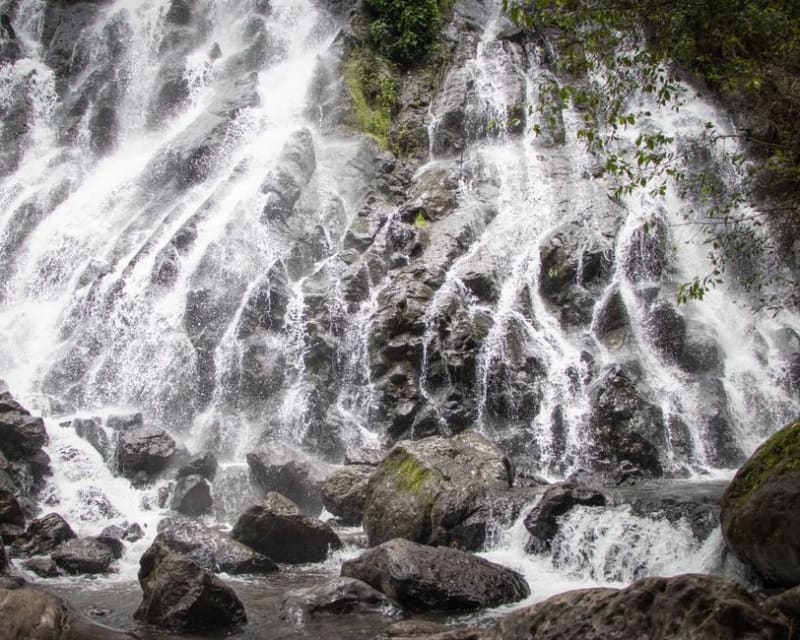 togo
togo Cascade de Kpimé (Kpimé Falls)
A three-tiered waterfall crashing down a forested cliff near Kpalimé, best seen swollen with rainy-season water and reached by a steep two-hour climb.
Explore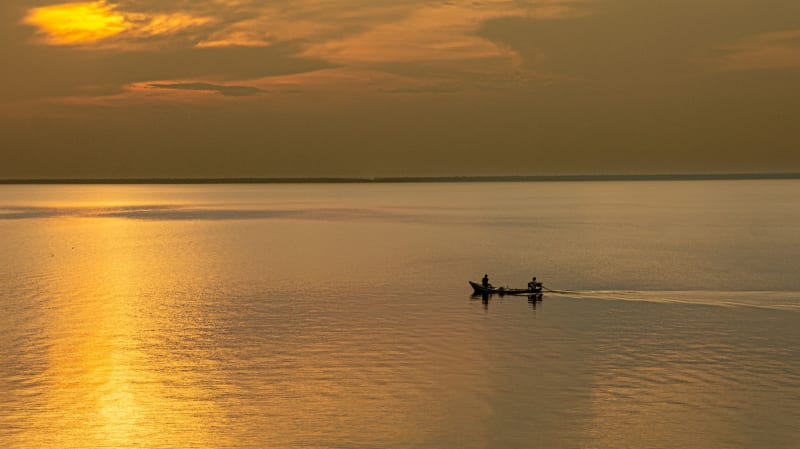 togo
togo Lake Togo
A shallow coastal lagoon where fishing pirogues move through morning mist, stilted villages rise from brackish water, and the pace of life is set entirely by the tides.
Explore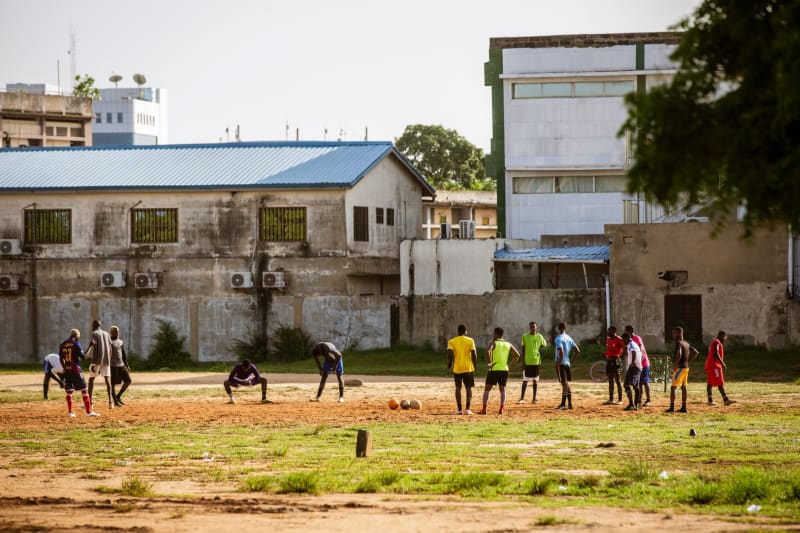 togo
togo Lomé
A coastal capital where voodoo shrines share sidewalks with French brasseries and the Atlantic hammers the shore just meters from the presidential palace.
Explore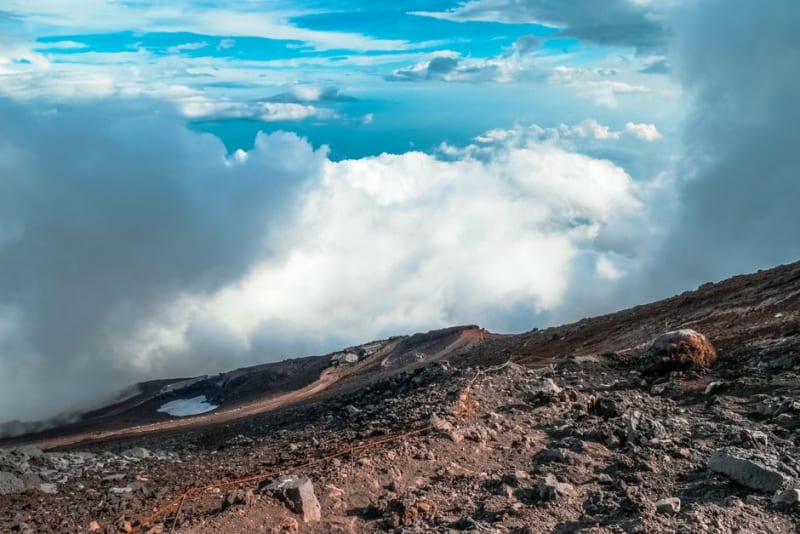 togo
togo Mount Agou
Togo's highest peak rises above Kpalimé's coffee slopes, a 986-meter climb rewarding hikers with views into Ghana.
Explore togo
togo Sokodé
Togo's largest northern city and Muslim center, where the Adossa fire festival burns every year and the smell of grilled brochettes follows you through every quarter.
Explore togo
togo Togoville
A quiet lakeside village where Togo got its name, where the Pope once came ashore in a pirogue, and where voodoo and Catholicism coexist without apparent discomfort.
Explore