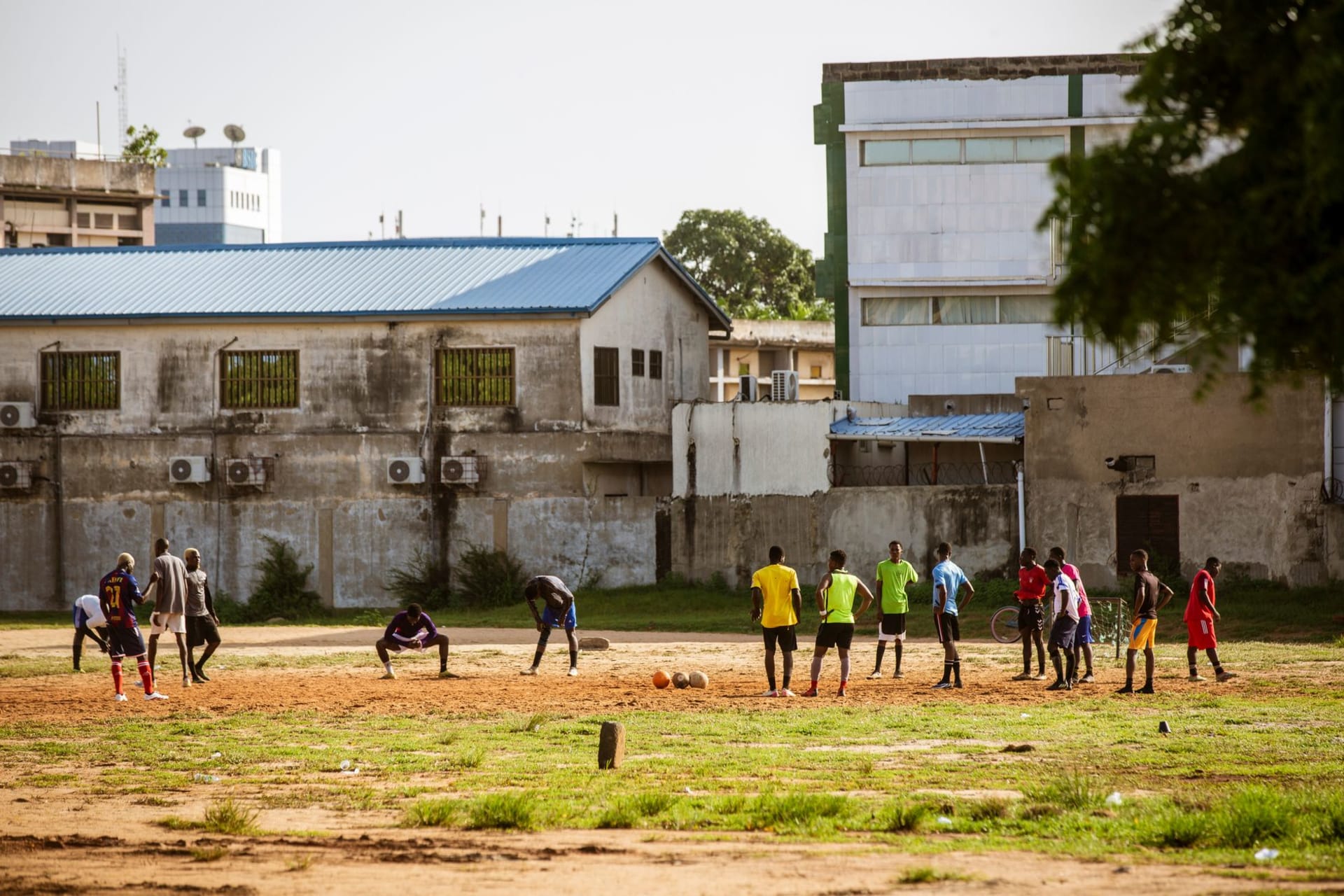
Lomé
"The voodoo fetish market smells of dried herbs and something older than any religion I grew up with."
A coastal capital where voodoo shrines share sidewalks with French brasseries and the Atlantic hammers the shore just meters from the presidential palace.

The City That Starts at the Sea
Lomé begins at the ocean and barely retreats from it. The Boulevard du Mono runs hard against the Atlantic, and the road is close enough to the water that during heavy swells in July, spray crosses the asphalt. I arrived at dusk, when the sky over the Gulf of Guinea goes through a dozen shades of orange in about fifteen minutes, and fishermen were pulling dugouts up the dark sand while motos wove through the traffic behind them. There is no gradual approach here. The city is immediate and dense and entirely itself.
The capital of Togo is also the only capital in West Africa that sits on an international border — walk ten minutes west along the beach and you’re in Ghana, no fanfare, just a painted line on the sand and a different set of customs agents who seem equally unbothered. I crossed twice just to feel the strangeness of it.
Akodésséwa and the Weight of Belief
The fetish market at Akodésséwa is the largest in West Africa and one of the most genuinely arresting places I have spent an afternoon. Stalls run for several hundred meters, selling dried animal parts — monkey skulls, chameleon skins, crocodile heads, porcupine quills, bird talons — arranged with a merchant’s precision that somehow makes the whole thing more unsettling, not less. These are ingredients for voodoo ceremonies, and the market is not a tourist attraction so much as a functioning supply chain for spiritual practice.
A fetish priest named Kofi explained to me, through a French-speaking guide, that the power is not in the object itself but in what the bokonon — the priest — calls into it. I bought nothing. I am not sure I was supposed to. But I stood there for a long time watching people arrive with specific requests and leave with small wrapped packets, and felt the particular humility of being in a place where a very old system of meaning is operating at full strength.
The Grand Marché and the Art of Negotiation
The Grand Marché is organized in a way that makes sense only after you’ve been lost in it for an hour. Fabric on the ground floor, food on the second, electronics and hardware somewhere in between. The mamans — the women traders who have controlled Togolese commerce for generations — are patient and firm in equal measure. My French helps more here than anywhere else in the country; Lomé is the most francophone city in Togo, and a decent accent buys goodwill.
I spent too much on wax-print fabric and not enough on the street food outside: grilled plantains slicked with palm oil, akpan (fermented corn paste) sold in neat plastic bags, fresh coconut water opened with a single machete stroke. The light in the covered market is dim and golden, filtered through the fabric itself, everything slightly tinted.
Evenings Near the Port
Lomé at night concentrates around the port district and the maquis — open-air bars where grilled fish arrives whole on a plate with piment sauce and cold Béninoise beer. The city is livelier than I expected for a capital this size. Music leaks from every doorway: Togolese afropop, Congolese rumba, occasional French rap. Lia and I sat at a plastic table until midnight while a generator hummed and a ceiling fan redistributed the warm air above us. It felt entirely ordinary and completely foreign at once, which is the precise combination I travel for.
When to go: November through February, during the dry harmattan season. The skies are clear, temperatures bearable (mid-20s Celsius), and the city’s festivals — particularly the Voodoo Festival in January — draw extraordinary crowds. Avoid June–September when humidity is punishing and roads outside the city can flood.
Keep exploring
More from Togo
 togo
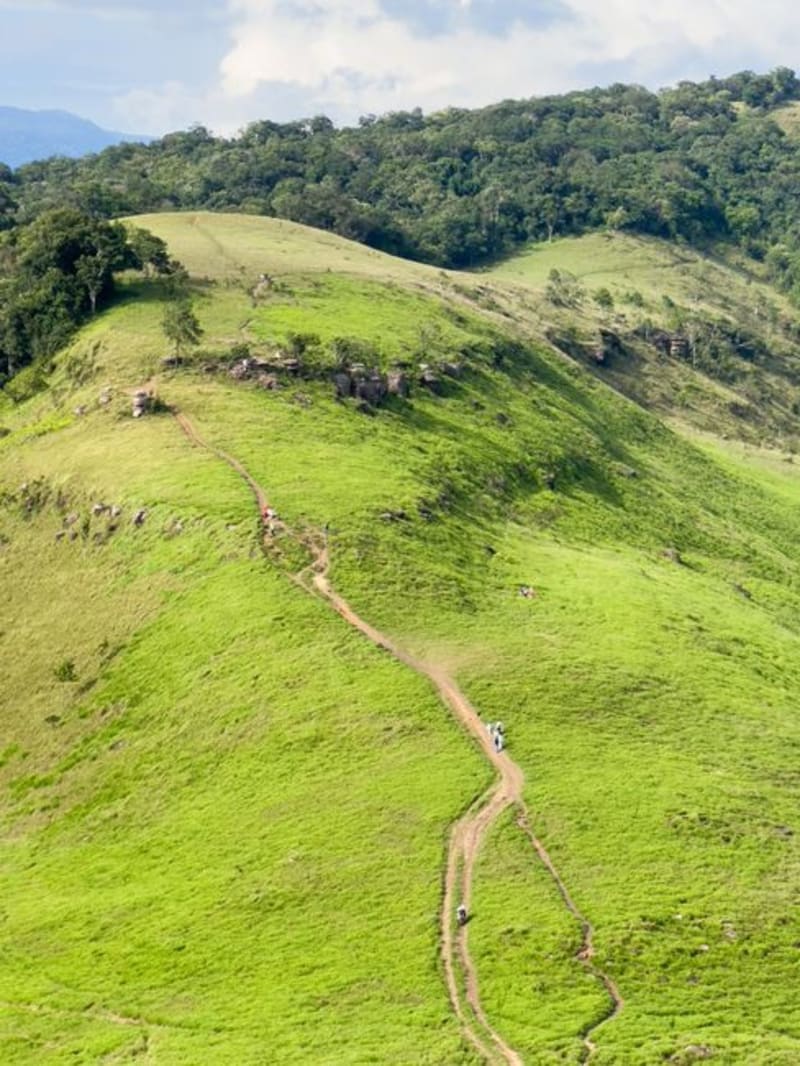
togo Mount Agou
Togo's highest peak rises above Kpalimé's coffee slopes, a 986-meter climb rewarding hikers with views into Ghana.
Explore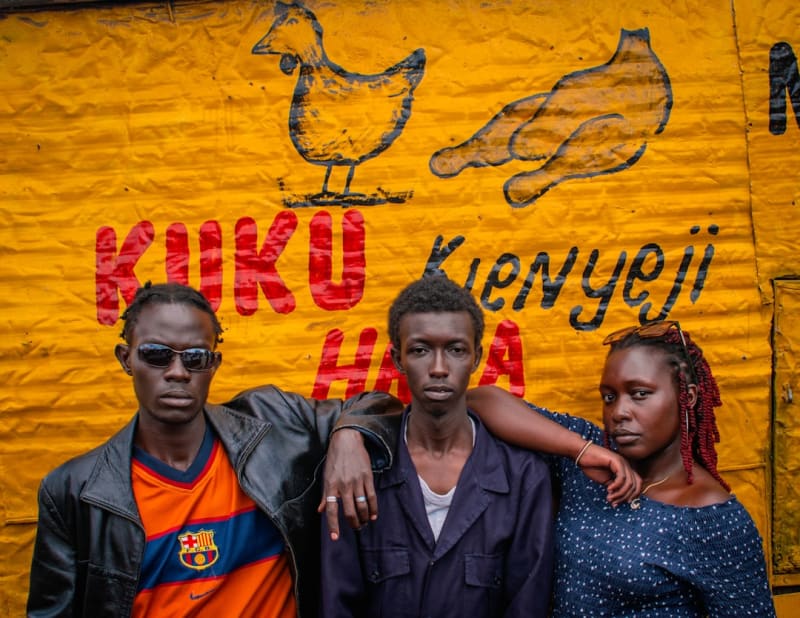 togo
togo Sokodé
Togo's largest northern city and Muslim center, where the Adossa fire festival burns every year and the smell of grilled brochettes follows you through every quarter.
Explore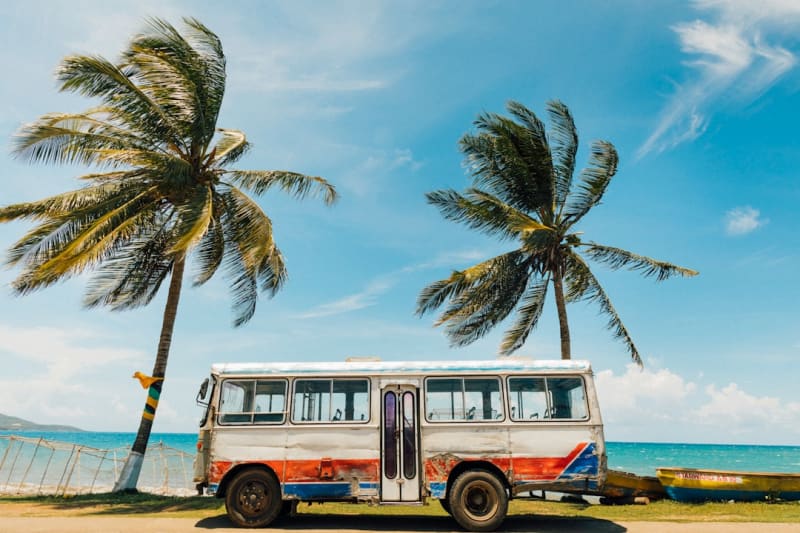 togo
togo Togoville
A quiet lakeside village where Togo got its name, where the Pope once came ashore in a pirogue, and where voodoo and Catholicism coexist without apparent discomfort.
Explore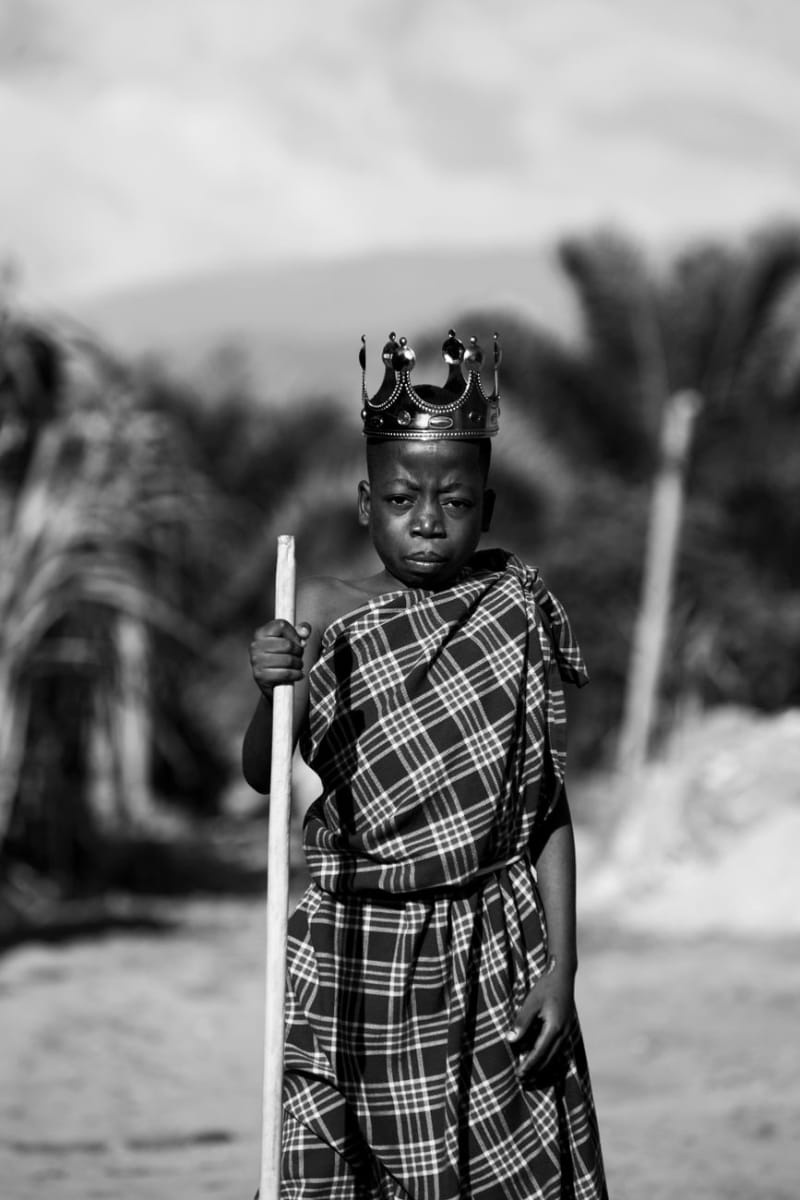 togo
togo Aného
A faded former colonial capital on Togo's eastern coast, caught between a tranquil lagoon and the surf of the Gulf of Guinea.
Explore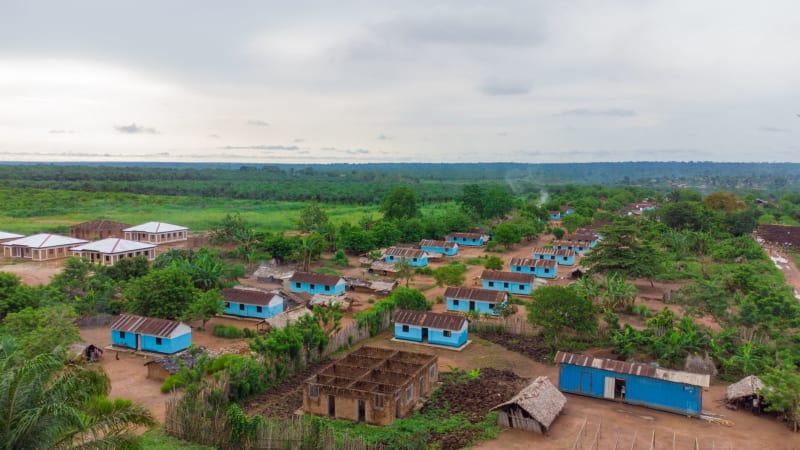 togo
togo Atakpamé
A market town in Togo's central highlands where the hills fold into each other and the weekly market draws farmers from three directions with yams the size of a child's arm.
Explore togo
togo Dapaong
Togo's northernmost city, where the Sahel finally arrives in full, the landscape opens into something vast and dry, and the Moba people build compounds of a geometric precision that stops you mid-step.
Explore