
Oecusse
"I had to cross a foreign border to reach a town that was still, technically, home."
A coastal exclave cut off from the rest of Timor-Leste by Indonesian West Timor, reachable only by ferry, small plane, or a border crossing through someone else's country.

Getting to Oecusse is a small act of geography-nerd delight before you’ve even arrived. It’s part of Timor-Leste, administratively and emotionally, but a strip of Indonesian West Timor sits physically between it and Dili, so unless you fly in on the little twin-prop from the capital, you’re crossing an international border twice just to stay inside the same country. I took the overnight ferry from Dili, which sounds romantic and is actually eleven hours of diesel fumes and a deck packed with families sleeping on woven mats, but watching the exclave’s coastline appear at dawn, backed by dry hills, made the whole crossing worth it.
The town itself, Pante Macassar, has a slower, more provincial feel than Dili - wide colonial-era streets left over from the Portuguese, who actually used Oecusse as their original toehold in Timor centuries before the rest of the island came under their control. There’s a semi-abandoned old fort near the waterfront and a cathedral with peeling ochre paint that I found more moving than most of the polished churches I’ve seen in Mexico, precisely because nobody’s restored it into a postcard. Lia and I sat on the seawall one evening watching kids play football on the sand as the tide came in around their ankles, and a fisherman mending nets a few meters away asked, in decent Portuguese, whether we’d come by boat or plane, like it was a completely normal thing to be asked.

What struck me most was Oecusse’s odd in-between status - it’s been designated a special economic zone, and there’s a strange half-built quality to parts of it, new government buildings and empty roads sitting next to villages that feel completely untouched by any of that investment. We drove out to the hills above town, past corn fields and grazing water buffalo, to a lookout where you can see clear across the strait toward the rest of the country you technically never left. It’s a strange, quiet kind of pride living out there, I think, being the forgotten limb of a young nation.

We only had two nights, which wasn’t nearly enough - the coastline west of town has beaches nobody talks about, and there’s supposedly good snorkeling near Citrana that we never got to. I left thinking about how strange it is that a place can feel simultaneously like an afterthought and like the most historically important patch of ground in the whole country.
When to go: Dry season, May to October, is easiest for the ferry crossing and for exploring the coast road without the mud that turns up in the wet months.
Keep exploring
More from Timor-Leste
 timor-leste
Same
A market town on the island's drier southern coast where the landscape turns savanna and the light becomes something harsher and more honest.
Explore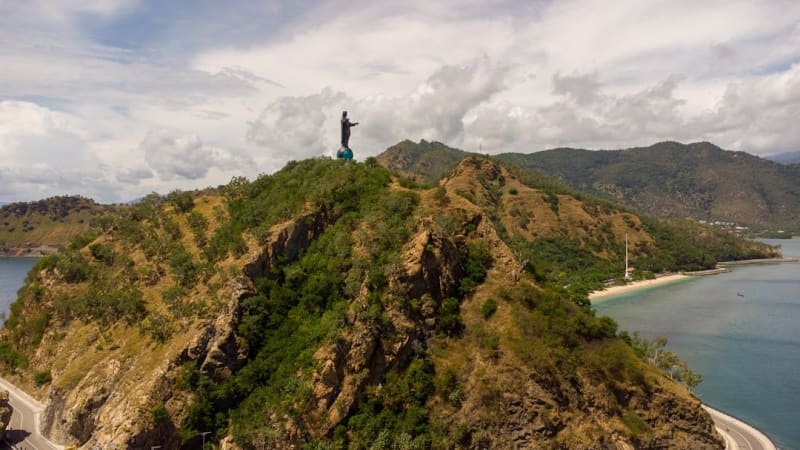 timor-leste
Tutuala
The eastern tip of the island — a village perched above a sacred bay, a sandbar island visible across turquoise shallows, and the feeling of having arrived at the edge of something.
Explore timor-leste
Viqueque
An eastern lowland town ringed by flooded rice paddies and water buffalo, a quiet gateway to Timor-Leste's least-visited south coast.
Explore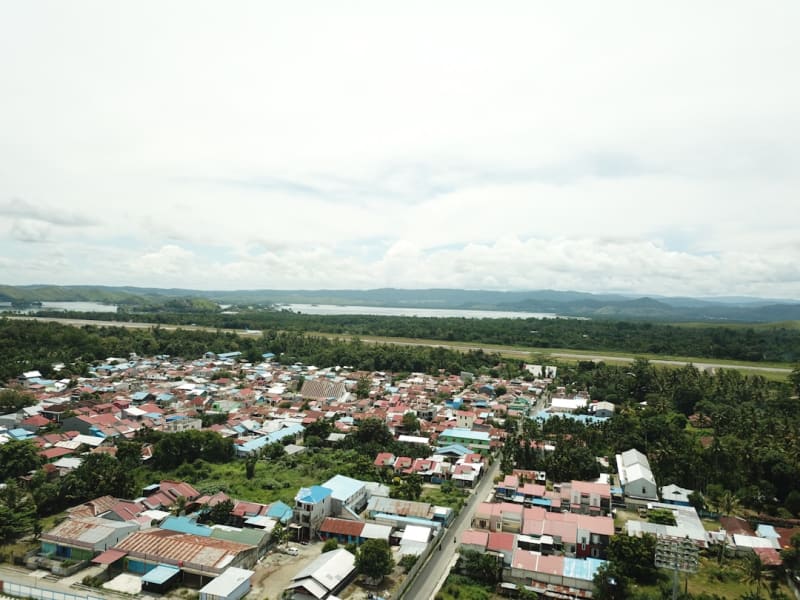 timor-leste
Ainaro
A highland district in the shadow of Tatamailau, the island's highest peak, where the morning mist doesn't lift until nearly noon and the coffee tastes of altitude.
Explore timor-leste
Atauro Island
A volcanic sliver in the Banda Sea where marine biologists run out of superlatives and the reefs are so dense with fish they seem to breathe.
Explore timor-leste
Balibo
A hillside border town where five foreign journalists were killed in 1975, now a solemn memorial site with sweeping views toward Indonesian West Timor.
Explore