
Guanziling
"The water at Guanziling looks like it shouldn't be good for you. It's apparently one of only three places on the planet where it is."
One of only three mud hot spring towns on Earth, tucked into the Tainan hills, where the water comes out the color of coffee and just as opaque.

I’d read, somewhat skeptically, that Guanziling’s hot springs were one of just three mud hot spring sites in the world — the others being in Italy and Japan — and figured it was the kind of claim tourism boards make up. Then I got into the water, which came out of the tap the color of weak coffee and completely opaque, and decided the claim was probably at least defensible.
Into the Mud
Guanziling sits in the hills northeast of Tainan proper, a modest cluster of hot spring hotels and bathhouses built around a natural spring that mixes with local clay and mudstone on its way to the surface. The water is genuinely gray-brown, silky rather than gritty, and slightly sulfurous in a way that’s more mineral than unpleasant. We soaked in a public bathhouse pool with a handful of older locals who visit weekly, apparently for the arthritis benefits, and one woman told Lia through a mix of English and gestures that she’d been coming every week for eleven years.
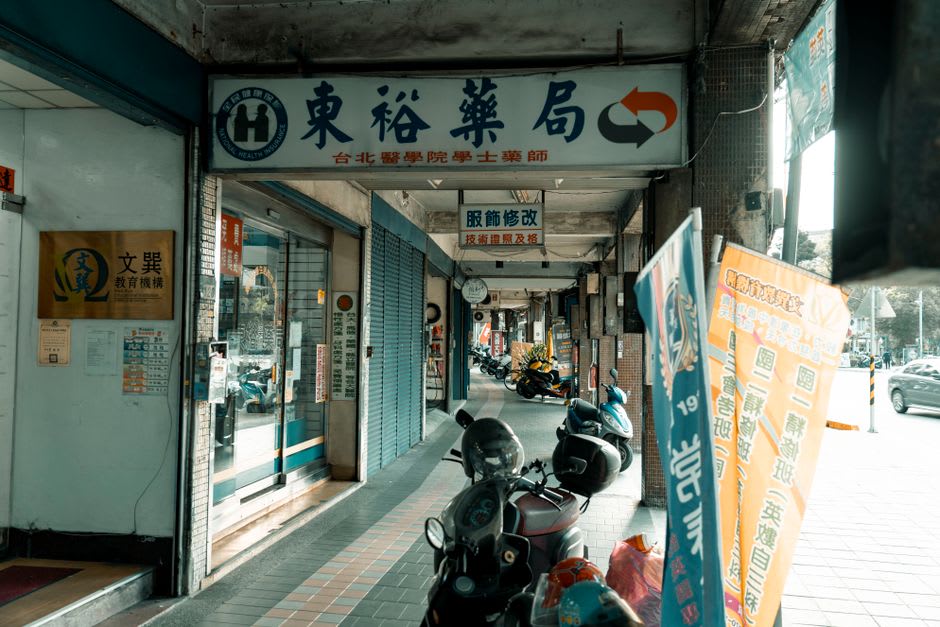
The Water of the Fire Cave
A short drive up into the hills brought us to the Temple of the Water and Fire Cave, where a natural gas seep burns continuously behind a thin curtain of spring water, flame and water occupying the same few square meters in a way that looks, frankly, like it shouldn’t be physically possible. Locals consider it a sacred coincidence and have built a small temple to Guanyin directly in front of it. We stood there for a long while just watching the fire flicker through the water sheet, unable to fully process what we were looking at.
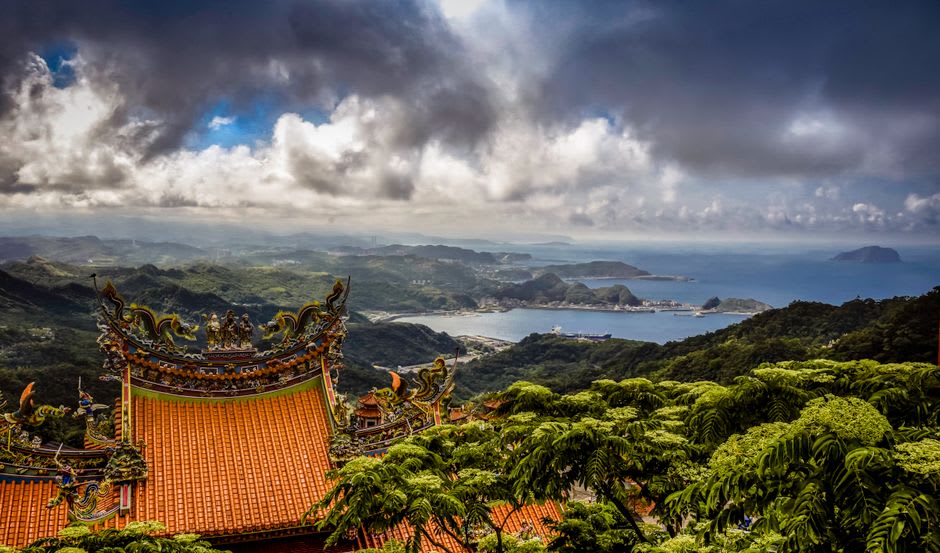
The town itself moves at the pace of a place built for recovery rather than sightseeing — quiet streets, unhurried hotel staff, restaurants serving mountain vegetables and free-range chicken hot pot. We stayed one night longer than planned simply because leaving felt like an unnecessary decision.
When to go: Winter months (December through February) for the fullest hot spring experience, when the contrast between the cold mountain air and the mud-warm water is at its best. The Water and Fire Cave is worth visiting any time of year.
Keep exploring
More from Taiwan
 taiwan
Hehuanshan
One of Taiwan's highest road-accessible peaks, where alpine tundra, winter frost, and a night sky unlike anywhere else on the island collide.
Explore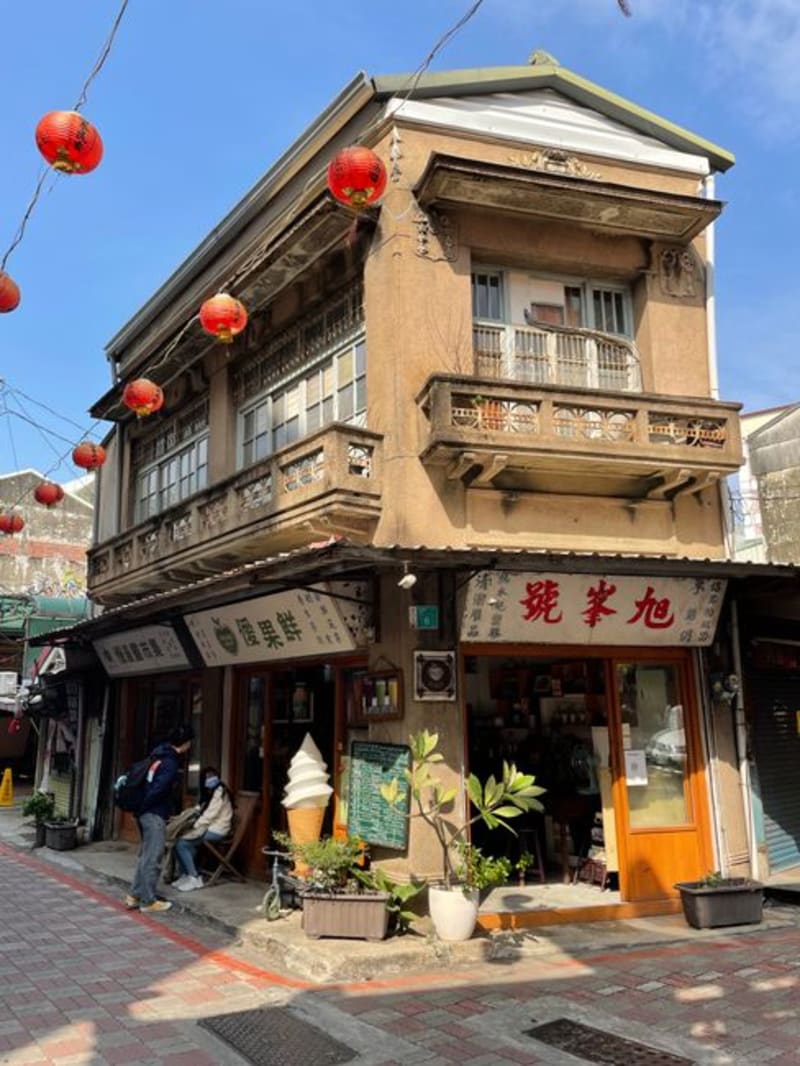 taiwan
Hengchun Old Town
A walled Qing-era town at the gateway to the Hengchun Peninsula, its four original gates still standing between betel nut stands and scooter traffic.
Explore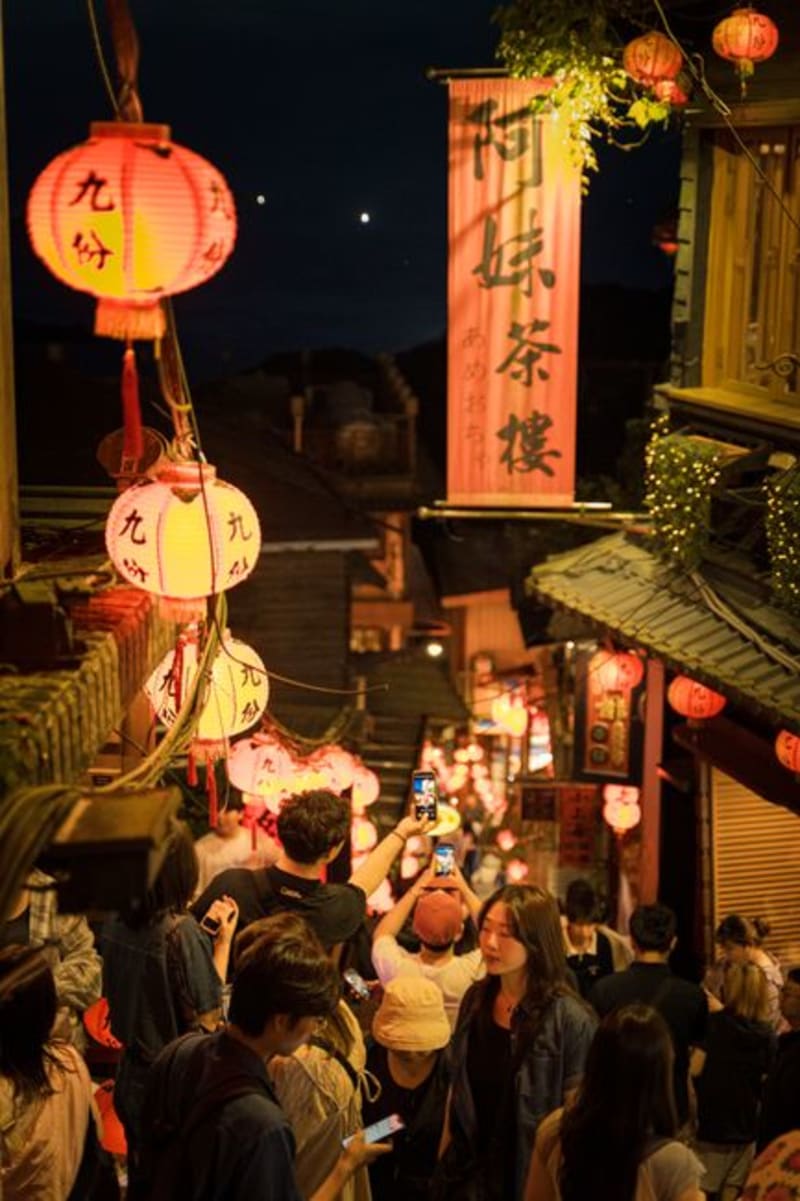 taiwan
Houtong
A former coal-mining village on the Pingxi rail line that reinvented itself as a cat sanctuary, where felines outnumber residents and roam freely over old mining tracks.
Explore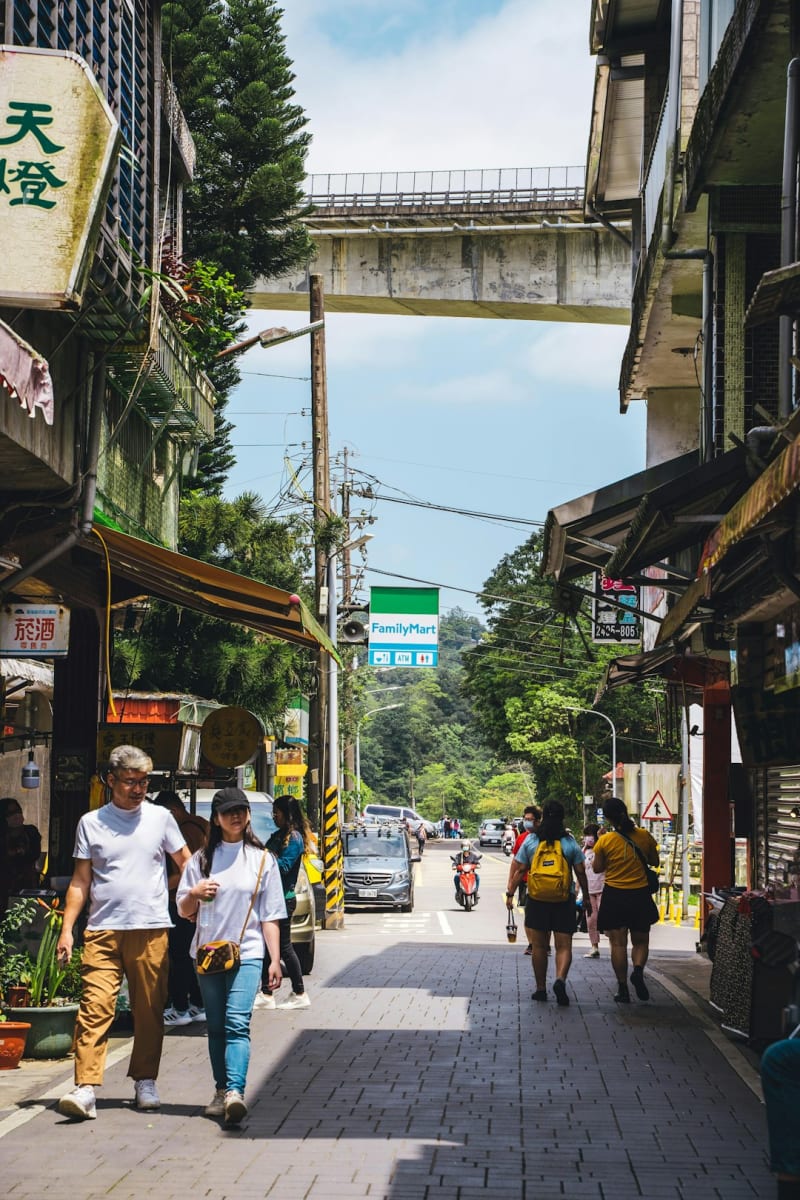 taiwan
Hsinchu
Taiwan's Silicon Valley by day and a walled Qing-dynasty city by night, split evenly between chip fabs and centuries-old temple lanes.
Explore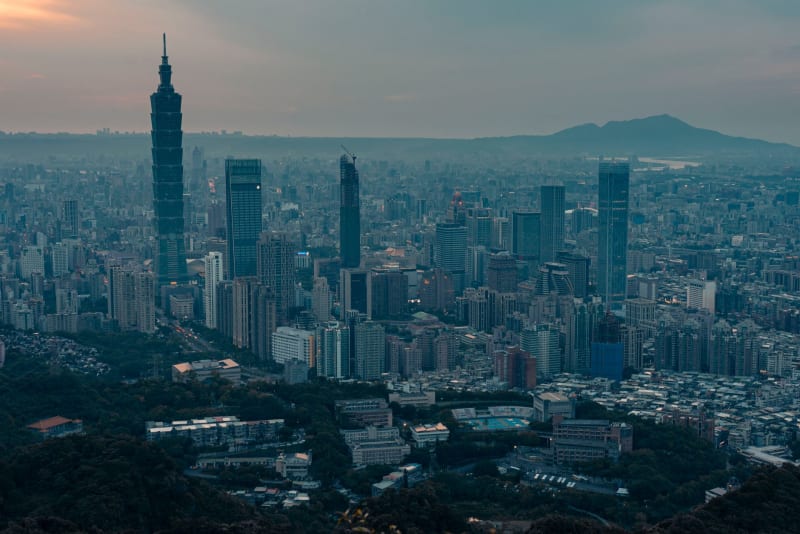 taiwan
Hualien
A Pacific-coast city where marble dust drifts through the market air and the mountains fall straight into the ocean just north of town.
Explore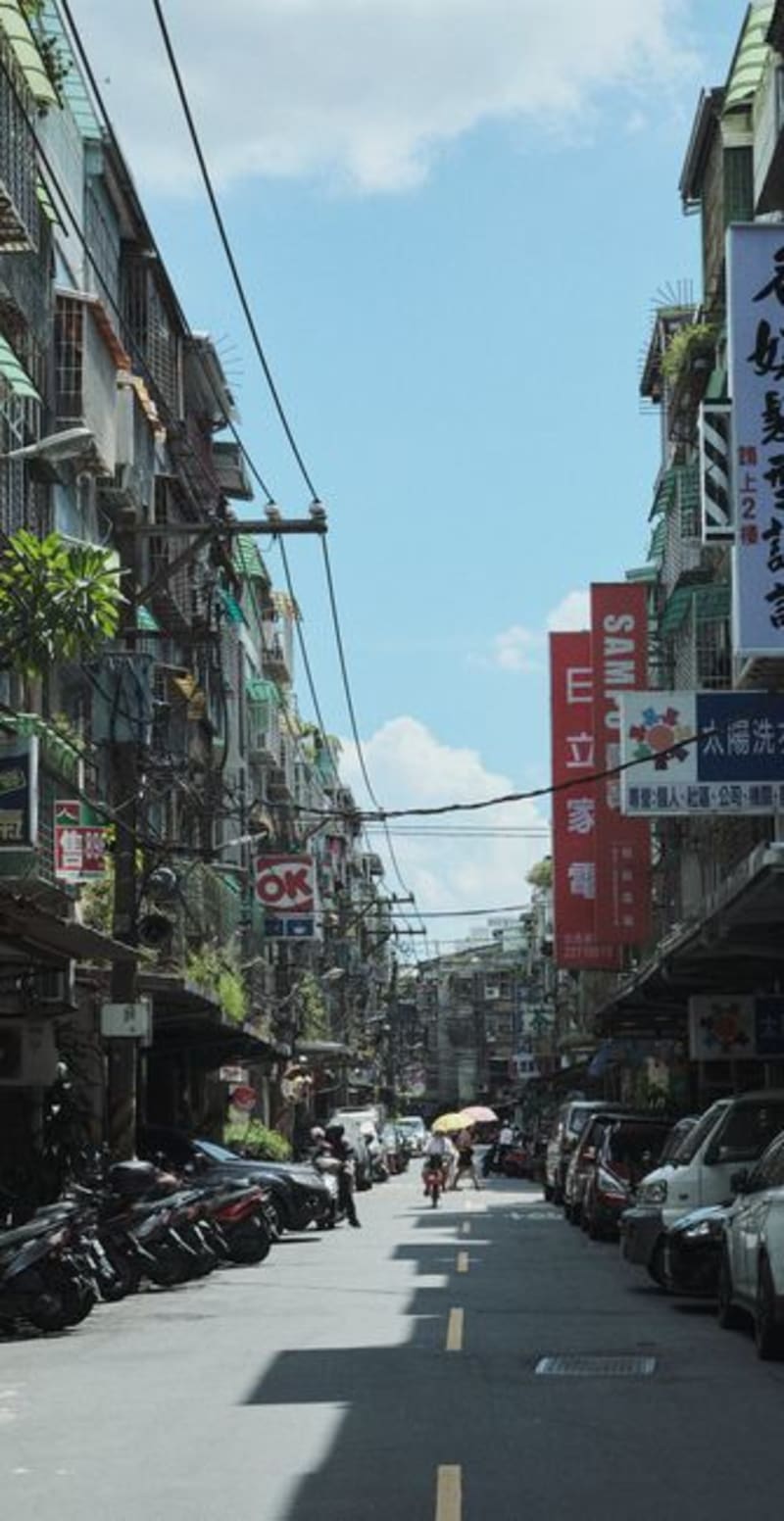 taiwan
Jialeshui
A wind-carved rock coastline and Taiwan's most consistent surf break, tucked on the Pacific side of the Hengchun Peninsula.
Explore