
Asia
Taiwan
"Taiwan blindsided me, and I am still not over it."
A small island that fits an entire continent's worth of landscapes, temples, night markets, and hospitality into a space most people overlook on the map.

I landed in Taipei at midnight after a long connection through Seoul, half-expecting somewhere in between — between the relentless modernism of Japan and the loud sprawl of mainland China. Instead I stepped out of the metro into Zhongshan District and smelled something frying on a nearby street corner, followed it around a corner, and found myself holding a paper cup of stinky tofu at 12:30 in the morning while a grandmother behind a stall counted change without looking up. Taiwan established its terms immediately: this place does not perform for visitors. It just lives, and if you want in, you keep up.

Taipei
Taipei is a city of roughly seven million, counting its neighbor New Taipei, wedged between volcanic peaks, and it rewards the visitor who stays more than a layover. Taipei works because everything is close: a world-class museum, a hot-spring hillside, a night market and a hundred-year-old tea street are all a short metro ride apart. The National Palace Museum holds one of the great collections of Chinese imperial art, a hoard that crossed the strait in the 1940s. Dadaocheng is the old trading quarter, with brick shopfronts selling tea, dried fruit and Hokkien-era herbal goods, and Ximending is the youth district, loud with neon and street food. Danshui at the end of the red metro line is for sunset on the river, and the Taipei 101 tower, which held the record as the world’s tallest building for years, stands over all of it.

Yangmingshan is the national park on the volcano just north of town, with sulphur vents, flower fields and steaming hot springs, and Zhinan Temple up in the tea hills of Maokong is a Taoist complex reached by gondola.
The Gorge and the East Coast
What no one warned me about was how physically dramatic the island is. Within two hours of the capital you can be deep inside Taroko Gorge — a cathedral of marble cliffs that the Liwu River has been carving for millennia. The light there does something strange in the late afternoon, bouncing off grey-white stone and turning the water a color I can only describe as aggressive turquoise. I walked the Zhuilu Old Trail on a day that started in rain and ended in something close to reverence. The temple at Changchun Shrine, tucked into the cliff face where a waterfall runs behind it, is the kind of place that makes every other “spiritual experience” you have had feel like a warm-up.

Hualien is the base for the gorge, and further south, the east coast highway between Hualien and Taitung is one of those drives where you have to actively remind yourself to watch the road because the Pacific and the mountains keep competing for your attention. Offshore, Green Island has a saltwater hot spring beside the sea and reefs for snorkeling, and Orchid Island is home to the Tao people, whose painted boats and flying-fish festival give it a culture entirely its own.
Mountains, Lakes and Lanterns
The center of the island is a spine of high peaks. Sun Moon Lake is the one lake everyone visits, ringed by hills and temples, and it is best on a weekday morning when the mist is still on the water. Up the mountain road, Alishan is famous for its narrow-gauge forest railway, its giant old cypress trees and the sunrise over a sea of clouds. Cingjing and Hehuanshan are higher still, with sheep pastures, alpine grass and, in a cold winter, a rare dusting of snow.

North of the capital, the old mining villages of the northeast coast are the place for Taiwan’s best-known image. At Shifen, visitors write wishes on paper lanterns and release them from the railway tracks, and the waterfall nearby is the widest on the island. Jinguashi was a gold-mining town and now has a museum and a mountainside of ruined Japanese-era buildings, and Yehliu is a promontory of rock formations carved by the sea into mushrooms and a famous “queen’s head”.

Cities of the West and South
Taichung is the middle city, with an excellent opera house and a lively food scene, and Lukang is an old port town of temples and narrow alleys that feels like a window onto the Taiwan of a century ago. In the south, Kaohsiung is a harbor city that has turned its old warehouses into art spaces. The Lotus Pond is its most colorful corner, with pagodas and temples on the water, and Fo Guang Shan is a vast Buddhist monastery with a hillside of Buddha statues. Meinong is a Hakka town of paper umbrellas and rice paddies, and Kenting, on the southern tip, has beaches and a surf scene.
The islands are their own world. Penghu is an archipelago of basalt columns and windswept beaches, and Kinmen Old Town and Matsu sit within sight of the Chinese coast, a part of the country where military tunnels have been turned into museums and, in the right season, the sea glows blue at night with bioluminescent algae.

The Food
The food deserves its own paragraph, and then another. Taiwanese breakfast culture alone — those cramped canteens open at six in the morning, serving sesame flatbreads with egg, warm soy milk, and scallion pancakes — recalibrated my expectations for what a morning meal should be. The night markets are real, not tourist infrastructure; locals eat there every week. At Shilin in Taipei or Ruifeng in Kaohsiung, I ate oyster vermicelli, braised pork rice, and pineapple cake in the same hour and felt absolutely no regret.
When to go: October through December is ideal — the summer typhoon season has passed, temperatures drop to something reasonable (22–28°C in the north), and the eastern mountains take on low cloud that makes everything look cinematic. Spring (March–May) is also good, though humid. Avoid July and August unless you are genuinely unbothered by typhoon watches and near-tropical heat.
What most guides get wrong: Taiwan is consistently framed as a budget alternative to Japan — same efficiency, lower prices, easier to manage. That framing is patronizing and misses the point. Taiwan has its own specific character: louder, less formal, more politically loaded, and far more willing to engage with difficult history. The 228 Memorial Museum in Taipei is one of the most honest political museums I have ever visited anywhere in the world. Taiwan is not Japan-lite. It is Taiwan, which is a distinct and complicated thing, and it deserves to be encountered on those terms.
Photography: Pexels contributors.
Explore
Places in Taiwan
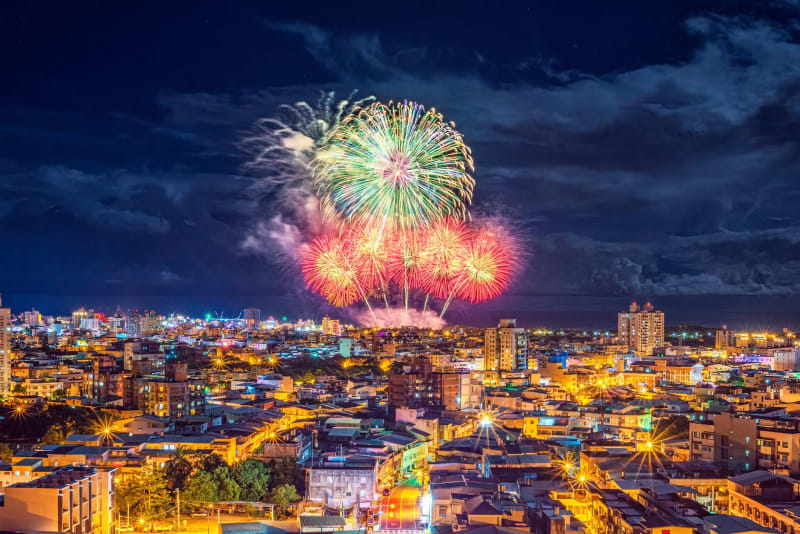 taiwan
Alishan
A mountain railway through ancient cypress groves where dawn turns the sea of clouds gold and the air smells of resin and cold rain.
Explore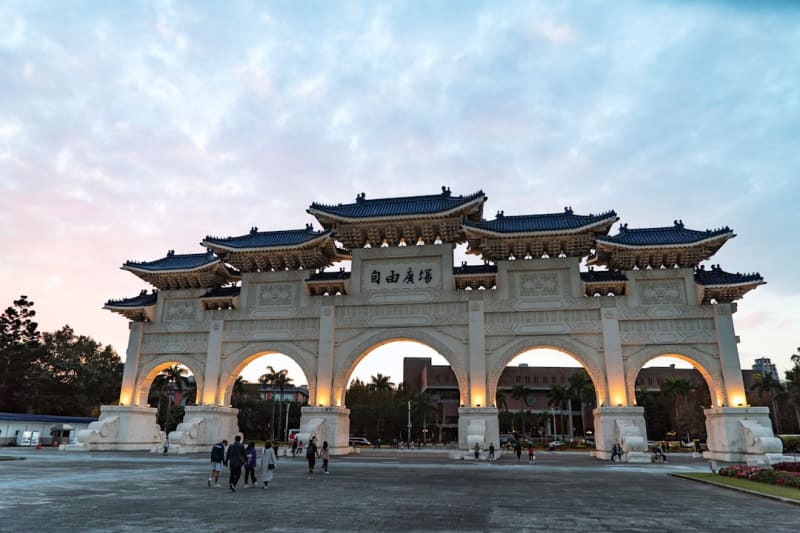 taiwan
Anping
Tainan's original harbor district, where a Dutch fort, a tree that swallowed a warehouse, and a canal of old salt merchants' houses tell four centuries of history in half a square kilometer.
Explore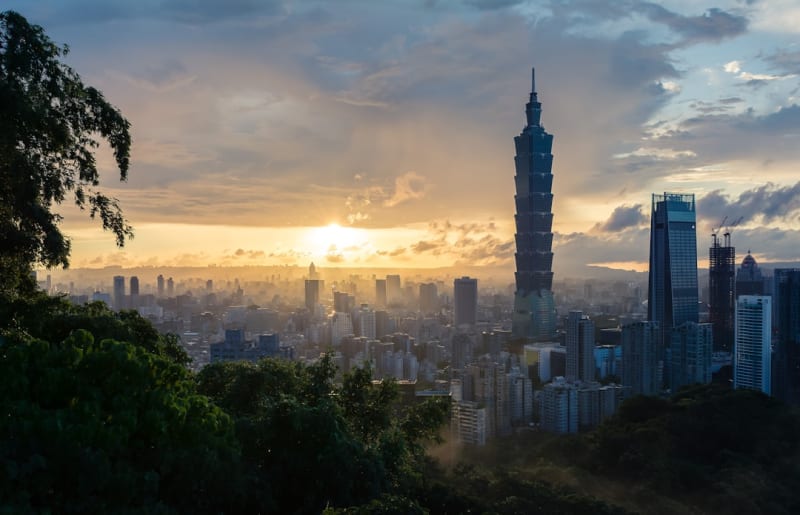 taiwan
Baihe
A farming district in Tainan's hills where lotus ponds turn entire valleys pink and green every summer, and lotus seeds show up in everything from ice cream to soup.
Explore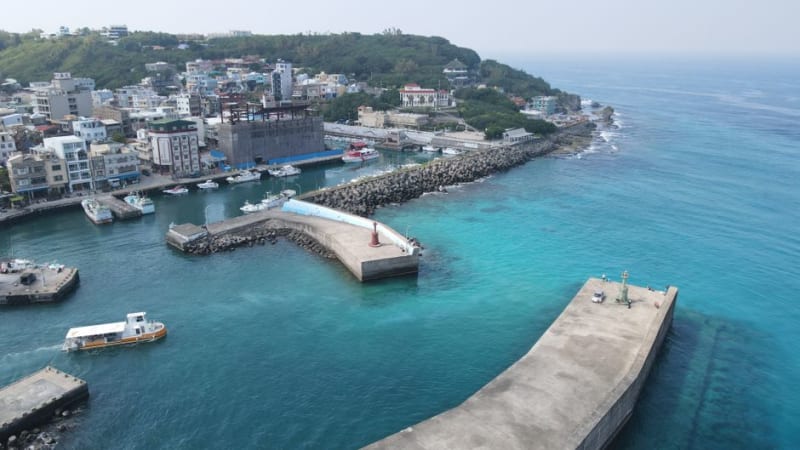 taiwan
Baisha Bay
A crescent of powder-white coral sand on the Hengchun Peninsula, famous as a film location and quietly one of Taiwan's best swimming beaches.
Explore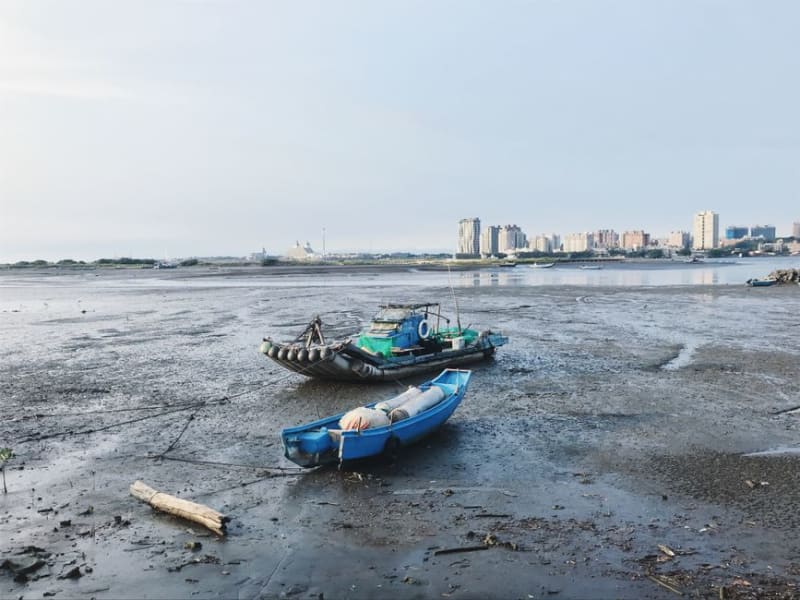 taiwan
Bali District
A quiet riverside district facing Danshui across the water, built around a prehistoric museum, mangrove wetlands, and a bike path that turns a ferry crossing into an afternoon.
Explore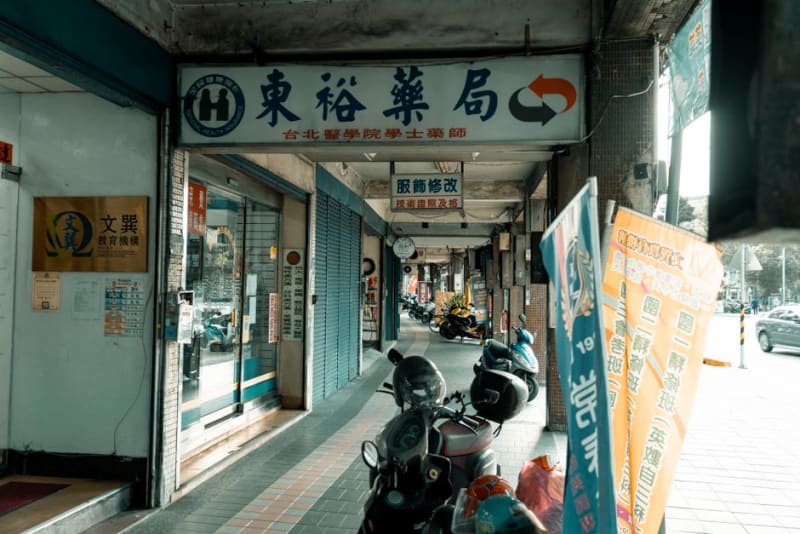 taiwan
Beigang
A modest river town in Chiayi County that happens to hold one of the most important Mazu temples in the Taiwanese-speaking world.
Explore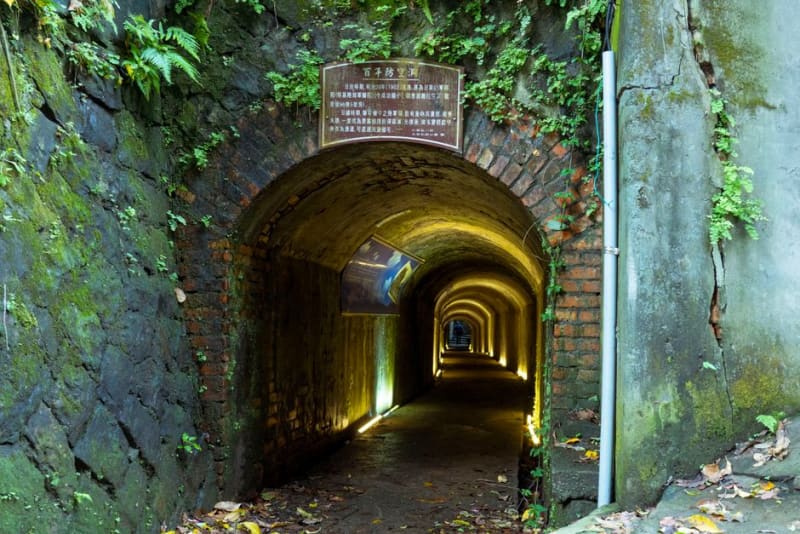 taiwan
Beihai Tunnel (Nangan)
A hand-blasted underground harbor on Matsu's main island, built to hide small military boats and now paddled by kayak at low tide.
Explore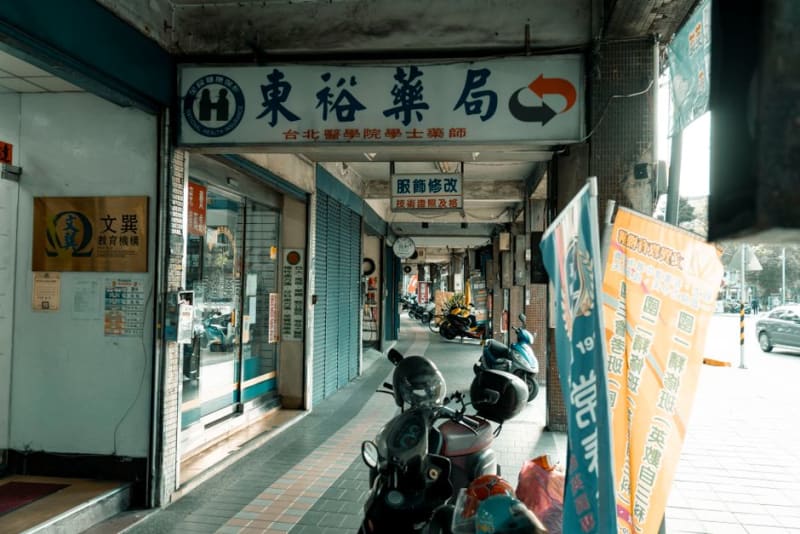 taiwan
Beipu
A Hakka hill town in Hsinchu County known for its ground tea ritual, timber-and-brick heritage houses, and a persimmon harvest that turns entire courtyards orange each autumn.
Explore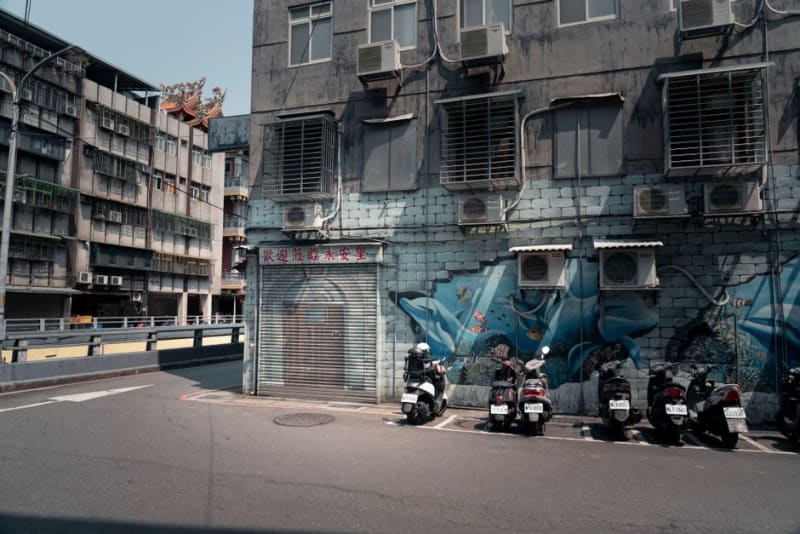 taiwan
Beishan Broadcasting Wall
A Cold War propaganda speaker array on Kinmen's northern coast, still aimed at the Chinese mainland across the strait.
Explore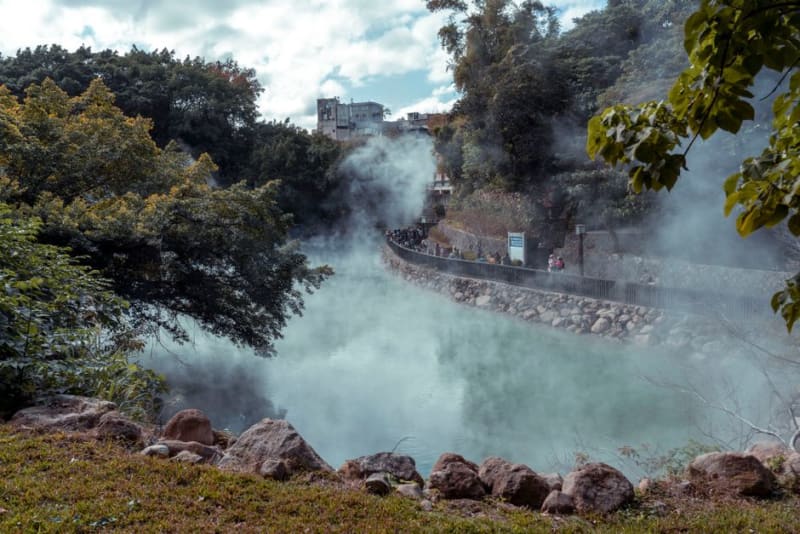 taiwan
Beitou
A hot spring district inside Taipei's own metro system, where a milky green thermal valley and Japanese-era bathhouses sit twenty minutes from downtown.
Explore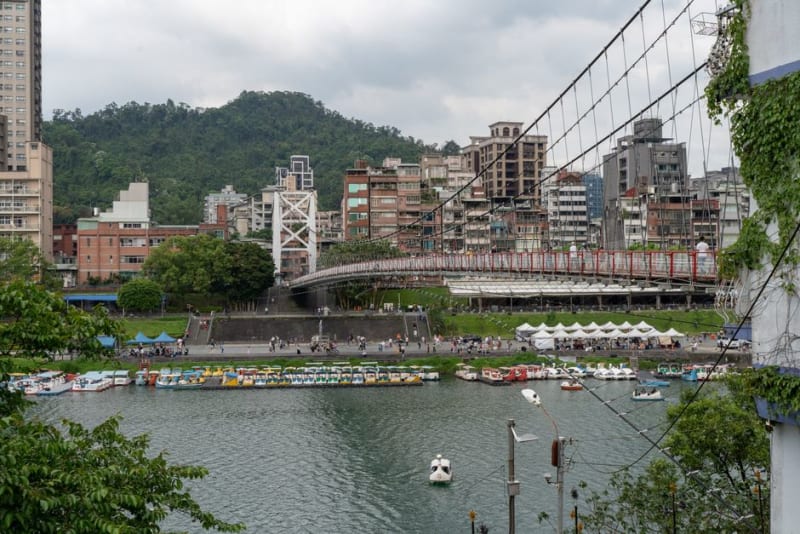 taiwan
Bitan
A jade-green reservoir at the edge of Taipei where swan-shaped paddle boats and a swaying suspension bridge fill a lazy riverside afternoon.
Explore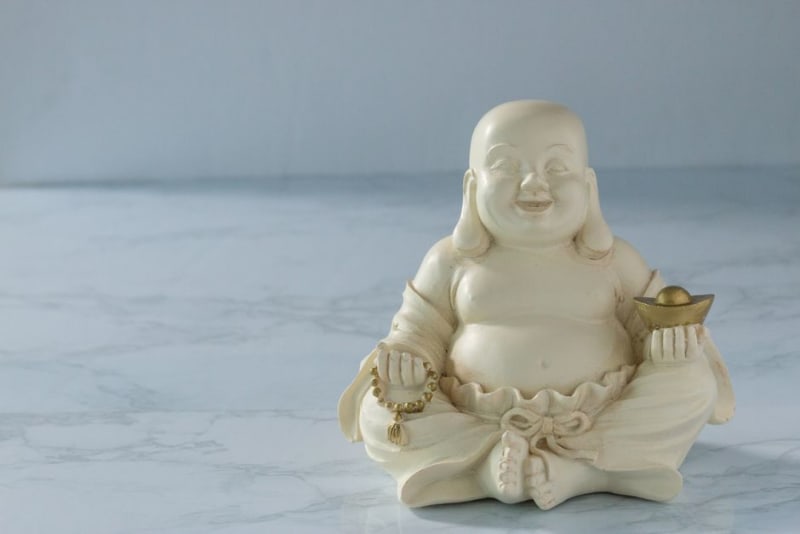 taiwan
Budai
A working fishing port on Chiayi's coast where oyster racks stretch to the horizon and the sunset over the salt flats turns everything the color of rust.
Explore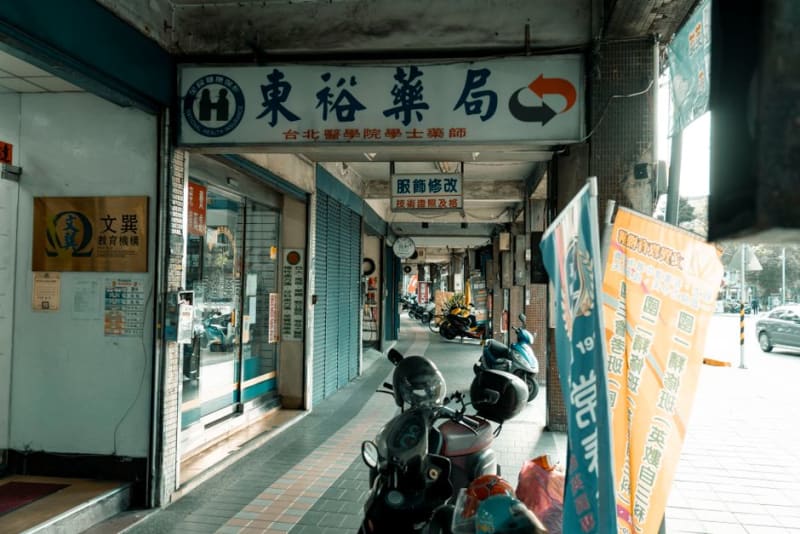 taiwan
Caotun
Nantou's largest township, a working town of temples, traditional crafts, and a folk village that plays Taiwan's history in miniature.
Explore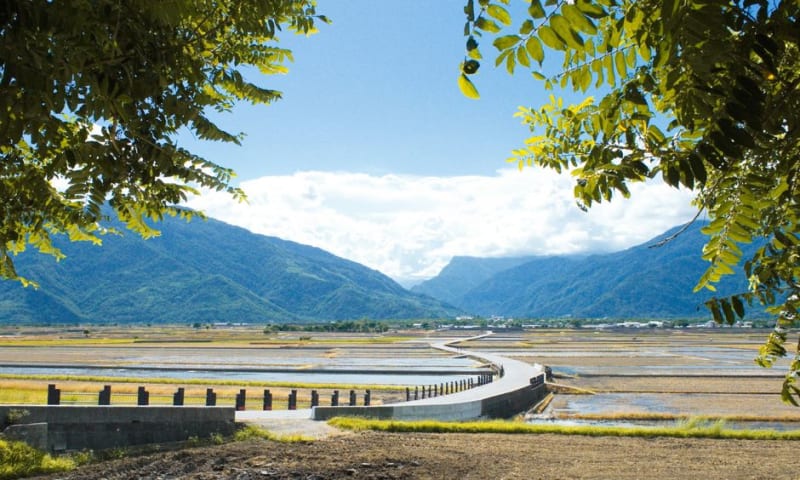 taiwan
Chishang
A rice-farming township in the East Rift Valley famous for a single tree standing alone in an emerald paddy, and for some of the best rice in Taiwan.
Explore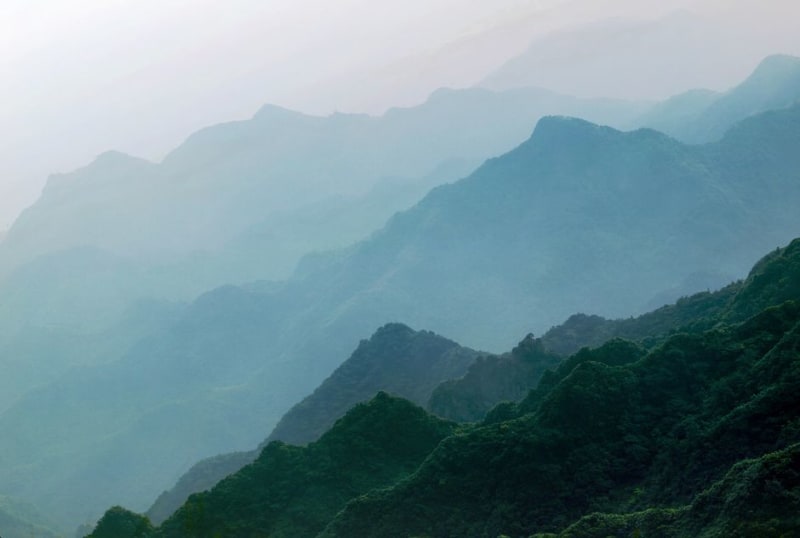 taiwan
Chuhuo Fire Ridge
A scrubby hillside near Kenting where natural gas seeping through cracked rock burns in small, permanent flames — day and night, rain or shine.
Explore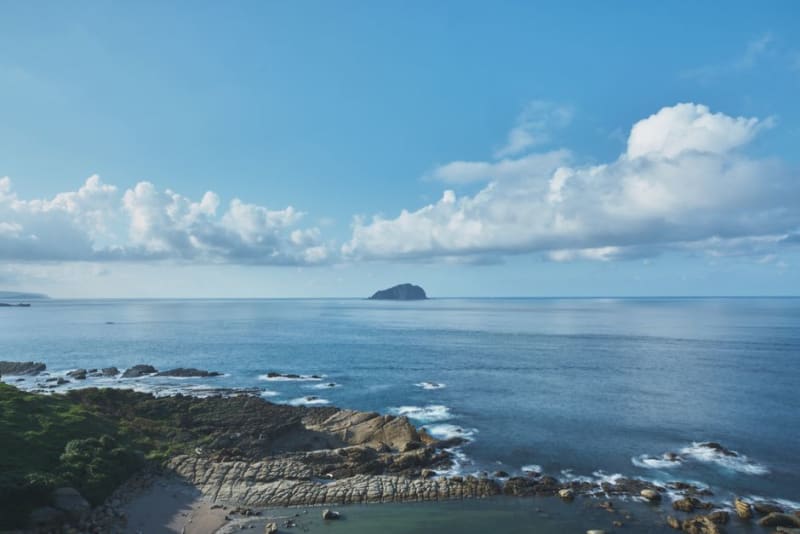 taiwan
Cijin Island
A narrow sandbar island off Kaohsiung harbor, reached by a five-minute ferry, where a lighthouse, a beach, and a seafood street set the pace.
ExploreAll areas in Taiwan
- Cingjing
- Cingjing Farm
- Dadaocheng
- Dajia
- Dakeng
- Danshui
- Dapeng Bay
- Daxi
- Donggang
- Dongshi
- Dongyin Island
- Dulan
- Eluanbi Lighthouse
- Farglory Ocean Park
- Fengyuan
- Fenqihu
- Fo Guang Shan
- Fongchuisha
- Fulong Beach
- Gaomei Wetlands
- Green Island
- Guandu
- Guanziling
- Hehuanshan
- Hengchun Old Town
- Houtong
- Hsinchu
- Hualien
- Jialeshui
- Jibei Island
- Jiji
- Jinguashi
- Jingzaijiao Salt Fields
- Jiufen
- Kaohsiung
- Keelung
- Kenting
- Kinmen Old Town
- Lieyu (Little Kinmen)
- Liuqiu Island
- Liyu Lake
- Longluan Lake
- Lotus Pond
- Lugu
- Lukang
- Maolin
- Matsu Blue Tears (Beigan)
- Meinong
- Miaoli
- Nanfangao
- National Palace Museum
- Neihu
- Neiwan
- Orchid Island (Lanyu)
- Penghu Islands
- Puli
- Qimei Island
- Qingshui Cliff
- Qixingtan Beach
- Ruisui Hot Springs
- Sail Rock
- Sandimen
- Sanxia
- Sanxiantai
- Sanyi
- Shanlinxi
- Sheding Nature Park
- Shifen
- Shuili
- Sichongxi Hot Springs
- Songshan
- Sun Moon Lake
- Taichung
- Tainan
- Taipei
- Taitung
- Taroko Gorge
- Wangan Island
- Wanhua
- Wulai
- Wuqi
- Wushantou Reservoir
- Xiaoliuqiu
- Ximending
- Xitou
- Yangmingshan
- Yanshui
- Yehliu
- Yingge
- Zhaishan Tunnel
- Zhinan Temple
- Zhongshan
- Zhushan